Advanced Automation and Control Systems
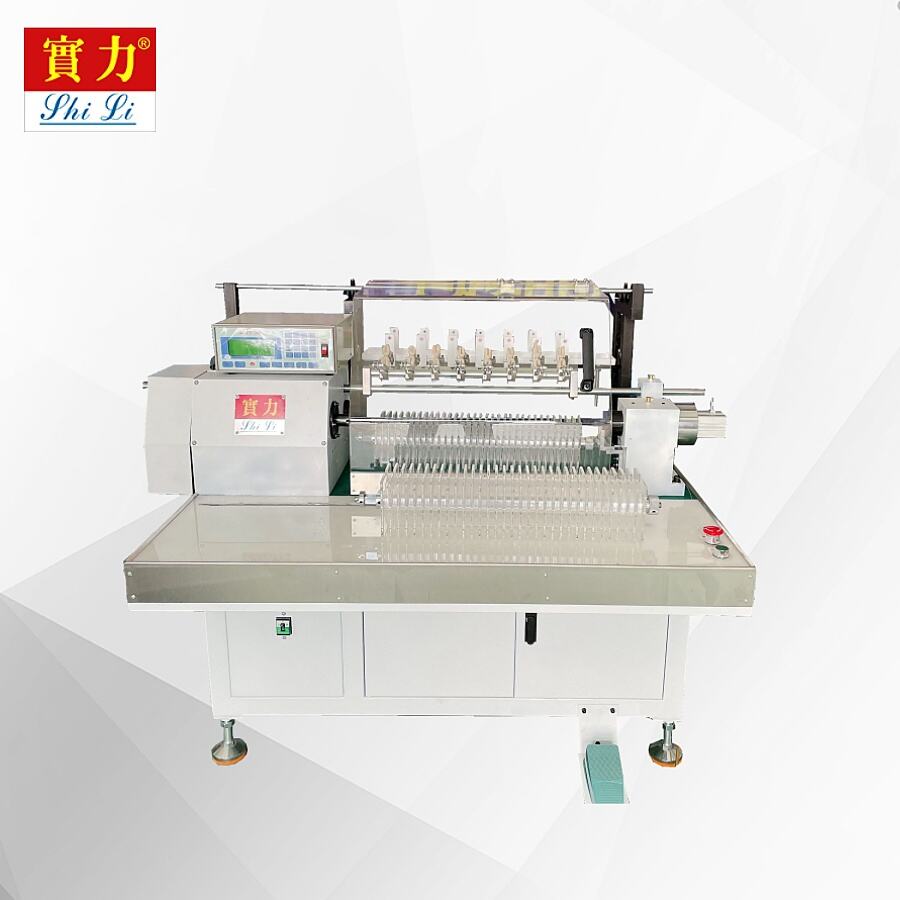
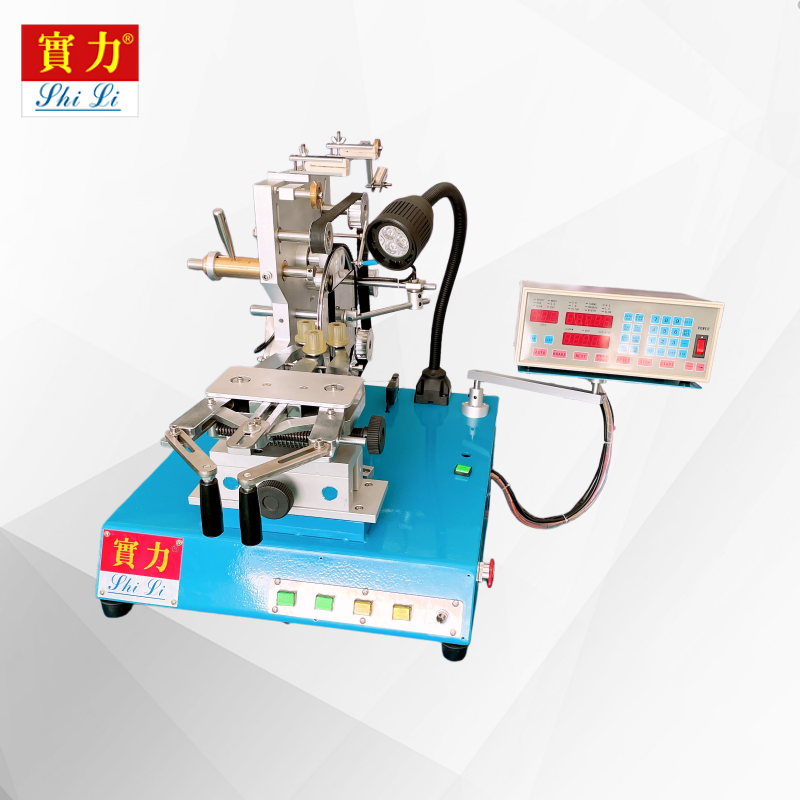
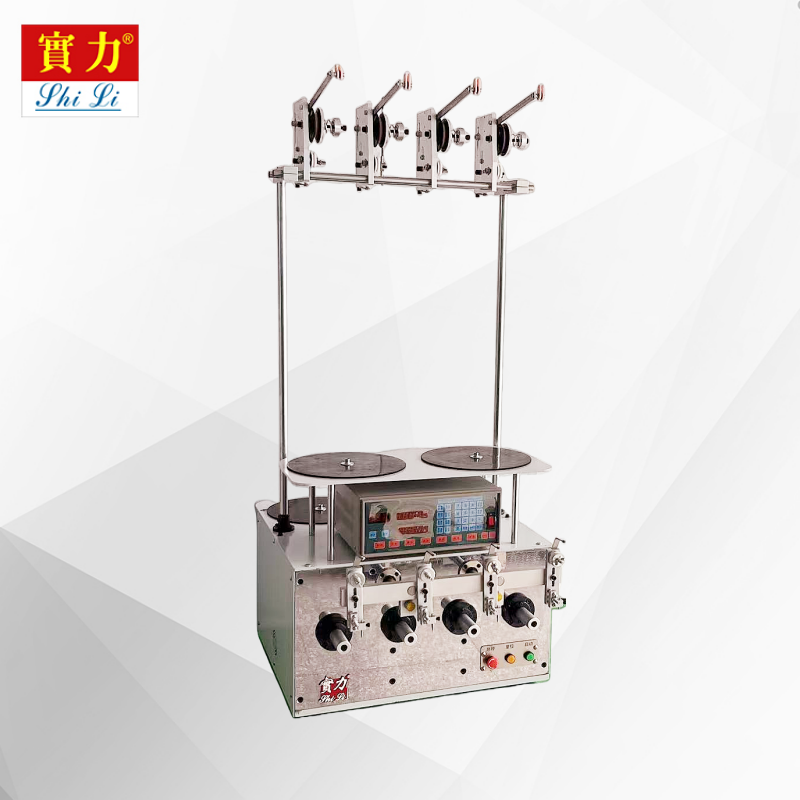
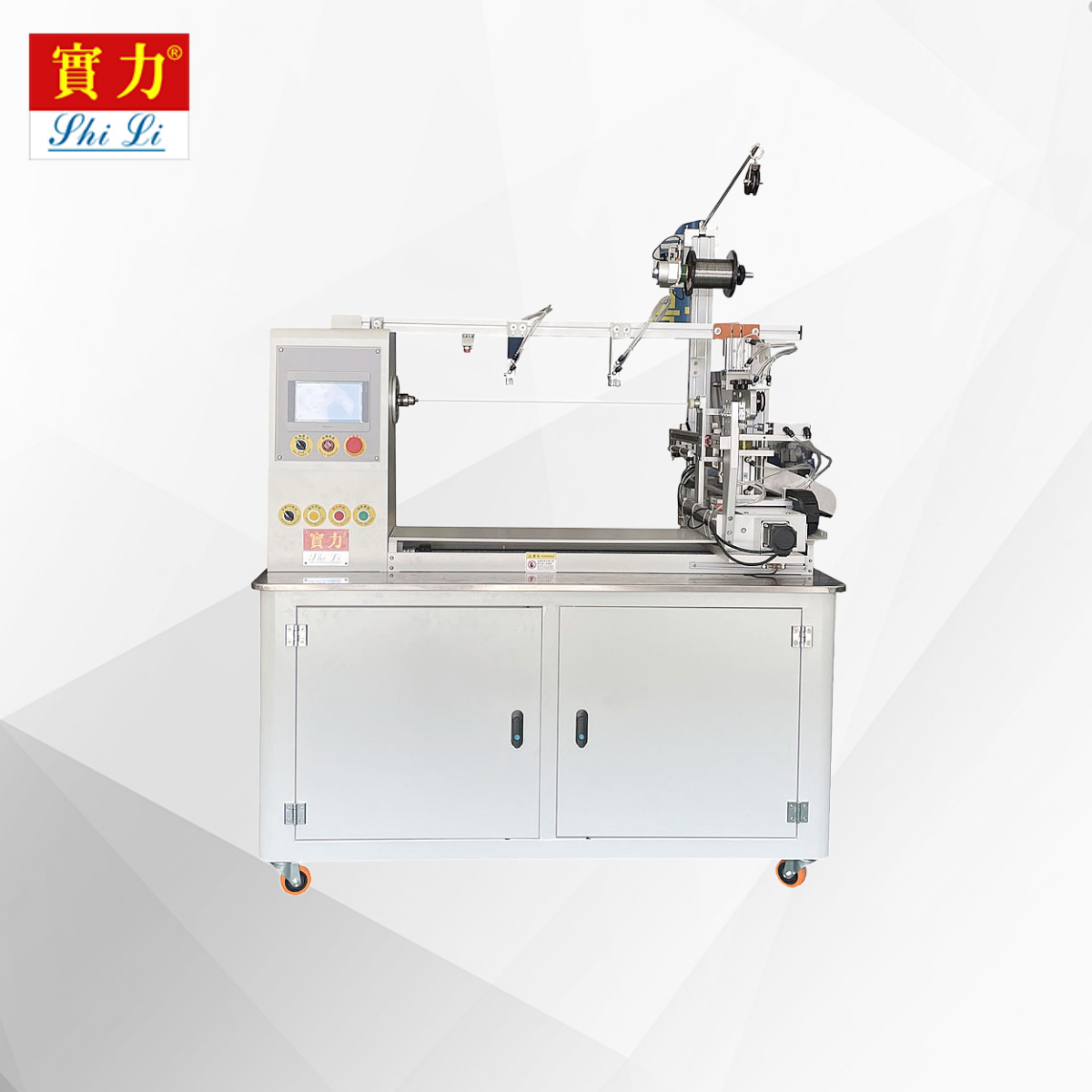
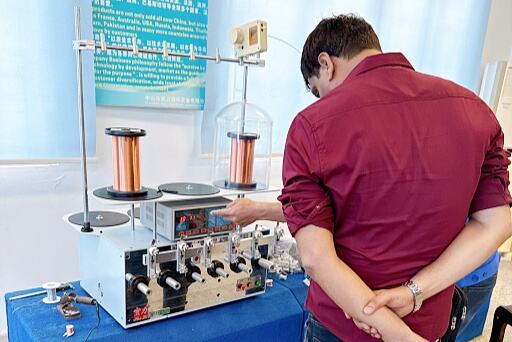
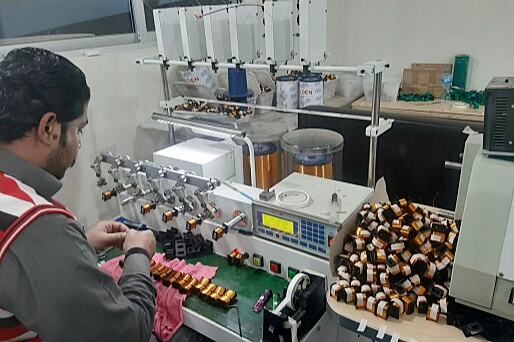
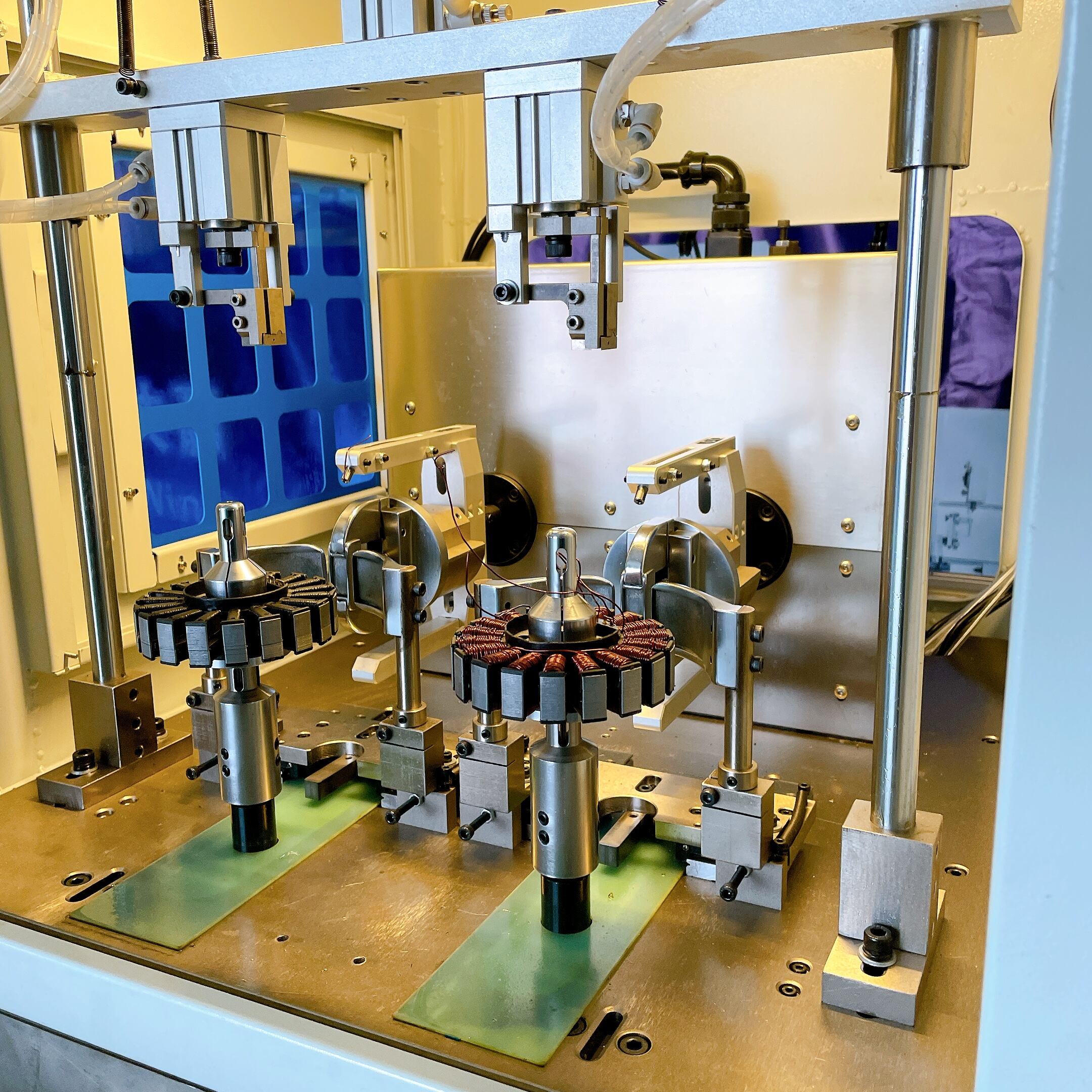
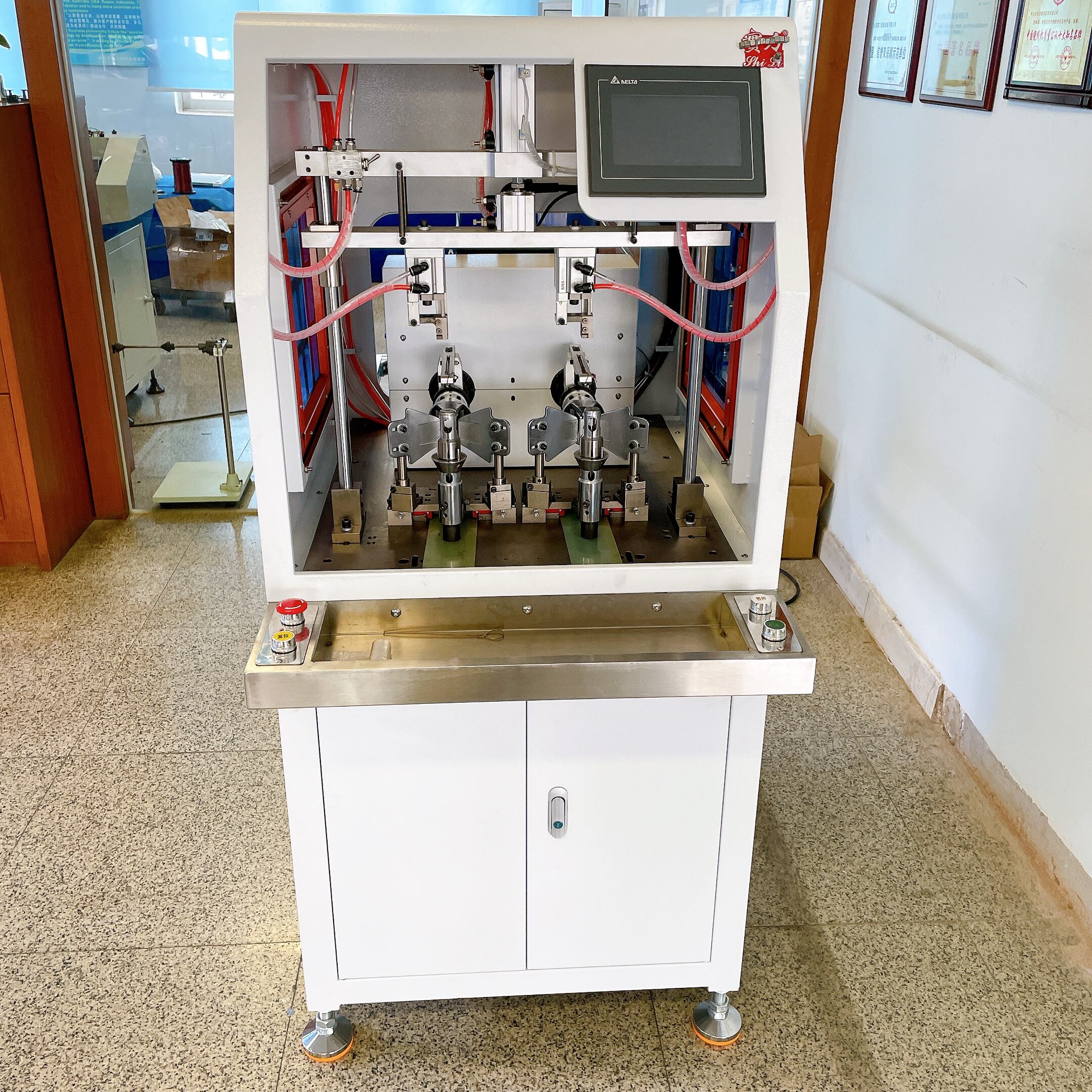
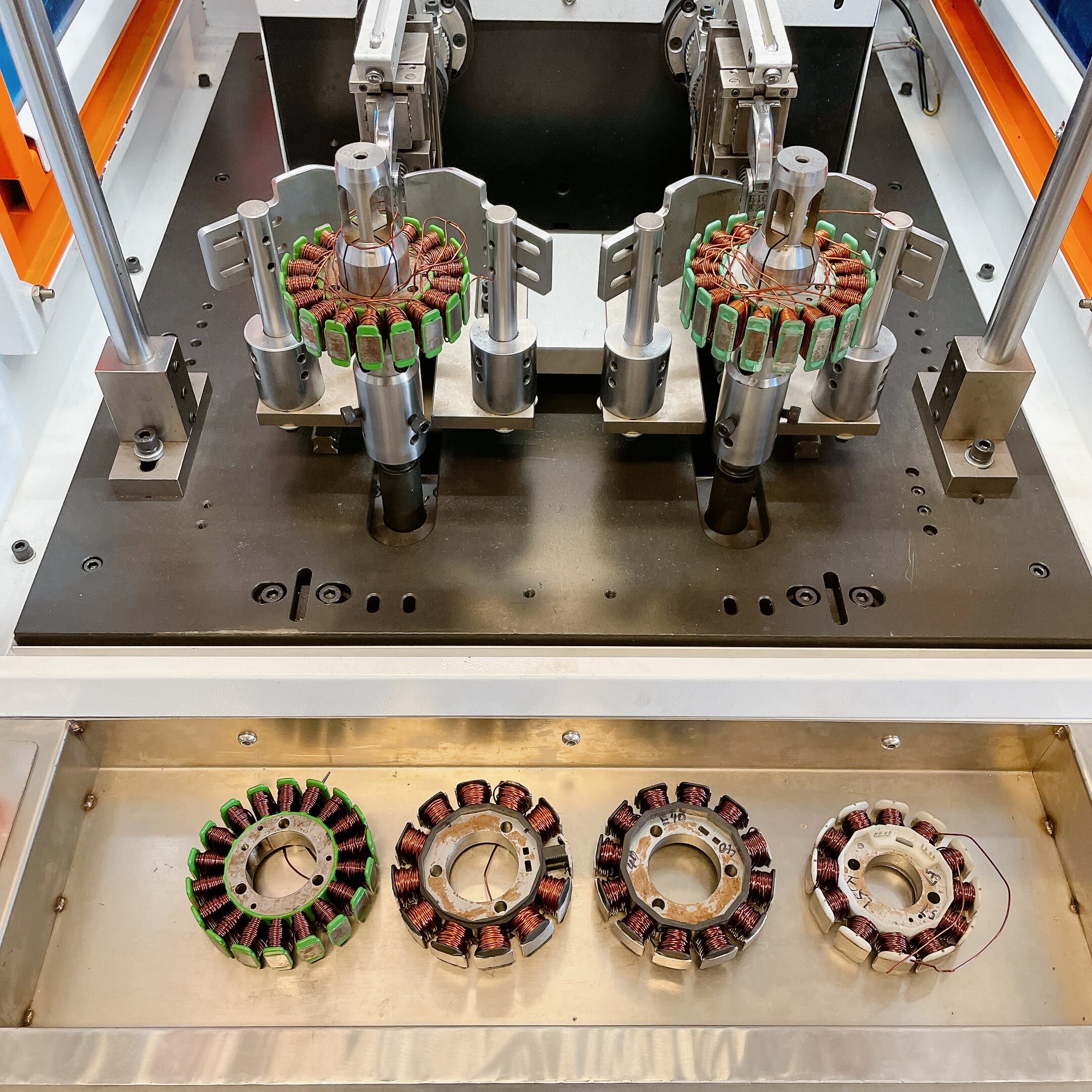
The bldc motor winding machine features sophisticated automation and control systems that streamline manufacturing operations while delivering unprecedented levels of consistency and efficiency. These intelligent systems integrate programmable logic controllers with intuitive human-machine interfaces, allowing operators to easily configure winding parameters for different motor specifications without extensive technical training. The automation capabilities extend beyond basic winding functions to include material handling, quality verification, and production tracking, creating a comprehensive manufacturing solution. Advanced sensors throughout the bldc motor winding machine monitor critical parameters such as wire tension, temperature, and positional accuracy, automatically adjusting operations to maintain optimal conditions. The control system stores multiple program profiles, enabling rapid changeovers between different motor types without manual reconfiguration or setup time. Predictive maintenance algorithms analyze operational data to identify potential issues before they cause production disruptions, scheduling maintenance activities during planned downtime periods. The automation reduces human error factors that commonly affect manual winding processes, including inconsistent tension application, improper wire placement, and timing variations. Real-time production monitoring provides managers with instant visibility into manufacturing performance, including cycle times, quality metrics, and equipment utilization rates. The bldc motor winding machine's control systems support remote monitoring capabilities, allowing technical support teams to diagnose issues and provide assistance without on-site visits. Integration with factory management systems enables seamless data exchange for production planning, inventory management, and quality traceability requirements. The automation features include automatic wire cutting, knotting, and termination processes that eliminate manual handling and reduce production cycle times significantly. Safety interlocks and emergency stop systems ensure operator protection while maintaining production efficiency, creating a secure working environment that meets international safety standards.
 ×
×
 EN
EN