Verbeterde Ontwikkeling van Operateurvaardighede en Kwaliteitswaarborge
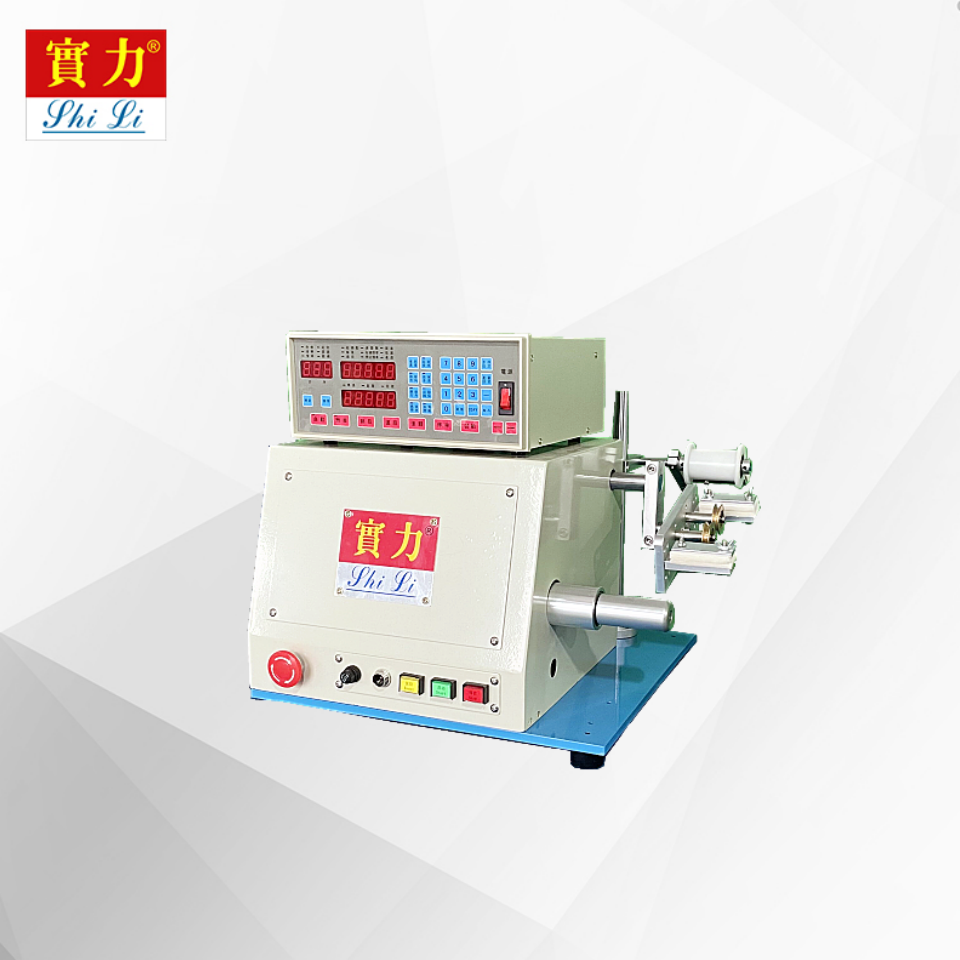
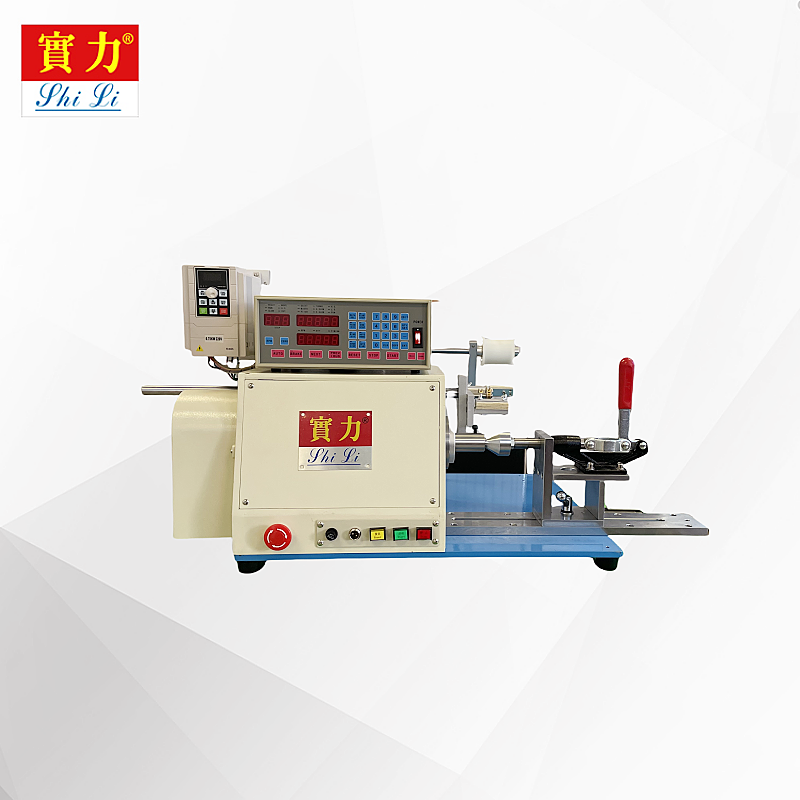
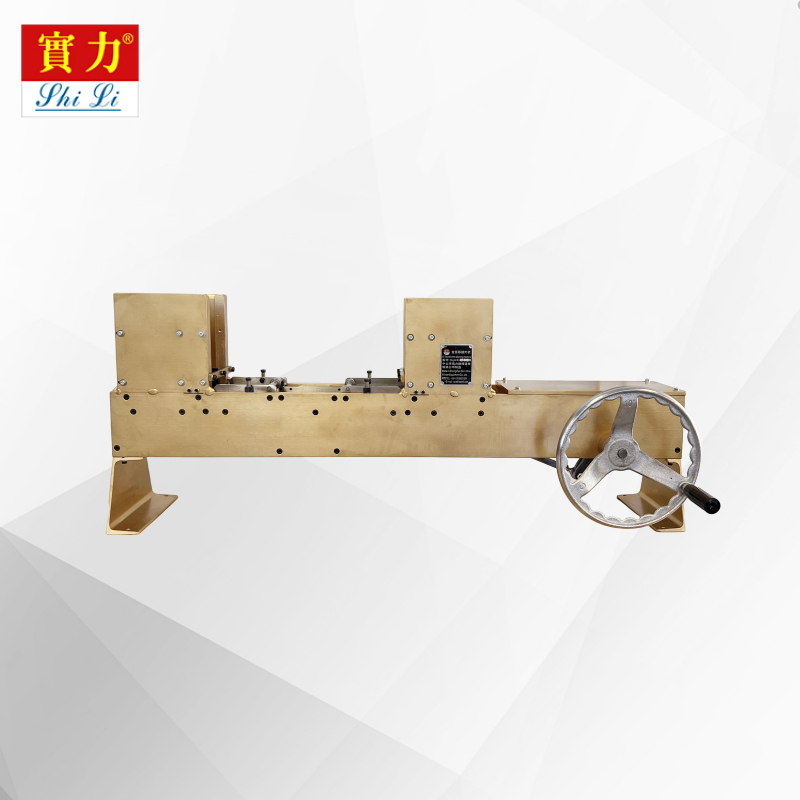
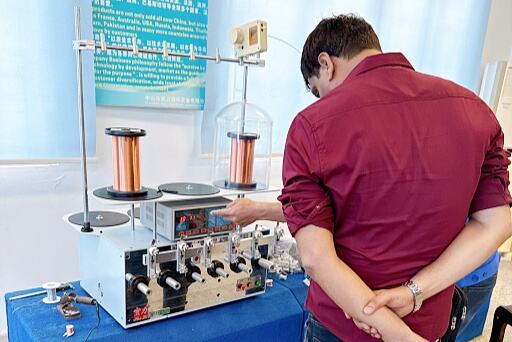
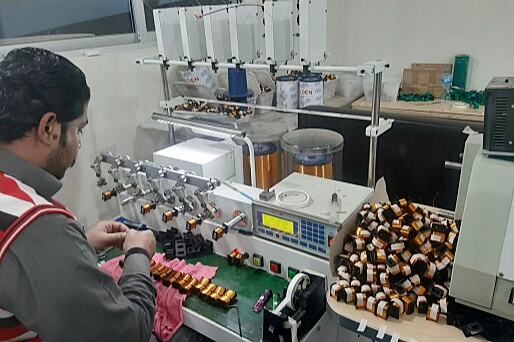
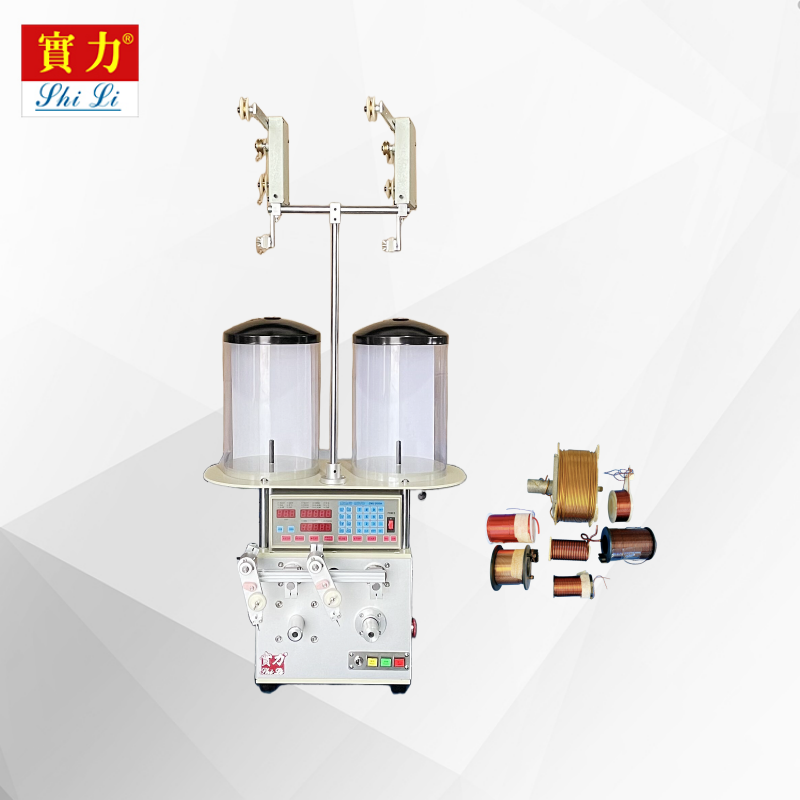
Die handmatige draadrolmasjien dien as 'n uitsonderlike platform vir die ontwikkeling van operateurkennis terwyl dit terselfdertyd 'n beter gehaltebeheer verseker deur direkte menslike betrokkenheid by die vervaardigingsproses. Hierdie praktiese benadering kweek 'n diep begrip van draadgedrag, materiaal eienskappe en spoelvorming beginsels wat nie deur outomatiese stelsels alleen herhaal kan word nie. Operateurs wat met handmatige draadrolmasjiene werk, ontwikkel 'n verhoogde sensitiwiteit vir spanningsvariasies, materiaalonsorteerbaarheid en omgewingsfaktore wat die kwaliteit van die spoel beïnvloed, wat 'n geskoolde arbeidsmag skep wat probleme kan identifiseer en oplos voordat dit die produksie beïnvloed. Die leerproses word omvattend namate tegnici ervaring opdoen met verskillende draadmateriaal, meters en toepassings, en kennis opbou wat hul waarde vir werkgewers verhoog en loopbaanvooruitgang moontlikhede verbeter. Kwaliteitstoesig hou groot voordele in as mense toesig hou, aangesien operateurs subtiele variasies in die toestand van die draad kan opspoor, moontlike mislukkingsplekke kan identifiseer en onmiddellike aanpassings kan maak wat voorkom dat gebrekkige produkte deur die vervaardigingsiklus vorder. Hierdie intydse kwaliteitsbeheer elimineer die afval wat verband hou met outomatiese stelsels wat hele produksie-rondes kan voltooi voordat probleme opgespoor word. Die handmatige draad spoelmasjien stel operateurs in staat om intuïtiewe begrip van optimale wikkelparameters vir verskillende toepassings te ontwikkel, wat institusionele kennis skep wat doeltreffendheid en kwaliteit van die produk met verloop van tyd verbeter. Opleidingsprogramme wat handmatige toerusting gebruik, voorsien studente van fundamentele vaardighede wat doeltreffend na outomatiese stelsels oorgedra kan word, wat meer bekwame tegnici skep wat die onderliggende beginsels verstaan eerder as om net geprogrammeerde prosedures te volg. Die probleemoplossingsvermoëns verbeter aansienlik namate operateurs leer om probleme te diagnoseer deur direkte waarneming en tasbare terugvoer, wat afhanklikheid van eksterne tegniese ondersteuning verminder en produksieonderbrekings verminder. Die mentorskap moontlikhede wat deur handmatige draad spoelmasjiene geskep word, laat ervare operateurs toe om kennis effektief oor te dra na nuwer werknemers, die behoud van kritieke vaardighede en die handhawing van konsekwentheid oor verskillende skofte en produksie spanne. Kwaliteit dokumentasie word meer omvattend wanneer operateurs kan verskaf gedetailleerde waarnemings oor materiaal gedrag, omgewingstoestande, en proses variasies wat langtermyn produk prestasie kan beïnvloed. Hierdie menslike element in kwaliteitsversekering bied kliënte bykomende vertroue in die betroubaarheid van die produk en ondersteun premium prysstrategieë vir vervaardigers wat vakmanskap en aandag aan detail beklemtoon.
 ×
×
 EN
EN