Professional Manual Wire Coiling Machine - Precision Winding Solutions for Industrial Applications

Get a Free Quote

Our representative will contact you soon.
Email
Name
Company Name
Message
0/1000

manual wire coiling machine

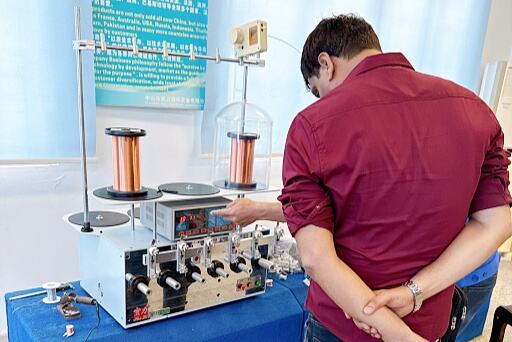
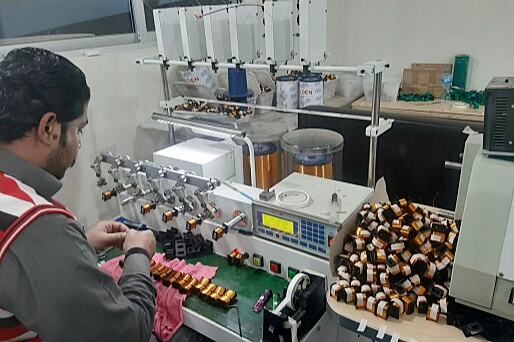
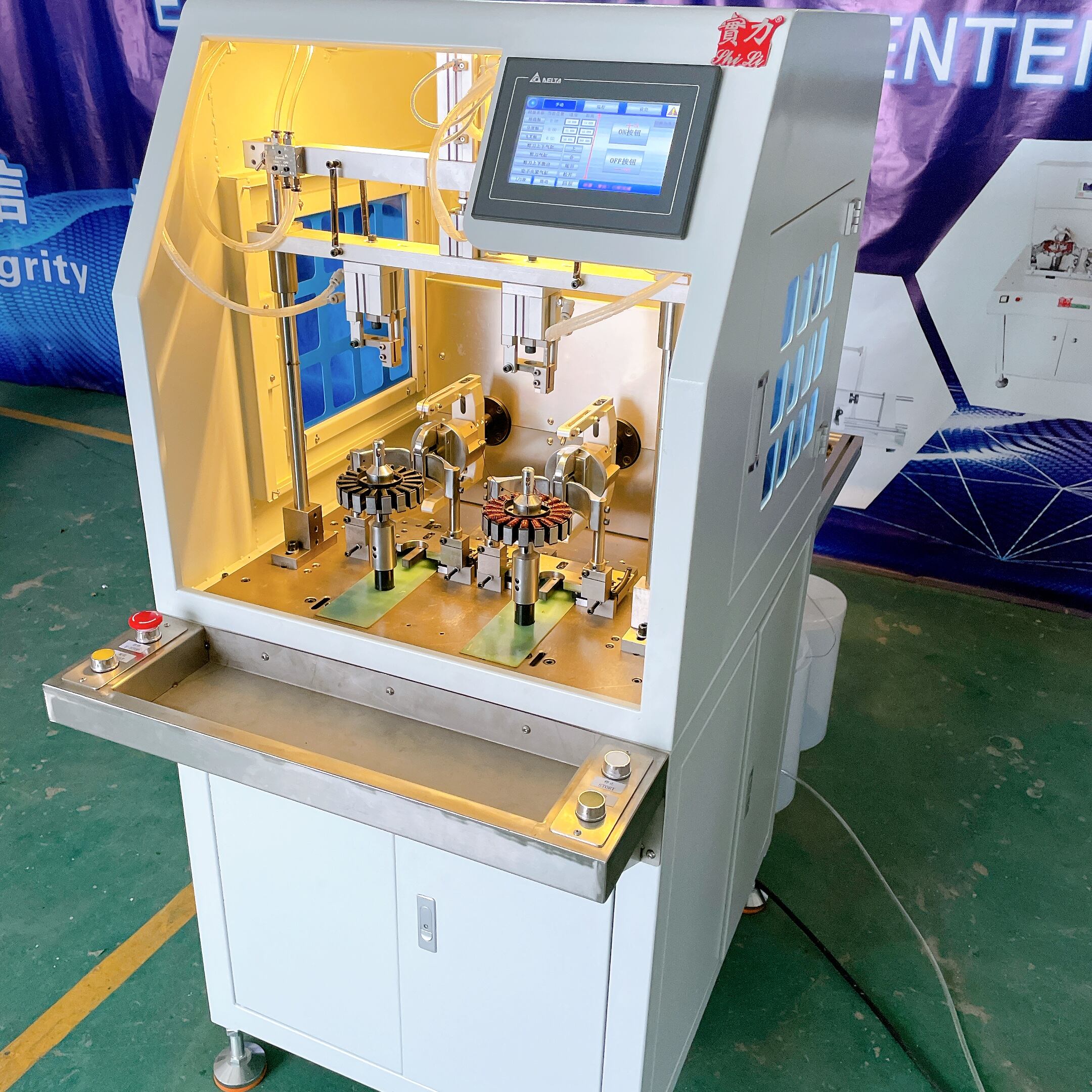
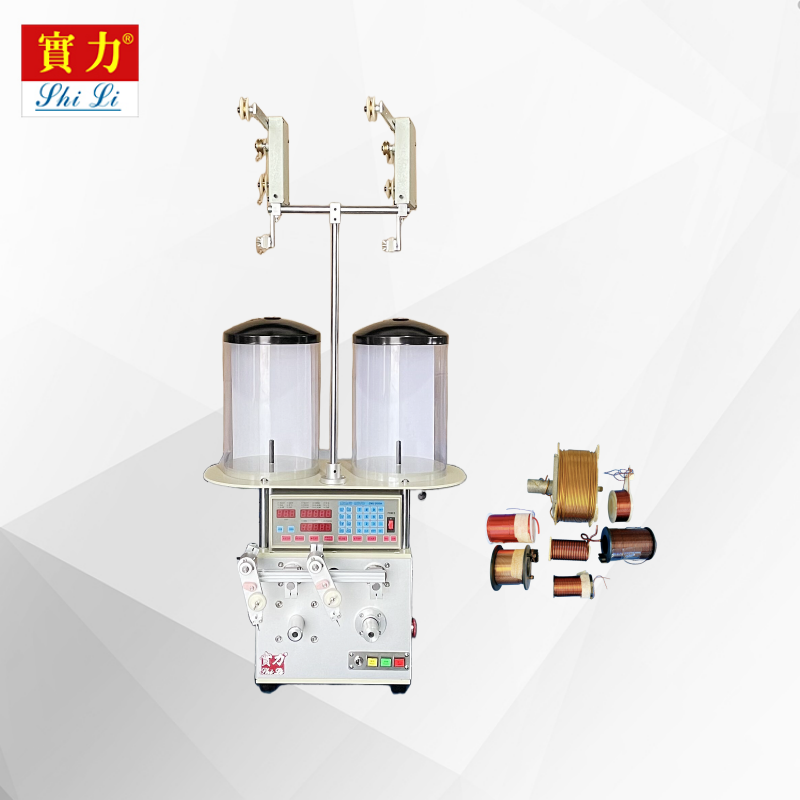
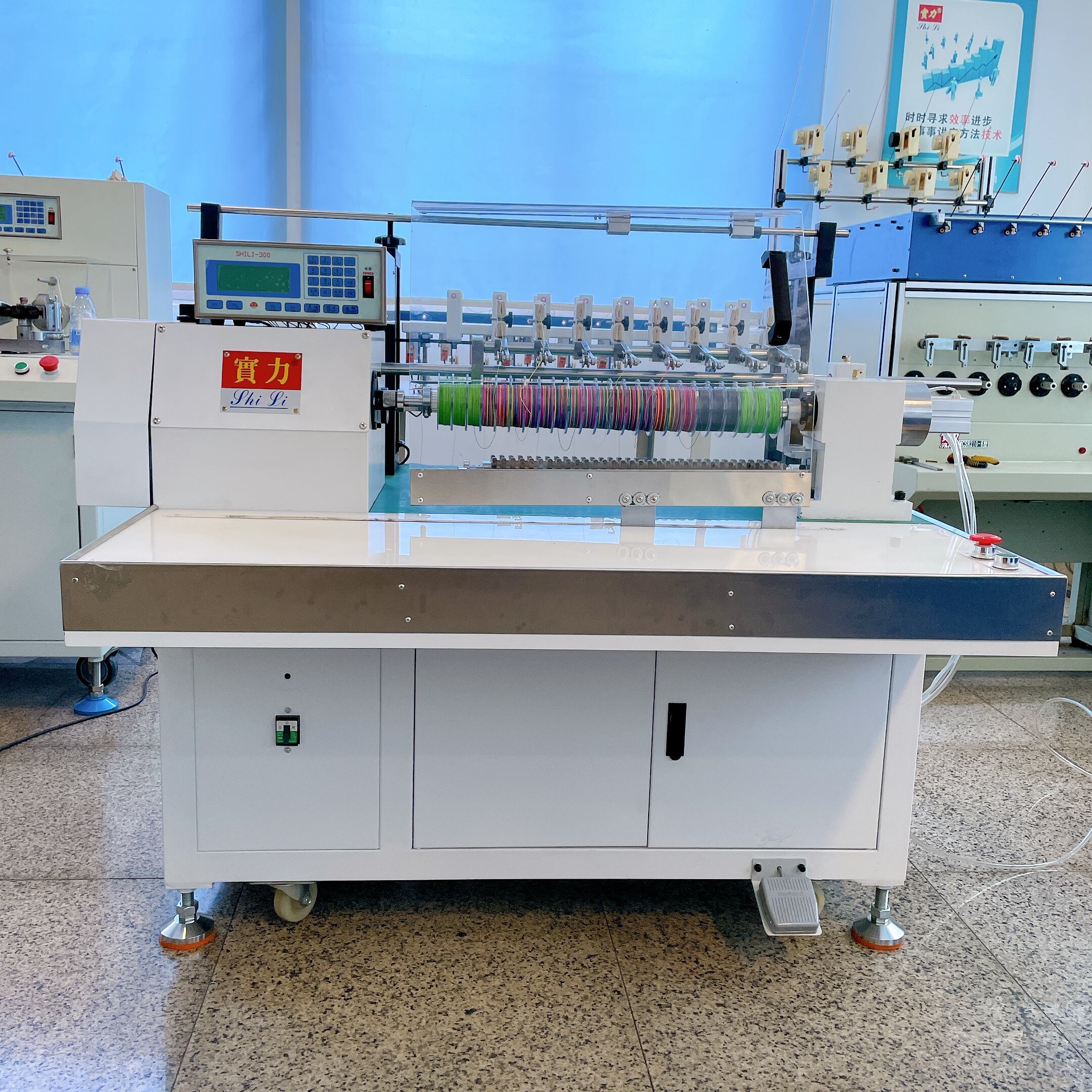
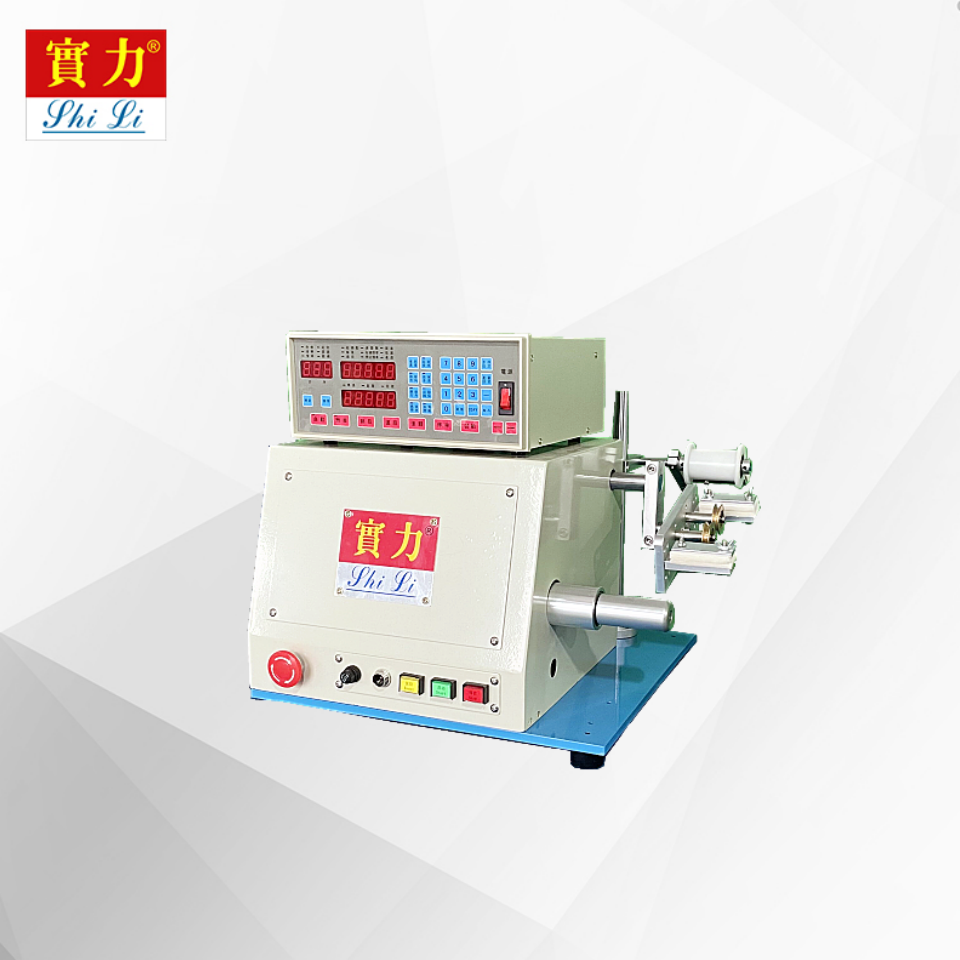
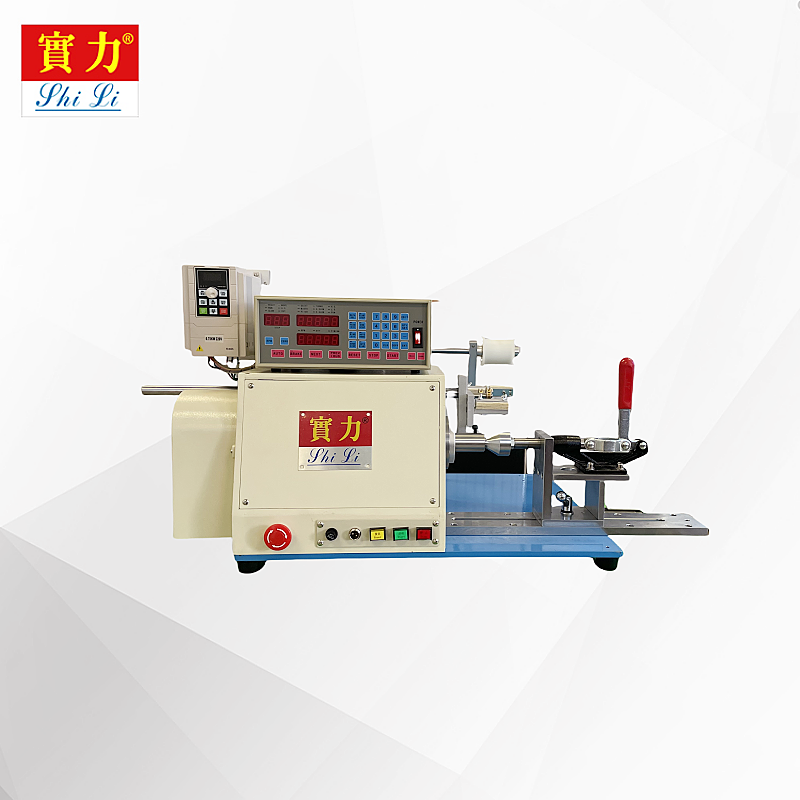
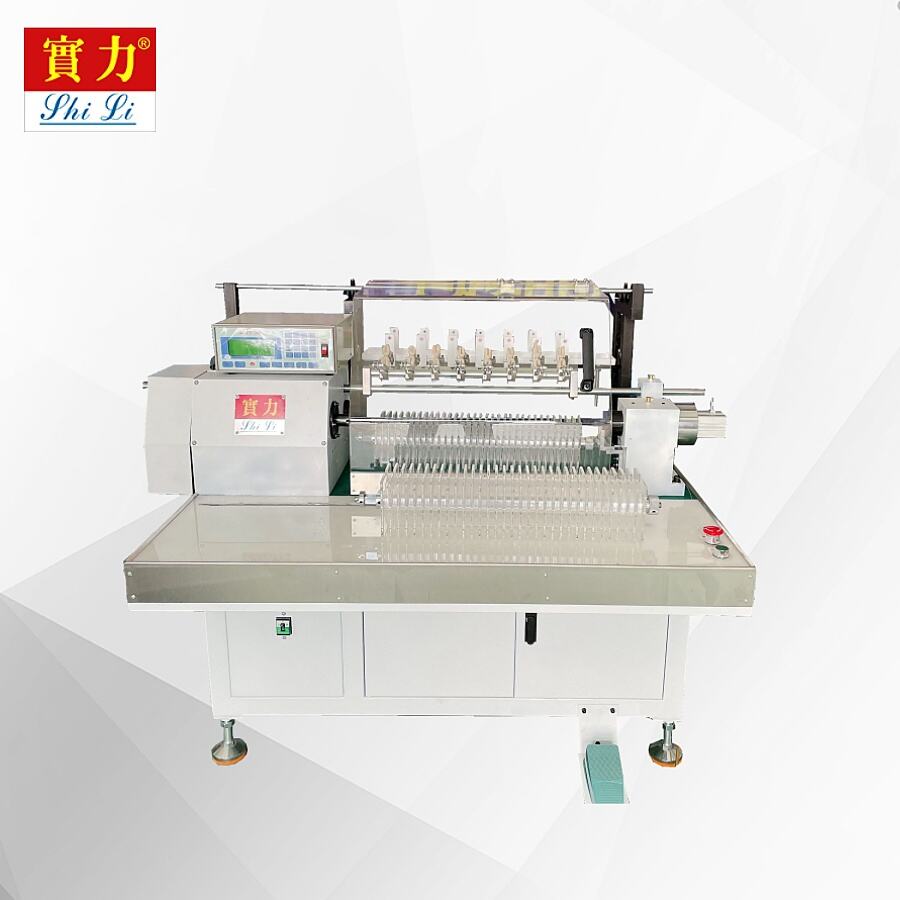
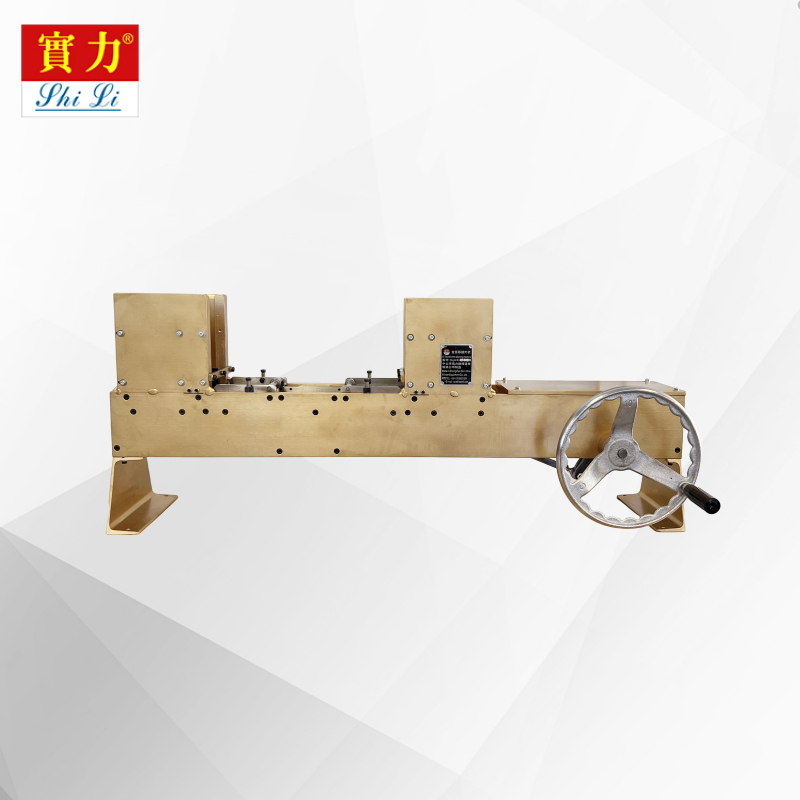
The manual wire coiling machine represents a fundamental piece of equipment in electrical manufacturing and wire processing industries. This specialized device enables operators to create precise, uniform wire coils through controlled mechanical processes. Unlike automated systems, the manual wire coiling machine provides hands-on control, allowing skilled technicians to adjust parameters in real-time based on specific requirements. The machine typically features a rotating spindle mechanism that winds wire around a designated form or mandrel, creating consistent coil patterns. Its robust construction ensures reliable performance across various wire gauges and materials, from copper and aluminum to specialized alloy wires. The manual wire coiling machine incorporates adjustable tension controls that maintain optimal wire stress throughout the winding process, preventing damage while ensuring tight, professional coils. Modern versions often include digital counters for precise turn counting, eliminating guesswork and reducing waste. The technological framework of this equipment emphasizes mechanical reliability over complex electronics, making it suitable for environments where electronic systems might be vulnerable. Key components include precision bearings, adjustable guides, and sturdy base construction that minimizes vibration during operation. The manual wire coiling machine serves diverse applications across multiple sectors, including transformer manufacturing, inductor production, motor winding operations, and custom coil fabrication. Educational institutions frequently utilize these machines for training purposes, allowing students to understand fundamental coil winding principles. Research and development facilities benefit from the flexibility offered by manual wire coiling machines when creating prototype components or testing new wire materials. The versatility extends to repair services where technicians rebuild damaged coils for industrial equipment. Manufacturing facilities appreciate the cost-effectiveness and simplicity of maintenance associated with manual wire coiling machines, particularly for low to medium volume production runs where full automation might not be economically justified.

New Product Releases

Manual wire coiling machines deliver exceptional value through their straightforward operation and reliable performance characteristics. These machines eliminate the steep learning curve associated with computerized equipment, allowing operators to become productive quickly without extensive training programs. The simplicity translates directly into reduced operational costs since businesses avoid expensive software licensing fees and complex maintenance contracts. Operators gain complete control over the winding process, enabling immediate adjustments when working with different wire specifications or coil requirements. This flexibility proves invaluable when handling custom orders or prototype development where specifications may change frequently. The manual wire coiling machine provides superior tactile feedback, allowing experienced operators to detect tension variations or material inconsistencies that automated systems might miss. Cost savings extend beyond initial purchase price, as these machines typically require minimal electrical power consumption compared to their automated counterparts. Maintenance procedures remain straightforward, often requiring basic mechanical knowledge rather than specialized technical expertise. Parts replacement becomes economical since components follow standard mechanical designs rather than proprietary electronic systems. The durability factor stands out significantly, with many manual wire coiling machines operating reliably for decades with proper care. This longevity provides excellent return on investment, particularly for smaller manufacturers or specialized service providers. Quality control becomes more intuitive as operators can immediately assess coil formation and make corrections before completing the entire winding process. The machines accommodate various wire materials without requiring software updates or compatibility checks, making them ideal for facilities handling diverse product lines. Setup time remains minimal since operators can quickly adjust mechanical components without navigating complex programming interfaces. The manual wire coiling machine proves especially valuable for educational settings where students learn fundamental principles without technological distractions. Emergency repairs become feasible even in remote locations since these machines do not depend on electronic controllers or specialized diagnostic equipment. Small-scale manufacturers particularly benefit from the scalability offered by manual wire coiling machines, allowing them to increase production capacity gradually without major capital investments. The predictable operating costs help businesses maintain stable pricing for their customers while ensuring consistent profit margins across different production volumes.

Practical Tips

Solve Solenoid Valve Coil Production Pain Points for India | Easy Operation Guide

05

Feb

Solve Solenoid Valve Coil Production Pain Points for India | Easy Operation Guide

View More
Bangladesh Client Raves: Efficiency + Stable Quality

05

Feb

Bangladesh Client Raves: Efficiency + Stable Quality

View More
Turkey Full Container Shipment: Rave Reviews & Repeat Orders

05

Feb

Turkey Full Container Shipment: Rave Reviews & Repeat Orders

View More

Get a Free Quote

Our representative will contact you soon.
Email
Name
Company Name
Message
0/1000

manual wire coiling machine

Precision Control and Customization Capabilities

Precision Control and Customization Capabilities

The manual wire coiling machine excels in providing operators with unparalleled precision control over every aspect of the coil winding process, making it an indispensable tool for applications requiring exact specifications. This level of control stems from the mechanical nature of the equipment, where operators can feel resistance changes, monitor tension variations, and adjust parameters instantaneously based on real-time observations. The machine's design incorporates micrometer-adjustable components that allow for incremental modifications to coil pitch, diameter, and winding tension, ensuring that each coil meets precise dimensional requirements. Professional technicians particularly value this hands-on approach when creating specialized coils for high-performance applications such as audio equipment, medical devices, or aerospace components where tolerances must be maintained within extremely narrow margins. The customization capabilities extend to accommodating unusual wire shapes, exotic materials, or non-standard coil geometries that would challenge automated systems. Operators can experiment with different winding patterns, vary the tension throughout the coiling process, or create hybrid designs that combine multiple wire types within a single coil assembly. This flexibility proves crucial for research and development applications where innovation requires the ability to test unconventional approaches quickly. The manual wire coiling machine supports rapid prototyping efforts by allowing engineers to iterate designs without reprogramming complex automated systems. Quality assurance becomes more comprehensive as operators can perform real-time inspections, making immediate corrections when deviations occur rather than discovering problems after completion. The tactile feedback provided by manual operation enables experienced technicians to detect subtle material variations or potential failure points before they affect the final product. Training programs benefit enormously from this hands-on experience, as students develop an intuitive understanding of wire behavior, tension effects, and coil formation principles that serve them throughout their careers. Custom coil manufacturers rely on these capabilities to differentiate their services and command premium pricing for specialized work that automated systems cannot handle effectively.
Cost-Effective Solution for Diverse Production Needs

Cost-Effective Solution for Diverse Production Needs

Manual wire coiling machines represent an exceptionally cost-effective manufacturing solution that addresses the needs of businesses across various scales and industries without requiring substantial capital investment or ongoing operational expenses. The initial purchase price typically runs significantly lower than comparable automated equipment, making these machines accessible to small manufacturers, startup companies, and educational institutions operating under tight budget constraints. This affordability extends throughout the ownership lifecycle, as maintenance costs remain predictable and manageable due to the mechanical simplicity of the design. Replacement parts follow standard industrial specifications, avoiding the premium pricing associated with proprietary electronic components found in automated systems. The absence of complex software eliminates licensing fees, update costs, and compatibility issues that can create unexpected expenses over time. Energy consumption stays remarkably low since manual wire coiling machines rely primarily on mechanical action rather than power-hungry electronic systems, contributing to reduced operational overhead and smaller environmental footprints. Training costs diminish substantially because operators can master the fundamentals quickly without extensive technical education or certification programs. The versatility of manual wire coiling machines allows businesses to handle diverse product lines using a single piece of equipment, eliminating the need for multiple specialized machines that would increase capital requirements and floor space demands. Production flexibility enables manufacturers to accept smaller orders that might not justify automated equipment setup time and costs, opening new market opportunities and revenue streams. Service and repair facilities particularly benefit from this cost structure when rebuilding customer equipment, as the manual wire coiling machine can handle various coil types without expensive tooling changes. The scalability factor proves invaluable for growing businesses that can start with manual equipment and gradually expand capacity by adding additional units rather than making large automated system investments. Insurance and financing costs typically run lower for mechanical equipment compared to sophisticated electronic systems, further enhancing the total cost of ownership advantage. Long-term reliability translates into stable production capabilities and predictable replacement schedules that support accurate financial planning and budgeting processes.
Enhanced Operator Skill Development and Quality Assurance

Enhanced Operator Skill Development and Quality Assurance

The manual wire coiling machine serves as an exceptional platform for developing operator expertise while simultaneously ensuring superior quality control through direct human involvement in the manufacturing process. This hands-on approach cultivates deep understanding of wire behavior, material properties, and coil formation principles that cannot be replicated through automated systems alone. Operators working with manual wire coiling machines develop heightened sensitivity to tension variations, material inconsistencies, and environmental factors that affect coil quality, creating a skilled workforce capable of identifying and resolving issues before they impact production. The learning process becomes comprehensive as technicians gain experience with different wire materials, gauges, and applications, building knowledge that enhances their value to employers and improves career advancement opportunities. Quality assurance benefits tremendously from human oversight, as operators can detect subtle variations in wire condition, recognize potential failure points, and make immediate adjustments that prevent defective products from progressing through the manufacturing cycle. This real-time quality control eliminates the waste associated with automated systems that may complete entire production runs before detecting problems. The manual wire coiling machine enables operators to develop intuitive understanding of optimal winding parameters for different applications, creating institutional knowledge that improves efficiency and product quality over time. Training programs utilizing manual equipment provide students with fundamental skills that transfer effectively to automated systems, creating more competent technicians who understand underlying principles rather than simply following programmed procedures. Troubleshooting capabilities improve significantly as operators learn to diagnose problems through direct observation and tactile feedback, reducing dependence on external technical support and minimizing production disruptions. The mentorship opportunities created by manual wire coiling machines allow experienced operators to transfer knowledge effectively to newer employees, preserving critical skills and maintaining consistency across different shifts and production teams. Quality documentation becomes more comprehensive when operators can provide detailed observations about material behavior, environmental conditions, and process variations that might affect long-term product performance. This human element in quality assurance provides customers with additional confidence in product reliability and supports premium pricing strategies for manufacturers who emphasize craftsmanship and attention to detail.

Get a Free Quote

Our representative will contact you soon.
Email
Name
Company Name
Message
0/1000
Newsletter
Please Leave A Message With Us