Professional Wire Bobbin Winding Machine Solutions for Precision Manufacturing

Get a Free Quote

Our representative will contact you soon.
Email
Name
Company Name
Message
0/1000

wire bobbin winding machine

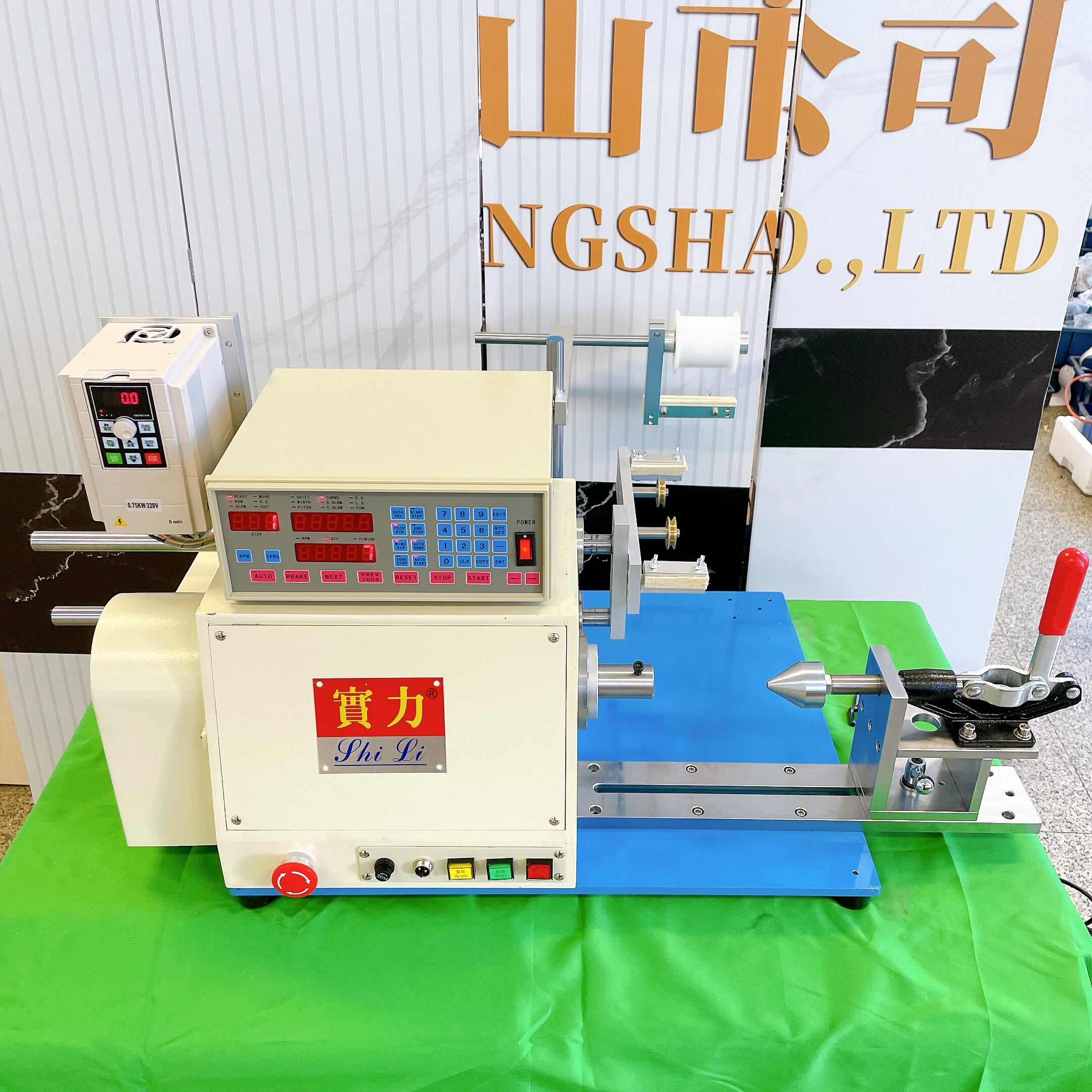
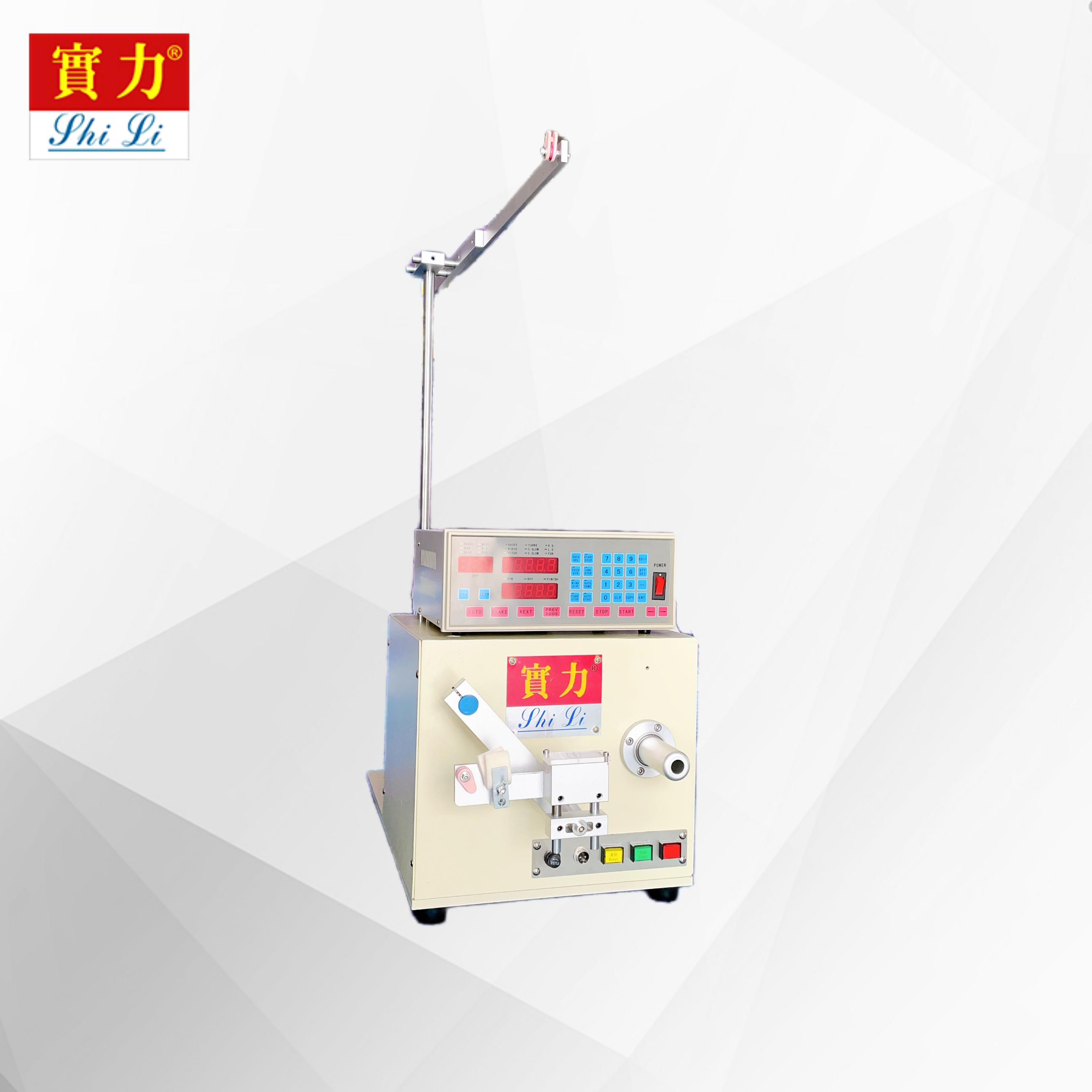
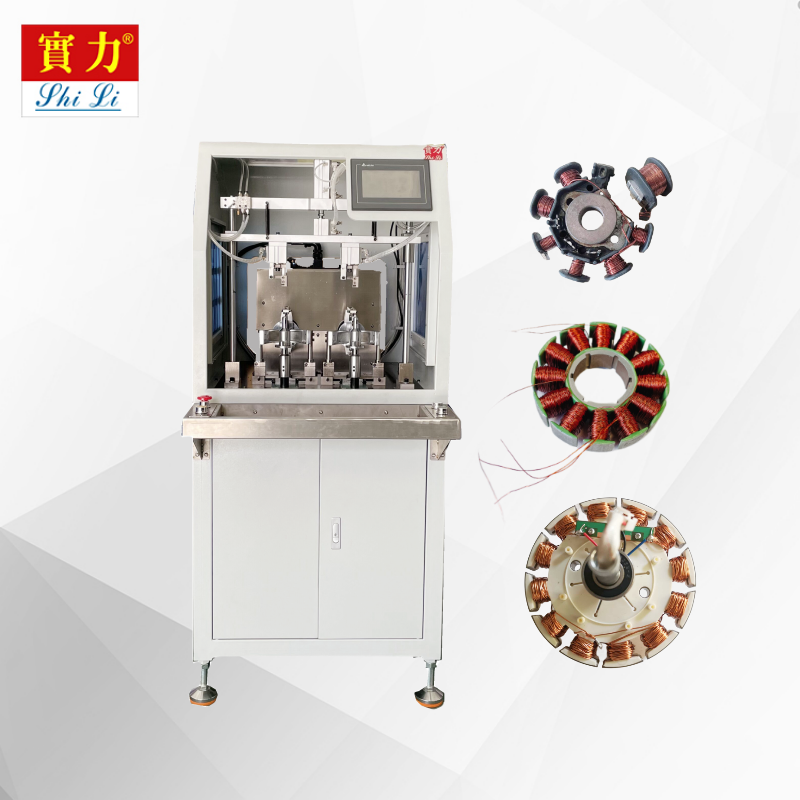
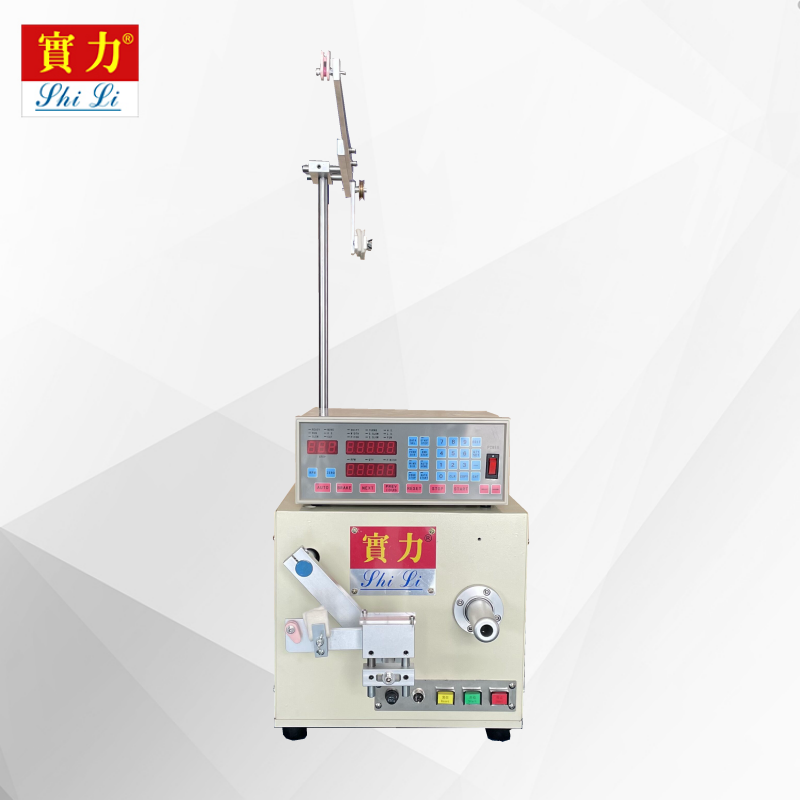
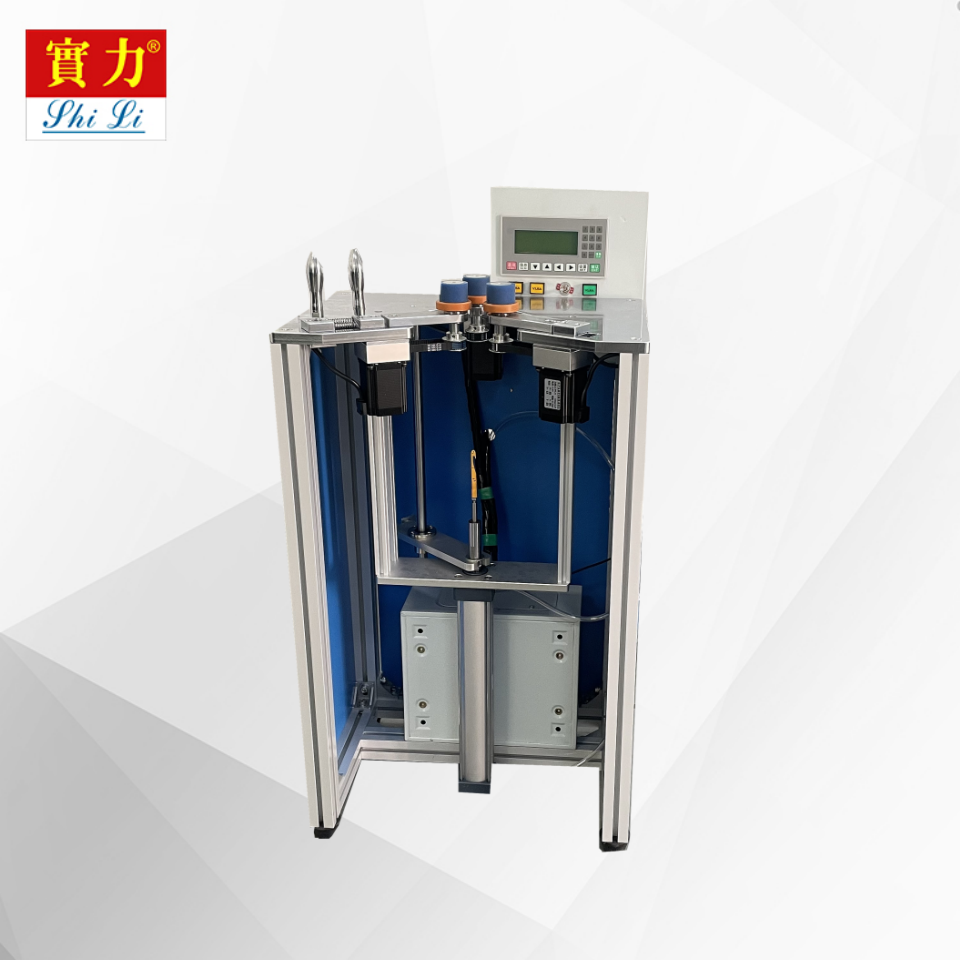
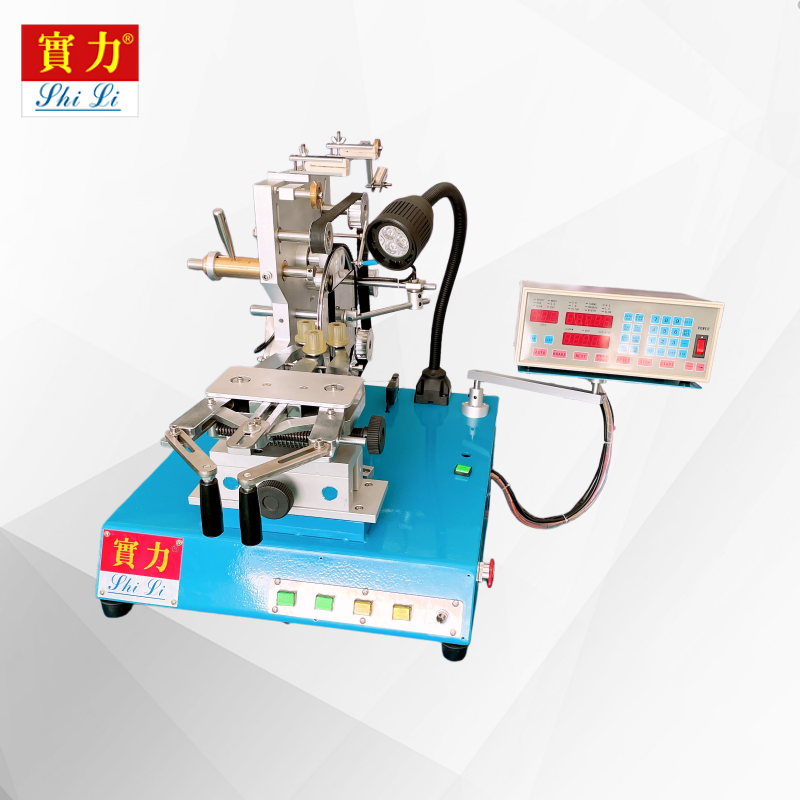
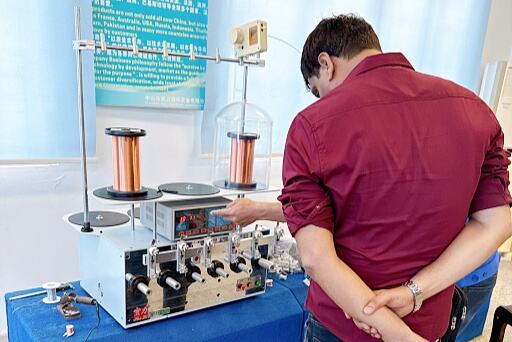
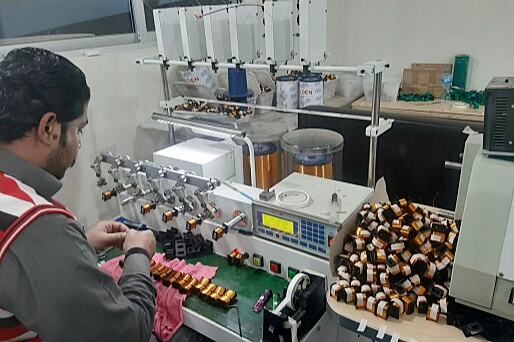
A wire bobbin winding machine represents a sophisticated piece of industrial equipment designed to automate the process of winding wire onto bobbins, spools, or coils with exceptional precision and efficiency. This advanced machinery serves as the backbone of numerous manufacturing operations across diverse industries, from electronics and telecommunications to automotive and aerospace sectors. The primary function of a wire bobbin winding machine centers on controlling the tension, speed, and layering pattern of wire as it wraps around cylindrical cores, ensuring consistent quality and optimal performance in the final product. Modern wire bobbin winding machines incorporate cutting-edge technological features including programmable logic controllers, servo motor systems, and computer-controlled tension management systems that deliver unparalleled accuracy in wire placement and bobbin formation. These machines typically feature adjustable winding speeds ranging from slow precision applications to high-speed production runs, accommodating various wire gauges from ultra-fine conductors to heavy-duty cables. The technological architecture includes sophisticated sensing systems that monitor wire breaks, detect improper tension levels, and automatically adjust parameters to maintain product consistency throughout the winding process. Wire bobbin winding machines find extensive applications in transformer manufacturing, where precise coil winding is critical for electrical performance and safety standards. The telecommunications industry relies heavily on these machines for producing fiber optic cable spools and copper wire assemblies used in network infrastructure. Automotive manufacturers utilize wire bobbin winding machines for creating ignition coils, sensor assemblies, and various electrical components that require exact specifications and reliable performance. The aerospace sector depends on these machines for producing specialized wiring harnesses and electromagnetic components that must meet stringent quality requirements. Additionally, consumer electronics manufacturers employ wire bobbin winding machines for creating inductors, transformers, and motor windings used in everything from smartphones to household appliances, making this equipment indispensable for modern manufacturing operations.

New Products

Wire bobbin winding machines deliver substantial productivity improvements that transform manufacturing operations by dramatically reducing production time while maintaining superior quality standards. These automated systems operate continuously with minimal human intervention, enabling manufacturers to achieve consistent output levels that would be impossible through manual winding processes. The precision control mechanisms built into modern wire bobbin winding machines eliminate human error and variability, resulting in products that meet exact specifications every time. This consistency translates directly into reduced waste, lower rejection rates, and improved customer satisfaction across all production runs. Cost reduction represents another significant advantage as wire bobbin winding machines minimize labor requirements while maximizing throughput, allowing companies to reallocate human resources to higher-value activities that require specialized skills and decision-making capabilities. The automated nature of these machines reduces workplace injuries associated with repetitive manual tasks, creating safer working environments while simultaneously lowering insurance costs and compliance-related expenses. Quality enhancement through precise tension control ensures that each layer of wire maintains optimal spacing and alignment, preventing issues such as cross-winding, uneven tension distribution, and premature wire failure that can compromise product performance. Advanced monitoring systems integrated into wire bobbin winding machines provide real-time feedback on production parameters, enabling immediate adjustments when deviations occur and maintaining consistent quality throughout extended production runs. Flexibility stands out as a crucial advantage because modern wire bobbin winding machines accommodate various wire types, bobbin sizes, and winding patterns without requiring extensive reconfiguration or additional equipment investments. This adaptability allows manufacturers to respond quickly to changing market demands and customer specifications while maintaining efficient production schedules. The digital control systems found in contemporary wire bobbin winding machines store multiple program settings, enabling rapid changeovers between different products and reducing setup time significantly compared to manual processes. Energy efficiency improvements achieved through optimized motor control and intelligent power management systems contribute to lower operating costs while supporting environmental sustainability initiatives. Data collection capabilities built into these machines provide valuable insights into production trends, maintenance requirements, and optimization opportunities that help manufacturers make informed decisions about capacity planning and process improvements. The reliability of modern wire bobbin winding machines minimizes unplanned downtime and maintenance interruptions, ensuring consistent production schedules that meet delivery commitments and maintain customer relationships.

Practical Tips

Solve Solenoid Valve Coil Production Pain Points for India | Easy Operation Guide

05

Feb

Solve Solenoid Valve Coil Production Pain Points for India | Easy Operation Guide

View More
Bangladesh Client Raves: Efficiency + Stable Quality

05

Feb

Bangladesh Client Raves: Efficiency + Stable Quality

View More
Turkey Full Container Shipment: Rave Reviews & Repeat Orders

05

Feb

Turkey Full Container Shipment: Rave Reviews & Repeat Orders

View More

Get a Free Quote

Our representative will contact you soon.
Email
Name
Company Name
Message
0/1000

wire bobbin winding machine

Advanced Precision Control System

Advanced Precision Control System

The sophisticated precision control system represents the technological heart of modern wire bobbin winding machines, incorporating state-of-the-art servo motors, encoders, and programmable controllers that work together to achieve unprecedented accuracy in wire placement and tension management. This advanced system utilizes closed-loop feedback mechanisms that continuously monitor and adjust winding parameters in real-time, ensuring that each turn of wire maintains optimal positioning and consistent tension throughout the entire bobbin formation process. The precision control system features multiple tension zones that can be independently adjusted to accommodate different wire characteristics and winding requirements, allowing manufacturers to optimize performance for various applications ranging from delicate fiber optic assemblies to robust power transmission components. Programmable memory functions store hundreds of different winding patterns and parameter sets, enabling operators to quickly switch between products without manual recalibration or complex setup procedures. The control interface provides intuitive touchscreen operation with graphical displays that show real-time production data, allowing operators to monitor critical parameters such as wire speed, tension levels, bobbin fill percentages, and layer progression throughout the winding cycle. Advanced diagnostics capabilities built into the precision control system continuously analyze machine performance and alert operators to potential issues before they impact production quality, reducing downtime and preventing costly material waste. The system incorporates automatic wire break detection that immediately stops the winding process when interruptions occur, protecting both the equipment and the partially completed bobbin from damage while enabling quick restart procedures once the issue is resolved. Customizable winding algorithms allow manufacturers to create specialized patterns that optimize electrical performance for specific applications, such as transformer coils that require precise layer transitions or inductor windings that need controlled spacing for optimal magnetic field distribution. The precision control system also features adaptive learning capabilities that analyze production data to identify optimization opportunities and automatically adjust parameters to improve quality and efficiency over time. Integration capabilities enable seamless connectivity with factory automation systems and quality management databases, supporting comprehensive production tracking and traceability requirements that are essential for industries with strict regulatory compliance standards.
Versatile Multi-Wire Capability

Versatile Multi-Wire Capability

The versatile multi-wire capability of modern wire bobbin winding machines enables simultaneous processing of multiple wire strands, dramatically increasing production efficiency while maintaining individual control over each wire's tension, speed, and positioning parameters. This advanced functionality allows manufacturers to create complex winding configurations that would be extremely difficult or impossible to achieve through single-wire processes, opening new possibilities for innovative product designs and enhanced electrical performance characteristics. The multi-wire system incorporates independent tension control mechanisms for each strand, ensuring that variations in wire properties or supply reel conditions do not affect the uniformity of the final bobbin assembly. Advanced wire guides and distribution systems maintain precise spacing between multiple wires throughout the winding process, preventing tangling, crossing, or uneven distribution that could compromise product quality or create manufacturing defects. The capability extends beyond simple parallel winding to include sophisticated interlacing patterns, twisted pair configurations, and layered arrangements that optimize electromagnetic properties for specific applications such as high-frequency transformers or noise-resistant communication cables. Automatic wire threading systems reduce setup time and minimize operator intervention when changing wire types or starting new production runs, while built-in splice detection ensures that joints between wire segments meet quality standards without interrupting the continuous winding process. The multi-wire capability supports various wire combinations within a single bobbin, enabling manufacturers to create hybrid assemblies that incorporate different conductor materials, insulation types, or gauge specifications according to specific electrical or mechanical requirements. Color coding systems and wire identification features help operators manage complex multi-wire setups while maintaining accurate documentation and traceability throughout the production process. The system accommodates wire gauges ranging from ultra-fine magnet wire used in precision instruments to heavy-duty conductors employed in power distribution applications, providing exceptional flexibility for diverse manufacturing requirements. Programmable wire sequence controls allow for predetermined wire changes during the winding cycle, enabling the creation of bobbins with varying electrical characteristics along their length or specialized tap configurations required for certain transformer applications. Quality monitoring systems track each individual wire strand throughout the winding process, identifying potential issues such as tension variations, diameter inconsistencies, or insulation damage before they impact the finished product, ensuring that multi-wire assemblies meet stringent quality standards consistently.
Intelligent Automated Operation

Intelligent Automated Operation

The intelligent automated operation capabilities of modern wire bobbin winding machines represent a quantum leap in manufacturing technology, incorporating artificial intelligence, machine learning algorithms, and predictive analytics that optimize production processes while minimizing human intervention and maximizing overall equipment effectiveness. This sophisticated automation system continuously analyzes production data, environmental conditions, and material characteristics to make real-time adjustments that maintain optimal performance parameters throughout extended production runs. The intelligent system features adaptive algorithms that learn from historical production data and operator inputs to identify patterns and optimize winding parameters automatically, reducing setup time and improving consistency across different product types and manufacturing conditions. Advanced sensors throughout the machine monitor critical variables such as wire tension, bobbin alignment, motor performance, and environmental factors like temperature and humidity, feeding this information into the central processing system for analysis and automatic adjustment. Predictive maintenance capabilities analyze machine performance trends and component wear patterns to schedule maintenance activities proactively, preventing unexpected downdowns and extending equipment life while maintaining peak performance levels. The automated operation system includes comprehensive error detection and recovery procedures that identify potential issues early in the process and implement corrective actions without operator intervention, significantly reducing material waste and production interruptions. Quality assurance functions integrated into the automation system perform continuous monitoring and testing throughout the winding process, automatically rejecting defective products and adjusting parameters to prevent similar issues in subsequent production cycles. The intelligent system maintains detailed production records and generates comprehensive reports that provide insights into productivity trends, quality metrics, and optimization opportunities, supporting continuous improvement initiatives and regulatory compliance requirements. Remote monitoring capabilities enable operators and maintenance personnel to access machine status and performance data from anywhere in the facility or even offsite locations, facilitating rapid response to issues and enabling centralized management of multiple production lines. The automation system supports seamless integration with enterprise resource planning systems and manufacturing execution software, enabling real-time production scheduling, inventory management, and quality tracking that optimize overall manufacturing operations. Voice recognition and natural language processing capabilities allow operators to interact with the system using spoken commands, improving accessibility and reducing the learning curve for new personnel while maintaining safety and security protocols throughout the production environment.
Get a Free Quote

Our representative will contact you soon.
Email
Name
Company Name
Message
0/1000
Newsletter
Please Leave A Message With Us