 EN


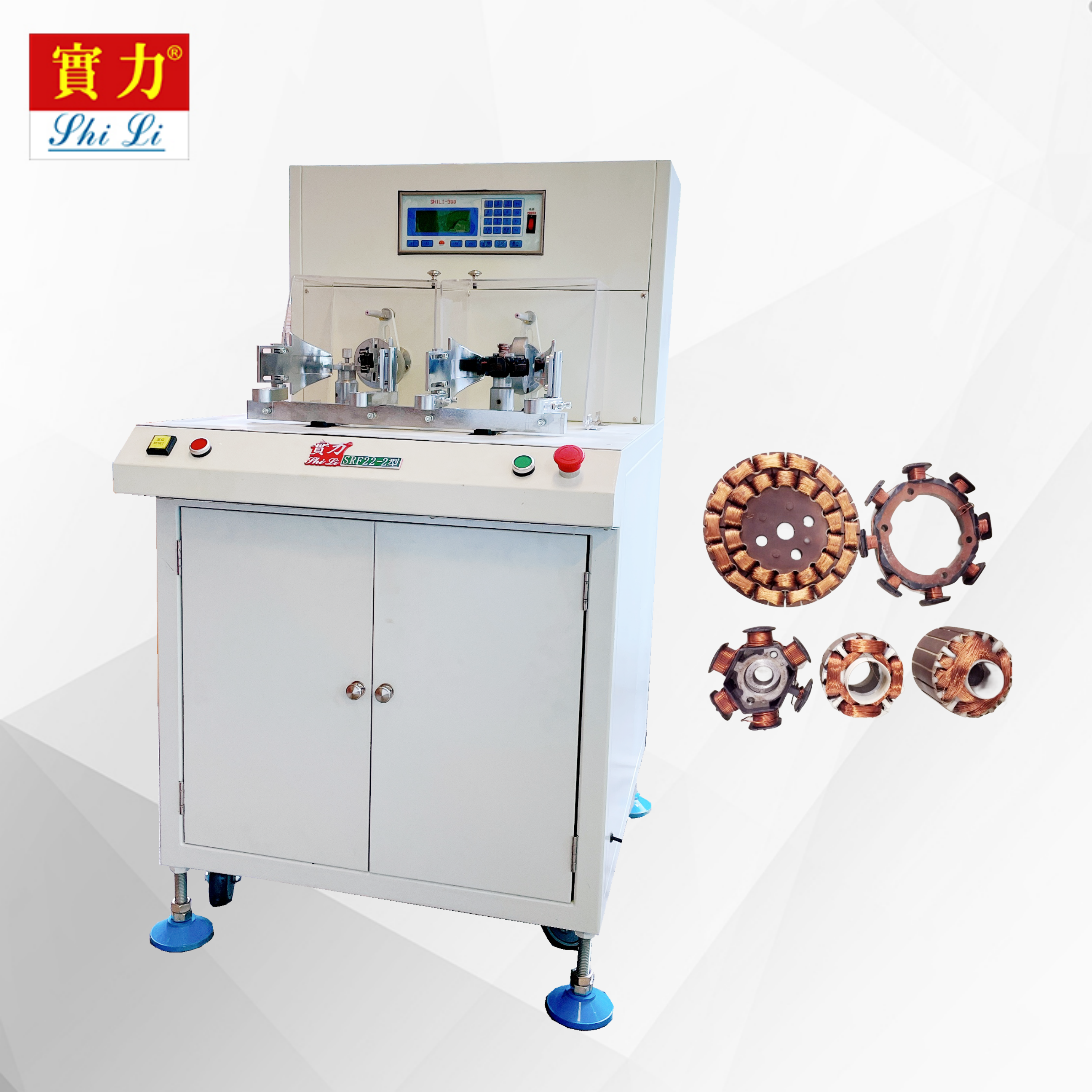
A well-maintained ceiling fan winding machine is the backbone of reliable motor production and coil assembly operations. Understanding what maintenance plan extends the life of a ceiling fan winding machine directly impacts production efficiency, product quality, and overall equipment longevity. Manufacturers and repair shops that invest in structured preventive maintenance routines see dramatically reduced downtime and extended equipment lifespan, making maintenance planning essential for competitive operations in the electric motor industry.
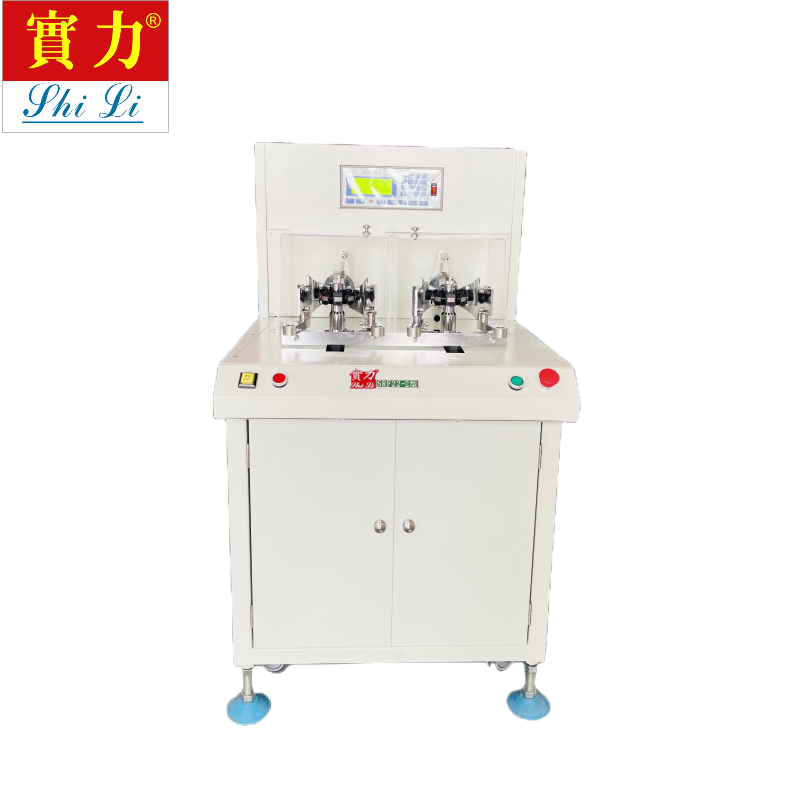
The lifespan of any industrial ceiling fan winding machine depends on multiple factors including operational intensity, environmental conditions, component quality, and adherence to a comprehensive maintenance schedule. Without a systematic approach, even premium ceiling fan winding machine equipment can deteriorate rapidly, leading to costly repairs, production interruptions, and quality inconsistencies. This guide outlines the critical elements of a maintenance plan that truly extends the operational life of your ceiling fan winding machine and protects your investment.
Daily and Weekly Maintenance Routines
Visual Inspection and Cleaning
Every morning before operating your ceiling fan winding machine, conduct a visual inspection of the equipment frame, spindles, and winding guides. Check for any visible debris, dust accumulation, or loose fasteners that could interfere with precision winding. Dust and lint are natural byproducts of winding operations, and they accumulate on motor components, cooling fins, and electrical connectors. A simple compressed air cleaning routine removes these particles before they cause overheating or electrical issues. Daily cleaning of the ceiling fan winding machine work area prevents foreign materials from contaminating the winding process and keeps the machine operating at peak efficiency.
Lubrication and Component Movement
Proper lubrication is a cornerstone of any ceiling fan winding machine maintenance plan. Check that all moving parts—spindle bearings, carriage slides, and guide rails—receive appropriate lubrication without over-application. Excess lubricant attracts dust and can cause jamming, while insufficient lubrication creates friction and accelerated wear. Weekly inspection of bearing play and spindle rotation ensures smooth operation of your ceiling fan winding machine. Use manufacturer-recommended lubricants specifically formulated for precision machinery; generic oils may not provide adequate protection or may contain additives that damage specialized components in your ceiling fan winding machine.
Monthly and Quarterly Inspections
Electrical System and Control Components
The electrical integrity of a ceiling fan winding machine directly determines its reliability and safety. Monthly inspections should include checking all electrical connectors for corrosion, loose contacts, or burn marks that indicate arcing. Test the emergency stop button and all safety interlocks to ensure they function correctly. Examine motor leads, sensor connections, and power distribution panels for any signs of wear or environmental damage. A ceiling fan winding machine with compromised electrical systems risks sudden failure, product defects, or safety hazards. Quarterly thermographic scans of electrical connections can identify hotspots before they become critical failures, protecting both the equipment and your operation.
Mechanical Alignment and Tension Verification
Spindle alignment and winding tension are fundamental to consistent output quality from your ceiling fan winding machine. Over three months of operation, vibration and thermal cycling can shift component alignment slightly. Monthly alignment checks using precision gauges ensure that spindles remain parallel and centered, preventing uneven winding that degrades motor performance. Verify that tension controllers on your ceiling fan winding machine maintain consistent wire tension throughout the production run. Misalignment not only reduces product quality but also increases stress on bearings and drive systems, shortening the functional life of your ceiling fan winding machine significantly.
Semi-Annual and Annual Maintenance Activities
Deep Cleaning and Component Replacement
Every six months, your ceiling fan winding machine warrants a comprehensive deep cleaning where protective covers are removed, internal passages are cleared of accumulated dust, and cooling systems are thoroughly cleaned. This semi-annual maintenance reveals wear patterns and component degradation that daily inspection may miss. Inspect brake pads, clutch surfaces, and tension springs for wear and replace them if they show signs of deterioration. A well-executed semi-annual service on your ceiling fan winding machine typically costs far less than addressing failures caused by deferred maintenance. Annual complete disassembly and inspection of critical assemblies such as spindle bearing cartridges, drive belts, and control circuits ensures your ceiling fan winding machine maintains design specifications.
Calibration, Testing, and Performance Documentation
Annual maintenance of a ceiling fan winding machine must include full calibration of all sensors, tension controllers, and speed regulators against certified standards. Document baseline performance metrics such as spindle runout, winding pitch accuracy, and electrical resistance across all circuits. These records establish a performance baseline and help identify gradual degradation trends over time. Schedule preventive replacement of high-wear consumables such as carbon brushes, drive belts, and guide bushings before they fail. A proactive approach to annual maintenance of your ceiling fan winding machine prevents unexpected breakdowns during critical production periods and maintains warranty coverage if applicable.
Environmental and Operational Best Practices
Environmental Control and Facility Maintenance
The operating environment surrounding your ceiling fan winding machine significantly impacts its longevity. Maintain stable temperature conditions between 15–25 degrees Celsius and relative humidity between 40–60 percent, as extreme fluctuations cause thermal expansion and contraction that stresses components. Install air filtration systems in the production area to minimize airborne contaminants that can infiltrate your ceiling fan winding machine and cause abrasive wear. Provide adequate ventilation to dissipate heat generated during extended production runs. A stable, clean facility extends the service life of your ceiling fan winding machine and improves product consistency simultaneously.
Operator Training and Usage Protocols
Operator behavior directly influences how long your ceiling fan winding machine performs reliably. Comprehensive training ensures that operators understand proper startup sequences, loading procedures, speed adjustment protocols, and emergency protocols. Prohibit unauthorized modifications, improper speed adjustments, or operation outside design parameters. Establish a shift log where operators document any unusual sounds, vibrations, temperature changes, or performance irregularities on the ceiling fan winding machine. Early detection of problems through operator awareness prevents small issues from escalating into major failures. A culture of respect for equipment maintenance extends the useful life of your ceiling fan winding machine far beyond industry averages.
FAQ
How often should I replace bearings in a ceiling fan winding machine?
Bearing lifespan depends on operational load, lubrication quality, and environmental conditions. Most precision spindle bearings in a ceiling fan winding machine last 12–24 months under normal production rates. Conduct quarterly bearing play tests and replace bearings when radial or axial runout exceeds manufacturer specifications, typically before scheduled annual maintenance. Predictive monitoring using vibration analysis can extend bearing life by identifying lubrication degradation early.
What is the most important preventive maintenance task for a ceiling fan winding machine?
Daily lubrication and spindle alignment verification are equally critical. Inadequate lubrication causes accelerated bearing wear and spindle damage, while misalignment creates uneven stress and poor winding quality. A comprehensive maintenance plan addresses both through daily checks and monthly verification. The second most important task is maintaining a clean operating environment, as contamination infiltrates bearings and electrical components, reducing their functional life significantly.
Can proper maintenance truly extend the life of a ceiling fan winding machine?
Yes, documented maintenance practices can extend the operational lifespan by 30–50 percent compared to equipment receiving only reactive repairs. Facilities implementing structured preventive maintenance plans report that their ceiling fan winding machine equipment operates reliably for 15–20 years, whereas unmaintained equipment typically fails within 5–8 years. The investment in preventive maintenance returns value through reduced downtime, lower repair costs, and consistent product quality throughout the equipment's lifespan.