 EN


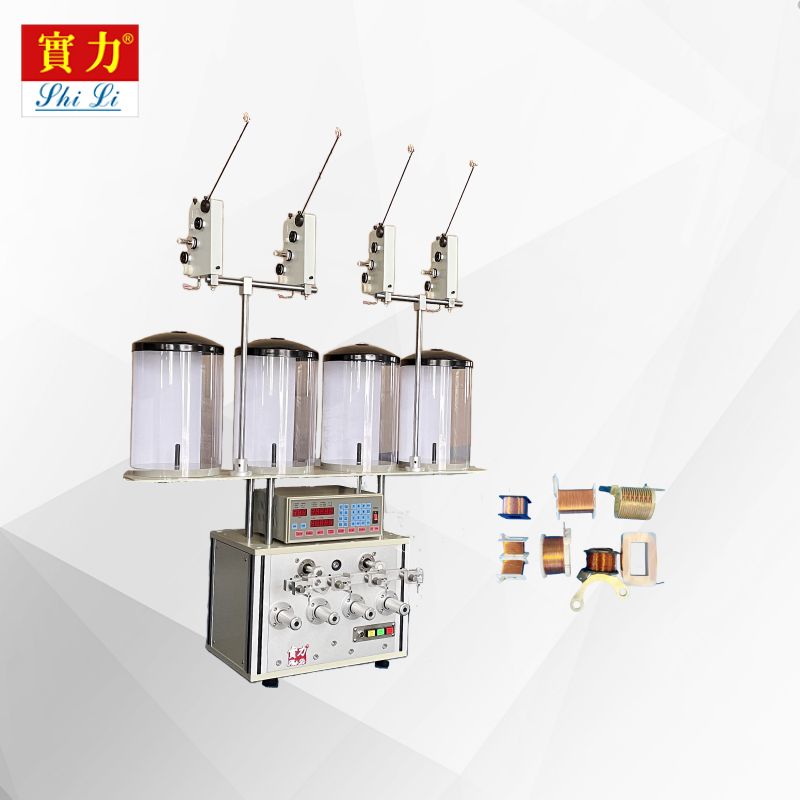
Choosing the right automatic coil winding machine is one of the most critical decisions for manufacturers operating in high-volume production environments. The automatic coil winding machine you select will directly impact your production capacity, product quality, and overall operational efficiency. With so many options available in the market today, understanding the key factors that differentiate one automatic coil winding machine from another is essential for making an informed investment decision.
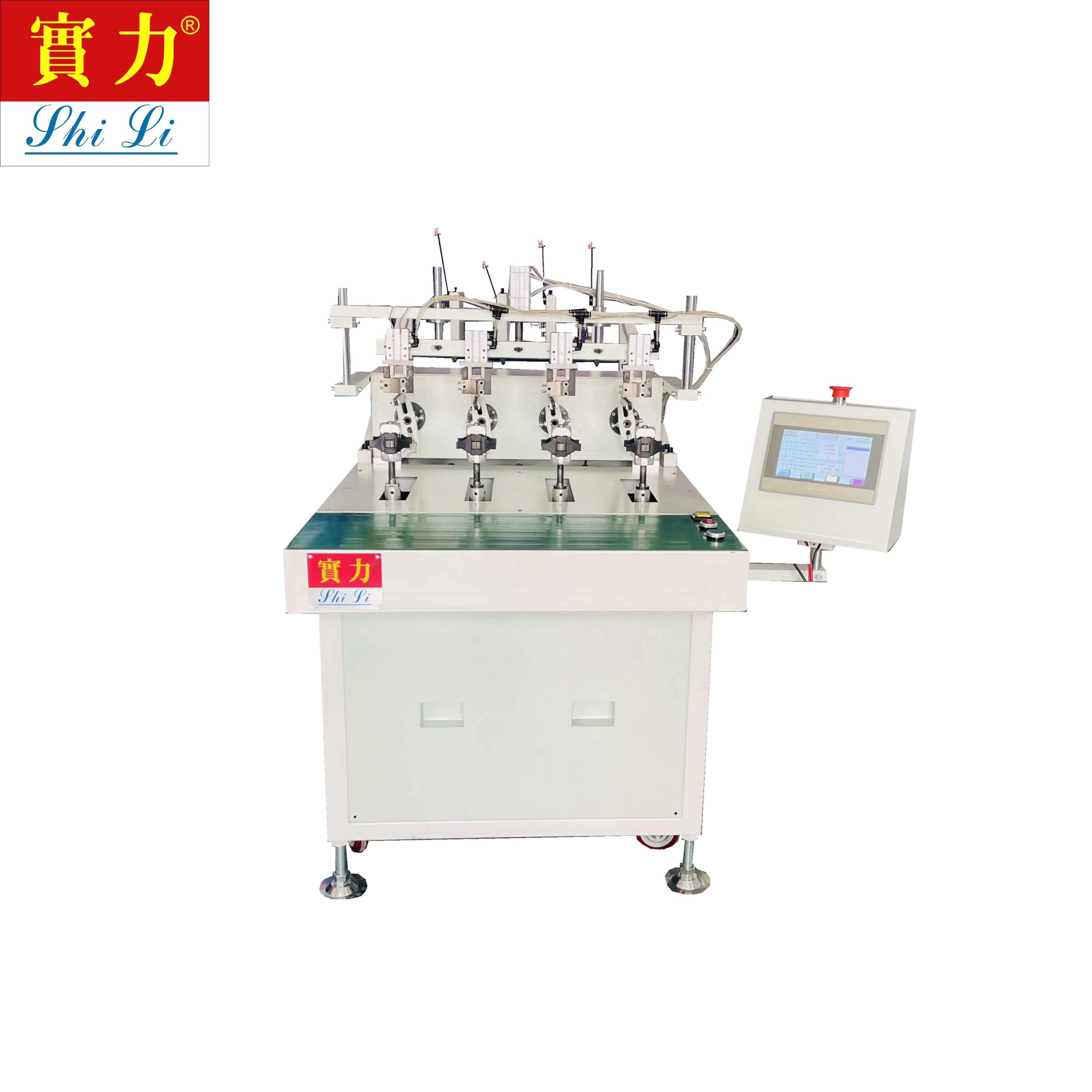
An automatic coil winding machine designed for high-volume production must balance speed, precision, reliability, and adaptability to different wire gauges and coil specifications. The right machine will scale with your production demands, minimize downtime, and maintain consistent quality across thousands of units. This guide walks you through the essential selection criteria to help you identify an automatic coil winding machine that aligns with your specific production requirements and long-term business goals.
Understanding Core Performance Specifications
Production Speed and Throughput Capacity
The winding speed of an automatic coil winding machine is measured in turns per minute or coils per minute, depending on the machine design. For high-volume production, you need an automatic coil winding machine capable of meeting your daily output targets without bottlenecks. A machine running at 2,000 to 5,000 coils per day might be adequate for small-scale operations, but high-volume manufacturers typically require machines that exceed 10,000 units daily. Evaluating the actual achievable speed under real production conditions—accounting for material changes, quality checks, and routine maintenance—is crucial before committing to an automatic coil winding machine purchase.
Precision and Consistency Standards
An automatic coil winding machine must deliver uniform coil dimensions, wire tension, and winding density across every unit produced. Precision directly affects how well your coils perform in their intended applications, whether in motors, transformers, or inductors. Look for an automatic coil winding machine equipped with closed-loop feedback systems, real-time monitoring sensors, and programmable tension control. Machines with CNC controllers provide superior repeatability compared to older mechanical designs. The consistency of an automatic coil winding machine determines whether you can maintain tight tolerance specifications required by your customers and reduce scrap rates in downstream assembly processes.
Evaluating Flexibility and Adaptability
Wire Gauge and Coil Size Range
High-volume manufacturers rarely work with a single wire gauge or coil specification. Your automatic coil winding machine must handle the range of wire sizes, diameters, and coil configurations your production schedule requires. A versatile automatic coil winding machine allows quick setup changes between different coil types without extensive mechanical adjustments. Some machines feature modular spindle designs that enable rapid changeovers, while others require manual reconfiguration. Assess how your automatic coil winding machine handles the breadth of your product portfolio, as frequent setup changes directly impact machine utilization and labor costs in high-volume environments.
Programming and Setup Time
Modern automatic coil winding machine systems include intuitive software interfaces where operators input winding parameters without extensive technical knowledge. The ability to save and retrieve coil programs accelerates changeovers when switching between orders. An automatic coil winding machine with minimal setup time per product change becomes increasingly valuable as you scale production volumes. Evaluate whether the machine's control system supports multiple simultaneous programs or requires sequential loading. For high-volume production, an automatic coil winding machine that minimizes downtime between jobs directly translates to higher overall equipment effectiveness and faster order fulfillment.
Reliability, Support, and Total Cost of Ownership
Uptime and Maintenance Requirements
In high-volume production, unplanned downtime on your automatic coil winding machine is exceptionally costly. Machines built with robust construction, sealed bearings, and industrial-grade components typically achieve higher uptime rates. Evaluate the mean time between failures for candidate automatic coil winding machine models and understand the preventive maintenance schedule required to sustain reliability. Some machines require quarterly spindle service, while others offer extended intervals. An automatic coil winding machine designed for continuous operation with minimal interventions reduces your labor overhead and keeps production lines running consistently.
Technical Support and Spare Parts Availability
The supplier's responsiveness and spare parts inventory directly affect how quickly you can resolve issues with your automatic coil winding machine. Manufacturers offering local technical support, readily available replacement components, and comprehensive warranty coverage provide greater peace of mind for high-volume operations. When evaluating an automatic coil winding machine vendor, request their standard response time for service calls and verify that critical spare parts are stocked or available within 24 to 48 hours. The total cost of ownership for an automatic coil winding machine extends beyond the initial purchase price to include maintenance, support, and downtime risks over its operational lifetime.
Selection Framework for High-Volume Environments
Matching Machine Capacity to Production Demand
Begin by calculating your actual production demand in coils per shift, accounting for realistic machine utilization rates of 75 to 85 percent. Select an automatic coil winding machine with capacity that comfortably exceeds your peak demand rather than just meeting minimum requirements. This headroom allows your automatic coil winding machine to accommodate future growth, handle product mix variations, and maintain consistent delivery times without overtime pressure. An undersized automatic coil winding machine creates bottlenecks that ripple through your supply chain, while an oversized machine incurs unnecessary capital expense and operational costs.
Operator Skill and Training Requirements
The complexity of your automatic coil winding machine directly impacts the skill level required from operators and maintenance personnel. User-friendly interfaces reduce training time and lower the risk of operator error, which becomes increasingly important in high-volume settings where mistakes multiply rapidly. Assess the machine vendor's training program and ongoing support documentation. Some automatic coil winding machine suppliers offer remote monitoring and troubleshooting capabilities that reduce dependency on highly specialized local technicians. Consider how the automatic coil winding machine integrates with your existing workforce capabilities and organizational structure.
FAQ
What wire sizes can an automatic coil winding machine handle?
Most industrial automatic coil winding machine systems handle wire gauges from 0.1 mm to 2.5 mm in diameter, though specialized models support even larger or smaller wire. The wire gauge capacity determines which industries and applications your automatic coil winding machine can serve. Always verify that your specific wire gauge requirements fall within the automatic coil winding machine's rated operating range before making a purchase commitment.
How often does an automatic coil winding machine require maintenance?
Typical maintenance for an automatic coil winding machine includes daily cleaning, weekly tension system checks, and quarterly spindle service or bearing inspection. The exact maintenance schedule depends on machine design, production volume, and environmental conditions. Consult your automatic coil winding machine manufacturer's maintenance manual and plan labor resources accordingly to prevent unplanned downtime in high-volume production environments.
Can an automatic coil winding machine be integrated with other production systems?
Modern automatic coil winding machine models support integration with automated material handling, quality inspection systems, and production management software through standard industrial interfaces. This integration capability allows your automatic coil winding machine to function as part of a larger automated production line, improving overall system efficiency and data visibility for high-volume manufacturers.