 EN
EN


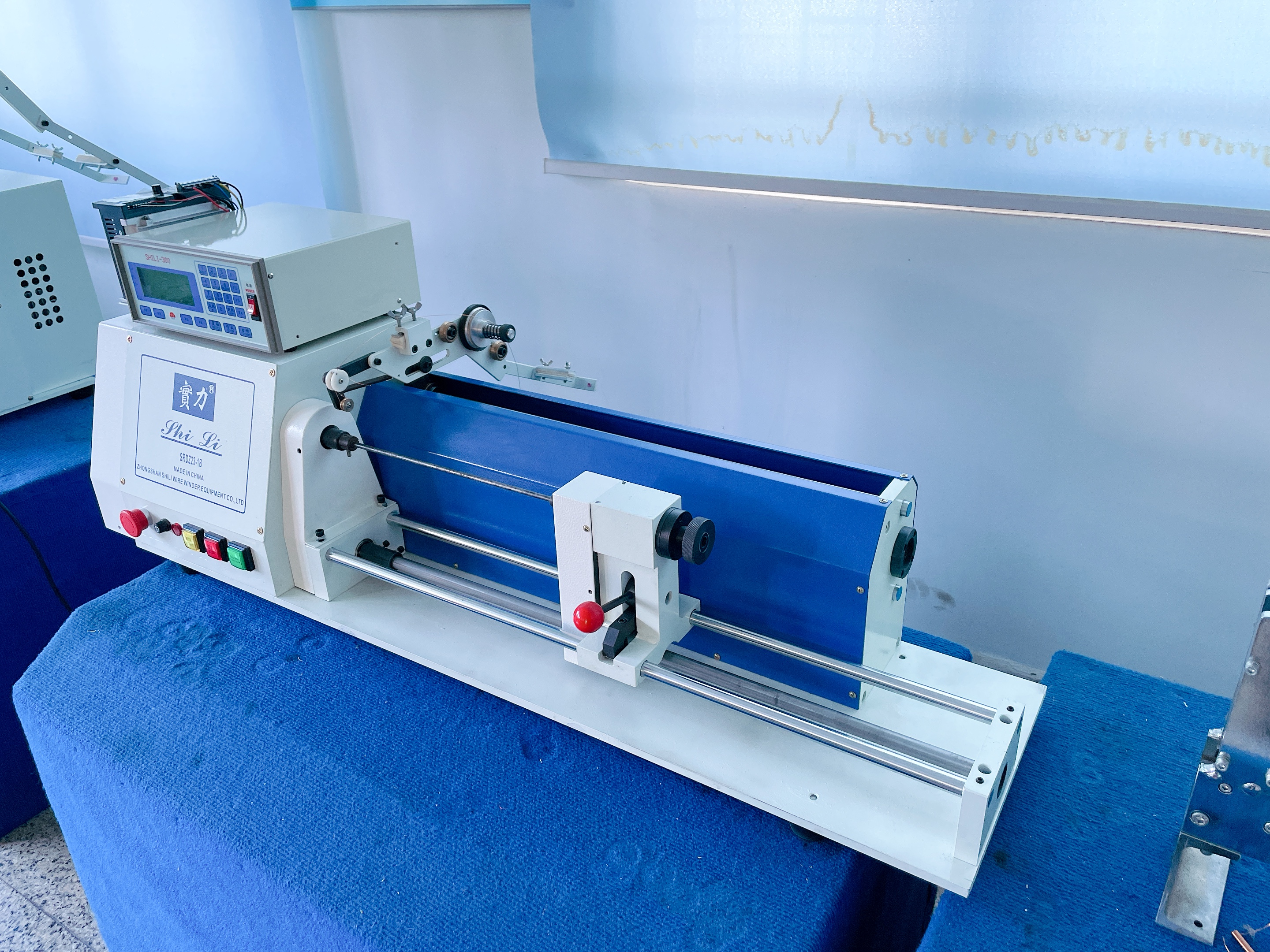
Spool geometry represents one of the most critical design parameters for optimizing fishing line winding machine performance. The dimensional characteristics of spools directly influence winding quality, line distribution accuracy, and production efficiency in fishing line manufacturing operations. Understanding the relationship between spool design and fishing line winding machine capabilities enables manufacturers to achieve consistent line tension, proper layer formation, and optimal fill patterns that meet stringent quality standards in competitive fishing line markets.
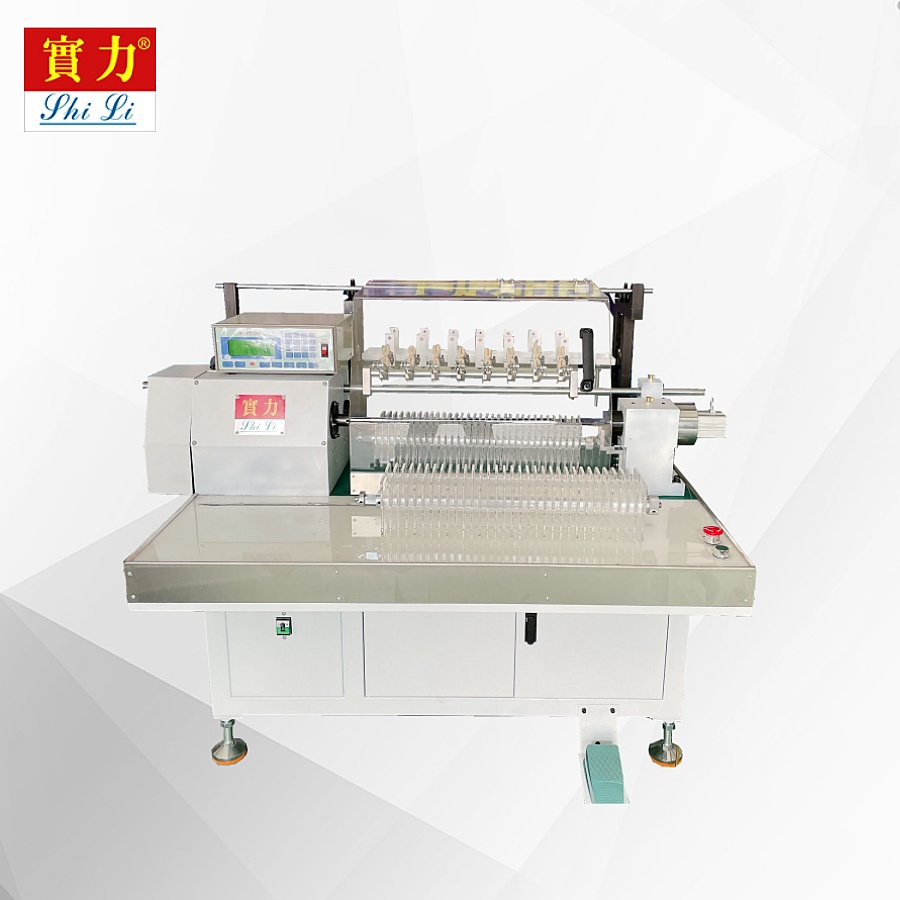
The selection of appropriate spool geometry requires careful consideration of multiple factors including line diameter variations, target capacity requirements, and the specific fishing line winding machine configuration employed in production. Modern manufacturing demands precise control over winding parameters, making spool geometry optimization essential for maintaining consistent product quality across different line types and weights. This geometric compatibility ensures that fishing line winding operations achieve maximum throughput while preserving the mechanical properties and performance characteristics that define premium fishing line products.
Core Dimensional Parameters for Optimal Spool Design
Diameter Specifications and Their Impact
The core diameter of spools used in fishing line winding machine applications typically ranges from 15mm to 35mm, depending on the target line capacity and intended fishing applications. Smaller core diameters work effectively for light monofilament lines where minimal memory effect is desired, while larger cores provide better structural support for heavy braided lines that require substantial backing capacity. The fishing line winding machine must accommodate these diameter variations through adjustable chuck systems that maintain consistent centering throughout the winding process.
Flange diameter represents another critical dimension that directly affects winding performance and line protection. Standard configurations utilize flange diameters between 50mm and 120mm, with the optimal size determined by the fishing line winding machine traverse mechanism and the desired line capacity. Larger flange diameters enable higher line volumes but require more robust traverse systems to maintain uniform distribution across the extended spool width.
Length and Capacity Relationships
Spool length determines the available winding area and directly influences the fishing line winding machine traverse programming requirements. Common spool lengths range from 20mm for compact spinning reels to 80mm for large capacity fishing applications. The length-to-diameter ratio affects winding stability, with optimal ratios typically falling between 1.5:1 and 3:1 for most fishing line types processed on standard fishing line winding machine configurations.
Capacity calculations must account for line compression factors and the specific fishing line winding machine tension control capabilities. Monofilament lines compress approximately 15-20% under typical winding tensions, while braided lines exhibit less compression but require more precise layer control to prevent irregularities. These characteristics influence spool geometry selection and affect the fishing line winding machine programming parameters needed to achieve target capacities.
Winding Pattern Optimization Through Spool Design
Traverse Rate Compatibility
The relationship between spool geometry and traverse rate determines winding pattern quality in fishing line winding machine operations. Optimal traverse rates depend on spool length and the desired overlap factor, which typically ranges from 0.85 to 0.95 for fishing line applications. Shorter spools require faster traverse rates to maintain proper layer formation, while longer spools allow for slower, more controlled traverse movements that enhance winding precision.
Cross-over angle calculations become critical when optimizing spool geometry for specific fishing line winding machine configurations. The angle formed between consecutive line layers affects both capacity utilization and retrieval performance, with optimal angles typically maintained between 15 and 25 degrees. Spool geometry modifications can influence these angles through changes in flange taper and core diameter relationships.
Layer Formation Control
Proper layer formation requires spool geometry that supports consistent line placement across multiple winding cycles. The fishing line winding machine must maintain uniform tension while accommodating the changing effective diameter as layers accumulate. Spools with slight taper angles of 1-3 degrees can improve layer stability by providing natural compression that prevents line movement during subsequent winding operations.
End cap design within spool geometry significantly affects layer termination and prevents line spillage during high-speed winding operations. Modern fishing line winding machine systems benefit from spool designs that incorporate graduated end cap profiles, which provide smooth transition zones that minimize stress concentrations during direction changes in the traverse mechanism.
Material Compatibility and Surface Treatment Considerations
Surface Finish Requirements
Surface finish quality directly impacts fishing line winding machine performance and line quality retention throughout the winding process. Optimal surface roughness values typically range from 0.4 to 0.8 micrometers Ra, providing sufficient grip to prevent line slippage while minimizing abrasion that could damage delicate fishing line surfaces. Smoother finishes work well with monofilament lines, while slightly rougher surfaces provide better control for slippery braided materials.
Surface treatment options include anodizing for aluminum spools and specialized coatings for steel components used in fishing line winding machine applications. These treatments must maintain dimensional accuracy while providing corrosion resistance and improved surface characteristics. The choice of surface treatment affects both the initial winding performance and the long-term durability of spools under repeated use in production environments.
Thermal Expansion Management
Thermal expansion coefficients of spool materials must align with the operating temperature ranges typical in fishing line winding machine operations. Aluminum spools expand approximately 23 micrometers per meter per degree Celsius, while steel spools expand about 12 micrometers per meter per degree Celsius. These expansion characteristics affect dimensional stability during extended winding runs and influence the fishing line winding machine calibration requirements.
Temperature control becomes particularly important when processing heat-sensitive fishing line materials or operating fishing line winding machine systems at high production speeds. Spool geometry must accommodate thermal expansion without compromising winding accuracy or creating excessive stress on the fishing line during the winding process. Materials with lower thermal expansion coefficients provide more stable platforms for precision winding applications.
Quality Control and Measurement Standards
Dimensional Tolerance Management
Manufacturing tolerances for spool geometry components typically require precision within ±0.05mm for critical dimensions in fishing line winding machine applications. Tighter tolerances ensure consistent performance across multiple spools and prevent variations that could affect winding quality or fishing line winding machine calibration. Key dimensions requiring close tolerance control include core diameter, flange parallelism, and overall length measurements.
Measurement protocols should verify all critical dimensions before spools enter production use in fishing line winding machine systems. Coordinate measuring machines provide the accuracy needed to verify complex geometric relationships, while simpler gauges can handle routine dimensional checks. Regular verification ensures that spool geometry remains within acceptable limits throughout the production lifecycle.
Performance Validation Methods
Validation testing confirms that spool geometry performs effectively with specific fishing line winding machine configurations and line types. Test procedures typically include capacity verification, winding pattern analysis, and line tension monitoring across complete winding cycles. These tests identify potential issues before full production implementation and provide data for optimizing fishing line winding machine parameters.
Long-term performance monitoring tracks spool geometry stability under repeated use conditions typical in fishing line winding machine operations. Dimensional drift analysis helps predict maintenance requirements and identifies opportunities for geometry optimization based on actual production experience. This data supports continuous improvement efforts and ensures consistent quality in fishing line manufacturing operations.
FAQ
What core diameter works best for different fishing line types in winding machine applications?
Monofilament fishing lines typically perform best with core diameters between 15mm and 25mm to minimize memory effects, while braided lines can accommodate larger core diameters up to 35mm. The fishing line winding machine tension control system must adjust accordingly to maintain proper line characteristics during the winding process.
How does spool length affect winding quality in fishing line manufacturing?
Spool length directly influences the fishing line winding machine traverse rate requirements and affects layer formation quality. Optimal length-to-diameter ratios between 1.5:1 and 3:1 provide the best balance of capacity and winding stability for most fishing line applications processed on modern winding equipment.
What surface finish specifications are required for optimal fishing line winding performance?
Surface roughness values between 0.4 and 0.8 micrometers Ra provide optimal grip without causing line damage in fishing line winding machine operations. The specific finish should match the line type, with smoother surfaces for monofilament and slightly rougher surfaces for braided fishing lines.
How do thermal expansion properties of spool materials affect winding accuracy?
Thermal expansion differences between spool materials can affect dimensional stability during extended fishing line winding machine operations. Steel spools offer better dimensional stability with 12 micrometers per meter per degree expansion compared to aluminum at 23 micrometers, making material selection important for precision applications.
Table of Contents
- Core Dimensional Parameters for Optimal Spool Design
- Winding Pattern Optimization Through Spool Design
- Material Compatibility and Surface Treatment Considerations
- Quality Control and Measurement Standards
-
FAQ
- What core diameter works best for different fishing line types in winding machine applications?
- How does spool length affect winding quality in fishing line manufacturing?
- What surface finish specifications are required for optimal fishing line winding performance?
- How do thermal expansion properties of spool materials affect winding accuracy?