 EN
EN


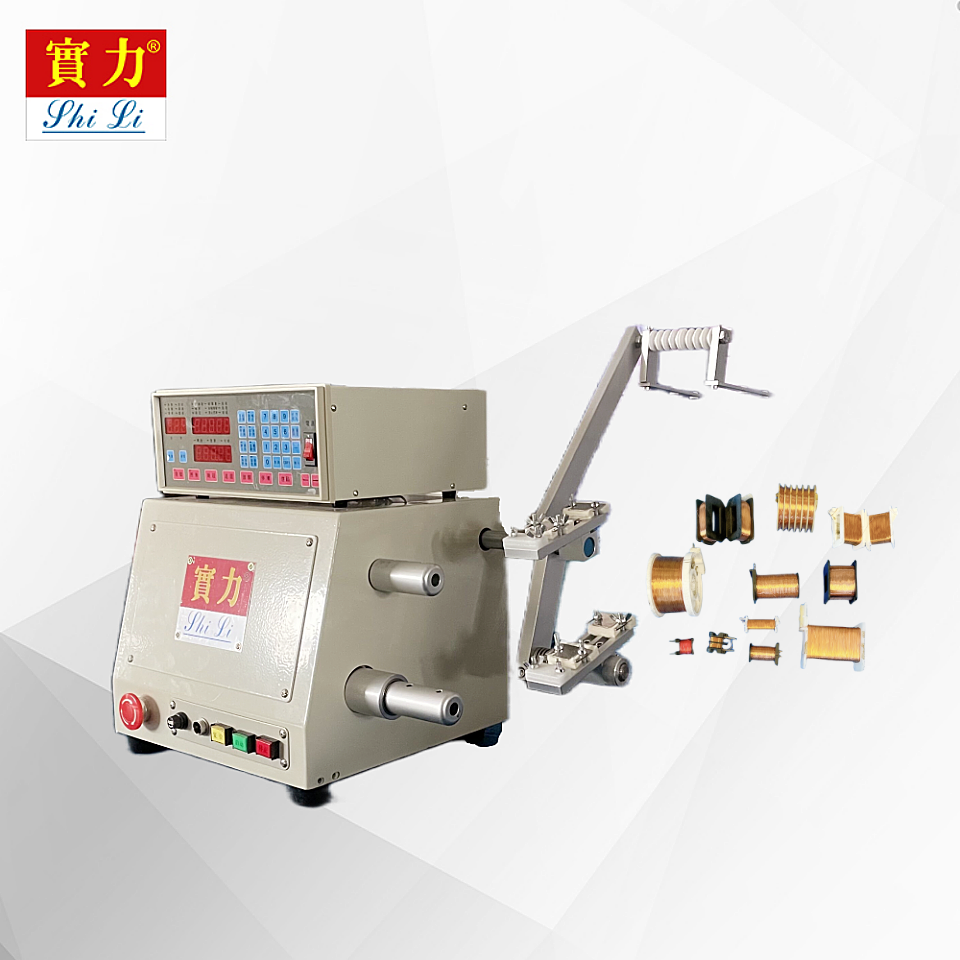
Selecting the optimal tensioner type for your bobbin winding machine directly impacts production quality, operational efficiency, and thread consistency across manufacturing runs. The choice between magnetic, mechanical, and electronic tensioning systems fundamentally determines how well your bobbin winding machine maintains uniform tension throughout the winding process, affecting everything from thread breakage rates to final product specifications.
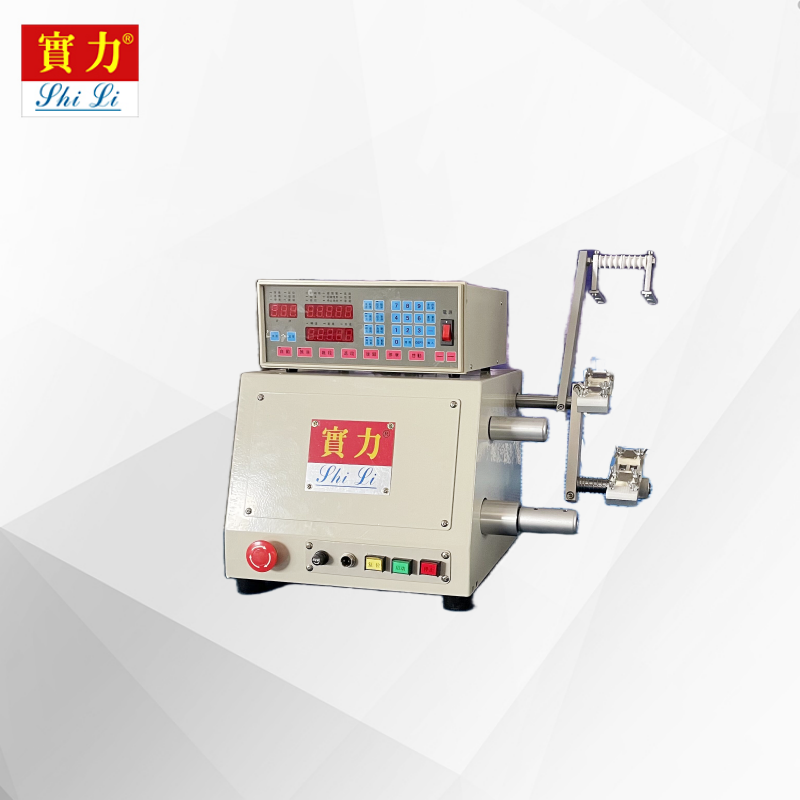
Modern manufacturing demands precise tension control to ensure consistent bobbin quality, minimize material waste, and maintain production throughput. Each tensioner type offers distinct advantages and limitations that must align with your specific application requirements, material characteristics, and production volume expectations to deliver the consistency your bobbin winding machine operations require.
Understanding Tensioner Types for Industrial Bobbin Winding Applications
Magnetic Tensioner Characteristics and Performance Profile
Magnetic tensioners utilize electromagnetic force to create consistent thread tension in bobbin winding machine applications. These systems generate precise, adjustable tension through controlled magnetic fields that interact with the thread path, providing smooth and consistent resistance throughout the winding cycle. The magnetic field strength can be electronically adjusted to accommodate different thread materials and thickness requirements.
The primary advantage of magnetic tensioning lies in its ability to maintain constant tension regardless of thread speed variations or material properties. This consistency makes magnetic tensioners particularly effective for sensitive materials like fine synthetic fibers or delicate natural threads that require gentle handling. The absence of mechanical contact points reduces thread wear and eliminates the friction variations common in mechanical systems.
Magnetic tensioners excel in high-speed bobbin winding machine operations where consistent tension is critical for maintaining uniform winding density. The electronic control allows for precise tension adjustments during operation, enabling operators to optimize settings for different thread materials or winding patterns without stopping production.
Mechanical Tensioner Design and Operational Considerations
Mechanical tensioners employ physical contact methods such as discs, rollers, or guides to create controlled friction that regulates thread tension. These systems rely on adjustable pressure mechanisms that compress thread between contact surfaces, generating the resistance needed to maintain proper tension during the winding process. Spring-loaded mechanisms typically provide the adjustable force that determines tension levels.
The robust construction of mechanical tensioners makes them suitable for heavy-duty bobbin winding machine applications involving thick threads, cables, or industrial materials that require substantial tension control. Their simple design offers reliability and ease of maintenance, with replacement parts readily available and service requirements minimal compared to electronic alternatives.
Mechanical tensioners provide cost-effective tension control for standard bobbin winding machine operations where extreme precision is not critical. However, tension consistency may vary with thread speed changes, material variations, or component wear, requiring periodic adjustment to maintain optimal performance levels throughout production runs.
Electronic Tensioner Advanced Control Capabilities
Electronic tensioners integrate servo motors, feedback sensors, and digital control systems to provide precise, programmable tension management for sophisticated bobbin winding machine applications. These systems continuously monitor thread tension through load cells or strain gauges, automatically adjusting tension levels to maintain predetermined setpoints regardless of operational variables.
The programmable nature of electronic tensioners enables complex tension profiles that can vary throughout the winding cycle, accommodating specific requirements for different bobbin zones or thread characteristics. This capability proves essential for applications requiring graduated tension changes or compensation for material stretch properties during the winding process.
Electronic tensioning systems offer superior consistency for critical bobbin winding machine applications in aerospace, medical, or precision electronics industries where dimensional tolerances and performance specifications demand exceptional control. The ability to store multiple tension programs and recall them automatically enhances production efficiency and reduces setup time between different product runs.
Tension Consistency Requirements Across Different Applications
Thread Material Compatibility and Tension Demands
Different thread materials exhibit varying characteristics that directly influence tensioner selection for bobbin winding machine applications. Natural fibers such as cotton or wool require gentle, consistent tension to prevent fiber damage or breakage, while synthetic materials like polyester or nylon can withstand higher tension levels but demand precise control to maintain dimensional stability.
Metallic threads used in electrical applications present unique challenges due to their conductivity and brittleness characteristics. These materials require tensioning systems that minimize mechanical stress while maintaining consistent electrical properties throughout the winding process. The tensioner choice significantly impacts both the physical integrity and electrical performance of the finished bobbin.
Composite threads combining multiple materials or coated threads with special surface treatments require tensioning systems that accommodate varying friction characteristics and material properties. The tensioner must adapt to these variations while maintaining consistent winding tension to ensure uniform bobbin quality and performance specifications.
Production Speed and Volume Considerations
High-speed bobbin winding machine operations demand tensioning systems capable of responding quickly to speed variations while maintaining consistent thread control. The tensioner must accommodate rapid acceleration and deceleration cycles without introducing tension spikes or variations that could affect winding quality or cause thread breakage.
Production volume requirements influence tensioner selection based on durability expectations and maintenance intervals. High-volume operations require robust tensioning systems that maintain performance consistency over extended periods while minimizing downtime for adjustment or maintenance activities that could disrupt production schedules.
Batch production environments with frequent changeovers between different thread types or specifications benefit from tensioning systems that offer quick adjustment capabilities and programmable settings. The ability to rapidly reconfigure tension parameters reduces setup time and ensures consistent quality across diverse product requirements within the same bobbin winding machine operation.
Performance Evaluation Criteria for Tensioner Selection
Consistency Measurement Parameters
Tension consistency evaluation requires measuring variation coefficients across complete winding cycles to determine how effectively each tensioner type maintains stable thread control. Statistical analysis of tension measurements reveals the standard deviation and peak-to-peak variations that indicate system performance under actual operating conditions within your bobbin winding machine setup.
Response time characteristics determine how quickly tensioning systems adapt to sudden changes in thread speed, material properties, or external disturbances. Faster response times generally correlate with better consistency, particularly in applications where the bobbin winding machine operates at variable speeds or processes materials with varying characteristics.
Long-term stability testing evaluates how well tensioning systems maintain calibration and performance over extended operating periods. This assessment includes drift analysis, wear pattern evaluation, and consistency measurements across thousands of operating cycles to predict real-world performance in production environments.
Operational Reliability and Maintenance Requirements
Reliability assessment involves evaluating failure modes, maintenance intervals, and component longevity for each tensioner type under specific bobbin winding machine operating conditions. This analysis includes examination of wear patterns, calibration drift, and component replacement frequencies to determine total cost of ownership and operational reliability expectations.
Maintenance complexity varies significantly between tensioner types, affecting both scheduled maintenance costs and unplanned downtime risks. Simple mechanical systems may require more frequent adjustments but involve less complex service procedures, while electronic systems may offer longer service intervals but require specialized technical support for repairs or calibration.
Environmental sensitivity factors include temperature stability, humidity effects, and electromagnetic interference susceptibility that could affect tensioner performance in industrial bobbin winding machine installations. Understanding these factors helps predict system reliability and consistency under actual production environment conditions.
Implementation Strategies for Optimal Tensioner Integration
System Integration and Compatibility Assessment
Successful tensioner integration requires comprehensive evaluation of existing bobbin winding machine control systems, communication protocols, and mechanical interfaces. The selected tensioner must seamlessly integrate with current machine architecture while providing necessary performance improvements without requiring extensive modifications to existing equipment.
Control system compatibility ensures that tensioner adjustments can be synchronized with other bobbin winding machine functions such as speed control, threading mechanisms, and quality monitoring systems. Integration capabilities determine whether operators can manage all machine functions through unified interfaces or require separate control systems for tension management.
Mechanical mounting requirements and spatial constraints within existing bobbin winding machine configurations influence tensioner selection and installation complexity. Retrofit applications may require custom mounting solutions or machine modifications to accommodate new tensioning systems while maintaining accessibility for operation and maintenance activities.
Calibration and Optimization Procedures
Initial calibration procedures establish baseline tension settings for specific thread materials and winding requirements within your bobbin winding machine operation. This process involves systematic testing across various operating conditions to determine optimal tension parameters that deliver consistent results while minimizing material stress and breakage risks.
Ongoing optimization requires continuous monitoring of tension performance data and periodic adjustment of system parameters to compensate for component wear, environmental changes, or material variations. Regular calibration verification ensures that tensioning systems maintain accuracy and consistency throughout their operational lifespan.
Documentation of calibration procedures and optimization parameters creates institutional knowledge that supports consistent machine setup, troubleshooting activities, and training programs for operators working with different tensioner configurations across multiple bobbin winding machine installations.
FAQ
How do magnetic tensioners compare to mechanical tensioners for fine thread applications?
Magnetic tensioners provide superior consistency for fine thread applications because they eliminate mechanical contact points that can damage delicate fibers. The contactless magnetic force creates smooth, consistent tension without the friction variations inherent in mechanical systems, making them ideal for sensitive materials in precision bobbin winding machine operations.
What tension consistency tolerances are achievable with electronic tensioning systems?
Electronic tensioning systems typically achieve tension consistency within ±2-5% of setpoint values under normal operating conditions. Advanced systems with closed-loop feedback control can maintain even tighter tolerances of ±1-2% for critical applications, significantly outperforming mechanical systems that may exhibit ±10-15% variation depending on operating conditions and component wear.
Can tensioner types be changed on existing bobbin winding machine installations?
Most tensioner types can be retrofitted to existing bobbin winding machine installations, though the complexity varies significantly. Mechanical-to-magnetic upgrades are typically straightforward, while electronic tensioner installations may require additional control system integration and wiring modifications. Professional assessment of mounting requirements and system compatibility is recommended before making tensioner changes.
Which tensioner type offers the best long-term cost effectiveness?
Long-term cost effectiveness depends on application requirements and production volumes. Mechanical tensioners offer lower initial costs but may require more frequent adjustments and component replacements. Electronic tensioners have higher upfront costs but often provide better consistency and lower maintenance requirements over time, making them more cost-effective for high-volume or precision bobbin winding machine operations.
Table of Contents
- Understanding Tensioner Types for Industrial Bobbin Winding Applications
- Tension Consistency Requirements Across Different Applications
- Performance Evaluation Criteria for Tensioner Selection
- Implementation Strategies for Optimal Tensioner Integration
-
FAQ
- How do magnetic tensioners compare to mechanical tensioners for fine thread applications?
- What tension consistency tolerances are achievable with electronic tensioning systems?
- Can tensioner types be changed on existing bobbin winding machine installations?
- Which tensioner type offers the best long-term cost effectiveness?