 EN
EN


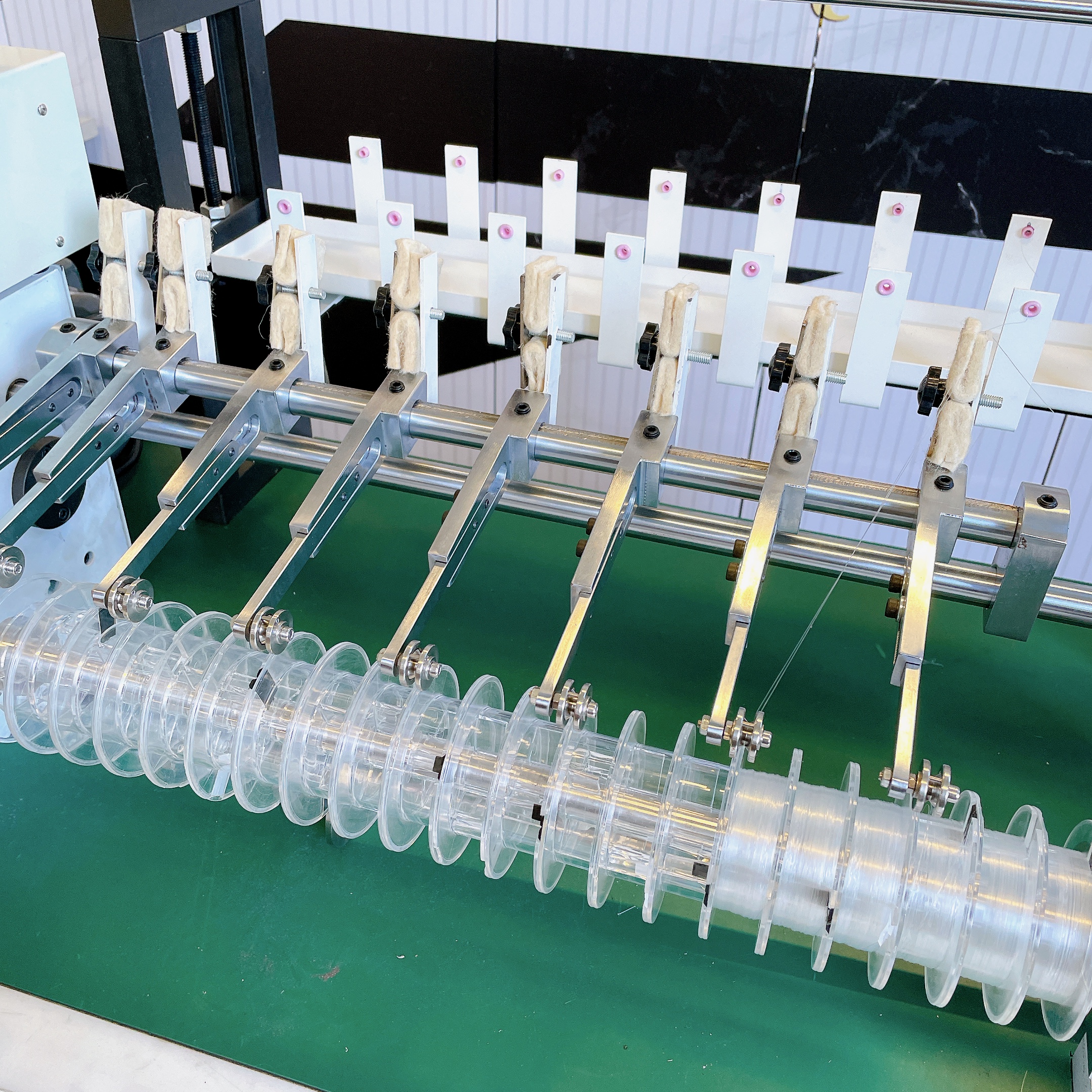
When manufacturing high-quality fishing lines, preventing twist formation during the winding process stands as one of the most critical engineering challenges. A fishing line winding machine equipped with effective anti-twist mechanisms ensures consistent line quality, reduces production defects, and maintains the structural integrity that anglers depend on. Understanding which anti-twist mechanisms are essential helps manufacturers select equipment that delivers reliable performance while minimizing costly production issues.
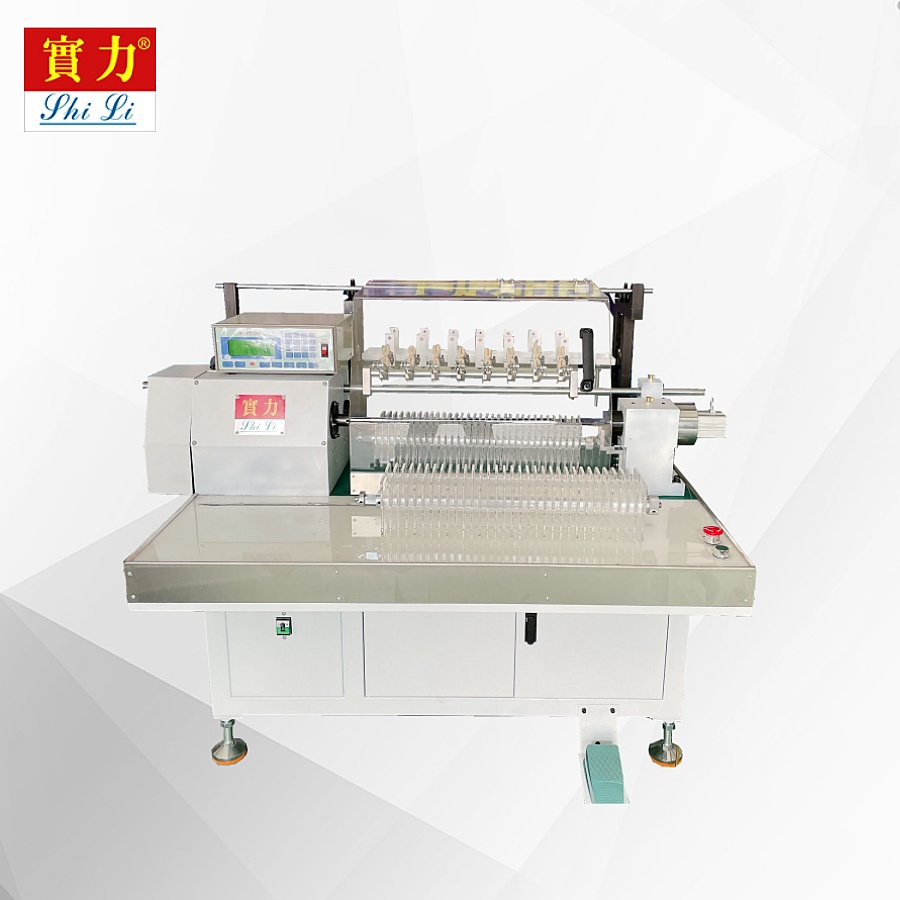
The importance of anti-twist technology in fishing line production cannot be overstated, as even minor twisting during winding can compromise line strength, casting distance, and overall performance. Modern fishing line winding machine designs incorporate multiple anti-twist mechanisms working in coordination to eliminate these problems. Each mechanism serves a specific function in maintaining proper line orientation and preventing the accumulation of rotational forces that lead to twist formation.
Tension Control Systems for Twist Prevention
Dynamic Tension Regulation Mechanisms
The foundation of effective twist prevention in any fishing line winding machine lies in precise tension control throughout the winding process. Dynamic tension regulation systems continuously monitor and adjust the pulling force applied to the fishing line, preventing the uneven stress distribution that commonly causes twist formation. These systems utilize servo-controlled tensioning devices that respond instantly to variations in line diameter, material properties, and winding speed.
Advanced fishing line winding machine models incorporate feedback sensors that detect tension fluctuations in real-time, automatically compensating for changes that could introduce rotational forces. The tension control mechanism maintains optimal pulling force across different line materials, from monofilament to braided constructions, ensuring consistent quality regardless of the specific fishing line type being processed.
Proper tension distribution prevents the line from experiencing differential stress that creates torque buildup. When tension remains uniform along the entire line length, the fishing line winding machine can achieve smooth, twist-free winding that preserves the line's original structural characteristics and performance properties.
Multi-Point Tension Monitoring Systems
Sophisticated fishing line winding machine designs implement multi-point tension monitoring to detect and prevent twist-inducing conditions before they affect line quality. These systems position sensors at strategic points along the line path, creating a comprehensive monitoring network that identifies tension variations that could lead to twist formation.
The multi-point approach allows the fishing line winding machine to distinguish between acceptable tension variations and problematic patterns that require immediate correction. By monitoring tension at the pay-off reel, intermediate guide points, and the take-up spool, operators can ensure that anti-twist mechanisms activate precisely when needed.
Real-time data from multiple tension sensors enables predictive adjustments that prevent twist formation rather than simply responding to existing problems. This proactive approach significantly improves production efficiency and reduces the waste associated with twisted line segments that must be discarded.
Guide System Configurations and Line Path Control
Precision Guide Alignment Technologies
The guide system configuration within a fishing line winding machine plays a crucial role in preventing twist by maintaining proper line alignment throughout the entire winding path. Precision guide alignment technologies ensure that the fishing line travels in a straight, controlled trajectory that eliminates the angular deviations responsible for introducing rotational forces.
Modern fishing line winding machine designs incorporate adjustable guide systems that can be fine-tuned for different line diameters and materials. These guides feature smooth, polished surfaces that minimize friction while maintaining positive line control, preventing the erratic movement patterns that contribute to twist formation during high-speed winding operations.
The positioning accuracy of guide elements directly impacts twist prevention effectiveness. Each guide point in the fishing line winding machine must maintain precise alignment to ensure that cumulative deviations do not create the geometric conditions necessary for twist development, particularly during extended production runs.
Anti-Balloon Guide Mechanisms
One of the most critical anti-twist mechanisms in a fishing line winding machine involves controlling line balloon formation during the unwinding process. Anti-balloon guide mechanisms prevent the fishing line from forming large loops or irregular patterns that introduce rotational energy into the winding system.
These specialized guide systems use controlled air flow or mechanical restraints to maintain compact line paths that minimize the opportunity for twist-inducing balloon formation. The fishing line winding machine incorporates these mechanisms at strategic points where balloon formation typically occurs, particularly near pay-off reels and directional changes.
Effective anti-balloon control requires careful calibration based on line weight, winding speed, and environmental conditions. The fishing line winding machine must balance balloon suppression with the need for smooth line flow, ensuring that anti-twist measures do not create alternative problems such as excessive friction or line damage.
Spindle and Spool Rotation Control
Synchronized Multi-Spindle Operation
In multi-spindle fishing line winding machine configurations, synchronized rotation control becomes essential for preventing twist formation across multiple winding stations. Each spindle must maintain precise rotational coordination to ensure that all fishing lines experience identical winding conditions that eliminate differential twist accumulation.
Advanced synchronization systems in fishing line winding machine designs utilize servo-driven spindle motors that maintain exact speed relationships regardless of variations in individual spool loading or line tension. This coordination prevents the speed mismatches that can cause some lines to accumulate twist while others remain properly oriented.
The fishing line winding machine control system continuously monitors each spindle's rotational position and automatically corrects any deviations that could compromise twist prevention. This real-time synchronization ensures consistent quality across all production positions, maximizing throughput while maintaining anti-twist effectiveness.
Variable Speed Compensation Mechanisms
Effective twist prevention in a fishing line winding machine requires sophisticated speed compensation mechanisms that adjust winding rates based on changing spool diameter and line accumulation. As fishing line builds up on the take-up spool, the effective winding speed must decrease proportionally to maintain constant linear line velocity.
Variable speed compensation prevents the speed mismatches that create differential rotation between the line supply and take-up systems. The fishing line winding machine calculates optimal speed relationships continuously, ensuring that anti-twist mechanisms remain effective throughout the entire winding cycle.
These compensation systems account for factors such as line compression, spool geometry changes, and material properties that affect winding dynamics. By maintaining precise speed relationships, the fishing line winding machine eliminates one of the primary sources of twist formation in high-volume production environments.
Line Conditioning and Pre-Twist Elimination
Pre-Processing Twist Detection Systems
Before the actual winding process begins, advanced fishing line winding machine systems incorporate pre-processing twist detection mechanisms that identify and eliminate existing twist in the incoming line material. These detection systems prevent pre-existing twist from compounding during the winding process, where it could become permanently set in the finished product.
Optical sensors and mechanical detectors in the fishing line winding machine monitor line orientation as it enters the processing zone, identifying twist patterns that require correction before winding begins. This proactive approach prevents twist-related quality issues that could affect entire production batches.
The pre-processing phase allows the fishing line winding machine to establish optimal starting conditions for each production run. By eliminating incoming twist, subsequent anti-twist mechanisms can focus on preventing new twist formation rather than managing existing problems that compromise their effectiveness.
Active Line Conditioning Mechanisms
Active line conditioning represents one of the most sophisticated anti-twist mechanisms available in modern fishing line winding machine designs. These systems apply controlled rotational forces to counteract twist-inducing conditions, actively maintaining proper line orientation throughout the winding process.
The conditioning mechanisms operate by detecting the onset of twist formation and applying precisely calculated counter-rotation to neutralize rotational forces before they accumulate. This active approach allows the fishing line winding machine to handle challenging materials and high-speed operations that might overwhelm passive anti-twist systems.
Implementation of active conditioning requires sophisticated control algorithms that can distinguish between beneficial and harmful rotational forces. The fishing line winding machine must apply correction forces selectively, ensuring that anti-twist interventions do not interfere with normal winding operations or introduce alternative quality problems.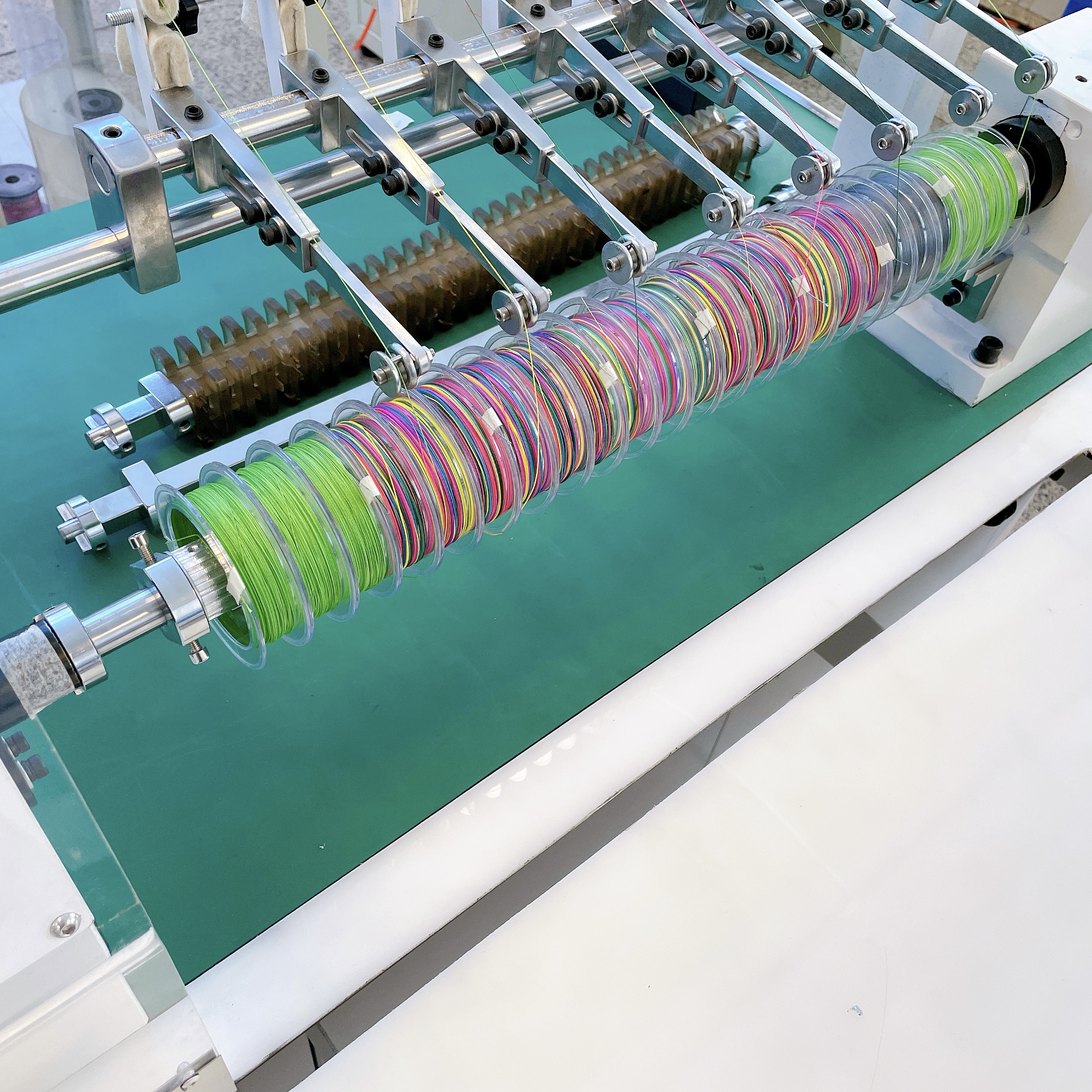
FAQ
How do anti-twist mechanisms affect fishing line winding machine production speed?
Modern anti-twist mechanisms in fishing line winding machines are designed to maintain high production speeds while ensuring quality. Advanced systems like dynamic tension control and synchronized spindle operation actually enable faster winding by preventing the slowdowns and rework required when twist-related defects occur. The key is selecting mechanisms that provide active prevention rather than reactive correction, allowing continuous operation at optimal speeds.
Which anti-twist mechanism is most critical for different fishing line materials?
The most critical anti-twist mechanism varies by line material. Monofilament lines benefit most from precise tension control systems, while braided lines require sophisticated guide path management and anti-balloon mechanisms. Fluorocarbon lines need active line conditioning due to their memory properties. A comprehensive fishing line winding machine incorporates multiple mechanisms to handle different materials effectively.
Can anti-twist mechanisms be retrofitted to existing fishing line winding machines?
Many anti-twist mechanisms can be retrofitted to existing fishing line winding machines, though the extent depends on the machine's original design and available space. Tension control upgrades and improved guide systems are typically feasible retrofits. However, advanced features like synchronized multi-spindle control or active line conditioning may require more extensive modifications or complete system replacement.
What maintenance do anti-twist mechanisms require in fishing line winding machines?
Anti-twist mechanisms require regular calibration and cleaning to maintain effectiveness. Tension sensors need periodic calibration, guide surfaces require polishing to prevent line damage, and servo systems need routine maintenance. The fishing line winding machine should undergo daily inspections of guide alignment and weekly calibration checks of tension control systems to ensure optimal anti-twist performance.
Table of Contents
- Tension Control Systems for Twist Prevention
- Guide System Configurations and Line Path Control
- Spindle and Spool Rotation Control
- Line Conditioning and Pre-Twist Elimination
-
FAQ
- How do anti-twist mechanisms affect fishing line winding machine production speed?
- Which anti-twist mechanism is most critical for different fishing line materials?
- Can anti-twist mechanisms be retrofitted to existing fishing line winding machines?
- What maintenance do anti-twist mechanisms require in fishing line winding machines?