 EN
EN



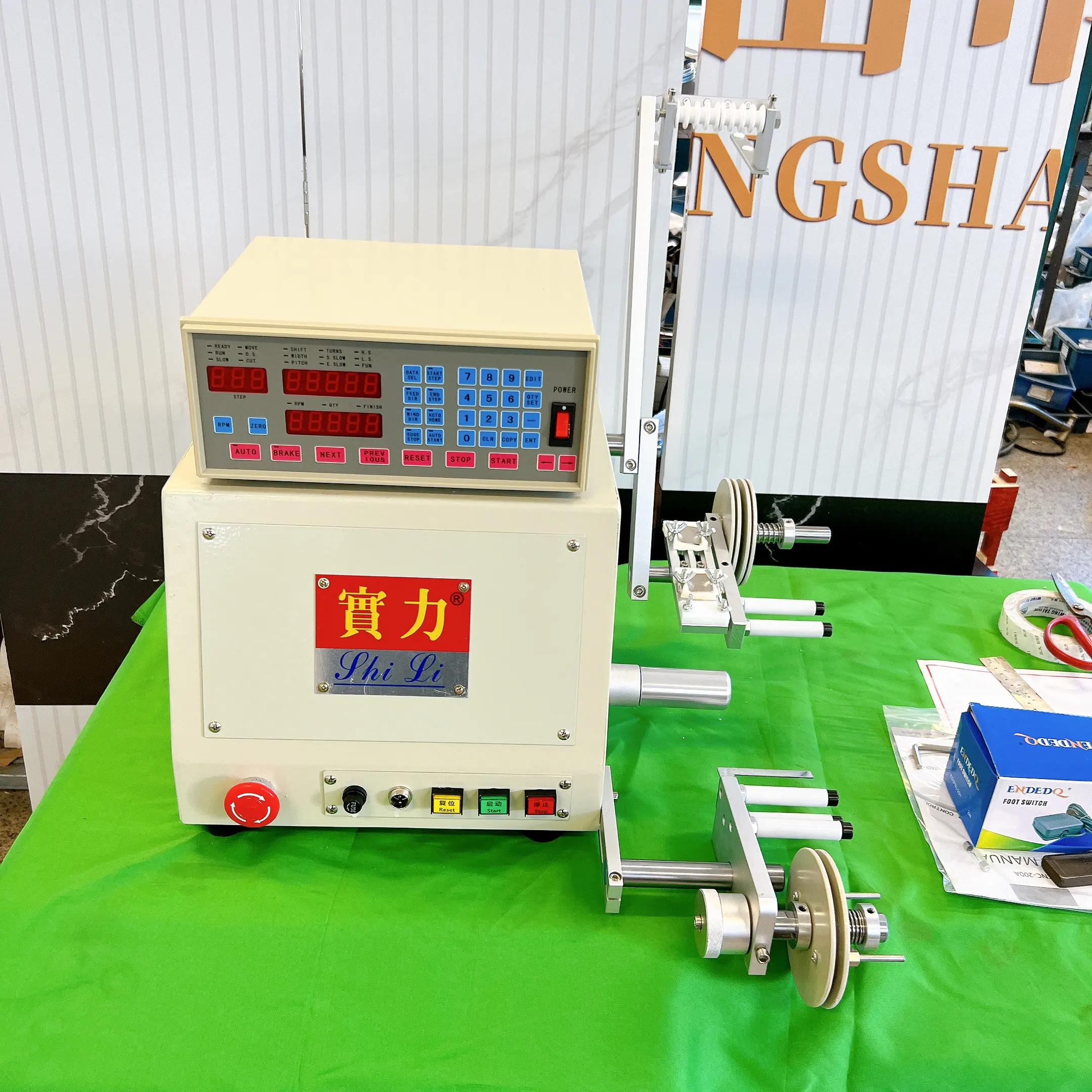
A coil winder revolutionizes electromagnetic component manufacturing by delivering unprecedented control over the winding process, directly addressing the critical challenge of achieving consistent wire placement and tension throughout production runs. Modern industrial applications demand precise electromagnetic performance from transformers, inductors, and motors, making winding consistency a non-negotiable requirement for manufacturers seeking reliable product quality and operational efficiency.
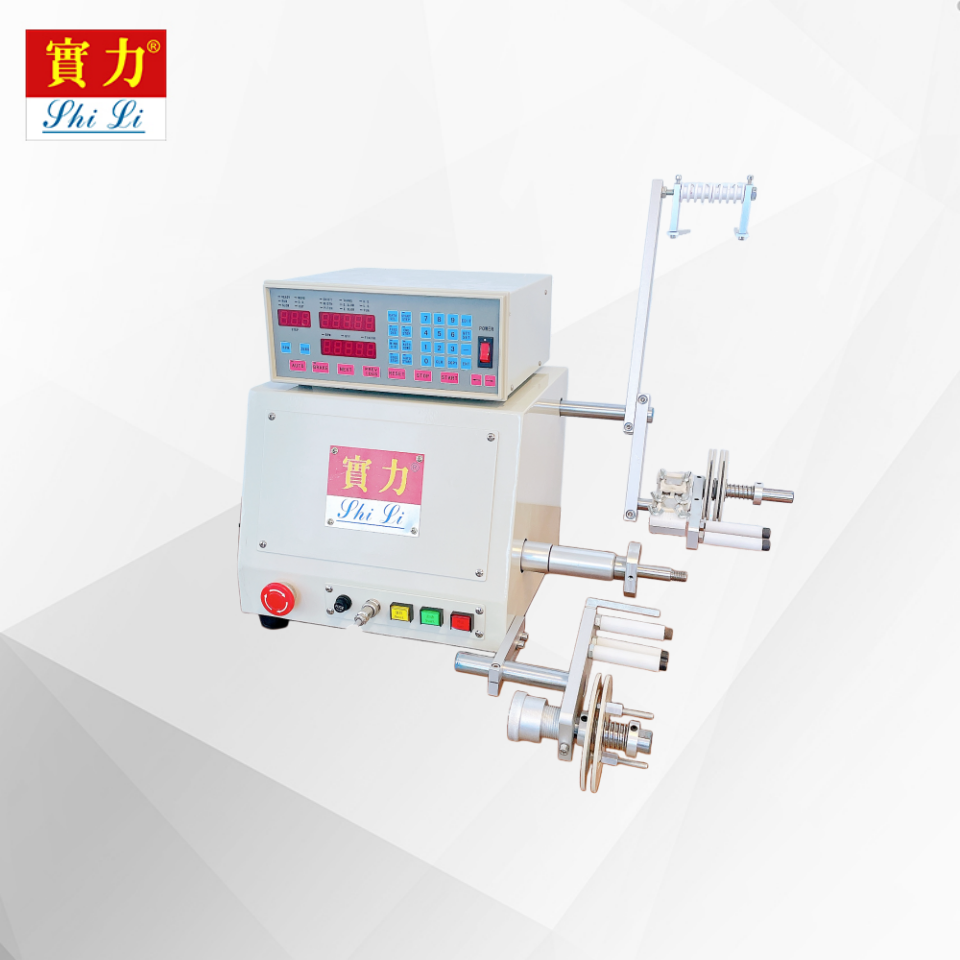
The fundamental improvement mechanism of a coil winder centers on automated precision control systems that eliminate human variability while maintaining optimal wire tension, spacing, and layering throughout the entire winding cycle. This systematic approach transforms inconsistent manual processes into repeatable, measurable manufacturing operations that deliver predictable electromagnetic characteristics across every coil produced, regardless of operator skill level or environmental conditions.
Precision Control Mechanisms
Automated Tension Management
A coil winder achieves superior consistency through integrated tension control systems that maintain constant wire stress throughout the winding process. These systems continuously monitor and adjust wire tension using feedback sensors and servo-controlled brake mechanisms, preventing the tension variations that commonly occur during manual winding operations. The automated tension management ensures uniform wire placement and prevents loose or overly tight windings that compromise electromagnetic performance.
Advanced coil winder models incorporate programmable tension profiles that can be customized for different wire types, gauges, and winding specifications. This capability allows manufacturers to optimize tension settings for copper, aluminum, or specialty conductor materials while maintaining consistency across production batches. The precision tension control directly translates to improved coil quality and reduced reject rates.
Programmable Speed Control
Speed consistency represents another critical factor where a coil winder delivers measurable improvements over manual methods. Programmable speed control systems maintain constant rotational velocity while automatically adjusting for wire buildup and changing coil diameter during the winding process. This dynamic speed management prevents the acceleration and deceleration variations that create uneven wire distribution in manually wound coils.
The programmable nature of modern coil winder speed control allows operators to establish optimal winding velocities for specific applications, then replicate these settings precisely across multiple production runs. This repeatability eliminates the guesswork associated with manual winding speed and ensures consistent layer formation and wire positioning throughout the manufacturing process.
Wire Positioning and Layer Control
Precise Wire Guidance Systems
Wire positioning accuracy represents a fundamental advantage of coil winder technology, achieved through mechanical guidance systems that control wire placement with sub-millimeter precision. These guidance mechanisms eliminate the human error factors that cause irregular wire spacing and overlapping in manual winding operations. The result is uniform wire distribution that directly improves electromagnetic field consistency and reduces hot spots in the finished coil.
Modern coil winder designs incorporate adjustable guide systems that accommodate various wire gauges and winding patterns while maintaining positioning accuracy. The mechanical precision of these systems ensures that each wire turn is placed in its optimal position, creating consistent electrical properties and improving overall coil performance reliability.
Layer Formation Management
Layer consistency becomes critically important in multi-layer coil applications, where a coil winder provides automated layer transition control that eliminates the inconsistencies associated with manual layer changes. Automated layer management systems track wire position and automatically adjust winding parameters when transitioning between layers, ensuring uniform layer thickness and proper wire alignment throughout the coil structure.
The layer formation control capabilities of a coil winder include programmable crossover patterns and automatic wire distribution algorithms that optimize layer-to-layer consistency. This automated approach prevents the uneven layer formation and wire bunching that commonly occur during manual winding, resulting in coils with predictable electrical characteristics and improved manufacturing yields.
Process Repeatability and Quality Control
Digital Process Memory
A coil winder improves consistency through digital process memory systems that store and recall exact winding parameters for specific coil designs. This capability eliminates the variability introduced by operator memory and manual parameter adjustment, ensuring that each coil is wound using identical specifications regardless of production timing or operator changes. The digital memory function creates a permanent record of successful winding parameters that can be retrieved and applied consistently across production runs.
Digital process control also enables precise documentation and traceability for quality management systems. Each coil production cycle can be recorded with exact parameter data, allowing manufacturers to correlate winding specifications with performance outcomes and continuously optimize their processes for improved consistency.
Real-Time Monitoring and Feedback
Real-time monitoring capabilities built into modern coil winder systems provide immediate feedback on winding quality parameters, enabling operators to detect and correct inconsistencies before they affect multiple units. These monitoring systems track tension, speed, position, and other critical variables throughout the winding process, alerting operators to any deviations from established parameters.
The feedback systems in advanced coil winder designs can automatically adjust process parameters to maintain consistency when minor variations are detected. This self-correcting capability further reduces the potential for human error and ensures that winding quality remains within specified tolerances throughout extended production runs.
Material Handling and Environmental Control
Consistent Wire Feed Systems
Wire feed consistency represents a critical factor where coil winder technology provides measurable advantages over manual methods. Automated wire feed systems maintain constant wire delivery rates while compensating for spool changes, wire diameter variations, and environmental factors that affect wire handling. This consistent material delivery ensures uniform wire placement and eliminates the feeding irregularities that compromise winding quality in manual operations.
Advanced coil winder models incorporate wire pre-tensioning and conditioning systems that prepare the conductor material for optimal winding performance. These systems remove minor imperfections and normalize wire characteristics before the winding process begins, contributing to overall consistency and reducing the variability associated with wire material differences.
Environmental Compensation
Environmental factors such as temperature and humidity can significantly affect winding consistency, particularly in manual operations where human operators may not recognize or compensate for these changes. A coil winder provides automated environmental compensation through sensors and control systems that adjust winding parameters based on ambient conditions, maintaining consistent results regardless of environmental variations.
Temperature compensation systems in sophisticated coil winder designs automatically adjust tension and speed parameters to account for material expansion and contraction effects. This environmental awareness ensures that coils wound under different conditions maintain consistent physical and electrical characteristics, improving overall production quality and reliability.
FAQ
What specific measurements show improved consistency when using a coil winder compared to manual winding?
A coil winder typically demonstrates consistency improvements through measurable parameters including wire tension variation reduction from ±15% to ±2%, layer thickness uniformity within 0.1mm tolerance, and turn-to-turn spacing consistency within 0.05mm. These improvements translate to reduced inductance variation, typically achieving ±3% consistency compared to ±10-15% variation in manually wound coils, directly impacting electromagnetic performance reliability.
How does coil winder automation prevent the most common consistency problems in coil manufacturing?
Coil winder automation eliminates primary consistency problems by maintaining constant wire tension through servo-controlled systems, preventing loose or tight spots that create electromagnetic irregularities. The automated positioning prevents wire overlap and spacing variations, while programmable speed control eliminates the acceleration and deceleration patterns that cause uneven wire distribution in manual winding operations.
Can a coil winder maintain consistency across different wire materials and gauge sizes?
Modern coil winder systems maintain consistency across various materials through programmable parameter profiles that automatically adjust tension, speed, and positioning for different wire types and gauges. The systems store material-specific settings for copper, aluminum, and specialty conductors, ensuring optimal winding consistency regardless of wire specifications while accommodating gauge changes without manual recalibration.
What role does real-time monitoring play in maintaining coil winder consistency during production?
Real-time monitoring systems in coil winder equipment continuously track critical parameters including wire tension, positioning accuracy, and speed consistency, providing immediate alerts when deviations occur. This monitoring capability enables preventive corrections before quality issues develop, while data logging functions allow operators to identify trends and optimize winding parameters for sustained consistency improvement throughout production cycles.
Table of Contents
- Precision Control Mechanisms
- Wire Positioning and Layer Control
- Process Repeatability and Quality Control
- Material Handling and Environmental Control
-
FAQ
- What specific measurements show improved consistency when using a coil winder compared to manual winding?
- How does coil winder automation prevent the most common consistency problems in coil manufacturing?
- Can a coil winder maintain consistency across different wire materials and gauge sizes?
- What role does real-time monitoring play in maintaining coil winder consistency during production?