 EN
EN


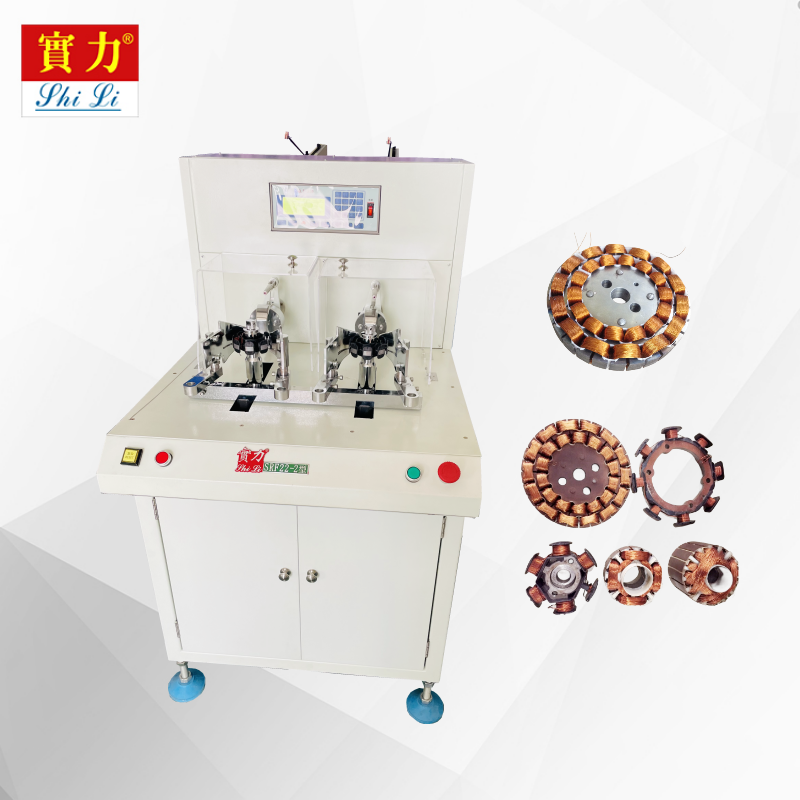
When purchasing a motor winding machine, buyers face critical decisions that directly impact production efficiency, coil quality, and long-term operational costs. The right motor winding machine selection requires careful evaluation of specific technical criteria, operational capabilities, and compatibility factors that align with manufacturing requirements. Understanding what to examine during the evaluation process helps buyers avoid costly mistakes and ensures optimal investment returns in automated winding technology.
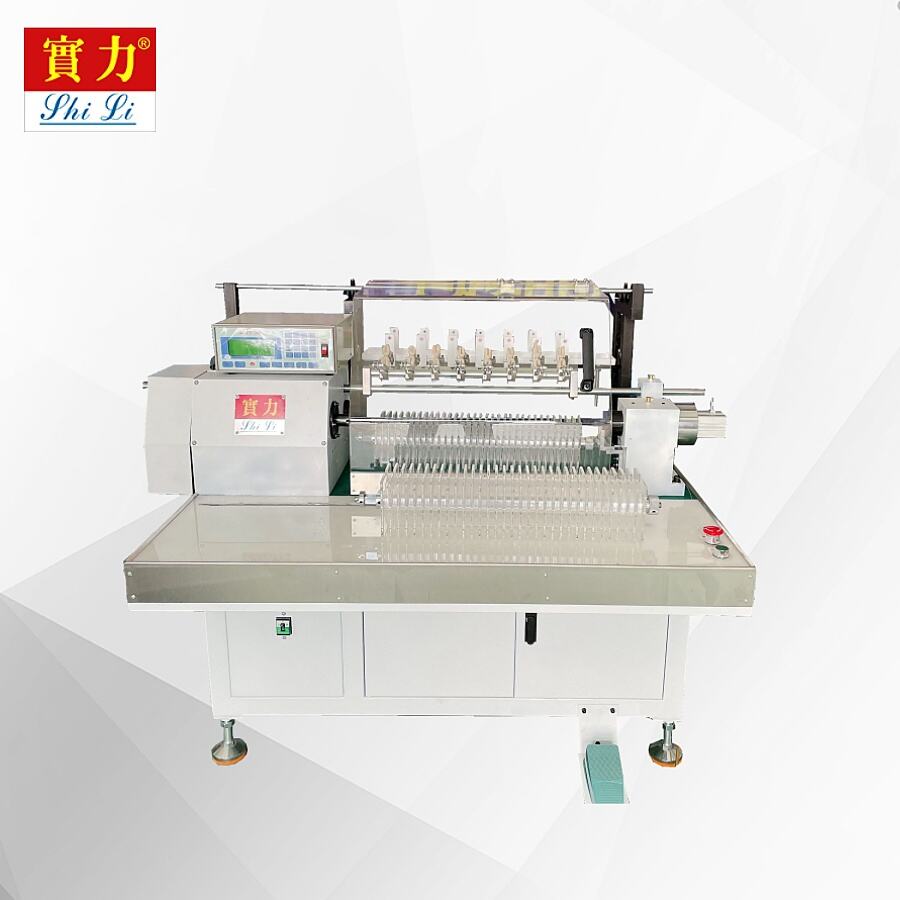
Evaluating a motor winding machine involves analyzing multiple technical specifications, build quality indicators, and operational features that determine both immediate performance and long-term reliability. Buyers must assess winding precision capabilities, wire handling systems, control interfaces, and mechanical construction standards to make informed purchasing decisions. This comprehensive evaluation ensures the selected equipment meets specific production demands while delivering consistent coil manufacturing results.
Essential Technical Specifications to Evaluate
Winding Speed and Torque Capabilities
The winding speed range of a motor winding machine directly affects production throughput and operational flexibility. Buyers should verify that the maximum winding speed meets their production volume requirements while maintaining consistent tension control across different wire gauges. Variable speed control allows operators to optimize winding parameters for different coil types, ensuring both productivity and quality standards are maintained throughout diverse manufacturing scenarios.
Torque specifications determine the machine's ability to handle varying wire tensions and coil densities during the winding process. Adequate torque ensures consistent wire placement even with challenging materials or tight winding patterns. Buyers should confirm that the motor winding machine provides sufficient torque reserves to handle peak loading conditions without compromising winding accuracy or causing wire breakage incidents.
Speed consistency across different operational loads indicates the quality of the drive system and control algorithms. A reliable motor winding machine maintains stable rotational speeds regardless of varying tension demands or coil geometry changes. This consistency ensures uniform coil characteristics and reduces the likelihood of defective products during extended production runs.
Wire Handling and Tensioning Systems
Wire tensioning mechanisms play a crucial role in achieving consistent coil quality and preventing wire damage during the winding process. Buyers should examine the tensioning system's ability to maintain constant wire tension across different wire diameters and materials. Pneumatic or electronic tension control systems typically provide more precise and repeatable tension management compared to mechanical spring-loaded systems.
The wire feeding system's design affects both operational efficiency and wire handling reliability. Multiple wire feeding capabilities allow simultaneous winding of parallel conductors, increasing production speed for multi-conductor applications. Buyers should verify that the wire paths are smooth and properly guided to prevent wire scratching or insulation damage during high-speed operations.
Wire break detection and automatic stopping features protect both the workpiece and the motor winding machine from damage caused by wire failures. Advanced systems provide immediate fault detection and controlled shutdown procedures that minimize material waste and setup time for restart operations. These safety features become particularly important during unattended operation periods or high-volume production schedules.
Control System and Programming Features
User Interface and Programming Flexibility
The control interface design significantly impacts operator efficiency and the learning curve for new users. Modern motor winding machine systems feature intuitive touchscreen interfaces with graphical programming capabilities that simplify complex winding pattern setup. Buyers should evaluate whether the programming system allows easy modification of winding parameters without requiring specialized programming knowledge or extensive training periods.
Programming memory capacity determines how many different coil configurations can be stored and recalled for future production runs. Adequate memory storage eliminates repeated setup procedures for recurring production orders, reducing changeover times and minimizing setup errors. The ability to export and import programs also facilitates knowledge sharing between multiple machines or production facilities.
Real-time parameter monitoring and adjustment capabilities allow operators to fine-tune winding processes during production without stopping the machine. This feature proves valuable when processing new coil designs or optimizing existing programs for improved quality or efficiency. Visual feedback systems help operators identify optimal settings more quickly than trial-and-error approaches.
Automation and Integration Capabilities
Integration compatibility with existing production systems affects the overall manufacturing workflow efficiency. Buyers should verify that the motor winding machine supports standard communication protocols for data exchange with manufacturing execution systems or quality control databases. This connectivity enables automated production tracking and quality documentation without manual intervention.
Automatic tool changing or fixture positioning systems reduce manual handling requirements and improve production consistency. These automation features become particularly valuable in high-volume production environments where minimizing operator intervention leads to both cost savings and quality improvements. Buyers should assess whether the automation level matches their production volume and labor availability constraints.
Remote monitoring and diagnostic capabilities allow maintenance personnel to assess machine performance and identify potential issues before they cause production disruptions. Network connectivity enables real-time performance monitoring and predictive maintenance scheduling, reducing unplanned downtime and extending equipment service life. These features prove especially valuable in multi-shift operations or distributed manufacturing environments.
Mechanical Construction and Build Quality
Frame Stability and Precision Components
The mechanical frame construction directly influences winding accuracy and long-term dimensional stability under operational loads. Heavy-duty cast iron or welded steel frames provide superior vibration dampening compared to lighter fabricated structures. Buyers should examine the frame design for adequate mass distribution and rigid mounting points that maintain alignment precision throughout extended operation periods.
Bearing quality and lubrication systems determine rotational accuracy and service life expectations for critical rotating components. Precision ball bearings or roller bearings with appropriate load ratings ensure smooth operation and minimize maintenance requirements. Sealed bearing designs with lifetime lubrication reduce contamination risks and eliminate routine lubrication procedures in dusty or dirty production environments.
Linear motion components such as slides and actuators must provide precise positioning repeatability for consistent coil geometry. High-quality linear bearings and ball screws maintain positioning accuracy over millions of operational cycles without significant wear. Buyers should verify that linear motion systems include adequate protection against contamination and provide easy access for routine maintenance procedures.
Electrical System Quality and Safety
Electrical component quality affects both operational reliability and safety compliance in industrial environments. Motor winding machine systems should utilize industrial-grade components with appropriate environmental ratings for the intended installation location. Proper electrical enclosures protect sensitive control electronics from dust, moisture, and electromagnetic interference that could cause operational disruptions or component failures.
Safety system implementation must comply with relevant industrial safety standards and provide comprehensive protection against operational hazards. Emergency stop systems, safety interlocks, and protective barriers prevent operator injury and equipment damage during normal operations or fault conditions. Buyers should verify that safety systems meet local regulatory requirements and provide adequate protection for the specific operational environment.
Power supply requirements and electrical efficiency impact both installation costs and ongoing operational expenses. Motor winding machine systems with universal voltage inputs simplify installation planning and reduce electrical infrastructure modifications. High-efficiency drive systems minimize power consumption during operation, contributing to lower electricity costs and reduced environmental impact over the equipment's service life.
Production Capabilities and Application Suitability
Coil Size and Configuration Flexibility
The range of coil sizes and configurations that a motor winding machine can accommodate determines its versatility for different product lines. Buyers should verify that the maximum and minimum coil dimensions align with their current and anticipated future production requirements. Adjustable tooling systems allow accommodation of various coil geometries without requiring completely different machines for different product families.
Multi-pole winding capabilities enable production of complex motor configurations that require precise angular positioning between different coil sections. Advanced motor winding machine systems provide automatic indexing and positioning for multi-pole applications, ensuring accurate spacing and consistent electrical characteristics. This capability becomes essential for manufacturers producing high-performance motors or specialized electromagnetic devices.
Wire gauge compatibility ranges affect the breadth of applications that can be processed on a single machine. Systems with wide wire gauge ranges reduce the need for multiple specialized machines and provide greater production flexibility. Automatic wire guide adjustment eliminates manual setup changes when switching between different wire sizes, reducing changeover times and setup errors.
Quality Control and Monitoring Features
Integrated quality monitoring systems provide real-time feedback on winding parameters and help identify deviation trends before they result in defective products. Turn counting accuracy ensures that each coil receives the correct number of wire turns as specified in the winding program. Advanced systems provide statistical process control data that helps operators optimize winding parameters and maintain consistent quality levels.
Automatic defect detection capabilities identify common winding problems such as wire crossovers, uneven distribution, or tension variations during the winding process. Early defect detection prevents continuation of faulty winding operations and reduces material waste. Some motor winding machine systems provide automatic correction capabilities that adjust winding parameters to compensate for detected variations.
Documentation and traceability features generate production records that support quality assurance programs and regulatory compliance requirements. Automatic data logging captures critical process parameters for each coil produced, enabling post-production analysis and quality certification. This documentation capability proves valuable for customers requiring detailed manufacturing records or compliance with industry quality standards.
FAQ
What wire gauge range should I look for in a motor winding machine?
The appropriate wire gauge range depends on your specific application requirements, but most industrial motor winding machines should accommodate wire gauges from AWG 14 to AWG 32 for general-purpose applications. Specialized applications may require extended ranges for either heavier or finer wires. Verify that the wire handling system can maintain consistent tension control across the entire specified gauge range without requiring manual adjustments or accessory changes.
How important is the programming memory capacity in a motor winding machine?
Programming memory capacity becomes crucial for manufacturers producing multiple coil types or handling frequent product changes. A minimum of 100 program storage locations accommodates most production scenarios, while high-volume manufacturers may require 500 or more stored programs. Consider future product expansion when evaluating memory requirements, as insufficient storage capacity limits production flexibility and increases setup times for recurring orders.
What maintenance requirements should I expect with a motor winding machine?
Regular maintenance typically includes daily cleaning of wire paths and tension systems, weekly lubrication of accessible bearing points, and monthly calibration verification of critical positioning systems. Most motor winding machines require professional service every 6-12 months depending on usage intensity and environmental conditions. Choose systems with easily accessible maintenance points and clear maintenance schedules to minimize downtime and extend equipment service life.
Can a motor winding machine handle both single and multi-strand winding applications?
Many modern motor winding machines provide multi-strand capabilities through additional wire feeding systems and synchronized tension control. However, verify that the specific model includes adequate wire guides, separate tension controls for each strand, and programming features that support multi-conductor winding patterns. Single-strand systems can often be upgraded with multi-strand accessories, but integrated multi-strand systems typically provide better performance and easier operation.
Table of Contents
- Essential Technical Specifications to Evaluate
- Control System and Programming Features
- Mechanical Construction and Build Quality
- Production Capabilities and Application Suitability
-
FAQ
- What wire gauge range should I look for in a motor winding machine?
- How important is the programming memory capacity in a motor winding machine?
- What maintenance requirements should I expect with a motor winding machine?
- Can a motor winding machine handle both single and multi-strand winding applications?