 EN
EN


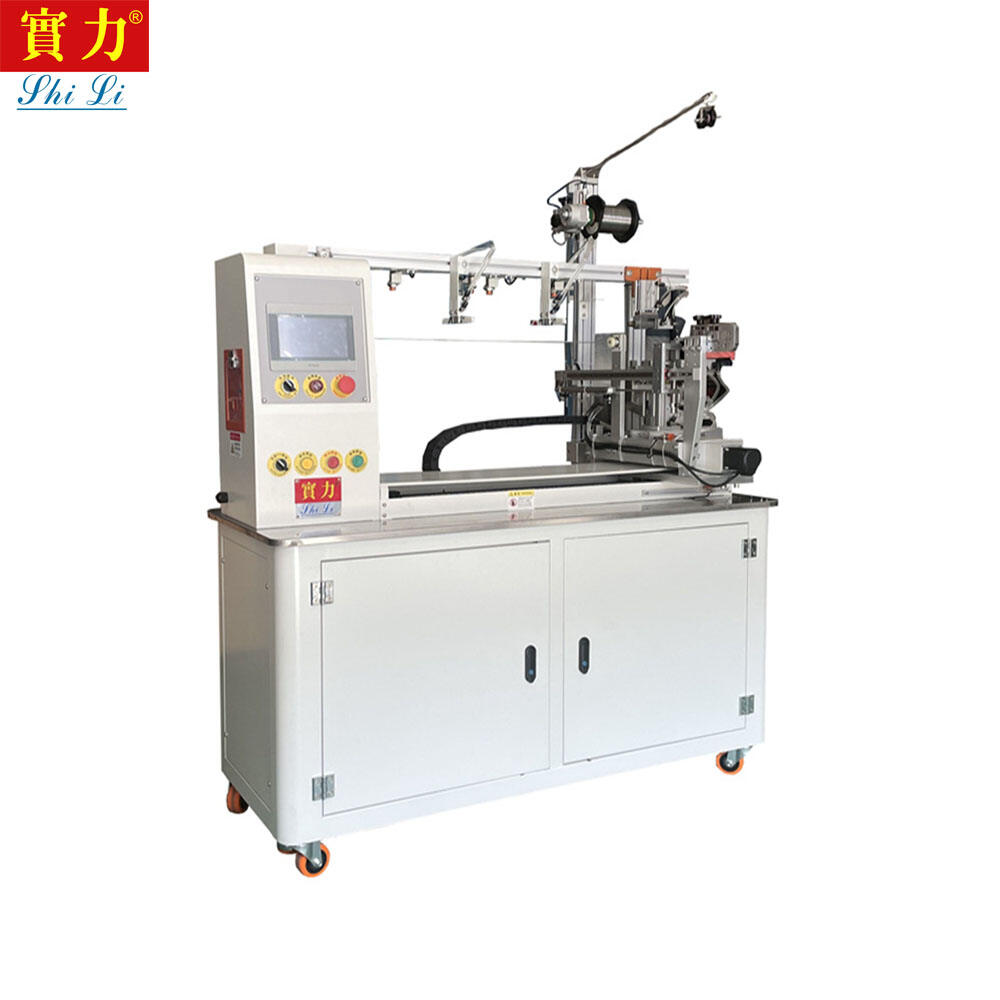
A winding machine transforms manufacturing operations by systematically organizing materials into precise coil configurations, directly addressing the core question of how automated winding technology enhances production efficiency. Modern manufacturing facilities rely on these specialized machines to eliminate manual winding processes, reduce material waste, and achieve consistent output quality that manual methods simply cannot match.
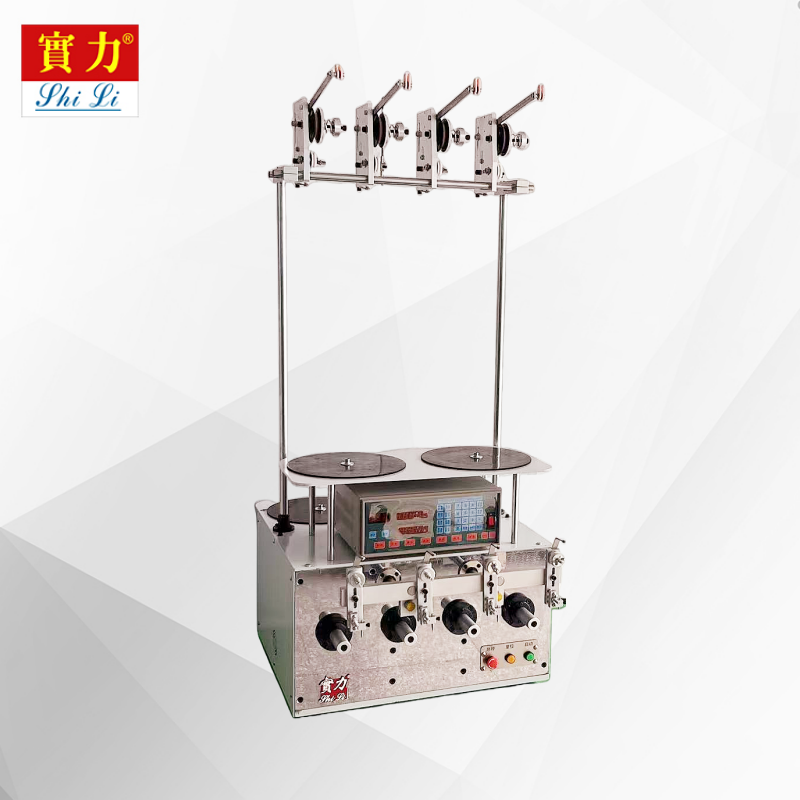
The efficiency improvements delivered by a winding machine stem from its ability to maintain precise tension control, execute programmable winding patterns, and operate continuously with minimal human intervention. These technological capabilities translate into measurable productivity gains, reduced labor costs, and improved product consistency that drives competitive advantage in today's manufacturing landscape.
Automated Speed and Throughput Enhancement
Continuous Operation Capabilities
A winding machine operates at consistent speeds that far exceed manual winding capabilities, typically processing materials at rates of 500 to 2000 meters per minute depending on the application requirements. This continuous operation eliminates the fatigue-related slowdowns and breaks that characterize manual processes, ensuring steady production flow throughout extended operating periods.
The automated nature of a modern winding machine allows for 24-hour production cycles when properly maintained and monitored. This extended operational capacity directly multiplies daily output volumes, enabling manufacturers to meet increased demand without proportional increases in labor resources or facility space requirements.
Advanced winding machine systems incorporate automatic material feeding mechanisms that eliminate the downtime associated with manual material loading and repositioning. These features ensure that production continues seamlessly, with material changeovers accomplished in minutes rather than the extended periods required for manual setup adjustments.
Programmable Speed Optimization
Modern winding machine technology includes programmable speed controls that automatically adjust winding velocity based on material characteristics, coil specifications, and quality requirements. This intelligent speed management prevents over-tensioning that could damage delicate materials while maintaining maximum safe processing speeds for optimal throughput.
The precision speed control capabilities of a contemporary winding machine enable operators to optimize production parameters for different product types without manual trial-and-error adjustments. Pre-programmed speed profiles ensure consistent processing conditions that eliminate the variability and inefficiencies associated with manual speed management.
Variable speed functionality allows a single winding machine to handle diverse product specifications efficiently, reducing the need for multiple specialized machines and maximizing equipment utilization across different production requirements.
Precision Control and Quality Consistency
Tension Management Systems
A winding machine incorporates sophisticated tension control mechanisms that maintain consistent material stress throughout the winding process, preventing the loose windings and irregular patterns that commonly result from manual operations. This precise tension management ensures uniform coil density and prevents material damage that leads to product rejection and rework.
The automated tension sensing capabilities of a modern winding machine continuously monitor material stress levels and make real-time adjustments to maintain optimal winding conditions. This dynamic control eliminates the guesswork and inconsistency inherent in manual tension management, resulting in superior product quality and reduced material waste.
Advanced tension control systems in a winding machine can accommodate materials with varying elasticity and thickness characteristics, automatically adjusting parameters to maintain consistent winding quality across different material types without manual intervention or setup changes.
Dimensional Accuracy and Repeatability
The precision positioning systems integrated into a winding machine ensure exact coil dimensions and winding patterns that meet tight manufacturing tolerances consistently. This dimensional accuracy eliminates the variation and measurement errors that characterize manual winding processes, reducing quality control inspection time and rejection rates.
Programmable winding patterns stored in a winding machine controller enable perfect repeatability across production runs, ensuring that every coil meets identical specifications regardless of operator skill levels or production timing. This consistency reduces downstream assembly problems and customer quality complaints that impact overall manufacturing efficiency.
The digital positioning feedback systems in modern winding machine designs provide real-time verification of winding accuracy, automatically detecting and correcting minor deviations before they compound into quality defects that require manual correction or product rejection.
Labor Efficiency and Resource Optimization
Reduced Manual Intervention Requirements
A winding machine dramatically reduces the skilled labor requirements for coil production by automating the complex manual processes that traditionally required experienced operators with specialized winding techniques. This automation allows manufacturers to deploy skilled workers in higher-value activities while maintaining consistent winding quality with less experienced personnel.
The simplified operation interface of a modern winding machine enables a single operator to manage multiple machines simultaneously, multiplying individual productivity and reducing the labor cost per unit produced. This operational efficiency becomes particularly valuable during high-volume production periods when labor resources are constrained.
Automated error detection and correction features in a winding machine minimize the need for continuous operator monitoring and manual quality checks, allowing personnel to focus on material preparation, machine maintenance, and process optimization activities that add greater value to manufacturing operations.
Training and Skill Transfer Benefits
The standardized operation procedures required for a winding machine significantly reduce training time for new operators compared to manual winding techniques that require extensive hands-on experience to master. This simplified training process enables faster workforce expansion and reduces the business risks associated with skilled worker shortages.
Digital programming capabilities in a winding machine preserve winding knowledge and techniques in electronic formats that can be easily transferred between operators and production shifts. This knowledge preservation eliminates the inefficiencies and quality variations that occur when manual winding expertise is lost due to personnel changes.
The consistent operational procedures enabled by a winding machine reduce dependency on individual operator skills and experience, creating more predictable production outcomes and enabling better capacity planning and delivery commitments to customers.
Material Waste Reduction and Cost Control
Precise Material Usage Calculation
A winding machine incorporates material length measurement and calculation systems that optimize material usage based on exact coil specifications, eliminating the overruns and waste associated with manual estimation and cutting processes. This precise material management reduces raw material costs and improves overall production economics.
Automated cutting and trimming functions in a winding machine ensure consistent material lengths that minimize scrap generation and eliminate the material waste that occurs when manual cutting techniques produce inconsistent or oversized pieces. This waste reduction directly impacts material costs and environmental sustainability metrics.
The material tracking capabilities built into modern winding machine systems provide detailed consumption data that enables accurate costing and inventory management, supporting better procurement decisions and more precise project cost estimation for customer quotations.
Error Prevention and Rework Elimination
A winding machine prevents common manual winding errors such as crossed wires, uneven spacing, and incorrect turn counts through automated guidance systems and programmed winding sequences. This error prevention eliminates the material waste and production delays associated with rework and quality corrections.
Built-in quality monitoring systems in a winding machine detect potential defects during the winding process, enabling immediate corrections that prevent defective products from reaching completion. This early detection capability reduces material waste and avoids the higher costs associated with final inspection failures.
The repeatable accuracy of a winding machine eliminates trial-and-error setup processes that consume materials during machine adjustment and operator learning phases, ensuring that production begins with optimal parameters from the first unit produced.
FAQ
What specific speed improvements can manufacturers expect from implementing a winding machine?
A typical winding machine delivers 3-5 times faster production speeds compared to manual winding operations, with processing rates ranging from 500-2000 meters per minute depending on material type and coil specifications. These speed improvements translate directly into proportional increases in daily production output while maintaining consistent quality standards.
How does a winding machine reduce overall production costs beyond labor savings?
A winding machine reduces production costs through multiple channels including 15-25% material waste reduction, elimination of rework expenses, reduced quality inspection requirements, and improved equipment utilization rates. The precision control systems minimize material overruns while automated error prevention eliminates costly defect corrections and customer returns.
Can a winding machine handle different coil specifications without significant downtime?
Modern winding machine systems support rapid changeover between different coil specifications through programmable settings that can be loaded in under 10 minutes. Digital recipe storage allows operators to switch between hundreds of different winding patterns without manual setup adjustments, maximizing machine utilization across diverse product requirements.
What maintenance requirements affect the efficiency benefits of a winding machine?
A winding machine requires routine maintenance including daily lubrication checks, weekly tension system calibration, and monthly precision alignment verification to maintain peak efficiency. Properly maintained machines achieve 95-98% uptime rates, while predictive maintenance systems can identify potential issues before they impact production schedules or quality outcomes.
Table of Contents
- Automated Speed and Throughput Enhancement
- Precision Control and Quality Consistency
- Labor Efficiency and Resource Optimization
- Material Waste Reduction and Cost Control
-
FAQ
- What specific speed improvements can manufacturers expect from implementing a winding machine?
- How does a winding machine reduce overall production costs beyond labor savings?
- Can a winding machine handle different coil specifications without significant downtime?
- What maintenance requirements affect the efficiency benefits of a winding machine?