 EN
EN


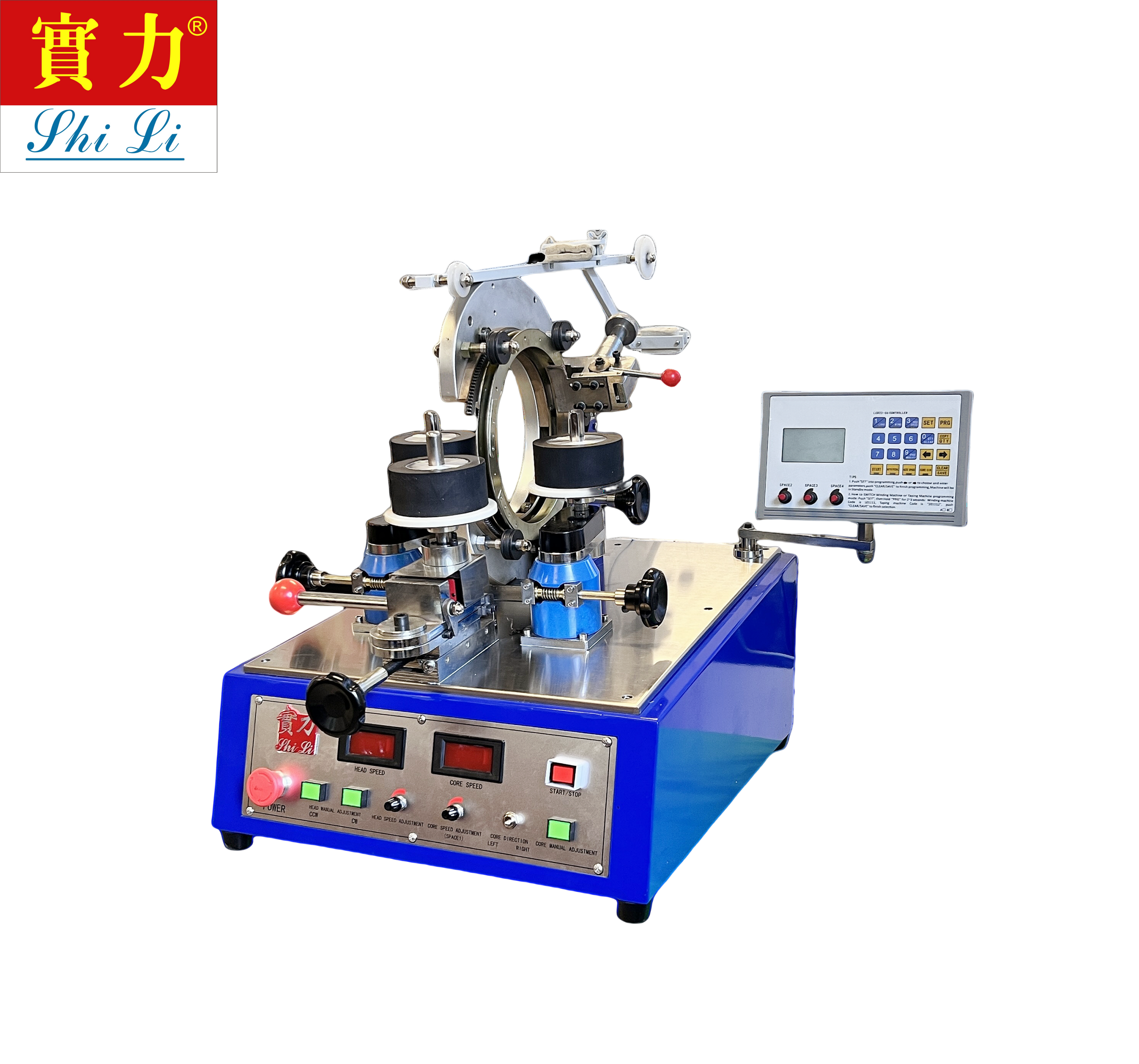
A coil winding machine represents a fundamental piece of equipment in electrical manufacturing, offering manufacturers the ability to produce precise, consistent coils for transformers, motors, inductors, and countless other electromagnetic devices. Understanding the key benefits of investing in coil winding machine technology can help manufacturers make informed decisions about improving their production capabilities and overall operational efficiency.
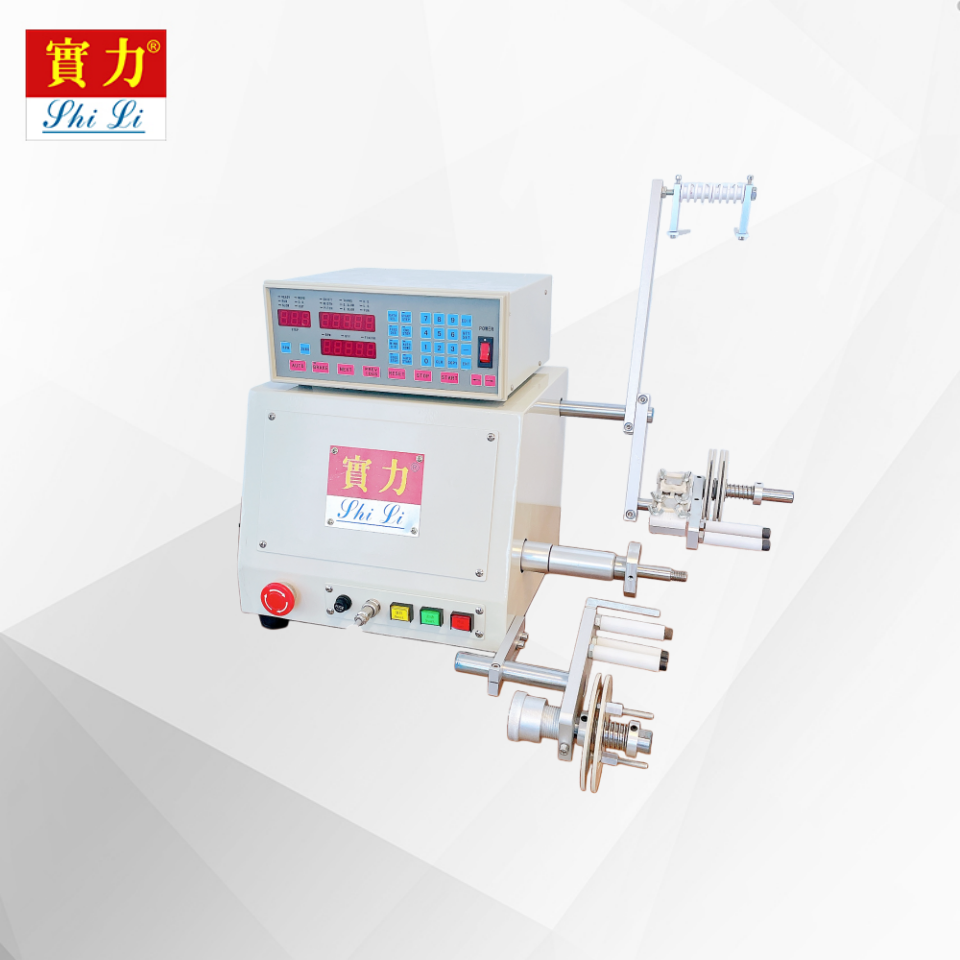
The benefits of a coil winding machine extend far beyond simple automation, encompassing improvements in precision, productivity, cost-effectiveness, and product quality. These machines transform the traditional manual winding process into a controlled, repeatable manufacturing operation that meets the demanding requirements of modern electrical component production.
Enhanced Production Efficiency and Speed
Automated Winding Operations
The most immediate benefit of a coil winding machine lies in its ability to automate the coil production process. Unlike manual winding methods that rely heavily on operator skill and consistency, automated coil winding machines can operate continuously with minimal human intervention. This automation dramatically increases production throughput, allowing manufacturers to produce significantly more coils per hour compared to manual methods.
Modern coil winding machines can achieve winding speeds that would be impossible to maintain manually, often reaching several thousand turns per minute depending on the coil specifications. This speed advantage translates directly into increased production capacity, enabling manufacturers to meet larger order volumes and tighter delivery schedules without compromising quality standards.
Consistent Production Rates
A coil winding machine maintains consistent production rates throughout extended operating periods, eliminating the natural variations in speed and efficiency that occur with manual labor. Operators experience fatigue, require breaks, and may have varying skill levels, all of which affect production consistency. Automated winding equipment operates at predetermined speeds and maintains these rates consistently, providing predictable production planning capabilities.
This consistency extends to the entire production process, from wire feeding and tension control to layer distribution and termination procedures. Each coil produced follows identical parameters, resulting in uniform production times that facilitate accurate scheduling and resource allocation across manufacturing operations.
Superior Precision and Quality Control
Accurate Wire Placement
Precision represents one of the most significant benefits of using a coil winding machine for electromagnetic component manufacturing. These machines utilize sophisticated control systems that position each wire turn with exceptional accuracy, ensuring consistent layer distribution and optimal coil geometry. This precision directly impacts the electrical performance characteristics of the finished coils, including inductance values, resistance measurements, and overall electromagnetic efficiency.
The mechanical precision of a quality coil winding machine eliminates common manual winding defects such as irregular spacing, overlapping turns, and uneven layer formation. Computer-controlled positioning systems guide wire placement with micron-level accuracy, creating coils that meet stringent electrical specifications and maintain consistent performance across production batches.
Controlled Tension Management
Proper wire tension control represents a critical factor in coil quality, and modern coil winding machines excel in maintaining optimal tension throughout the winding process. Automated tension control systems monitor wire stress continuously and make real-time adjustments to prevent wire breakage while ensuring adequate tension for proper coil formation.
This controlled tension management prevents common quality issues such as loose windings, wire deformation, and insulation damage that can occur with manual winding methods. The result is consistently high-quality coils with reliable electrical properties and enhanced mechanical durability that meet demanding application requirements.
Cost Reduction and Economic Benefits
Labor Cost Optimization
Implementing a coil winding machine delivers substantial labor cost benefits by reducing the number of operators required for coil production while simultaneously increasing output per worker. A single operator can often oversee multiple automated winding stations, dramatically improving labor efficiency compared to manual winding operations that require dedicated personnel for each coil being produced.
The reduced dependency on highly skilled manual winding operators also provides cost advantages in terms of training requirements and wage expenses. While manual coil winding requires extensive training and experience to achieve consistent quality results, automated equipment can be operated effectively by technicians with relatively basic training, reducing both recruitment costs and ongoing labor expenses.
Material Waste Reduction
A coil winding machine significantly reduces material waste through precise wire usage calculations and controlled dispensing systems. The automated nature of these machines eliminates human error in wire cutting and reduces the scrap generated from incorrect measurements or damaged coils during the winding process.
Advanced coil winding machines include wire length calculation features that determine exact wire requirements for each coil design, minimizing excess material usage. This precision in material consumption directly impacts production costs, especially when working with expensive specialty wires or precious metal conductors where material waste represents a significant cost factor.
Versatility and Adaptability Benefits
Multiple Coil Configuration Capabilities
Modern coil winding machines offer exceptional versatility in handling diverse coil configurations and specifications. These machines can be programmed to wind coils of varying sizes, shapes, and electrical requirements, making them suitable for manufacturers serving multiple markets or producing diverse product lines.
The programmable nature of contemporary coil winding machine designs allows operators to store multiple winding programs and switch between different coil types quickly. This flexibility enables efficient production of small batches and custom coils without the extensive setup time required for manual winding operations.
Easy Design Modifications
When coil specifications change or new designs are introduced, a coil winding machine can adapt quickly through software programming rather than requiring extensive retooling or retraining. Design modifications such as turn count adjustments, layer distribution changes, or wire gauge variations can be implemented through simple program updates.
This adaptability proves particularly valuable for manufacturers working with evolving customer requirements or developing new products. The ability to prototype and test new coil designs efficiently using existing equipment reduces development time and costs associated with bringing new electromagnetic components to market.
Quality Assurance and Traceability
Consistent Quality Standards
A coil winding machine provides inherent quality assurance benefits through its consistent, repeatable operation. Each coil produced follows identical winding parameters, eliminating the variability associated with different operators or changing working conditions. This consistency ensures that quality standards are maintained across all production runs and shifts.
The automated nature of coil winding machines also reduces the potential for human error that can compromise coil quality. Factors such as operator fatigue, distraction, or inconsistent technique are eliminated, resulting in more reliable quality outcomes and reduced rejection rates during quality control inspections.
Production Data Recording
Advanced coil winding machines include data logging capabilities that record detailed production information for each coil produced. This documentation provides valuable traceability for quality control purposes and enables manufacturers to track production parameters that affect coil performance.
The recorded data can include winding speed, tension settings, turn counts, and timing information, creating a comprehensive production history that supports quality investigations and process improvement initiatives. This level of documentation proves essential for industries requiring detailed production records and quality certifications.
FAQ
How much faster is a coil winding machine compared to manual winding?
A coil winding machine typically operates 5-10 times faster than manual winding methods, depending on the coil complexity and machine specifications. While manual winding might produce 50-100 coils per day, an automated coil winding machine can produce 500-1000 or more coils in the same timeframe, dramatically increasing production capacity.
What types of wire can be used with coil winding machines?
Modern coil winding machines can handle a wide variety of wire types including copper, aluminum, silver-plated copper, and specialty alloy wires. They accommodate different wire gauges from fine magnet wire to heavier power cables, and can work with both bare and insulated conductors depending on the specific machine configuration and application requirements.
Do coil winding machines require significant maintenance?
Coil winding machines require regular but manageable maintenance consisting primarily of lubrication, cleaning, and periodic calibration checks. Most maintenance tasks can be performed by trained operators or technicians using standard procedures. Proper maintenance typically ensures reliable operation for many years, making these machines a cost-effective long-term investment.
Can a coil winding machine handle both small prototype runs and large production volumes?
Yes, modern coil winding machines excel at both prototype development and high-volume production. Their programmable nature allows quick setup changes for small prototype batches, while their automated operation and consistent performance make them ideal for large production runs. This versatility makes them suitable for manufacturers with varying production requirements.