 EN


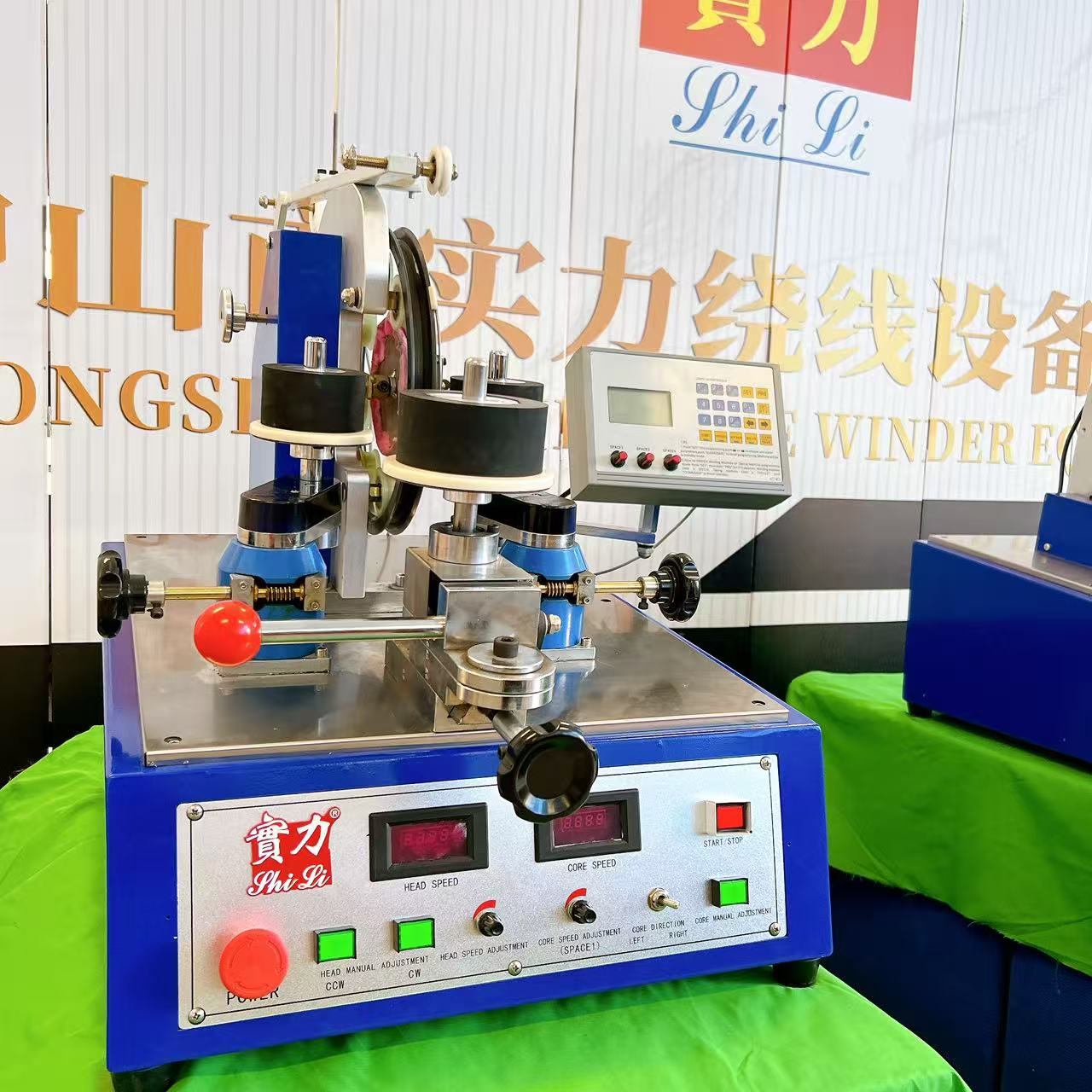
A toroidal winding machine is a specialized piece of equipment designed to wind wire around toroidal cores with precision and consistency. Proper maintenance of your toroidal winding machine directly impacts production quality, equipment longevity, and overall operational efficiency. Understanding what to inspect and when to perform these checks ensures your toroidal winding machine operates at peak performance and minimizes unexpected downtime in your manufacturing environment.
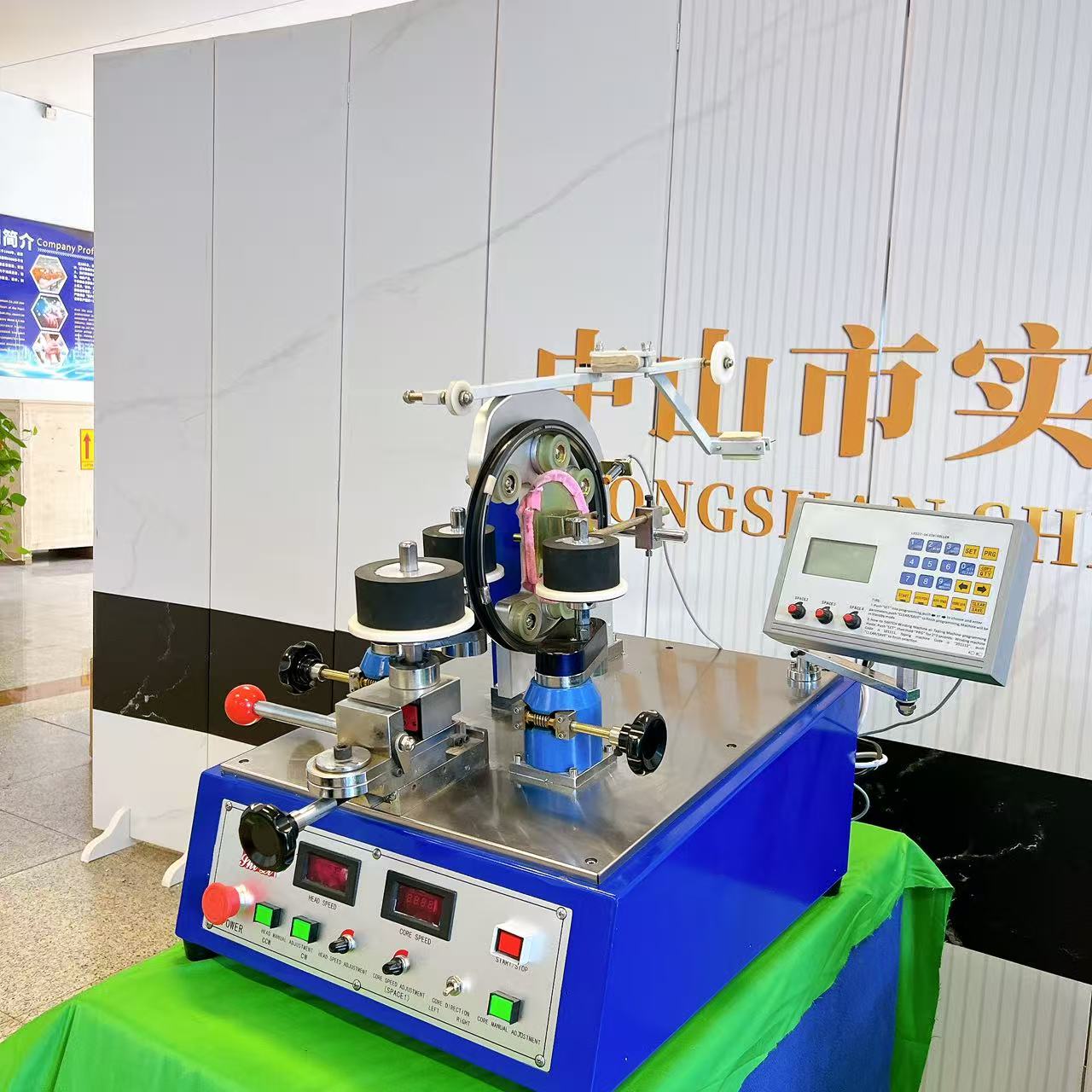
Regular inspection routines for a toroidal winding machine should be integrated into your preventive maintenance schedule. Whether you operate a single machine or manage multiple units, establishing consistent inspection protocols protects your investment and maintains consistent output quality. This guide walks through the critical inspection areas every operator and maintenance technician should monitor on their toroidal winding machine.
Core and Arbor Condition Assessment
Visual Inspection of Toroidal Cores
The toroidal core is the central component around which wire is wound, and its condition directly affects winding quality. Inspect the toroidal core for surface cracks, deformations, or material degradation that could compromise wire placement or machine operation. A damaged toroidal core can cause uneven winding tension, misalignment during rotation, and ultimately produce defective wound components. Check that the toroidal core mounting is secure and that it rotates freely without wobbling or binding during operation cycles.
Arbor and Spindle Alignment
The arbor holds the toroidal core during the winding process, so its alignment and condition are critical to machine performance. Measure runout on the arbor using precision tools to ensure concentricity within acceptable tolerances for your toroidal winding machine. Inspect the arbor bore and the toroidal core contact surfaces for wear marks, scoring, or corrosion that could develop into larger problems. Misalignment of the arbor can cause the toroidal core to sit incorrectly, leading to inconsistent tension across the wound wire and dimensional variation in finished products.
Wire Tension and Guiding System Examination
Tension Control Components
The tension control system on a toroidal winding machine regulates how tightly wire is wrapped around the toroidal core. Inspect tension rollers, brake discs, and friction surfaces for wear, glazing, or contamination that reduces braking effectiveness. Test the tension mechanism across the full operating range to verify smooth, consistent control without hesitation or sudden changes. A toroidal winding machine with compromised tension control produces loose winds, broken wire, or inconsistent coil resistance that leads to customer returns and production delays.
Wire Guide Assembly and Path
Wire guides direct the wire feed path as it advances around the toroidal core during winding. Inspect all guide components for debris, wire cuts, burrs, or deformation that could damage insulation or cause wire breakage. Verify that guides are properly positioned and secured to the toroidal winding machine frame without movement or play during operation. Clean wire dust and material buildup from guide channels, as accumulated debris increases drag and alters tension consistency across production runs. Check that the wire advancement mechanism moves smoothly and maintains proper spacing as the toroidal core rotates.
Mechanical Drive System and Bearing Inspection
Motor and Drive Performance
The motor and drive system propel the toroidal core rotation and control winding speed on your toroidal winding machine. Listen for unusual noise, vibration, or grinding sounds indicating bearing wear or misalignment in the drive train. Monitor motor current draw and compare to baseline values to detect mechanical resistance that develops over time. Inspect drive belts, pulleys, and gears for wear patterns, cracks, or slippage that reduce machine responsiveness and winding consistency. A toroidal winding machine experiencing drive system degradation shows erratic speed control and produces wound coils with variable density and electrical properties.
Bearing and Lubrication Status
Bearings support rotating components throughout the toroidal winding machine and require consistent lubrication to prevent premature wear. Check lubricant levels in bearing housings and verify that grease or oil remains clean and undiluted by water or debris. Inspect bearing seals for damage or leakage that allows contaminant ingress and accelerates bearing failure on your toroidal winding machine. Rotate the machine by hand and listen for grinding or grinding sounds, which indicate internal bearing damage requiring immediate attention. Replace lubricants according to manufacturer specifications to maintain optimal bearing performance and extend the service life of your toroidal winding machine.
Electrical Connections and Safety Systems
Power and Control Circuit Verification
Electrical connections and control circuits enable precise operation of your toroidal winding machine and protect personnel from injury. Inspect all power cables, connectors, and terminals for corrosion, loosening, or heat damage that compromises safety and performance. Verify that control switches, emergency stops, and safety interlocks respond correctly and engage immediately when activated. Test the toroidal winding machine start and stop sequences to confirm proper electrical sequencing and brake application timing. Loose electrical connections reduce torque consistency and cause intermittent operation faults that are difficult to diagnose and frustrating for operators.
Sensor and Feedback System Calibration
Modern toroidal winding machines incorporate sensors for speed feedback, wire count detection, and tension monitoring. Verify that position sensors and proximity switches on your toroidal winding machine detect targets consistently without false triggering or dead zones. Test limit switches to confirm they stop machine motion accurately when cores reach winding completion or when safety conditions are violated. Calibrate tension sensors if your toroidal winding machine supports digital tension readout to ensure accurate feedback for operator control and quality assurance. Faulty sensors cause production errors, operator confusion, and can trigger unnecessary machine stoppages that reduce throughput and efficiency.
Winding Quality Verification and Calibration
Test Winding Examination
Periodically produce test windings on your toroidal winding machine and examine the results for consistency with established quality standards. Inspect test coils for even spacing, uniform tension appearance, and proper core coverage that confirms machine calibration is correct. Measure wire diameter and coil resistance to verify that winding density and electrical properties match specification requirements. If test windings show degradation compared to baseline samples, initiate detailed inspection of mechanical and electrical systems to identify the source of variation. Regular test winding verification on your toroidal winding machine catches developing problems before they affect production batches.
Dimensional Accuracy and Runout Assessment
Wound toroidal cores should maintain dimensional accuracy and low runout to fit properly into downstream assembly processes. Measure core diameter at multiple points after winding to detect eccentric winding caused by arbor misalignment or core deformation on your toroidal winding machine. Use precision calipers or dial indicators to verify that coil height and wire spacing remain consistent across the toroidal core surface. Excessive dimensional variation indicates that your toroidal winding machine requires recalibration or mechanical adjustment before continuing production. Maintaining dimensional accuracy prevents installation failures, reduces customer complaints, and maximizes the value of your toroidal winding machine investment.
FAQ
How often should I inspect a toroidal winding machine?
Establish a daily visual inspection routine for your toroidal winding machine covering wire guides, tension controls, and abnormal sounds or vibrations. Perform detailed mechanical and electrical inspections every two to four weeks depending on operating hours and production volume. Annual comprehensive inspections including bearing replacement, sensor recalibration, and drive system assessment ensure long-term reliability of your toroidal winding machine. Higher-volume operations or harsh environments may require more frequent inspection intervals to maintain consistent output quality.
What are signs that a toroidal winding machine needs immediate attention?
Stop operation immediately if your toroidal winding machine produces grinding sounds, excessive vibration, or burning smells indicating mechanical damage or electrical faults. Wire breaks during normal operation, inconsistent winding tension, or erratic speed control suggest your toroidal winding machine requires troubleshooting and adjustment before resuming production. Visible damage to the core, arbor, or guides, along with safety system failures such as non-functioning emergency stops, require immediate inspection and repair on your toroidal winding machine. Never force operation of a malfunctioning toroidal winding machine as this risks further damage and safety hazards.
Can I perform toroidal winding machine maintenance without specialized tools?
Basic visual inspection, cleaning, and lubrication of your toroidal winding machine can be performed with standard shop tools and supplies. Precision measurements, bearing replacement, and electrical testing require appropriate instruments such as calipers, multimeters, and runout gauges to ensure your toroidal winding machine functions correctly. Consult the manufacturer's maintenance manual for your specific toroidal winding machine model to identify recommended tools and procedures. Complex repairs or recalibration of your toroidal winding machine should be performed by trained technicians with experience on your equipment model to avoid damage and maintain warranty coverage.