 EN
EN



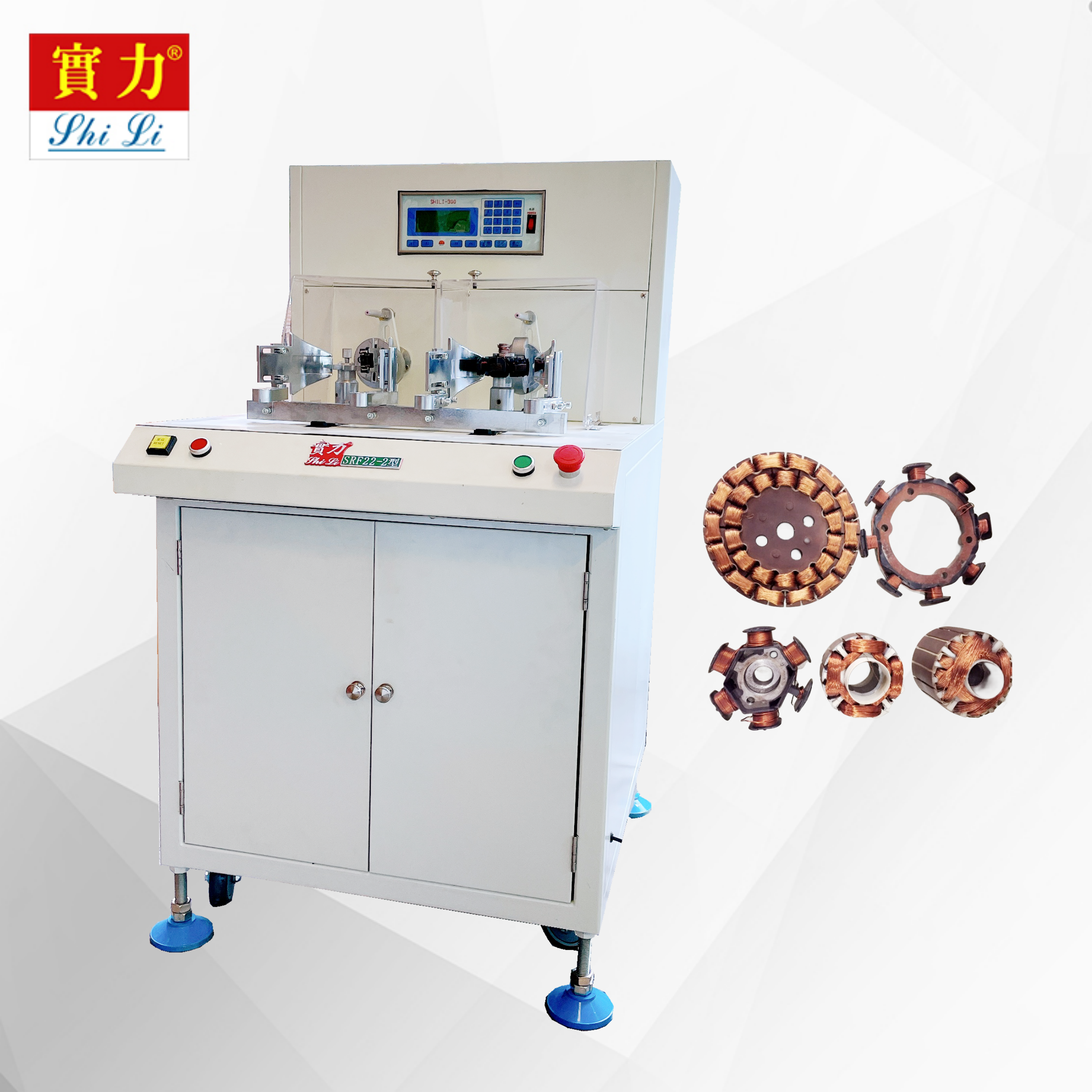
Motor winding accuracy represents a critical performance factor that directly impacts electric motor efficiency, power output, and operational longevity. Traditional manual winding methods frequently introduce inconsistencies in wire placement, tension variations, and turn distribution that compromise motor performance specifications. A motor winding machine addresses these limitations through precision-controlled automation that eliminates human variability while delivering consistently accurate coil formations across production runs.
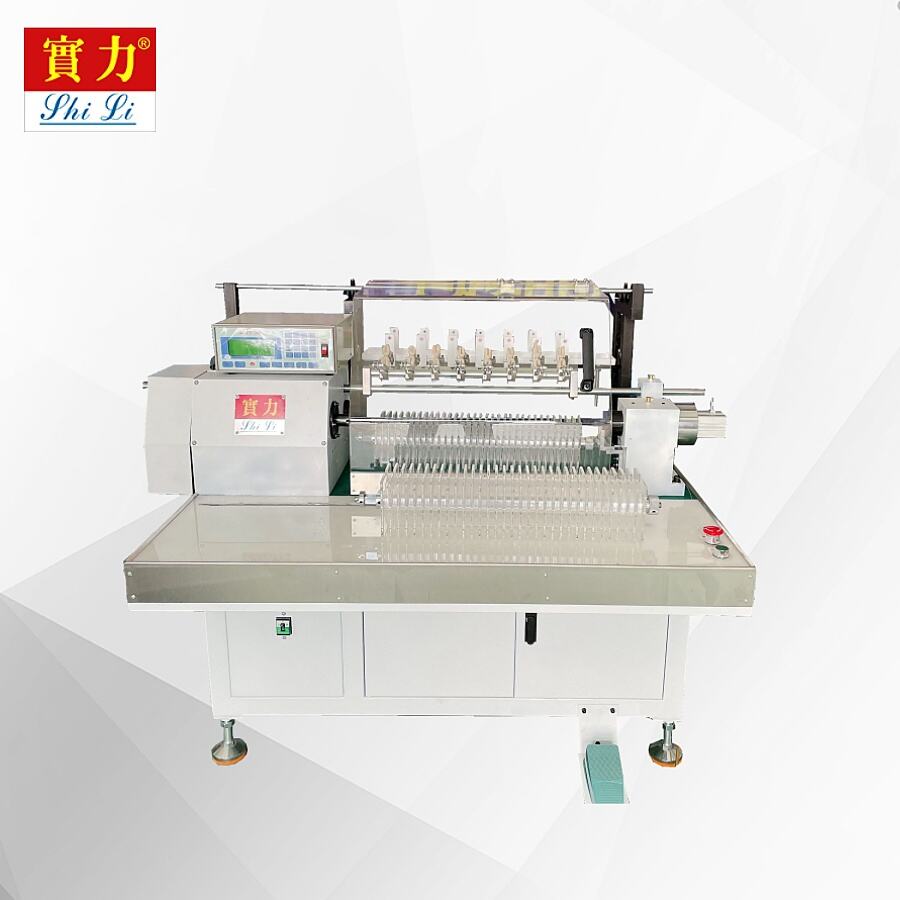
The mechanism through which a motor winding machine enhances accuracy involves multiple integrated control systems working in precise coordination. These automated systems manage wire feed rates, tension control, positioning accuracy, and turn counting with mathematical precision that surpasses manual capabilities. Understanding how these mechanical and electronic components collaborate to achieve superior winding accuracy helps manufacturers select appropriate equipment and optimize their motor production processes for maximum quality outcomes.
Precision Wire Placement Control Systems
Programmable Position Accuracy
Modern motor winding machines utilize servo-controlled positioning systems that achieve wire placement accuracy within micrometers of target specifications. The motor winding machine employs encoded feedback mechanisms that continuously monitor actual wire position against programmed coordinates, automatically adjusting placement to maintain precise slot filling patterns. This positioning control ensures uniform conductor distribution across each coil segment, eliminating the gaps and overlaps common in manual winding operations.
The servo positioning system integrates with computer-controlled path planning algorithms that calculate optimal wire trajectories for each specific motor design. These calculations account for slot geometry, insulation requirements, and thermal expansion considerations to determine exact placement coordinates throughout the winding sequence. Real-time position feedback allows the motor winding machine to compensate for mechanical variations and maintain consistent accuracy across extended production runs.
Automated Slot Indexing
Slot indexing accuracy represents another critical factor where motor winding machines demonstrate superior performance compared to manual methods. The automated indexing system uses precision gear trains and encoded positioning to ensure exact angular placement of each coil relative to the stator structure. This mechanical precision prevents coil misalignment that would otherwise create magnetic field asymmetries and reduce motor performance efficiency.
The indexing mechanism incorporates backlash compensation and thermal drift correction to maintain positioning accuracy throughout varying operational conditions. Advanced motor winding machine designs include multiple reference points and cross-verification systems that validate proper slot alignment before initiating each winding cycle. This redundant verification process eliminates positioning errors that could propagate through the entire coil formation sequence.
Wire Tension Management and Consistency
Dynamic Tension Control
Consistent wire tension throughout the winding process significantly impacts final coil geometry and electrical characteristics. A motor winding machine employs sophisticated tension control systems that maintain constant wire stress regardless of winding speed variations or directional changes. These systems use feedback sensors to monitor actual wire tension and automatically adjust brake mechanisms or feed rates to compensate for dynamic loading conditions.
The tension control system prevents wire stretching that would alter conductor resistance and coil dimensions while avoiding excessive looseness that creates uneven turn spacing. Digital tension controllers maintain programmed stress levels within narrow tolerance bands, ensuring identical mechanical properties across all coil segments. This consistency translates directly into improved magnetic field uniformity and enhanced motor performance characteristics.
Adaptive Feed Rate Optimization
Wire feed rate control represents a sophisticated aspect of motor winding machine operation that directly influences winding accuracy and quality. The automated feed system adjusts wire delivery speed based on instantaneous winding requirements, accounting for changing traverse patterns and varying coil densities throughout the formation process. This adaptive control prevents wire stretching during high-speed sections while maintaining adequate tension during slower positioning movements.
The feed rate optimization algorithm integrates multiple input parameters including wire gauge, material properties, ambient temperature, and programmed winding patterns to calculate optimal delivery speeds. Real-time monitoring allows the system to detect and compensate for variations in wire diameter or material consistency that could affect feeding characteristics. This comprehensive control approach ensures uniform conductor placement regardless of material variations or environmental changes.
Turn Counting and Layer Formation Precision
Electronic Turn Verification
Accurate turn counting represents a fundamental requirement for motor winding quality that directly affects electrical characteristics and performance specifications. The motor winding machine employs multiple counting methods including encoder feedback, optical detection, and magnetic sensing to verify correct turn quantities throughout each coil formation cycle. This redundant verification approach eliminates counting errors that would create electrical imbalances between motor phases.
The electronic counting system maintains separate tallies for each coil layer and provides real-time feedback to operators regarding completion status and remaining turn requirements. Advanced systems include cross-verification algorithms that compare multiple counting methods to detect and flag potential discrepancies before they affect final coil specifications. This comprehensive monitoring ensures that completed coils meet exact electrical design requirements without the variability associated with manual counting methods.
Controlled Layer Progression
Layer formation accuracy significantly impacts coil compactness and electrical performance characteristics in multi-layer motor windings. The motor winding machine manages layer progression through precise traverse control that maintains uniform conductor spacing within each layer while ensuring proper transition between successive layers. This controlled progression prevents wire crossovers and maintains consistent insulation distances throughout the coil structure.
The layer formation control system calculates optimal traverse patterns based on wire diameter, slot dimensions, and specified packing factors to achieve maximum conductor density while preserving electrical isolation. Automatic layer transition algorithms ensure smooth progression between layers without creating mechanical stress concentrations or insulation damage. This systematic approach to layer formation produces compact, uniform coils that maximize conductor utilization within available slot space.
Temperature and Environmental Compensation
Thermal Expansion Adjustment
Temperature variations during the winding process can significantly affect dimensional accuracy and final coil specifications if not properly managed. A motor winding machine incorporates temperature monitoring and compensation systems that adjust positioning parameters based on thermal expansion of both the winding equipment and the motor components being wound. These adjustments maintain dimensional accuracy despite temperature fluctuations that occur during extended production runs.
The thermal compensation system uses distributed temperature sensors to monitor critical measurement points throughout the winding apparatus and workpiece. Real-time calculations adjust positioning coordinates and dimensional references to account for thermal growth or contraction effects. This dynamic compensation ensures that completed coils maintain specified dimensions regardless of ambient temperature variations or heat generation from prolonged operation.
Humidity and Wire Conditioning
Environmental factors including humidity and wire conditioning significantly influence winding accuracy and process consistency. The motor winding machine environment control systems maintain optimal conditions for wire handling and positioning accuracy while preventing static charge accumulation that could affect wire placement precision. Controlled atmospheric conditions ensure consistent material properties and reduce variability in wire handling characteristics.
Wire conditioning systems integrated with the motor winding machine prepare conductor materials for optimal handling by removing moisture and static charges that could interfere with precision placement. These conditioning processes ensure uniform wire flexibility and handling characteristics that contribute to consistent winding results. Environmental monitoring systems provide feedback regarding atmospheric conditions and alert operators to variations that might affect winding quality.
Quality Monitoring and Feedback Systems
Real-Time Accuracy Verification
Continuous quality monitoring throughout the winding process enables immediate detection and correction of accuracy deviations before they affect final coil specifications. The motor winding machine incorporates multiple monitoring systems including position feedback, tension monitoring, and dimensional verification that provide real-time assessment of winding accuracy parameters. This continuous oversight ensures that deviations are detected and corrected immediately rather than discovered after coil completion.
The monitoring system maintains statistical process control databases that track accuracy trends and identify systematic variations that might indicate equipment drift or material inconsistencies. Automated alert systems notify operators of developing issues before they exceed acceptable tolerance limits. This proactive approach to quality management prevents the production of defective coils and maintains consistent accuracy throughout production runs.
Automated Correction Protocols
When accuracy deviations are detected, automated correction protocols enable immediate adjustment of winding parameters to restore proper specifications without interrupting production flow. The motor winding machine control system can modify positioning coordinates, adjust tension settings, or alter feed rates in response to detected variations. These automatic corrections maintain winding accuracy while minimizing production delays associated with manual intervention.
The correction protocols incorporate learning algorithms that analyze deviation patterns and implement predictive adjustments to prevent recurring accuracy issues. Historical data analysis helps identify optimal correction strategies for different types of accuracy problems. This intelligent correction capability continuously improves winding accuracy performance while reducing operator intervention requirements and maintaining consistent production throughput.
FAQ
What specific accuracy improvements can be achieved with automated motor winding machines compared to manual methods?
Automated motor winding machines typically achieve positioning accuracy within ±0.1mm compared to ±2-3mm variation common in manual winding operations. Turn count accuracy improves to 99.9% consistency versus 95-98% achievable through manual counting. Wire tension consistency maintains ±2% variation compared to ±15-20% typical in manual operations. These improvements translate directly into enhanced motor performance consistency and reduced electrical variations between production units.
How does wire tension control in motor winding machines affect final coil accuracy?
Consistent wire tension control ensures uniform conductor spacing and prevents wire deformation that would alter coil geometry. Proper tension management maintains specified conductor resistance values and prevents loose turns that create uneven magnetic field distribution. The automated tension control systems in motor winding machines maintain programmed stress levels within narrow tolerance bands, ensuring identical mechanical and electrical properties across all coil segments throughout the winding process.
Can motor winding machines maintain accuracy when working with different wire gauges and materials?
Modern motor winding machines incorporate adaptive control systems that automatically adjust operational parameters based on wire specifications and material properties. The machines can store multiple program profiles for different wire types and automatically select appropriate tension, feed rate, and positioning parameters when changing between materials. This adaptability ensures consistent winding accuracy regardless of conductor specifications while maintaining optimal handling characteristics for each specific wire type.
What role does environmental control play in maintaining motor winding accuracy?
Environmental factors including temperature and humidity significantly affect wire handling characteristics and dimensional stability during the winding process. Motor winding machines incorporate temperature compensation systems that adjust positioning parameters to account for thermal expansion effects. Humidity control prevents static charge accumulation and maintains consistent wire flexibility. These environmental controls ensure that winding accuracy remains stable despite atmospheric variations that would otherwise introduce dimensional deviations in the finished coils.
Table of Contents
- Precision Wire Placement Control Systems
- Wire Tension Management and Consistency
- Turn Counting and Layer Formation Precision
- Temperature and Environmental Compensation
- Quality Monitoring and Feedback Systems
-
FAQ
- What specific accuracy improvements can be achieved with automated motor winding machines compared to manual methods?
- How does wire tension control in motor winding machines affect final coil accuracy?
- Can motor winding machines maintain accuracy when working with different wire gauges and materials?
- What role does environmental control play in maintaining motor winding accuracy?