 EN
EN


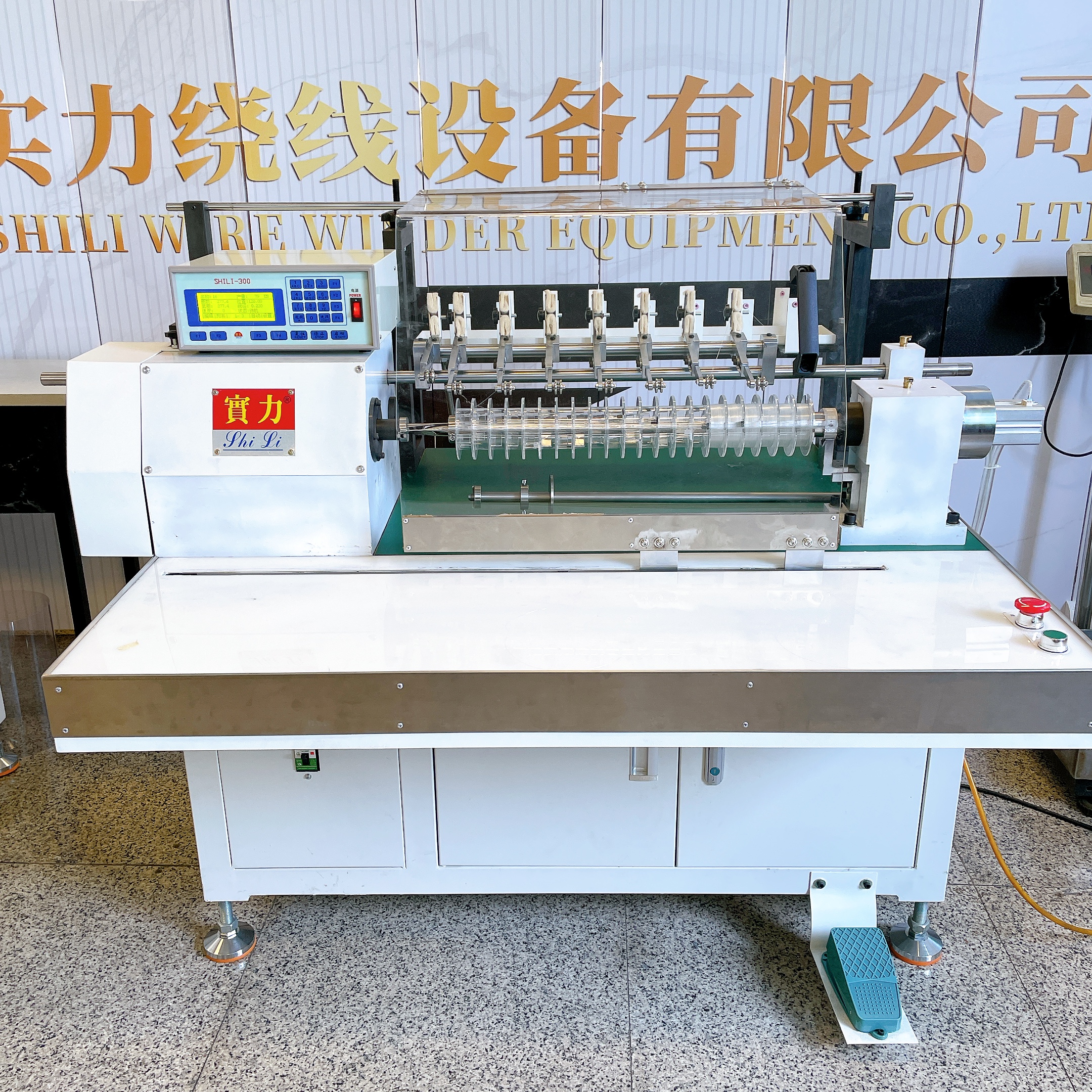
Friction is one of the most significant operational challenges in modern fishing line winding machines. When line tension becomes uneven or excessive, it can damage the product, reduce production speed, and increase maintenance costs. The choice of feeding system directly determines whether a fishing line winding machine operates smoothly or encounters constant wear and performance degradation. Understanding which feeding systems minimize friction is essential for manufacturers seeking to maximize output quality and equipment longevity.
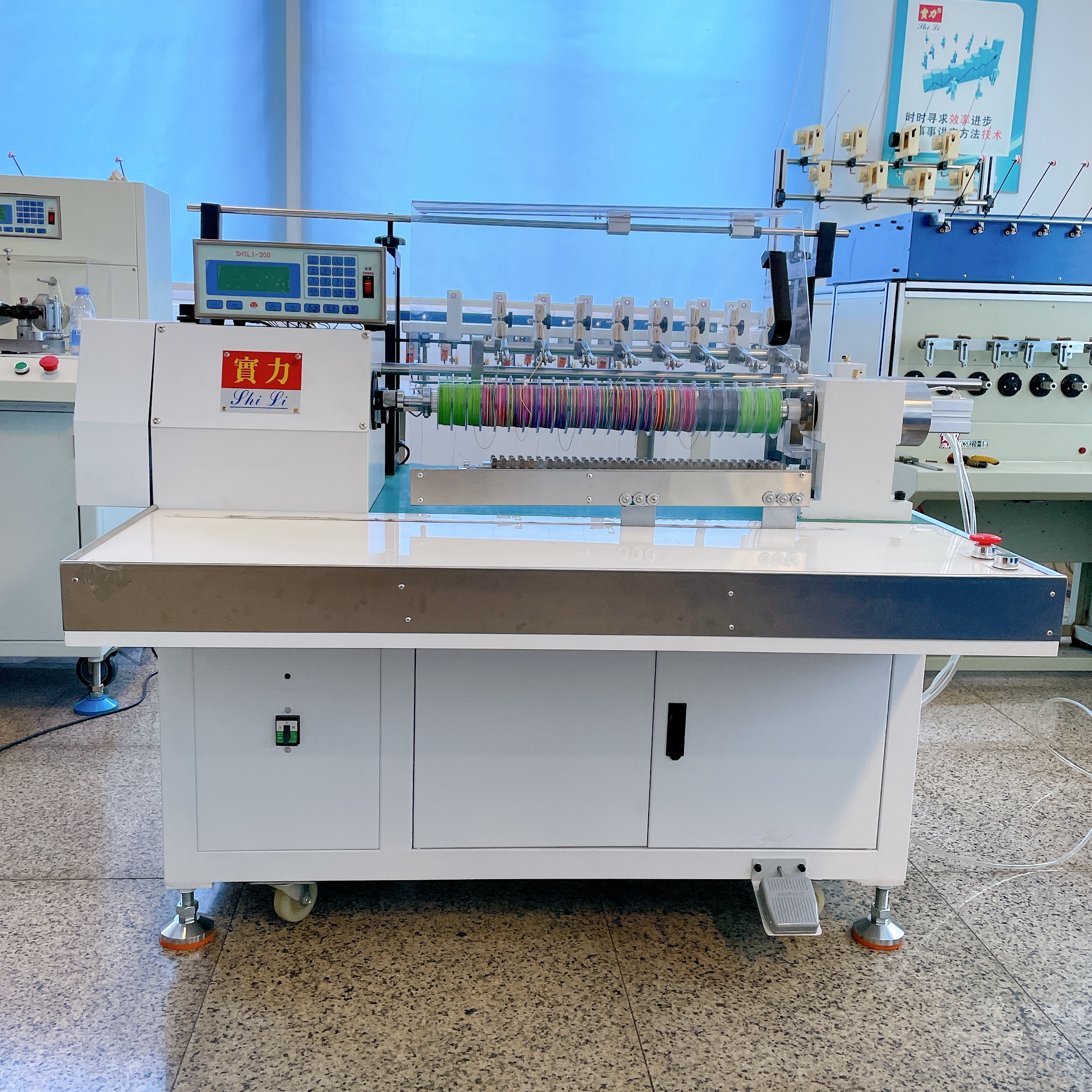
A fishing line winding machine must balance multiple demands simultaneously: consistent line tension, stable feed rates, and precise control over the winding path. Each feeding system approach carries distinct friction characteristics that affect both immediate performance and long-term machine reliability. The feeding mechanism you select will influence line breakage rates, spindle load distribution, and the overall efficiency of your production line. This article explores the feeding systems that actively reduce friction and deliver measurable improvements in a fishing line winding machine's operational performance.
Understanding Friction in Fishing Line Winding Systems
How Friction Develops in the Winding Process
Friction emerges whenever the fishing line contacts guide rollers, tension plates, or the spool during winding. In a poorly configured fishing line winding machine, the line may drag excessively against these surfaces, generating heat and accelerating material degradation. The friction force increases when the line encounters guide misalignment, inadequate lubrication, or rigid contact points. Over time, this friction can flatten the line's profile, reduce its strength, and create visible surface damage. The cumulative effect reduces the final product quality and shortens the usable lifespan of both the line and the machine's wear components.
Impact of Friction on Machine Performance
High friction in a fishing line winding machine directly reduces production speed because operators must lower tension to prevent line breakage. This trade-off means slower winding cycles, fewer spools completed per shift, and reduced overall throughput. Additionally, excessive friction generates heat that can soften certain line materials, compromising their structural integrity. The mechanical wear from friction also accelerates degradation of guide rollers, tension discs, and other contact surfaces, leading to more frequent maintenance downtime and higher replacement costs. A fishing line winding machine with properly managed friction can operate at higher speeds while maintaining superior line quality and reducing unplanned equipment failures.
Precision Feeding Systems That Reduce Friction
Roller-Based Feeding Mechanisms
Roller-based feeding systems are among the most effective friction-reduction approaches in modern fishing line winding machine design. These systems use smooth, precision-engineered rollers to guide and feed the line rather than rigid contact points. The rollers rotate in sync with the line's movement, minimizing slipping and drag. Because the roller surfaces move at nearly the same velocity as the line, relative motion between the line and the guide surface is minimized, which dramatically reduces friction-induced wear. A fishing line winding machine equipped with high-quality roller feeding systems can maintain consistent tension while allowing higher winding speeds. The rollers also distribute contact pressure over a larger surface area, preventing the localized stress that creates damage hotspots on the line.
Magnetic Tension Control
Magnetic tension control represents an advanced friction-reduction technology now integrated into premium fishing line winding machine configurations. This system uses precisely calibrated magnetic fields to apply tension without physical contact between the line and traditional friction plates. By eliminating direct mechanical contact at the tension point, magnetic systems eliminate the friction that would normally occur at that critical stage. The tension remains consistent throughout the winding process because the magnetic force is constant and responsive. In a fishing line winding machine utilizing magnetic tension, line damage is virtually eliminated, and the system accommodates a wider range of line materials and diameters without requiring manual adjustment. This contactless approach also eliminates heat generation from friction, protecting temperature-sensitive line materials.
Optimizing Your Fishing Line Winding Machine for Low-Friction Operation
Integration of Multi-Spindle Design
Multi-spindle fishing line winding machine designs distribute the feeding and winding load across multiple pathways simultaneously. Rather than routing all line through a single feeding system, a multi-spindle configuration allows each spindle to operate with its own optimized feeding mechanism. This distribution reduces the cumulative friction load on any single feeding path and allows each spindle's feed system to maintain ideal conditions. A fishing line winding machine with eight spindles, for example, can process line more efficiently because each spindle experiences lower individual tension and lower contact stress. The parallel processing architecture inherent in multi-spindle machines also enables operators to run different line specifications on different spindles without compromising the low-friction environment that each feeding system requires.
Advanced Lubrication and Maintenance Protocols
Even the best feeding system in a fishing line winding machine requires proper lubrication to sustain friction reduction over time. Precision roller bearings, guide tracks, and tension mechanism pivots all benefit from regular lubrication with appropriate oils or greases selected for the specific operating speeds and materials involved. A fishing line winding machine's maintenance schedule should include regular inspection of roller surfaces for buildup, contamination, or wear that could increase friction. Clean rollers and smooth contact surfaces are essential because accumulated dust or degraded lubricant can create additional friction. Operators should verify that magnetic tension systems, if installed, remain calibrated according to manufacturer specifications because drift in magnetic field strength can alter tension consistency. Proactive maintenance of the feeding system directly translates to sustained low-friction operation and extended intervals between component replacement.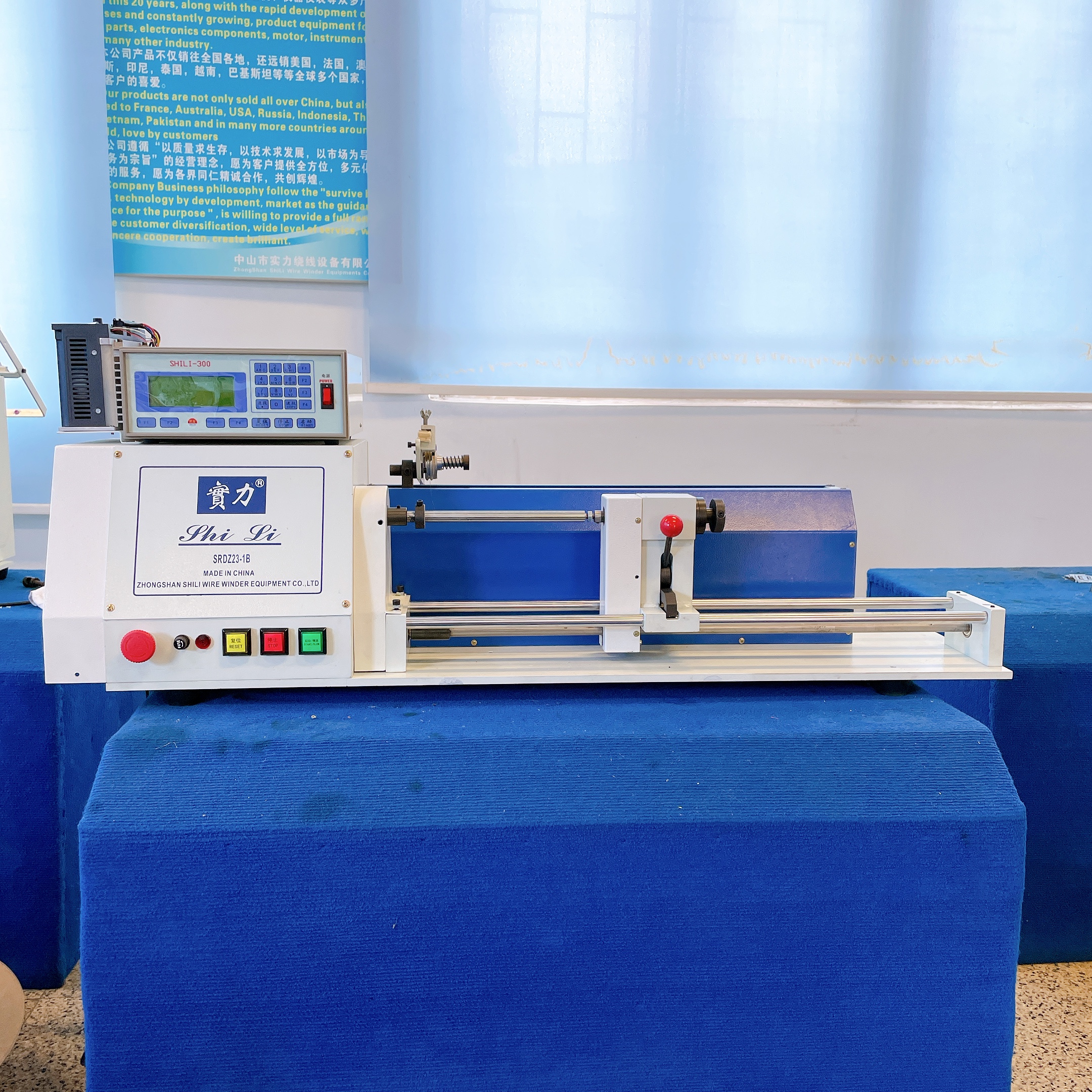
FAQ
What is the primary advantage of roller-based feeding in a fishing line winding machine?
Roller-based feeding systems reduce friction by moving the line in synchronization with the roller surface, minimizing relative motion and wear. Because the rollers rotate at the line velocity, drag is nearly eliminated compared to static contact surfaces. This synchronized approach allows a fishing line winding machine to operate at higher speeds while maintaining lower line damage rates, resulting in superior final product quality and longer component lifespan.
How does magnetic tension control benefit a fishing line winding machine?
Magnetic tension control eliminates friction by removing direct physical contact between the line and traditional tension plates. In a fishing line winding machine equipped with this technology, tension is applied through electromagnetic force rather than mechanical pressing, eliminating heat generation and contact wear. This contactless method works consistently across different line materials and diameters, making a fishing line winding machine more versatile while protecting line integrity and reducing maintenance demands.
Can multi-spindle design reduce friction in a fishing line winding machine?
Yes, multi-spindle fishing line winding machine architecture distributes line flow across multiple parallel feeding paths, reducing the cumulative friction load on any single mechanism. Each spindle in a fishing line winding machine operates with its own optimized feeding system, allowing lower individual tension and reduced contact stress. This design enables higher throughput while maintaining the low-friction conditions necessary for quality line production across all spindles simultaneously.