 EN
EN



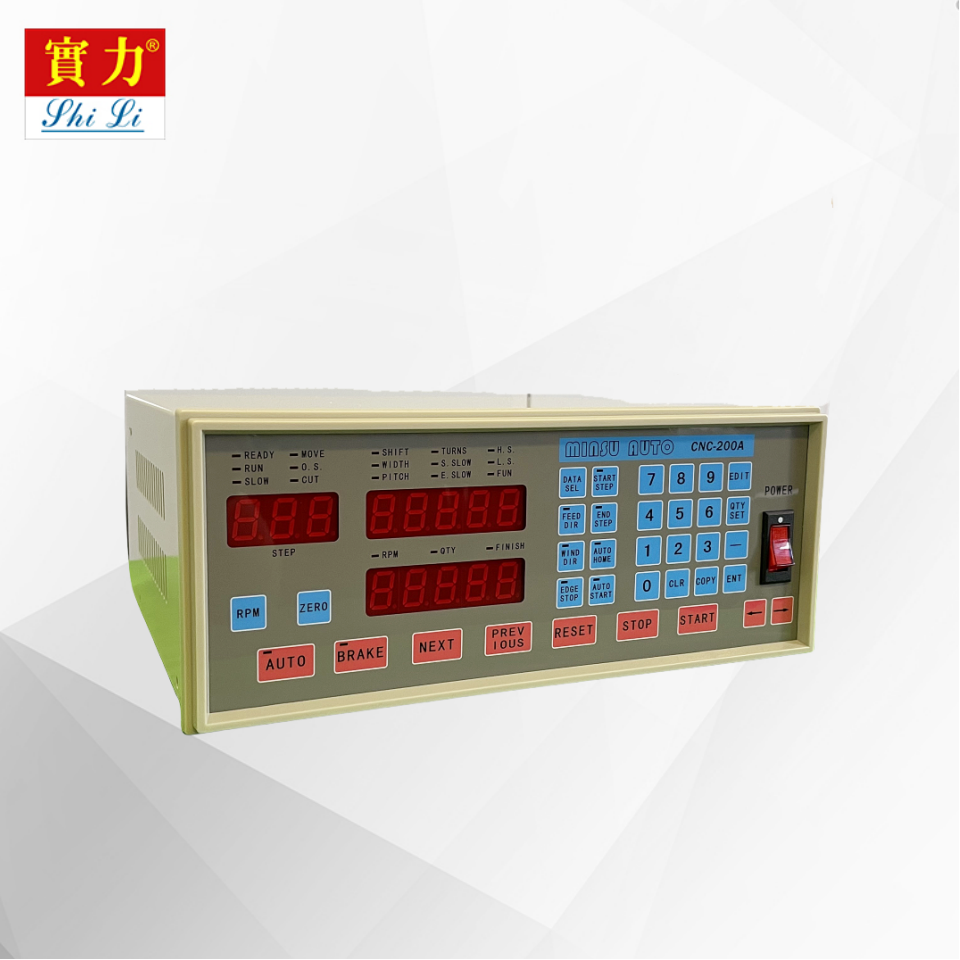
Selecting the right wire winding machine for industrial applications requires careful consideration of multiple technical factors, production requirements, and operational parameters. Industrial wire winding operations demand precision, reliability, and efficiency to meet high-volume production goals while maintaining consistent quality standards. The decision process involves evaluating machine capabilities against specific coil specifications, wire types, production volumes, and quality requirements that define successful industrial wire winding operations.
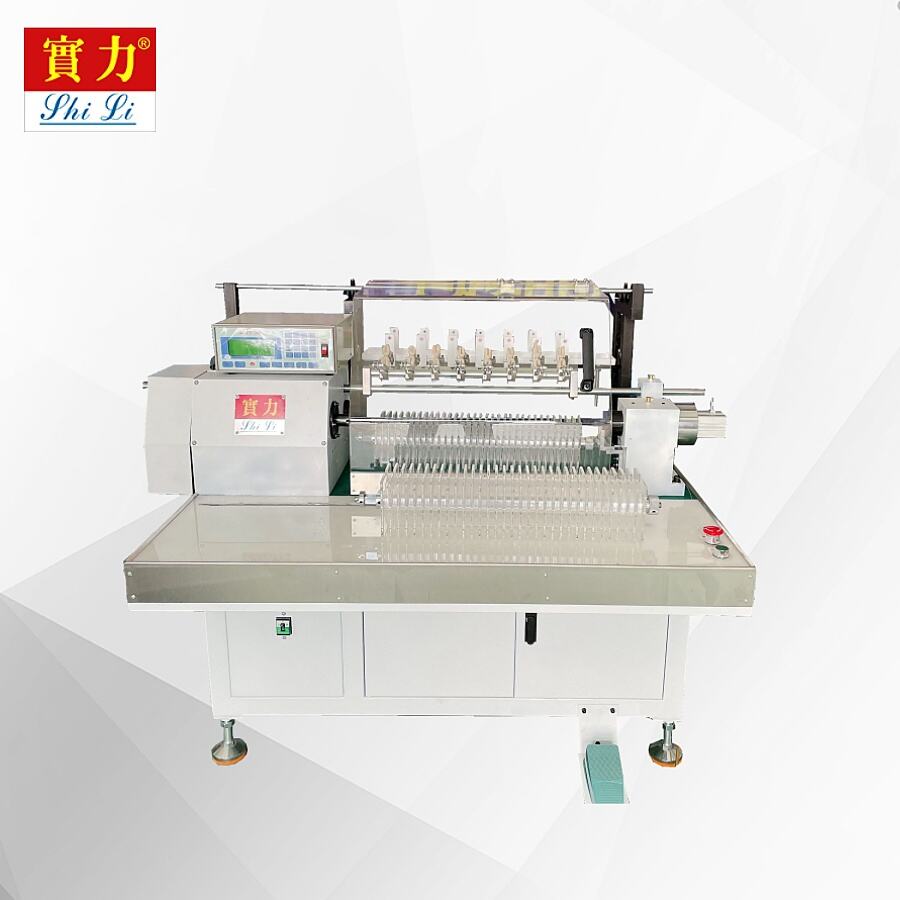
The selection process becomes critical when considering that industrial wire winding applications span diverse industries including automotive, electronics, medical devices, and power generation equipment. Each application presents unique challenges in terms of wire gauge compatibility, winding patterns, tension control, and production speed requirements. Understanding how to match machine specifications with specific industrial requirements ensures optimal performance, minimizes downtime, and maximizes return on investment in wire winding equipment.
Understanding Industrial Wire Winding Requirements
Production Volume and Speed Considerations
Industrial wire winding operations typically require high-speed production capabilities to meet demanding manufacturing schedules. When evaluating a wire winding machine for industrial use, production speed becomes a primary selection criterion that directly impacts manufacturing efficiency and cost-effectiveness. Industrial facilities often need machines capable of winding speeds ranging from 1000 to 5000 RPM, depending on wire gauge and coil complexity requirements.
The relationship between production volume and machine selection involves analyzing both current production needs and future scaling requirements. A properly selected wire winding machine should accommodate peak production periods while maintaining consistent quality standards throughout extended operation cycles. Industrial applications often require continuous operation capabilities, making machine durability and reliability essential factors in the selection process.
Speed requirements must be balanced against precision needs, as higher winding speeds can introduce challenges in maintaining tight tolerance control and consistent wire placement. Industrial wire winding machine selection should prioritize machines that offer variable speed control systems, allowing operators to optimize winding parameters for different coil types and production requirements.
Wire Gauge and Material Compatibility
Industrial wire winding applications encompass a wide range of wire gauges, from fine magnet wire used in precision electronics to heavy-duty conductors used in power applications. The selected wire winding machine must accommodate the full range of wire gauges required for current and anticipated future production needs. Compatibility extends beyond simple diameter ranges to include wire material properties, insulation types, and handling characteristics.
Different wire materials present unique winding challenges that influence machine selection criteria. Copper wire, aluminum conductors, and specialty alloys each require specific tension control capabilities and handling mechanisms. The wire winding machine selection process must consider how different materials respond to winding forces, temperature variations, and mechanical stress during the winding process.
Wire insulation types also impact machine compatibility requirements, as different insulation materials have varying flexibility, temperature sensitivity, and abrasion resistance characteristics. Industrial wire winding machine selection should account for the full spectrum of wire types and insulation systems used in the facility's production operations.
Evaluating Machine Technical Specifications
Precision and Tolerance Control Systems
Industrial applications demand exceptional precision in wire placement, turn counting, and dimensional consistency across production runs. The wire winding machine selection process must prioritize machines equipped with advanced control systems capable of maintaining tight tolerances even during high-speed operation. Precision requirements vary significantly between applications, with some industrial coils requiring positional accuracy within thousandths of an inch.
Modern wire winding machines incorporate sophisticated feedback systems, including encoders, sensors, and automated measurement capabilities that ensure consistent winding quality. The selection process should evaluate how these precision control systems integrate with existing quality management processes and production monitoring systems used in industrial environments.
Repeatability becomes crucial when producing large quantities of identical coils, as even minor variations can impact product performance and quality consistency. Industrial wire winding machine selection should focus on machines with proven track records for maintaining consistent winding parameters across extended production runs and multiple operator shifts.
Automation and Integration Capabilities
Industrial manufacturing environments increasingly rely on automated systems and integrated production lines to maximize efficiency and minimize labor costs. The wire winding machine selection process must consider how potential machines integrate with existing automation infrastructure, including material handling systems, quality inspection equipment, and production management software.
Advanced wire winding machine systems offer programmable logic controllers, recipe management capabilities, and network connectivity that enable seamless integration with enterprise resource planning systems. These integration capabilities become essential for industrial operations that require real-time production monitoring, automatic recipe selection, and coordinated workflow management.
The selection process should evaluate automation features including automatic wire threading, tension adjustment, and quality monitoring capabilities that reduce operator intervention requirements. Industrial wire winding machine selection increasingly favors machines that support lights-out operation and minimal manual setup requirements between production runs.
Assessing Operational and Maintenance Requirements
Machine Reliability and Durability
Industrial wire winding operations require machines capable of sustained high-duty cycle operation with minimal unplanned downtime. The selection process must evaluate machine construction quality, component durability, and reliability track records under demanding industrial operating conditions. Robust mechanical construction becomes essential when machines operate continuously across multiple shifts in industrial environments.
Critical components including drive systems, tension control mechanisms, and positioning systems must demonstrate proven reliability under industrial operating conditions. The wire winding machine selection process should investigate component quality, supplier support infrastructure, and availability of replacement parts to ensure long-term operational sustainability.
Environmental factors common in industrial facilities, including temperature variations, humidity levels, and airborne contaminants, impact machine reliability and maintenance requirements. Industrial wire winding machine selection should consider how machines perform under actual facility conditions and what protective measures may be necessary to ensure reliable operation.
Maintenance Accessibility and Service Support
Planned maintenance efficiency directly impacts production uptime and operational costs in industrial wire winding operations. The machine selection process must evaluate accessibility of critical components, ease of routine maintenance procedures, and availability of comprehensive service documentation. Well-designed industrial wire winding machines provide clear access to wear components and incorporate maintenance-friendly features that minimize service time requirements.
Service support infrastructure becomes crucial for industrial operations where equipment downtime directly impacts production schedules and customer commitments. The wire winding machine selection process should investigate supplier service capabilities, including response times, technical support availability, and local service presence that ensures rapid problem resolution when issues arise.
Training requirements for maintenance personnel represent another important selection consideration, as complex machines may require specialized knowledge and certification programs. Industrial facilities benefit from selecting wire winding machines that offer comprehensive training programs and detailed maintenance documentation that supports in-house service capabilities.
Economic and Strategic Considerations
Total Cost of Ownership Analysis
Industrial wire winding machine selection requires comprehensive economic analysis that extends beyond initial purchase price to include operating costs, maintenance expenses, and productivity benefits over the machine's operational lifetime. Total cost of ownership calculations should incorporate energy consumption, spare parts costs, and labor requirements associated with different machine options under evaluation.
Productivity benefits achieved through improved winding speeds, reduced setup times, and enhanced quality consistency can significantly offset higher initial investment costs when evaluated over typical industrial equipment lifecycles. The selection process should quantify how different wire winding machine options impact overall production efficiency and quality metrics that drive manufacturing profitability.
Return on investment calculations become particularly important when selecting advanced wire winding machine systems with sophisticated automation and control capabilities. Industrial facilities must evaluate how technology investments translate into measurable improvements in production capacity, quality consistency, and operational efficiency that justify equipment costs.
Future Scalability and Flexibility
Industrial production requirements evolve continuously, making future adaptability an important consideration in wire winding machine selection processes. Machines should accommodate anticipated changes in product mix, production volumes, and technical requirements without requiring complete equipment replacement or major modifications that disrupt production operations.
Modular machine designs offer advantages for industrial applications by enabling capability expansion through additional tooling, software upgrades, or accessory installations. The wire winding machine selection process should evaluate how different options support future production needs and technology advancement without obsoleting existing investments.
Technology roadmaps and upgrade pathways become increasingly important as industrial facilities implement Industry 4.0 initiatives and advanced manufacturing technologies. Industrial wire winding machine selection should consider how current investments align with long-term digitalization strategies and smart manufacturing objectives that drive competitive advantage.
FAQ
What wire gauge range should an industrial wire winding machine accommodate?
Industrial wire winding machines typically need to handle wire gauges ranging from 14 AWG to 44 AWG, depending on specific application requirements. The selected machine should accommodate the full range of wire sizes used in current production plus additional capacity for future product development needs. Some specialized industrial applications may require machines capable of handling even heavier or finer wire gauges beyond this standard range.
How do I determine the required winding speed for my industrial application?
Required winding speed depends on production volume targets, coil complexity, and quality requirements. Calculate required speed by dividing total daily coil production needs by available operating hours, then factor in setup time and quality control requirements. Most industrial wire winding machines operate effectively between 1000-3000 RPM for standard applications, with higher speeds possible for simpler coil geometries.
What maintenance schedule is typical for industrial wire winding machines?
Industrial wire winding machines typically require daily lubrication checks, weekly tension system calibration, and monthly comprehensive inspections of critical components. Preventive maintenance intervals vary by manufacturer and operating conditions, but most industrial machines benefit from quarterly detailed maintenance and annual major service procedures. High-duty cycle operations may require more frequent maintenance intervals to ensure reliable performance.
How important is programmable control capability in industrial wire winding machine selection?
Programmable control systems are essential for industrial applications requiring consistent quality and efficient changeovers between different coil types. Modern industrial wire winding machines should offer recipe storage, automatic parameter adjustment, and integration capabilities with production management systems. These features significantly reduce setup times and ensure consistent winding parameters across multiple production runs and operator shifts.
Table of Contents
- Understanding Industrial Wire Winding Requirements
- Evaluating Machine Technical Specifications
- Assessing Operational and Maintenance Requirements
- Economic and Strategic Considerations
-
FAQ
- What wire gauge range should an industrial wire winding machine accommodate?
- How do I determine the required winding speed for my industrial application?
- What maintenance schedule is typical for industrial wire winding machines?
- How important is programmable control capability in industrial wire winding machine selection?