 EN
EN



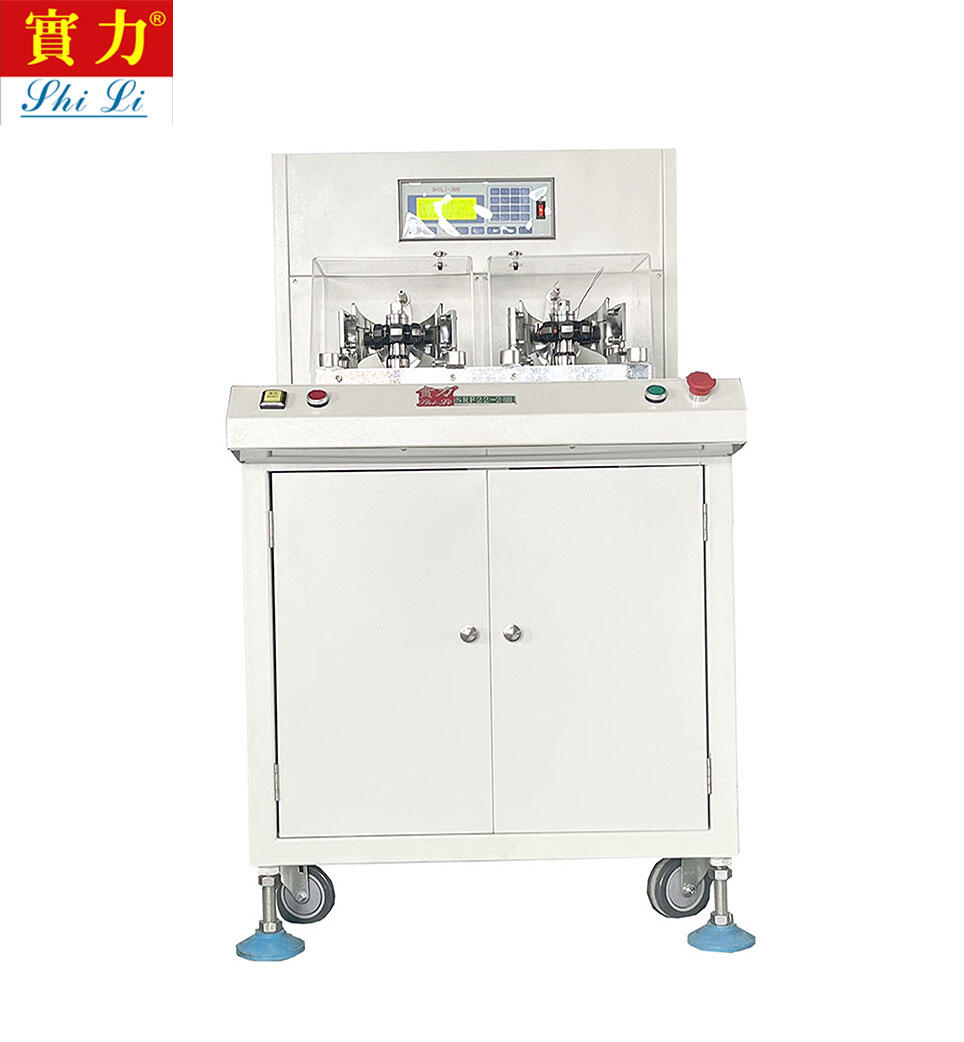
Proper maintenance of your stator winding machine is critical for ensuring consistent production quality, minimizing downtime, and extending equipment lifespan. Industrial manufacturers rely heavily on these precision machines to produce motor stators efficiently, making preventive maintenance a cornerstone of operational success. Understanding the key maintenance points requires a systematic approach that addresses mechanical, electrical, and operational aspects of your stator winding machine.
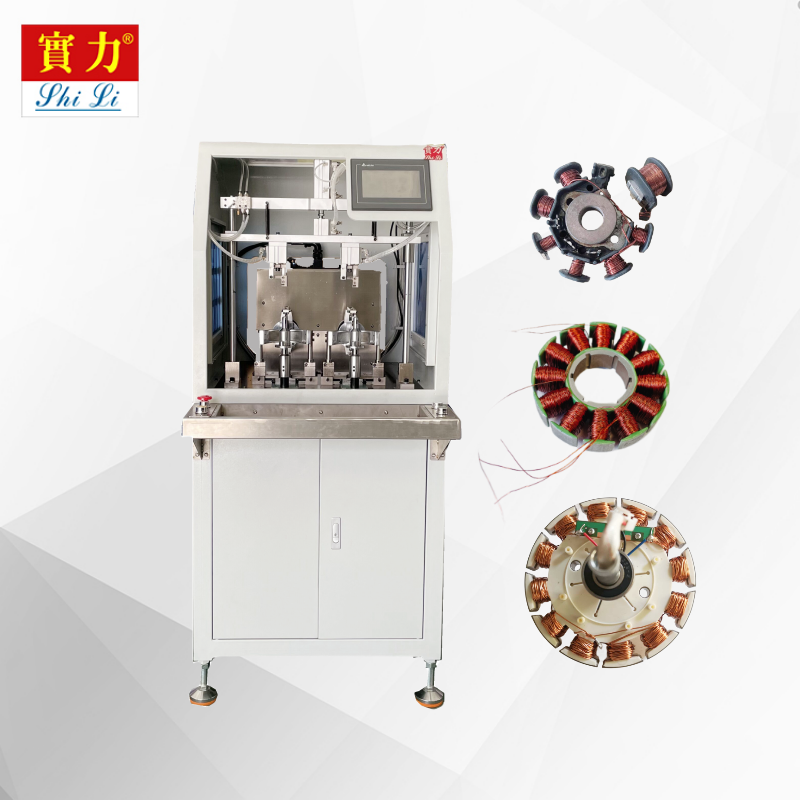
Effective maintenance strategies for stator winding machines encompass multiple critical areas that directly impact production efficiency and product quality. From mechanical component inspection to electrical system monitoring, each maintenance point serves a specific purpose in maintaining optimal machine performance. The complexity of modern stator winding equipment demands a comprehensive understanding of maintenance priorities to prevent costly breakdowns and ensure consistent output quality.
Mechanical Component Maintenance Requirements
Spindle and Chuck System Inspection
The spindle system represents the heart of any stator winding machine, requiring meticulous attention during maintenance cycles. Regular inspection of spindle bearings ensures smooth rotation and prevents vibrations that could compromise winding precision. Check for any signs of wear, unusual noise, or heat buildup during operation, as these indicators often signal bearing deterioration before complete failure occurs.
Chuck mechanisms must maintain precise alignment to ensure accurate stator positioning throughout the winding process. Inspect chuck jaws for wear patterns, proper clamping force, and alignment accuracy using precision measurement tools. Any deviation in chuck performance directly affects winding quality and may result in rejected parts or production delays.
Lubrication schedules for spindle systems require strict adherence to manufacturer specifications. Use only approved lubricants and maintain proper lubrication intervals to prevent premature wear and ensure optimal performance of your stator winding machine components.
Wire Guide and Tensioning System Maintenance
Wire guide systems require regular cleaning and inspection to prevent wire damage during the winding process. Accumulated debris or worn guide surfaces can cause wire nicks, breaks, or inconsistent tensioning that compromises winding quality. Inspect all wire path components for smoothness and proper alignment to maintain consistent wire delivery.
Tensioning mechanisms must maintain consistent wire tension throughout the winding cycle to achieve uniform coil density and electrical characteristics. Calibrate tension sensors regularly using certified reference standards to ensure accurate readings and consistent performance across production runs.
Wire feeding systems benefit from regular cleaning to remove accumulated wire residue and contaminants that could interfere with smooth wire delivery. Pay particular attention to wire guides, tensioning wheels, and feed mechanisms that directly contact the copper wire during operation.
Electrical System Monitoring and Care
Control System Diagnostics
Modern stator winding machines incorporate sophisticated control systems that require regular diagnostic testing to maintain optimal performance. Monitor control system error logs for recurring issues or fault patterns that might indicate developing problems before they cause production interruptions.
Servo motor systems driving the winding operations need periodic calibration to maintain positioning accuracy and speed control. Verify encoder feedback systems and check for any drift in positioning accuracy that could affect winding precision over time.
Power supply monitoring ensures stable electrical conditions for sensitive control components. Check voltage levels, current consumption patterns, and power quality indicators to identify potential electrical issues that might affect stator winding machine performance or cause premature component failure.
Safety System Verification
Emergency stop systems require regular functional testing to ensure operator safety and equipment protection. Verify that all emergency stop buttons, light curtains, and safety interlocks function properly and respond within specified time limits.
Electrical safety systems including ground fault protection and overcurrent protection devices need periodic testing to confirm proper operation. These safety systems protect both operators and equipment from electrical hazards during normal operation and fault conditions.
Lockout and tagout procedures for maintenance activities must be reviewed and updated regularly to reflect any changes in equipment configuration or safety requirements. Ensure all maintenance personnel understand proper safety procedures for your specific stator winding machine model.
Calibration and Accuracy Verification
Dimensional Accuracy Checks
Winding accuracy directly depends on precise mechanical positioning throughout the winding cycle. Use calibrated measurement tools to verify positioning accuracy of all moving components including wire guides, tensioning systems, and stator positioning mechanisms.
Repeatability testing ensures consistent performance across multiple winding cycles. Document positioning accuracy and repeatability measurements to establish baseline performance and track any degradation over time that might require corrective action.
Template and fixture accuracy affects the final geometry of wound stators and must be verified regularly using precision measurement equipment. Any wear or damage to these components can result in dimensional variations that affect motor performance characteristics.
Process Parameter Validation
Winding speed settings require periodic verification to ensure they remain within specified ranges for different stator configurations. Document actual winding speeds and compare them to programmed values to identify any drift in servo motor performance or control system accuracy.
Wire tension monitoring systems need regular calibration using certified reference loads to maintain accuracy. Incorrect tension readings can result in loose or overly tight windings that affect motor performance and reliability.
Turn count accuracy verification ensures proper electrical characteristics in finished stators. Compare programmed turn counts with actual counts using independent verification methods to confirm control system accuracy and prevent electrical performance issues.
Preventive Maintenance Scheduling
Daily Inspection Routines
Daily maintenance checks for stator winding machines should focus on visual inspection of critical components and operational parameters. Check for unusual noises, vibrations, or visible wear that might indicate developing problems requiring immediate attention.
Lubrication point inspection ensures adequate lubrication levels and identifies any leaks or contamination that could affect component performance. Monitor oil levels, grease condition, and lubrication system operation as part of daily maintenance routines.
Wire path inspection prevents production delays caused by wire feeding problems or guide wear. Clean wire guides and check for proper wire alignment to maintain consistent winding quality throughout production runs.
Scheduled Maintenance Intervals
Weekly maintenance activities should include more detailed inspections of wear components and accuracy verification of critical systems. Document all findings and measurements to establish maintenance trends and predict future service requirements.
Monthly maintenance schedules typically include calibration verification, detailed electrical system checks, and replacement of consumable components according to manufacturer recommendations. Plan these activities during scheduled production downtime to minimize operational impact.
Annual maintenance programs should include comprehensive system overhauls, major component replacement, and complete accuracy verification of all stator winding machine systems. Use these opportunities to implement any available upgrades or modifications that improve performance or reliability.
FAQ
How often should I lubricate my stator winding machine components?
Lubrication frequency depends on operating conditions and manufacturer specifications, but typically ranges from daily for high-speed components to monthly for less critical systems. Check your machine manual for specific lubrication schedules and use only approved lubricants. Operating environment, production volume, and ambient conditions may require more frequent lubrication intervals to maintain optimal performance.
What are the most critical maintenance points that could cause production downtime?
Spindle bearing failure, wire guide wear, and control system malfunctions represent the most common causes of unplanned downtime in stator winding machines. Regular monitoring of these systems through vibration analysis, visual inspection, and diagnostic testing can identify problems before they cause production interruptions. Maintaining spare parts inventory for critical wear components helps minimize downtime when replacement becomes necessary.
How do I know when my stator winding machine needs professional service?
Professional service becomes necessary when positioning accuracy degrades beyond acceptable limits, when recurring electrical faults occur, or when mechanical wear exceeds safe operating parameters. Unusual noises, vibrations, or inconsistent winding quality often indicate the need for expert diagnosis and repair. Additionally, if maintenance logs show increasing frequency of minor problems or if calibration adjustments become necessary more frequently, professional evaluation can prevent major failures.
Can I perform calibration adjustments on my stator winding machine myself?
Basic calibration adjustments such as wire tension settings and simple positioning parameters can often be performed by trained operators using proper procedures and calibrated equipment. However, complex servo system calibration, safety system adjustments, and major mechanical alignments typically require specialized training and equipment. Always consult your machine manual and manufacturer recommendations before attempting any calibration procedures to avoid damaging sensitive components or creating safety hazards.