 EN
EN


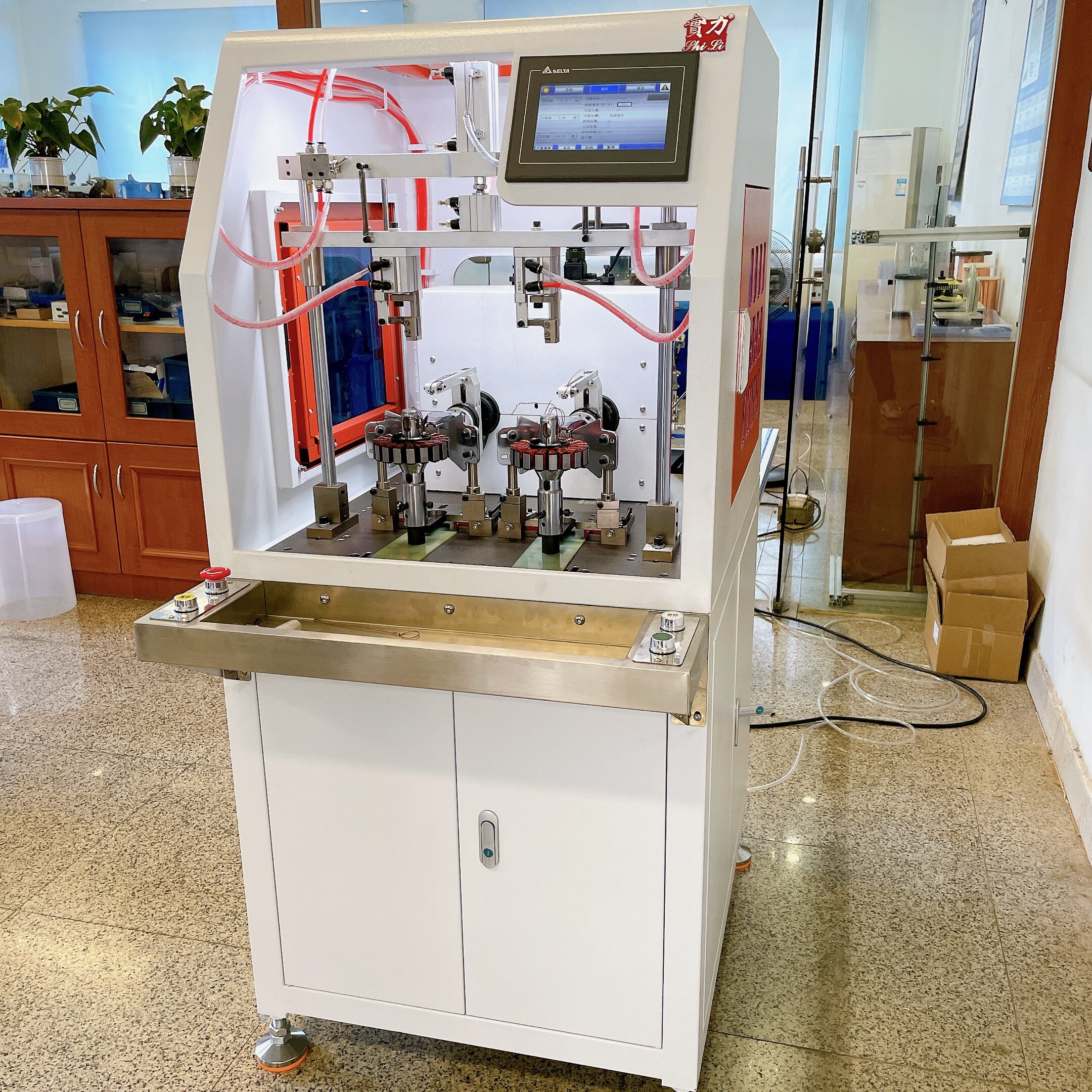
Selecting the right stator winding machine for automated production requires careful evaluation of multiple technical and operational factors that directly impact manufacturing efficiency, product quality, and long-term profitability. Modern automated production environments demand precision equipment that can seamlessly integrate with existing systems while delivering consistent performance across high-volume manufacturing cycles.
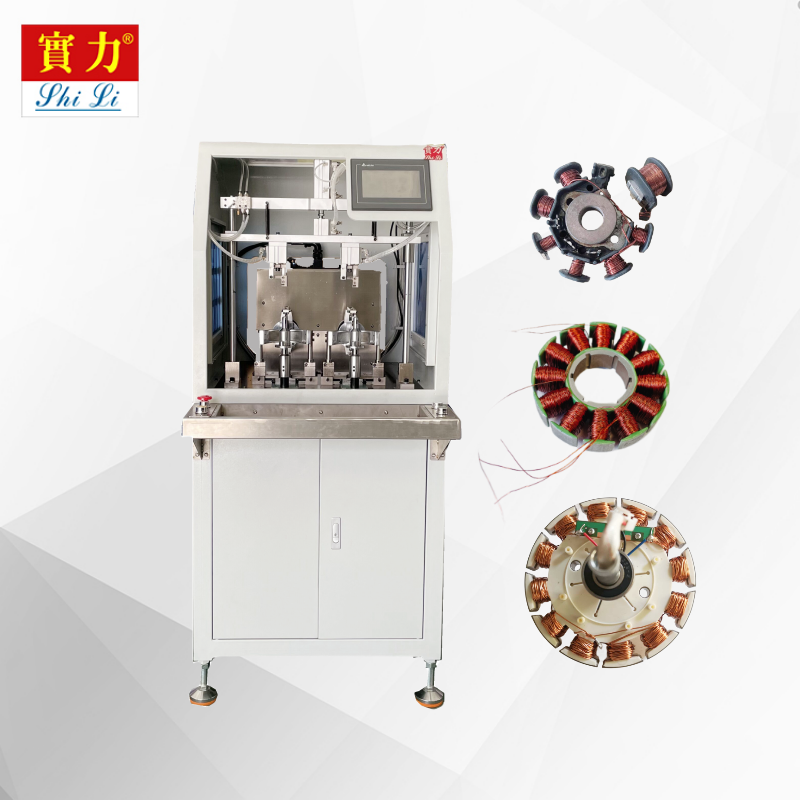
The choice between different stator winding machine configurations depends on specific production requirements, including stator size ranges, winding patterns, throughput targets, and quality specifications. Understanding these critical selection criteria enables manufacturers to make informed decisions that optimize their automated production capabilities and ensure sustainable competitive advantages in demanding industrial markets.
Production Volume and Throughput Requirements
Daily Production Capacity Assessment
Determining the appropriate stator winding machine capacity begins with accurate assessment of daily production targets and peak demand periods. High-volume automated facilities typically require equipment capable of processing hundreds or thousands of stators per shift, necessitating robust mechanical systems and advanced control technologies that maintain consistent performance under continuous operation.
Multi-spindle configurations often provide superior throughput compared to single-spindle alternatives, allowing simultaneous processing of multiple stators and significantly reducing cycle times. Modern stator winding machine designs incorporate parallel processing capabilities that can double or triple production output while maintaining precision tolerances essential for quality motor performance.
Production planning must account for setup time, changeover requirements, and maintenance intervals when calculating effective throughput. Automated systems with quick-change tooling and programmable winding parameters minimize downtime and maximize productive capacity, ensuring consistent delivery against demanding production schedules.
Scalability and Future Expansion
Successful stator winding machine selection considers long-term production growth and market expansion requirements. Modular equipment designs enable incremental capacity increases without complete system replacement, providing cost-effective scalability that adapts to changing business demands and market opportunities.
Flexible automation platforms support multiple stator configurations and winding specifications within a single production line, allowing manufacturers to serve diverse customer requirements without significant equipment modifications. This versatility proves particularly valuable in markets with varying motor types and evolving technical specifications.
Investment in expandable stator winding machine architectures protects against technological obsolescence and provides pathway for incorporating future innovations in motor design and manufacturing processes. Forward-looking equipment selection strategies maximize return on investment and maintain competitive positioning in dynamic industrial markets.
Stator Size and Configuration Compatibility
Diameter and Slot Range Specifications
Stator winding machine selection must align with the specific diameter ranges and slot configurations required by target motor applications. Equipment specifications should accommodate both current production requirements and anticipated future product developments, ensuring long-term manufacturing flexibility and operational efficiency.
Adjustable tooling systems enable processing of multiple stator sizes within defined ranges, reducing equipment investment requirements and simplifying production planning. Modern stator winding machine designs incorporate servo-controlled positioning and programmable parameters that automatically adjust for different stator geometries and winding specifications.
Precision tolerance capabilities become increasingly important as motor designs evolve toward higher efficiency and performance standards. Equipment must maintain consistent winding density, wire placement accuracy, and tension control across all supported stator configurations to ensure reliable motor performance and quality consistency.
Wire Gauge and Material Handling
Different motor applications require specific wire gauges and materials that influence stator winding machine selection criteria. Heavy-duty industrial motors typically utilize larger wire gauges that demand robust feeding systems and higher tension capabilities, while precision applications may require fine wire handling with enhanced control sensitivity.
Automated wire feeding systems must accommodate various copper and aluminum wire types while maintaining consistent tension and preventing damage during the winding process. Advanced stator winding machine designs incorporate intelligent wire handling that automatically adjusts feeding parameters based on material properties and winding specifications.
Multiple wire feeding capabilities enable parallel winding operations that significantly reduce cycle times and improve production efficiency. Synchronized feeding systems ensure uniform wire placement and consistent electrical characteristics across all stator phases, meeting stringent quality requirements for high-performance motor applications.
Automation Integration and Control Systems
Manufacturing Execution System Connectivity
Modern stator winding machine integration requires seamless connectivity with existing manufacturing execution systems and quality management platforms. Real-time data exchange enables comprehensive production monitoring, quality tracking, and predictive maintenance capabilities that optimize overall equipment effectiveness and minimize unplanned downtime.
Industry-standard communication protocols ensure compatibility with diverse automation architectures and facilitate future system upgrades without significant integration challenges. Open architecture control systems provide flexibility for customization and adaptation to specific production requirements and quality standards.
Centralized production control enables coordinated operation of multiple stator winding machine units within integrated manufacturing cells, optimizing material flow and minimizing work-in-process inventory. Synchronized operations improve overall line efficiency and ensure consistent product quality across high-volume production environments.
Quality Control and Process Monitoring
Integrated quality control systems provide real-time monitoring of critical winding parameters including wire tension, layer distribution, and resistance measurements. Automated inspection capabilities detect deviations from specifications and initiate corrective actions before defective products reach downstream processes, reducing scrap rates and improving overall quality performance.
Statistical process control integration enables continuous monitoring of stator winding machine performance and identification of process trends that may indicate developing quality issues or maintenance requirements. Proactive quality management prevents costly production disruptions and maintains consistent customer satisfaction levels.
Traceability systems capture detailed production data for each stator, enabling comprehensive quality documentation and facilitating rapid response to customer inquiries or quality investigations. Complete process records support continuous improvement initiatives and regulatory compliance requirements in demanding industrial applications.
Technical Specifications and Performance Criteria
Precision and Accuracy Requirements
Stator winding machine precision capabilities directly impact motor performance characteristics and must align with specific application requirements. High-efficiency motor designs demand exceptional winding consistency and wire placement accuracy that requires advanced servo control systems and precision mechanical components.
Repeatability specifications become critical in high-volume production where consistent electrical characteristics across thousands of stators determine overall product quality and customer satisfaction. Modern equipment achieves positioning accuracies measured in hundredths of millimeters, ensuring uniform coil geometry and predictable motor performance.
Temperature stability and environmental compensation systems maintain consistent precision performance across varying operating conditions and production schedules. Thermal management of critical components prevents accuracy degradation and ensures reliable long-term performance in demanding manufacturing environments.
Speed and Efficiency Optimization
Winding speed capabilities must balance production throughput requirements with quality considerations and equipment longevity. High-speed stator winding machine operation requires advanced motion control systems and vibration dampening to maintain precision while maximizing productive capacity.
Cycle time optimization involves coordinated movement of multiple machine axes and efficient wire handling systems that minimize non-productive time. Intelligent motion planning reduces acceleration forces and mechanical stress while maintaining maximum practical winding speeds for sustainable high-volume production.
Energy efficiency considerations become increasingly important in automated production environments where equipment operates continuously across multiple shifts. Modern servo drive systems and optimized mechanical designs reduce power consumption while maintaining superior performance characteristics and operational reliability.
Cost Analysis and Return on Investment
Initial Investment and Operating Costs
Comprehensive cost analysis for stator winding machine selection must consider initial equipment investment, installation requirements, training costs, and ongoing operational expenses. Total cost of ownership calculations provide accurate comparison between different equipment options and support informed investment decisions.
Operating cost factors include energy consumption, maintenance requirements, consumable materials, and labor efficiency improvements achieved through automation. Advanced stator winding machine designs often justify higher initial investments through reduced operating costs and improved production efficiency over equipment lifecycles.
Financing options and equipment lifecycle considerations influence investment strategies and cash flow planning for manufacturing expansion projects. Lease arrangements and technology upgrade paths provide flexibility for organizations managing capital allocation across multiple production initiatives.
Productivity and Quality Improvements
Quantifiable productivity improvements from advanced stator winding machine technology include reduced cycle times, improved yield rates, and enhanced product consistency that translates directly to bottom-line financial benefits. Accurate measurement of these improvements supports investment justification and performance tracking.
Quality improvements reduce warranty costs, customer complaints, and field service requirements while enabling premium pricing for superior motor performance. Consistent stator winding quality contributes to overall product differentiation and competitive positioning in demanding industrial markets.
Labor efficiency gains through automation reduce direct manufacturing costs while enabling skilled workers to focus on higher-value activities including process optimization, quality improvement, and new product development. Strategic workforce redeployment maximizes human resource utilization and organizational capability development.
FAQ
What stator size ranges can modern automated winding machines accommodate?
Modern automated stator winding machines typically accommodate diameter ranges from 50mm to 500mm or larger, depending on the specific equipment configuration and application requirements. Multi-spindle systems often handle multiple sizes simultaneously, while adjustable tooling enables quick changeovers between different stator geometries within the supported range.
How do multi-spindle configurations compare to single-spindle systems for automated production?
Multi-spindle stator winding machines provide significantly higher throughput by processing multiple stators simultaneously, often doubling or tripling production capacity compared to single-spindle alternatives. However, they require higher initial investment and more complex setup procedures, making them most suitable for high-volume production environments with consistent product mix requirements.
What maintenance requirements should be expected for automated stator winding equipment?
Automated stator winding machines typically require daily cleaning and lubrication, weekly precision checks, and monthly comprehensive inspections of mechanical components and control systems. Preventive maintenance schedules depend on production volume and operating conditions, but properly maintained equipment can operate reliably for thousands of hours between major service intervals.
How important is integration capability with existing manufacturing systems?
Integration capability is crucial for automated production environments, as stator winding machines must communicate with manufacturing execution systems, quality control databases, and upstream/downstream equipment. Modern systems support industry-standard communication protocols and provide real-time data exchange for comprehensive production monitoring and optimization.
Table of Contents
- Production Volume and Throughput Requirements
- Stator Size and Configuration Compatibility
- Automation Integration and Control Systems
- Technical Specifications and Performance Criteria
- Cost Analysis and Return on Investment
-
FAQ
- What stator size ranges can modern automated winding machines accommodate?
- How do multi-spindle configurations compare to single-spindle systems for automated production?
- What maintenance requirements should be expected for automated stator winding equipment?
- How important is integration capability with existing manufacturing systems?