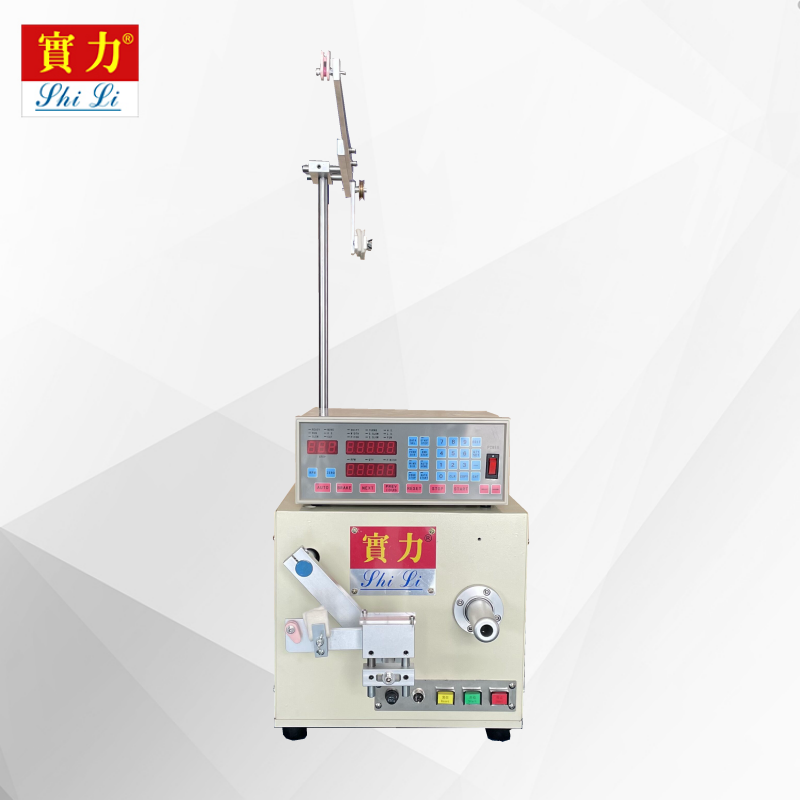
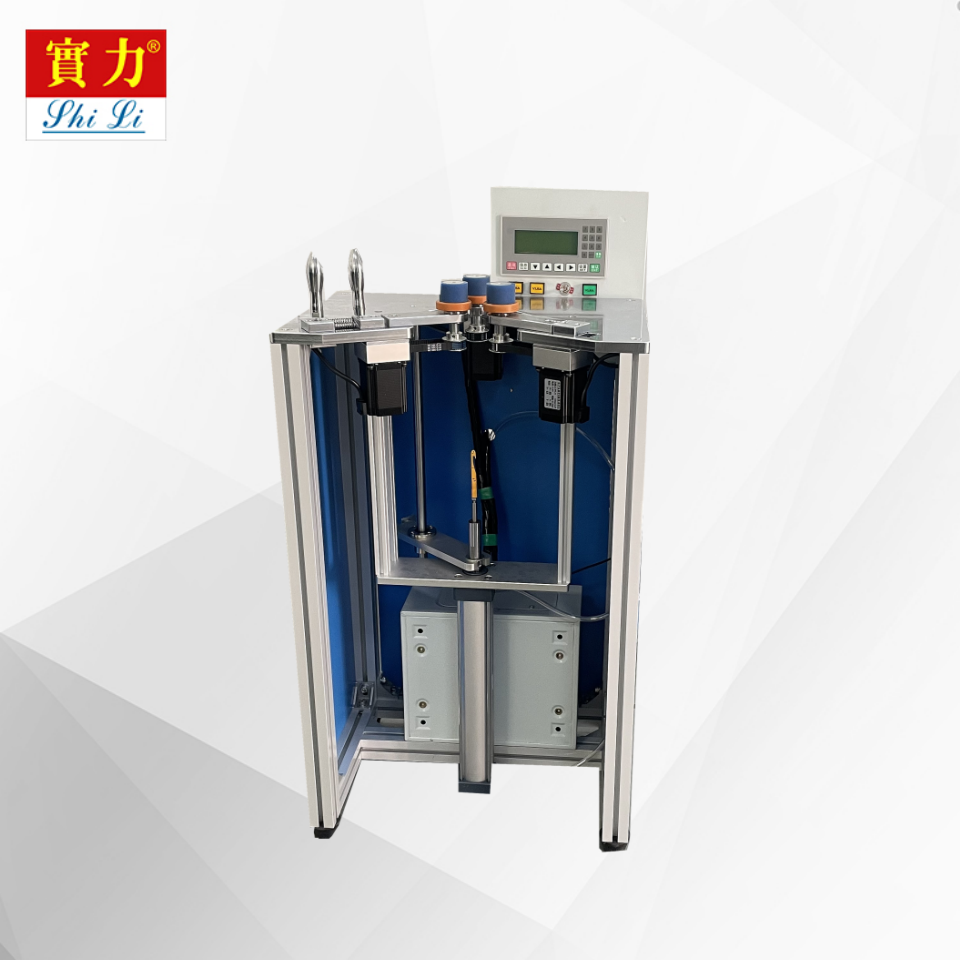
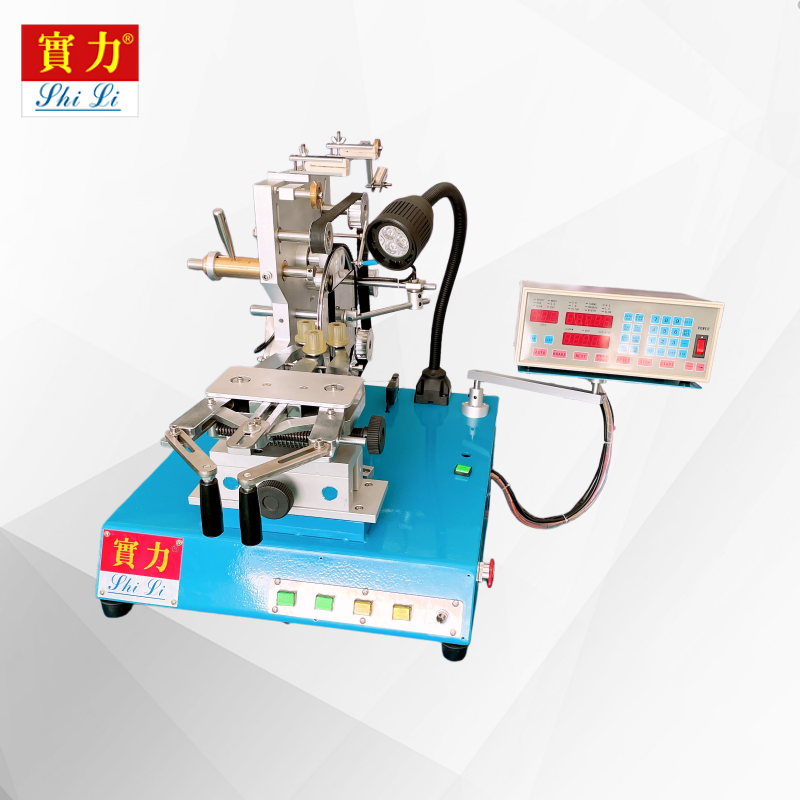
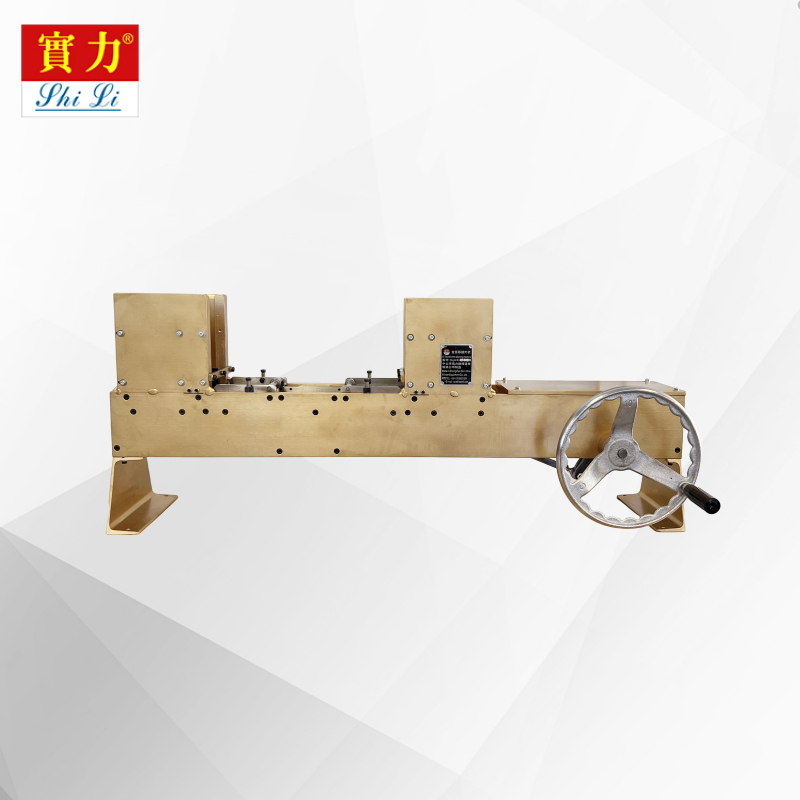
машина за навијање жичне кобина
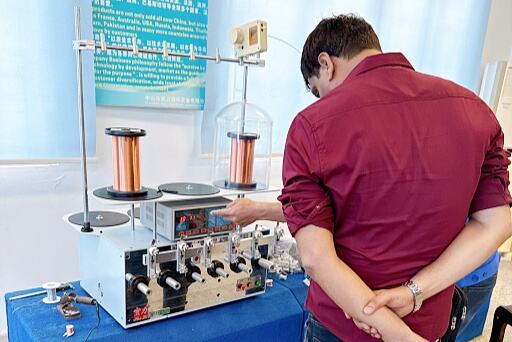
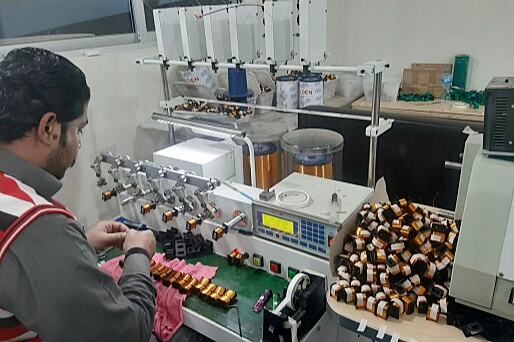
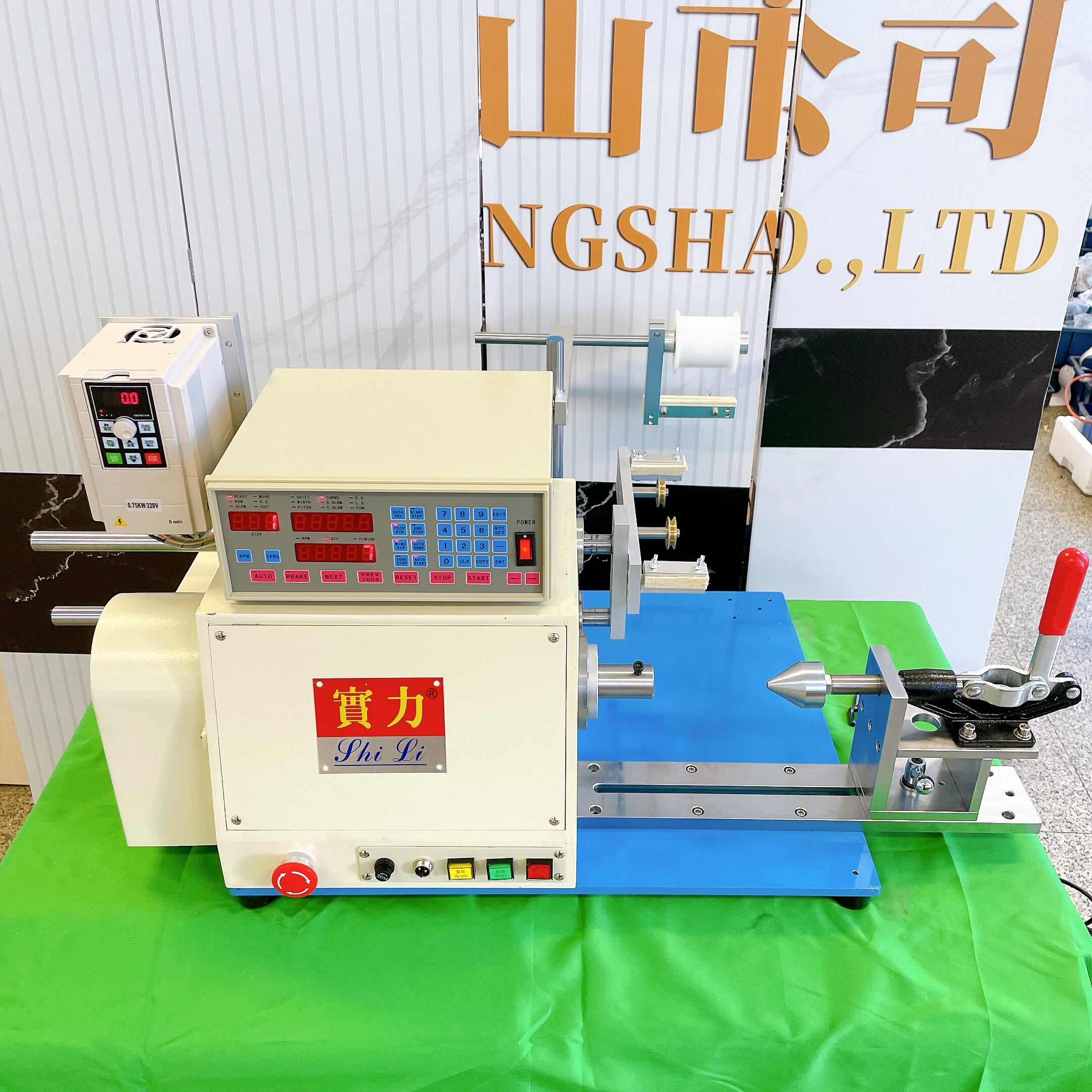
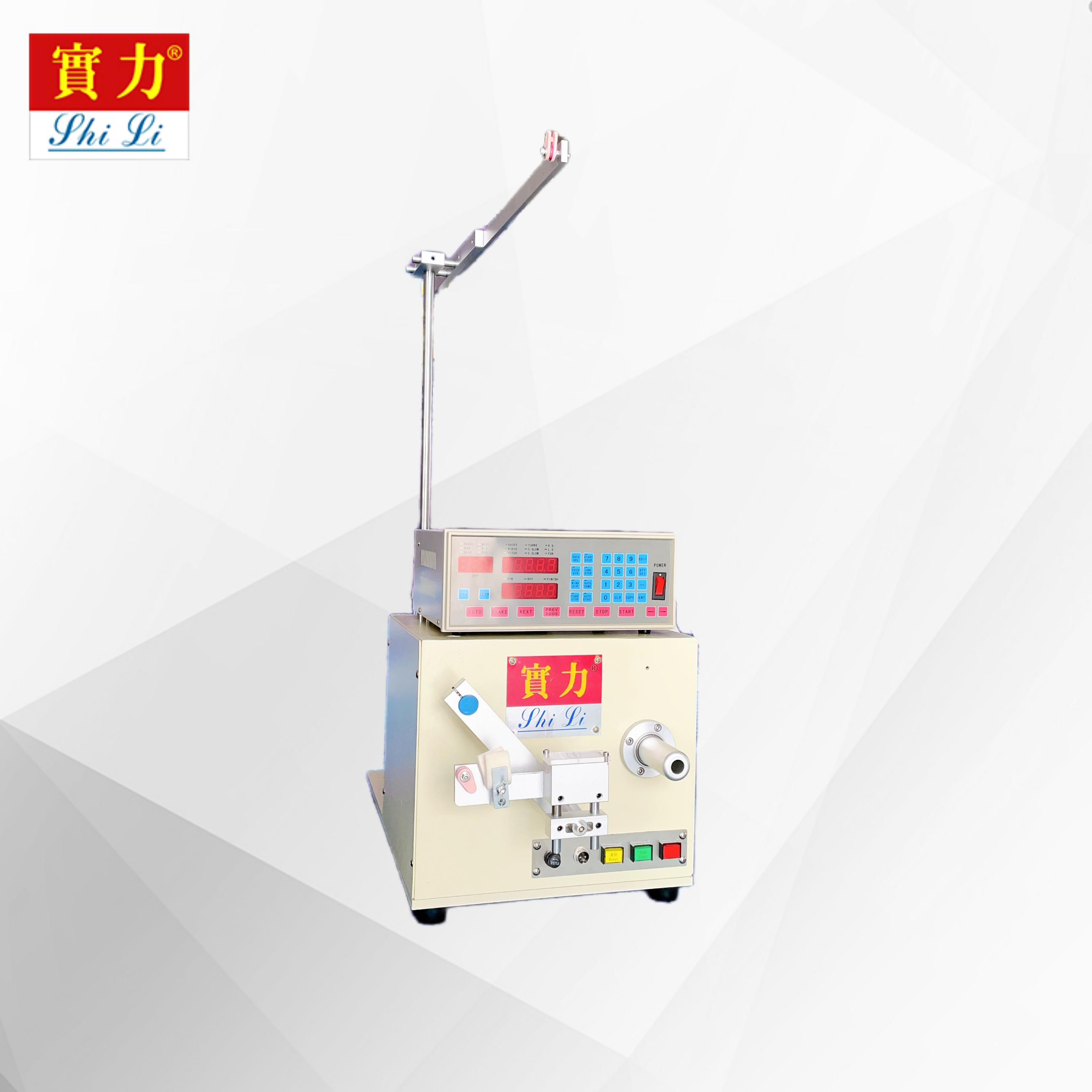
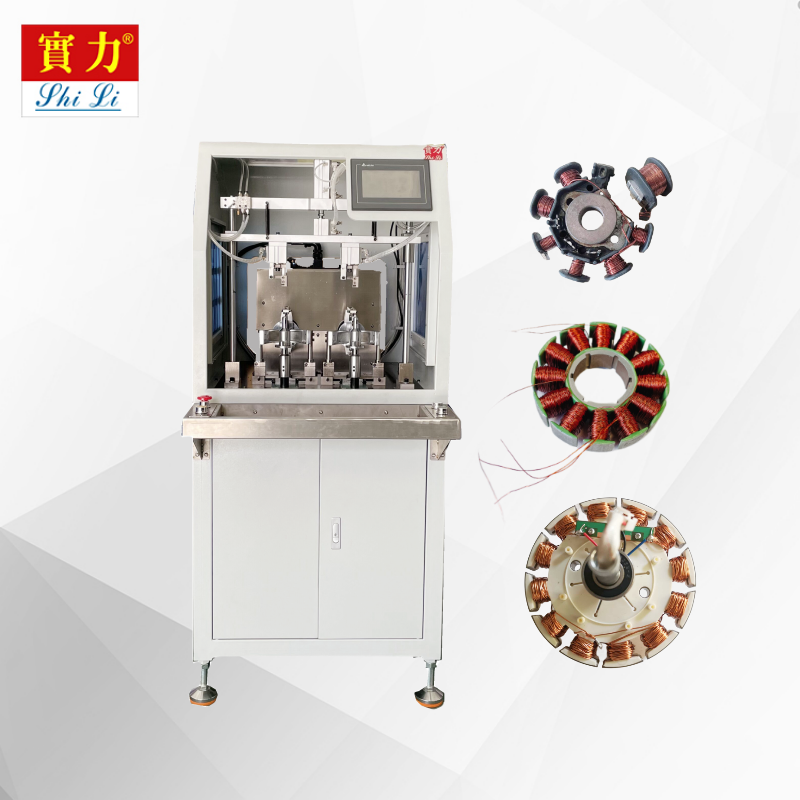
Машина за намотавање жичне катушке представља софистициран индустријски уређај дизајниран да аутоматизује процес намотавања жице на катушке, спиле или намотачке са изузетном прецизношћу и ефикасношћу. Ова напредна машина служи као кичма бројних производних операција у различитим индустријама, од електронике и телекомуникација до аутомобилског и ваздухопловног сектора. Основна функција машине за намотавање жичне вијаче се фокусира на контролу напетости, брзине и слојеног образаца жице док се опкружује око цилиндричних језгра, обезбеђујући доследан квалитет и оптималну перформансу у коначном производу. Модерне машине за намотавање жичне кобуле укључују најсавременије технолошке карактеристике, укључујући програмиране логичке контролере, сервомоторске системе и рачунарски контролисане системе за управљање напетом који пружају неупоредиву тачност у постављању жице и формирање кобуле. Ове машине обично имају подешавајућу брзину намотања, од спорих прецизних апликација до брзих производних радња, прихватајући различите мерење жица од ултра-фина проводника до тешка кабела. Технолошка архитектура укључује софистициране сензорске системе који надгледају прелом жица, откривају неисправне нивое напетости и аутоматски прилагођавају параметре како би се одржала конзистентност производа током процеса намотавања. Машине за намотавање жичне коцке налазе широку примену у производњи трансформатора, где је прецизно намотавање намотава критично за електричне перформансе и стандарде безбедности. Телекомуникацијска индустрија се у великој мери ослања на ове машине за производњу кабела са оптичким влаконцем и зглобова бакарних жица који се користе у мрежној инфраструктури. Произвођачи аутомобила користе машине за намотавање жичне вијачке за стварање зажиганих намотача, сензорских скупова и различитих електричних компоненти које захтевају тачне спецификације и поуздану перформансу. Аерокосмички сектор зависи од ових машина за производњу специјализованих жица и електромагнетних компоненти који морају да испуне строге захтеве квалитета. Поред тога, произвођачи потрошњене електронике користе машине за намотавање жичне вијаке за производњу индуктора, трансформатора и моторских намотава који се користе у свему, од паметних телефона до кућних апарата, што ову опрему чини неопходном за модерне производне операције.

 EN
EN