toroidal coil winding equipment
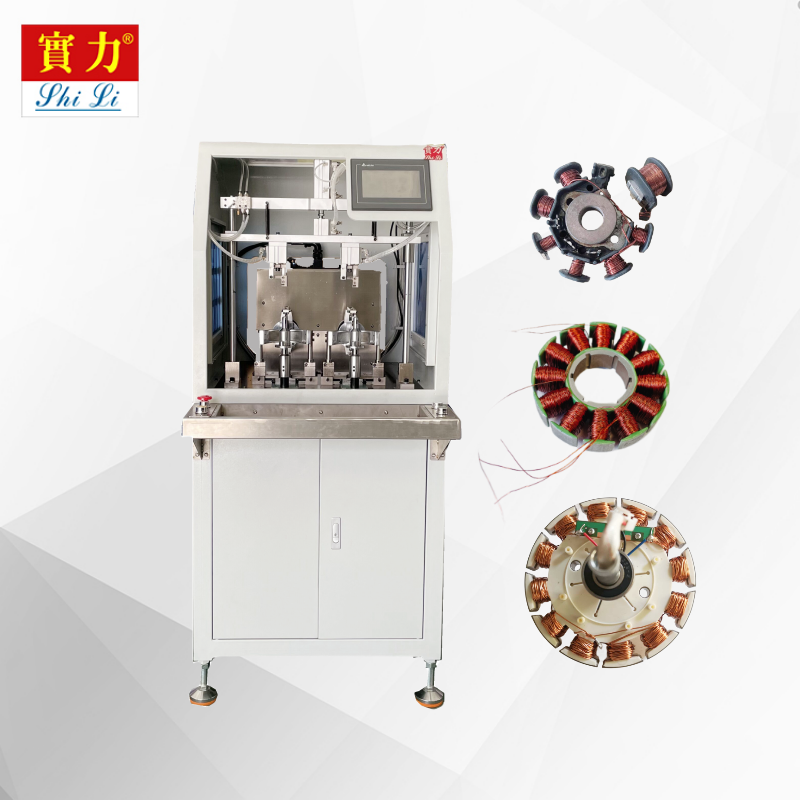
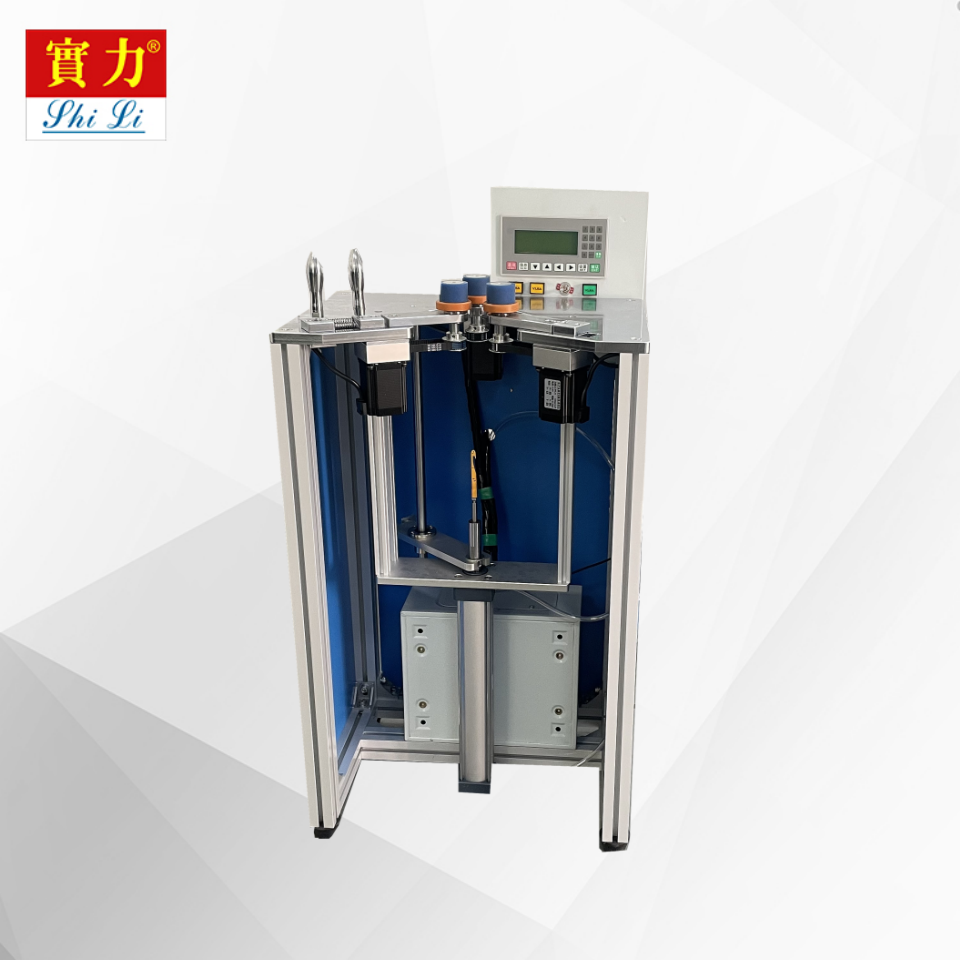
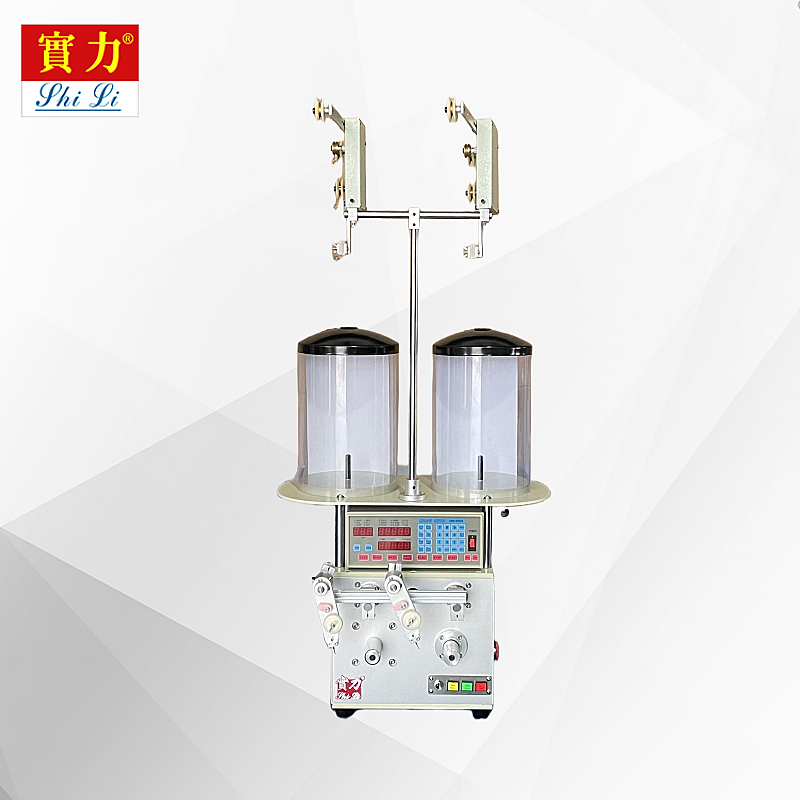
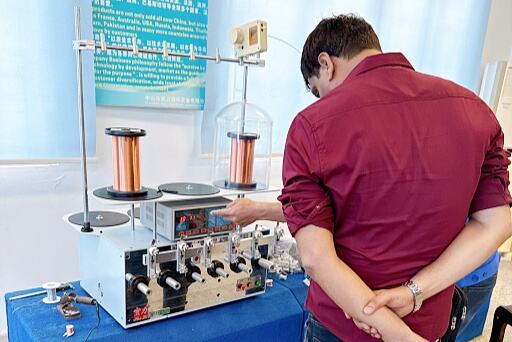
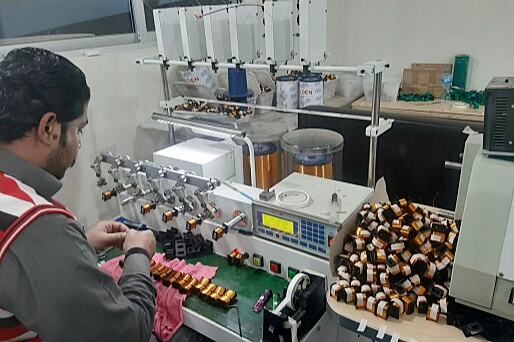
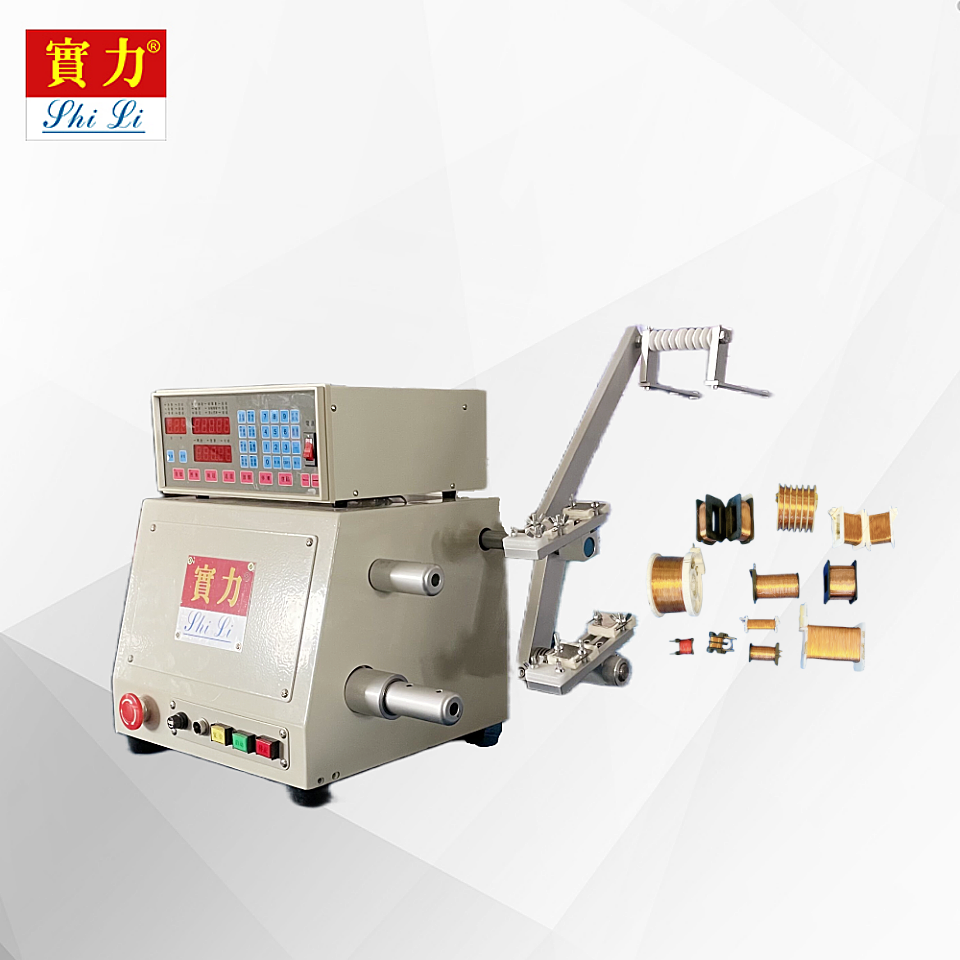
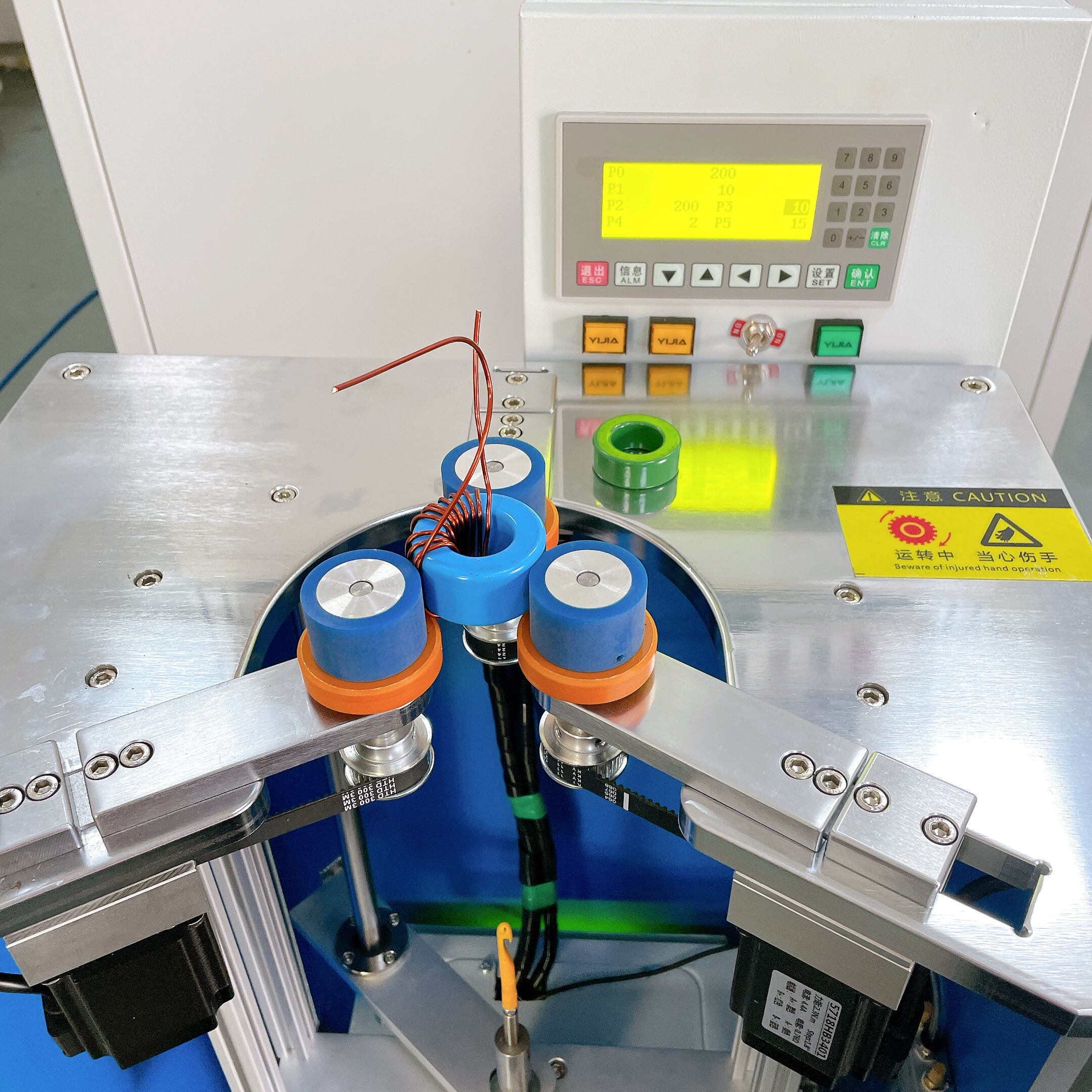
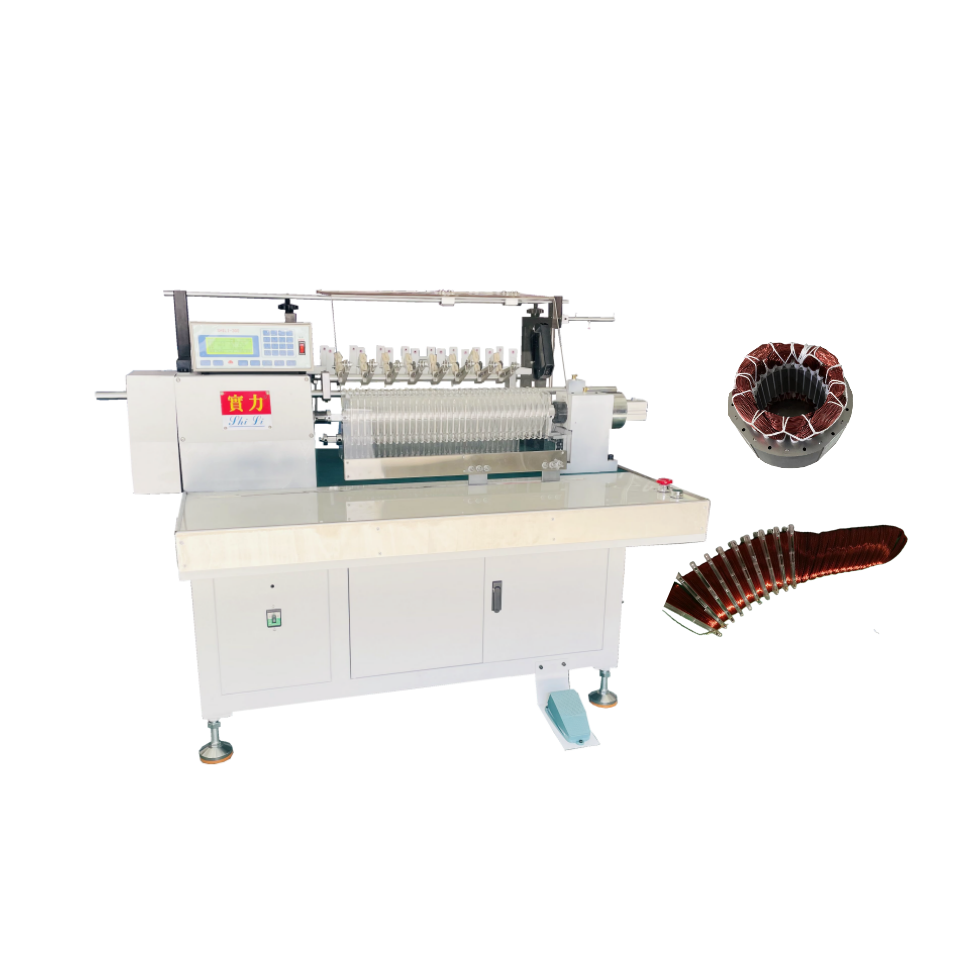
Toroidal coil winding equipment represents a specialized manufacturing solution designed to automate the precise winding of wire around doughnut-shaped magnetic cores. This sophisticated machinery serves as the backbone for producing toroidal transformers, inductors, and chokes used across numerous industrial applications. The equipment operates by threading wire through the central opening of toroidal cores and systematically wrapping it around the core's circumference to achieve the desired number of turns and electrical specifications. Modern toroidal coil winding equipment incorporates advanced servo motor systems, programmable controllers, and precision tensioning mechanisms to ensure consistent wire placement and optimal winding quality. The main functions encompass wire feeding, tension control, turn counting, and automated core positioning, while maintaining precise wire spacing and layer distribution. Technological features include digital programming interfaces that allow operators to store multiple winding patterns, adjustable winding speeds ranging from slow precision modes to high-speed production settings, and integrated quality monitoring systems that detect wire breaks or improper winding conditions. The equipment typically handles various wire gauges from fine magnet wire to heavier conductors, accommodating core diameters spanning from small electronic components to large power applications. Advanced models feature multi-head configurations for simultaneous winding of multiple cores, significantly enhancing production throughput. Applications span across power electronics, renewable energy systems, automotive components, medical devices, and telecommunications infrastructure. The versatility of toroidal coil winding equipment makes it indispensable for manufacturers producing uninterruptible power supplies, audio equipment, lighting ballasts, and electric vehicle charging systems. Quality control mechanisms ensure consistent electrical properties, proper insulation, and mechanical stability of finished products, meeting stringent industry standards for electromagnetic compatibility and safety regulations.
 ×
×
 EN
EN