Advanced Toroidal Winding Machine Design: Precision Manufacturing Solutions for Modern Electronics

Get a Free Quote

Our representative will contact you soon.
Email
Name
Company Name
Message
0/1000

toroidal winding machine design

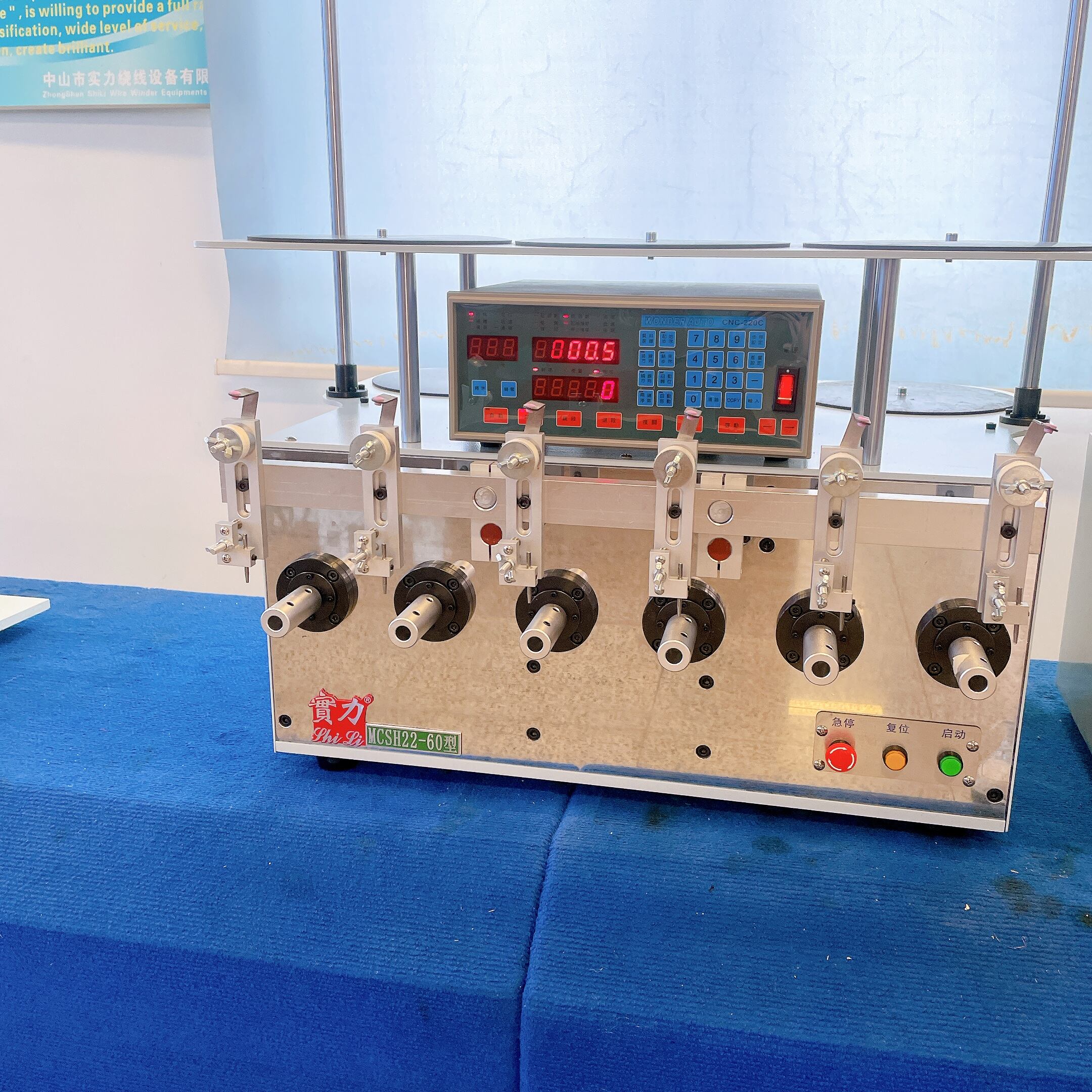
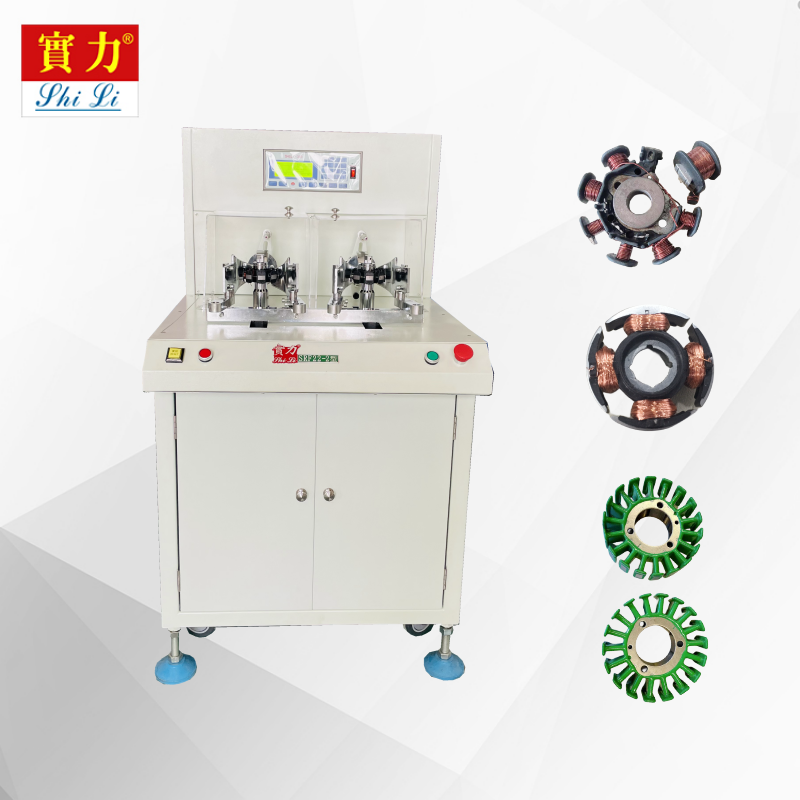
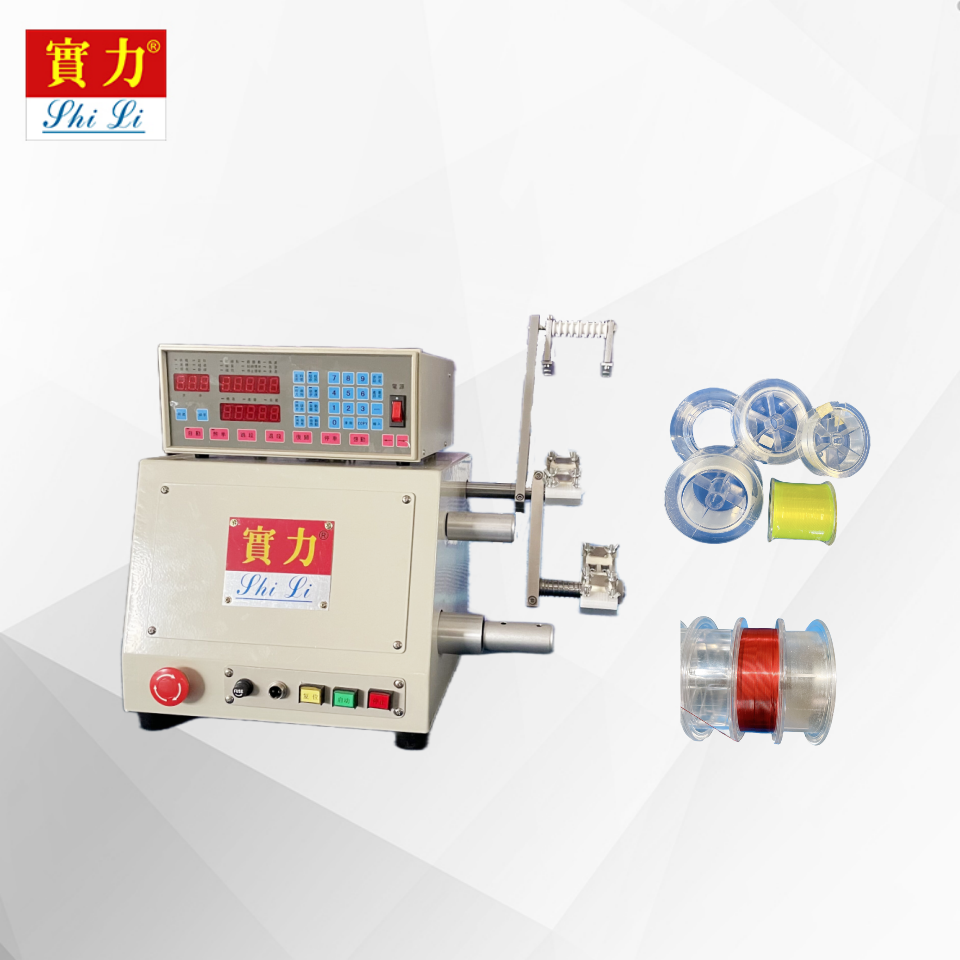
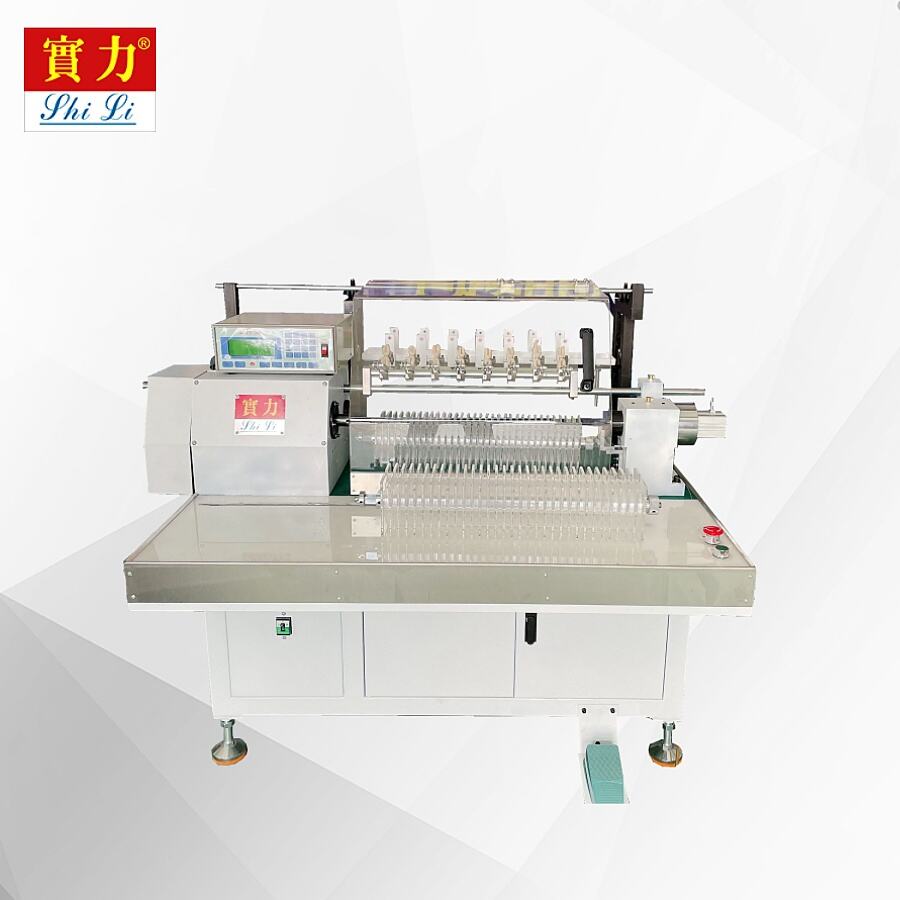
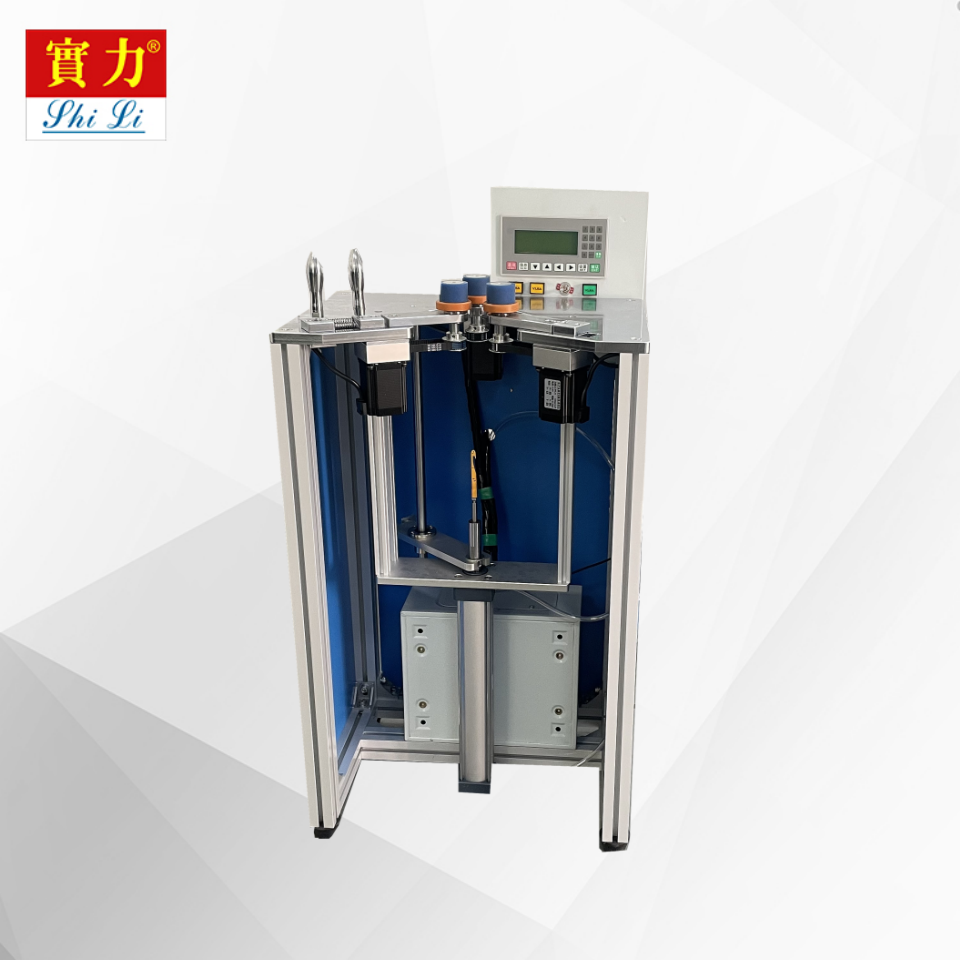
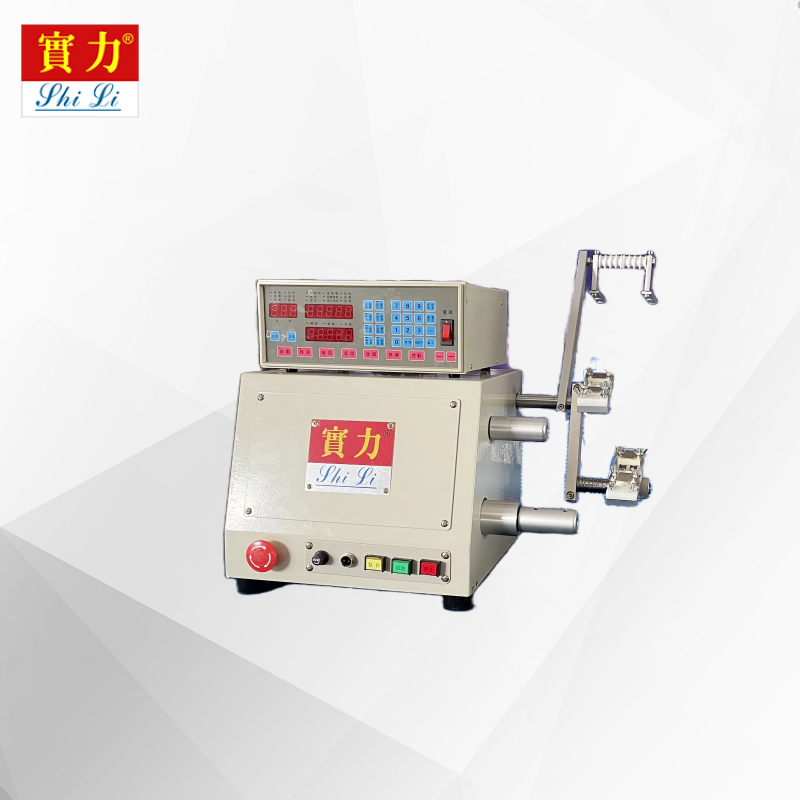
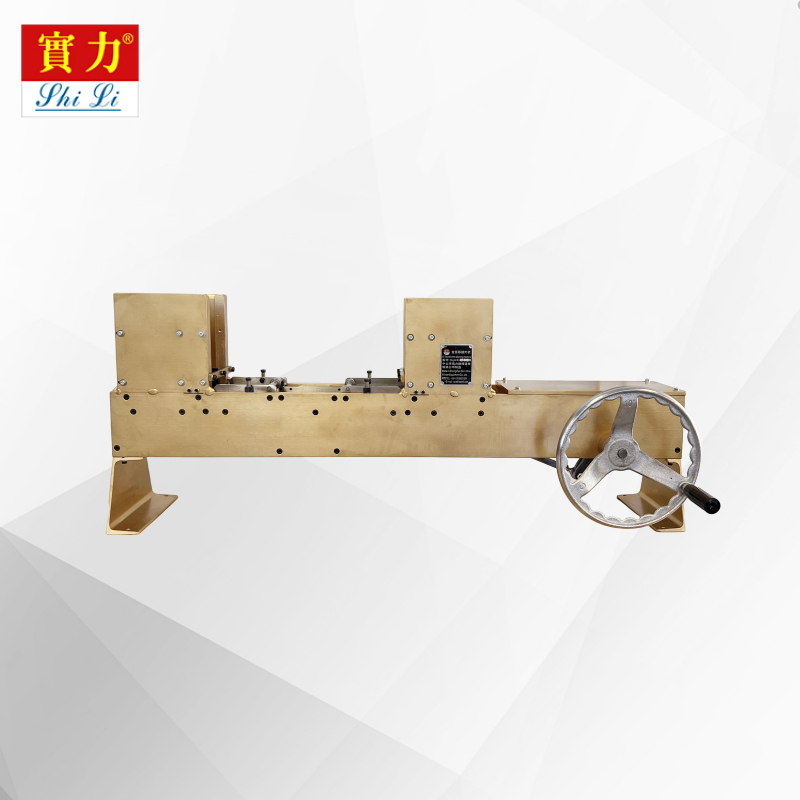
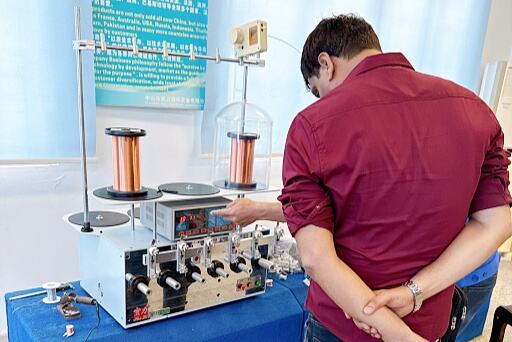
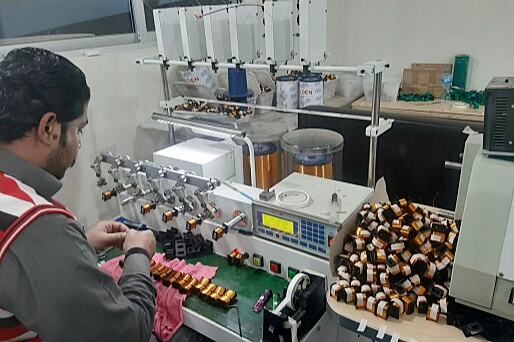
The toroidal winding machine design represents a sophisticated engineering solution specifically engineered for manufacturing toroidal transformers, inductors, and other electromagnetic components with exceptional precision and efficiency. This specialized equipment features a unique shuttle mechanism that travels through the central core opening of toroidal cores, systematically depositing wire layers to create uniform windings. The fundamental architecture of the toroidal winding machine design incorporates a rotating shuttle system, programmable tension control, and automated wire feeding mechanisms that work in harmony to produce consistent results. The machine operates by threading wire through a hollow shuttle that passes through the toroidal core's center hole, wrapping wire around the circular core in precise patterns. Modern toroidal winding machine design implementations utilize advanced servo motors for precise positioning control, ensuring accurate wire placement and consistent layer distribution. The technological features include programmable control systems that allow operators to specify winding parameters such as turn count, wire tension, and layering patterns. Many contemporary designs incorporate touchscreen interfaces for intuitive operation and recipe storage capabilities for repeatable production runs. The wire tension control system maintains consistent pull force throughout the winding process, preventing wire breakage and ensuring uniform coil density. Automatic wire cutting and termination features streamline production workflows while reducing manual intervention requirements. The applications for toroidal winding machine design span multiple industries, including power electronics, audio equipment manufacturing, medical device production, and renewable energy systems. These machines excel in producing transformers for switch-mode power supplies, audio amplifiers, and high-frequency applications where electromagnetic interference minimization is crucial. The toroidal geometry offers superior magnetic coupling and reduced electromagnetic emissions compared to traditional transformer designs, making the toroidal winding machine design essential for modern electronics manufacturing facilities seeking high-quality component production capabilities.

Popular Products

The toroidal winding machine design delivers substantial productivity improvements over manual winding methods, enabling manufacturers to achieve consistent output quality while reducing labor costs and production timeframes. Automated operation eliminates human error variations that commonly occur during hand-winding processes, resulting in uniform transformer characteristics and improved product reliability across entire production batches. The precision control systems integrated into modern toroidal winding machine design ensure exact wire placement and optimal layer distribution, which directly translates to enhanced electrical performance and reduced electromagnetic interference in finished products. Manufacturers benefit from significant time savings as these machines can complete complex winding patterns in minutes rather than hours required for manual assembly. The programmable nature of the toroidal winding machine design allows quick changeovers between different product specifications, maximizing equipment utilization and enabling flexible production scheduling to meet varying customer demands. Quality consistency represents another major advantage, as the machine maintains identical winding parameters for every component, eliminating batch-to-batch variations that can affect performance specifications. This consistency proves particularly valuable for applications requiring tight tolerance matching, such as audio equipment and precision measurement instruments. The automated tension control feature prevents wire stretching and breakage issues commonly encountered during manual operations, reducing material waste and improving overall production yield rates. Energy efficiency improvements stem from the optimized winding patterns achieved through precise machine control, resulting in transformers with lower core losses and improved thermal characteristics. The compact design of modern toroidal winding machine implementations requires minimal floor space compared to traditional transformer manufacturing setups, allowing manufacturers to maximize production capacity within existing facilities. Reduced skilled labor requirements lower operational costs while minimizing dependency on specialized technicians, making production scaling more manageable. The digital control interfaces enable easy integration with manufacturing execution systems, providing real-time production monitoring and quality tracking capabilities. Safety enhancements include enclosed operation chambers and emergency stop systems that protect operators from moving parts and electrical hazards. The versatility of toroidal winding machine design accommodates various core sizes and wire gauges within a single platform, eliminating the need for multiple specialized machines and reducing capital equipment investments for manufacturers serving diverse market segments.

Practical Tips

Solve Solenoid Valve Coil Production Pain Points for India | Easy Operation Guide

05

Feb

Solve Solenoid Valve Coil Production Pain Points for India | Easy Operation Guide

View More
Bangladesh Client Raves: Efficiency + Stable Quality

05

Feb

Bangladesh Client Raves: Efficiency + Stable Quality

View More
Turkey Full Container Shipment: Rave Reviews & Repeat Orders

05

Feb

Turkey Full Container Shipment: Rave Reviews & Repeat Orders

View More

Get a Free Quote

Our representative will contact you soon.
Email
Name
Company Name
Message
0/1000

toroidal winding machine design

Advanced Precision Control Technology

Advanced Precision Control Technology

The sophisticated precision control technology embedded within modern toroidal winding machine design represents a revolutionary advancement in electromagnetic component manufacturing, delivering unprecedented accuracy and repeatability that transforms production capabilities across multiple industries. This cutting-edge control system utilizes high-resolution servo motors coupled with advanced feedback mechanisms to achieve micron-level positioning accuracy, ensuring each wire turn is placed with mathematical precision that was previously impossible to achieve through manual processes. The integrated encoder systems continuously monitor shuttle position, rotation speed, and wire tension parameters, making real-time adjustments to maintain optimal winding conditions throughout the entire production cycle. The programmable logic controller at the heart of the toroidal winding machine design processes complex algorithms that calculate optimal winding patterns, automatically compensating for core geometry variations and wire diameter changes to maintain consistent electrical characteristics across all produced units. This technology enables manufacturers to achieve turn-to-turn accuracy within 0.1% tolerance levels, resulting in transformers with predictable impedance values and minimal performance variations between units. The digital control interface allows operators to store unlimited winding recipes, each containing specific parameters for different core sizes, wire types, and performance requirements, enabling rapid production changeovers without time-consuming manual setup procedures. Temperature compensation algorithms automatically adjust winding parameters based on ambient conditions and wire material properties, ensuring consistent quality regardless of environmental factors that traditionally affected manual winding operations. The precision control technology also incorporates advanced diagnostics capabilities that monitor machine health, predict maintenance requirements, and alert operators to potential issues before they impact production quality. This proactive approach minimizes unexpected downtime and ensures continuous operation at peak performance levels. The system's ability to execute complex multi-layer winding patterns with varying wire gauges opens new possibilities for transformer design optimization, enabling engineers to create more efficient components with improved power density and thermal characteristics. Quality assurance features include automatic turn counting verification, layer uniformity monitoring, and real-time electrical parameter testing that validates each completed component against predetermined specifications, ensuring only products meeting strict quality standards reach customers.
Versatile Core Size Compatibility

Versatile Core Size Compatibility

The exceptional versatile core size compatibility featured in advanced toroidal winding machine design eliminates traditional manufacturing limitations by accommodating an extensive range of core dimensions and configurations within a single production platform, delivering unmatched flexibility that revolutionizes how manufacturers approach electromagnetic component production. This comprehensive compatibility system enables seamless processing of cores ranging from miniature sizes suitable for portable electronics to large industrial transformers, with automatic adjustment mechanisms that reconfigure machine settings for optimal performance across the entire size spectrum. The innovative shuttle system design incorporates modular components that can be quickly exchanged to match different core geometries, while intelligent software automatically calculates appropriate winding parameters based on core specifications entered through the user interface. This adaptability proves invaluable for manufacturers serving diverse market segments, as a single toroidal winding machine design investment can handle production requirements that would traditionally require multiple specialized machines. The core handling system features adjustable fixtures and pneumatic clamping mechanisms that securely position cores of varying heights and diameters while maintaining precise alignment throughout the winding process. Advanced sensors detect core dimensions automatically, eliminating manual measurement requirements and reducing setup time between production runs. The machine's ability to process both ferrite and laminated steel cores expands application possibilities, enabling production of components for switch-mode power supplies, audio equipment, and industrial motor drives using the same equipment platform. Wire routing systems automatically adjust to accommodate different core opening diameters, ensuring optimal wire lay patterns regardless of core size variations. This versatility extends to wire gauge compatibility, with automatic tension adjustment systems that optimize winding parameters for materials ranging from fine magnet wire used in precision transformers to heavy-gauge conductors required for power applications. The programmable control system stores core-specific winding strategies, automatically selecting appropriate shuttle speeds, tension levels, and layer distribution patterns to maximize winding density and electrical performance for each core type. Quality monitoring systems adapt inspection criteria based on core specifications, ensuring appropriate testing protocols are applied regardless of component size or application requirements. This comprehensive compatibility reduces inventory requirements for manufacturers, as standardized core purchasing can be optimized without constraining production flexibility. The economic benefits include reduced capital equipment investments, simplified operator training requirements, and improved equipment utilization rates that directly impact manufacturing profitability and competitive positioning in dynamic market conditions.
Automated Production Efficiency

Automated Production Efficiency

The automated production efficiency achieved through sophisticated toroidal winding machine design transforms manufacturing operations by eliminating manual bottlenecks, reducing cycle times, and establishing consistent throughput rates that dramatically improve overall equipment effectiveness and production profitability. This comprehensive automation system integrates multiple subsystems working in perfect synchronization to minimize human intervention while maximizing output quality and quantity. The automated wire feeding mechanism ensures continuous material supply without production interruptions, featuring tension-controlled payoff systems that prevent wire twisting and maintain consistent mechanical properties throughout extended production runs. Automatic wire cutting and termination capabilities eliminate manual handling requirements, reducing labor costs while improving safety and consistency in finished product quality. The integrated shuttle loading system automatically positions cores and initiates winding cycles without operator intervention, enabling lights-out manufacturing capabilities that extend production hours beyond traditional shift limitations. Advanced scheduling algorithms optimize production sequences based on core sizes, wire types, and delivery requirements, minimizing setup time between jobs while maximizing machine utilization rates. The automated quality inspection system performs real-time electrical testing during the winding process, immediately identifying defective units and removing them from production flow without disrupting overall throughput. Statistical process control integration continuously monitors production parameters and automatically adjusts machine settings to maintain optimal performance, preventing quality drift that commonly occurs in manual operations. Predictive maintenance capabilities analyze machine performance data to schedule service activities during planned downtime periods, avoiding unexpected production interruptions that impact delivery commitments. The automated data logging system captures comprehensive production records including material consumption, cycle times, and quality metrics, providing valuable insights for process optimization and cost reduction initiatives. Inventory management integration automatically updates raw material consumption records and generates reorder notifications when stock levels approach predetermined thresholds, ensuring continuous production capability without excess inventory carrying costs. The user-friendly interface enables rapid production changes through simple recipe selection, allowing manufacturers to respond quickly to urgent customer requirements or market demand fluctuations. Remote monitoring capabilities enable production supervisors to track multiple machines from centralized control stations, optimizing resource allocation and identifying improvement opportunities across entire manufacturing facilities. Energy management features automatically optimize power consumption during idle periods while maintaining rapid restart capabilities when production resumes, contributing to sustainable manufacturing practices and reduced operational costs.

Get a Free Quote

Our representative will contact you soon.
Email
Name
Company Name
Message
0/1000
Newsletter
Please Leave A Message With Us