Professional Tape Winding Machine Solutions - Advanced Industrial Equipment for Precision Manufacturing

Get a Free Quote

Our representative will contact you soon.
Email
Name
Company Name
Message
0/1000

tape winding machine

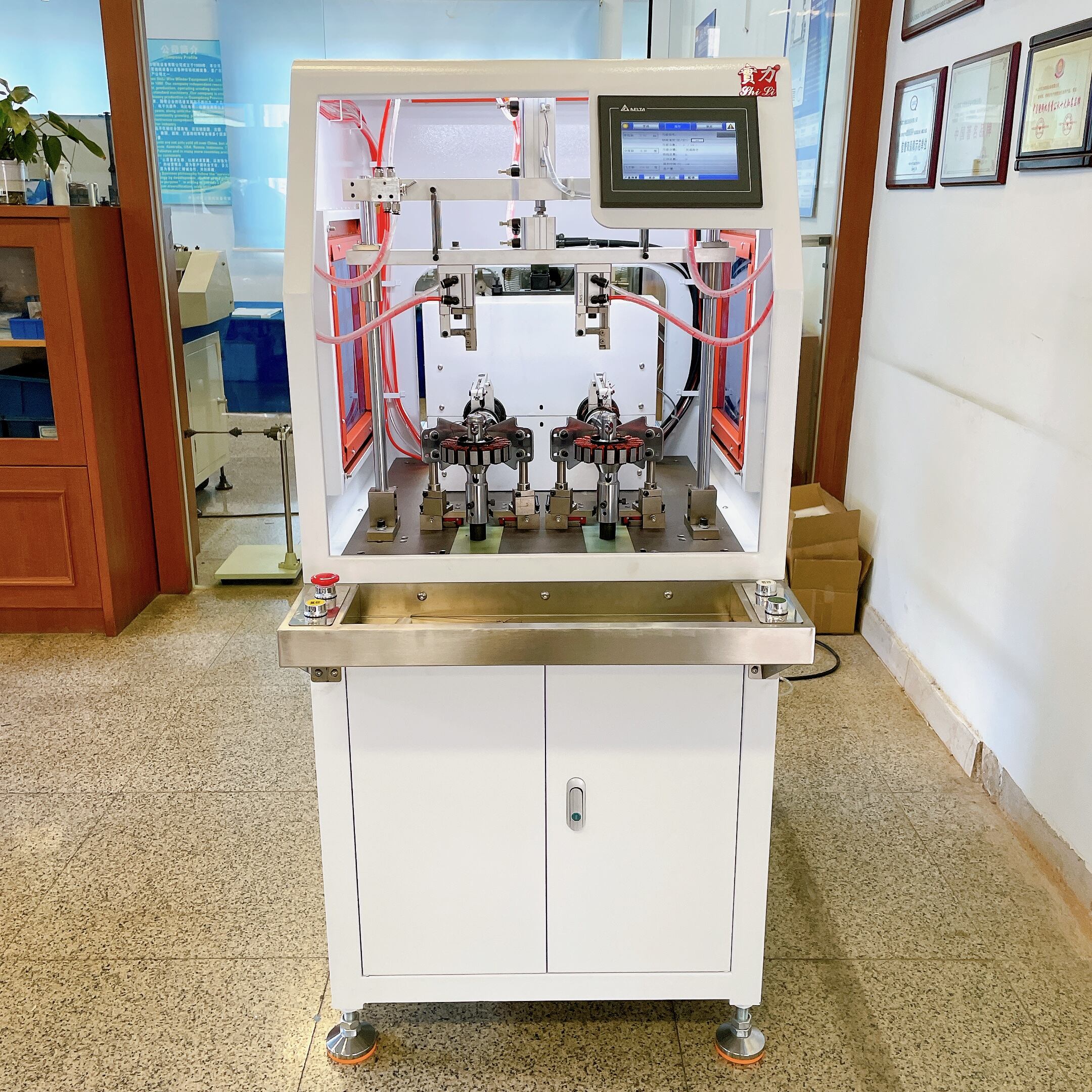
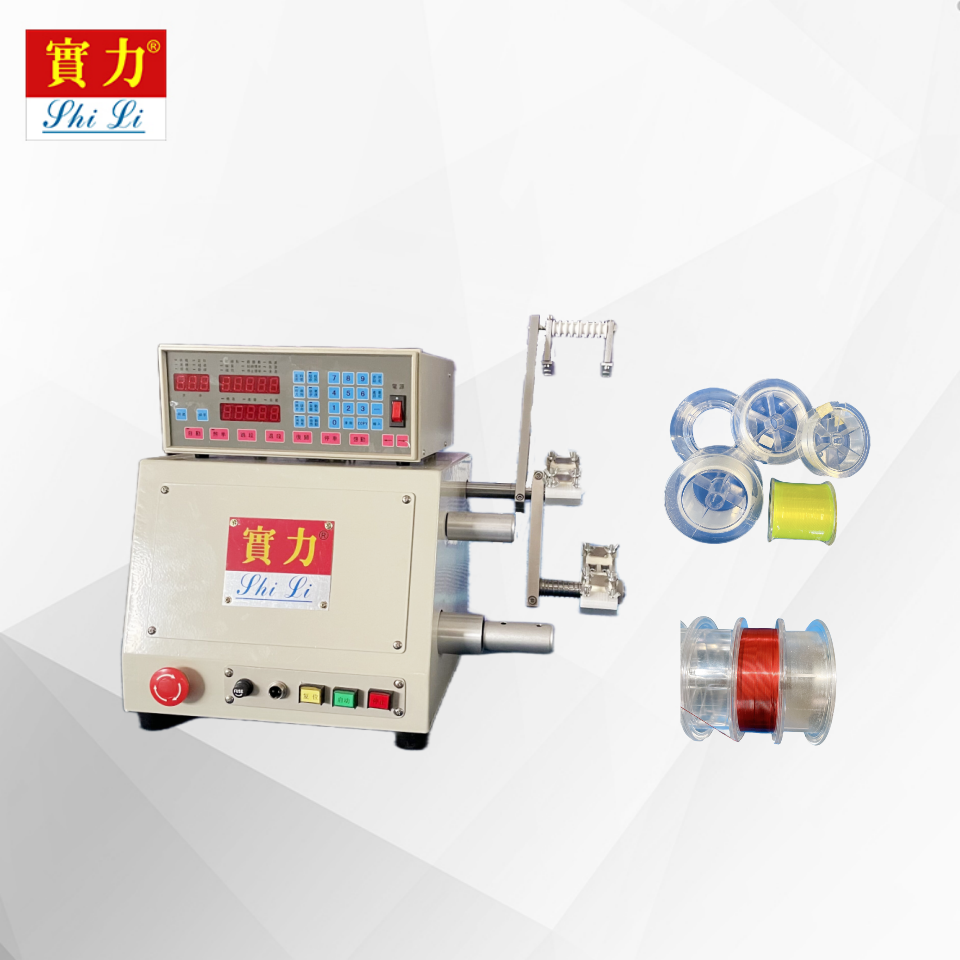
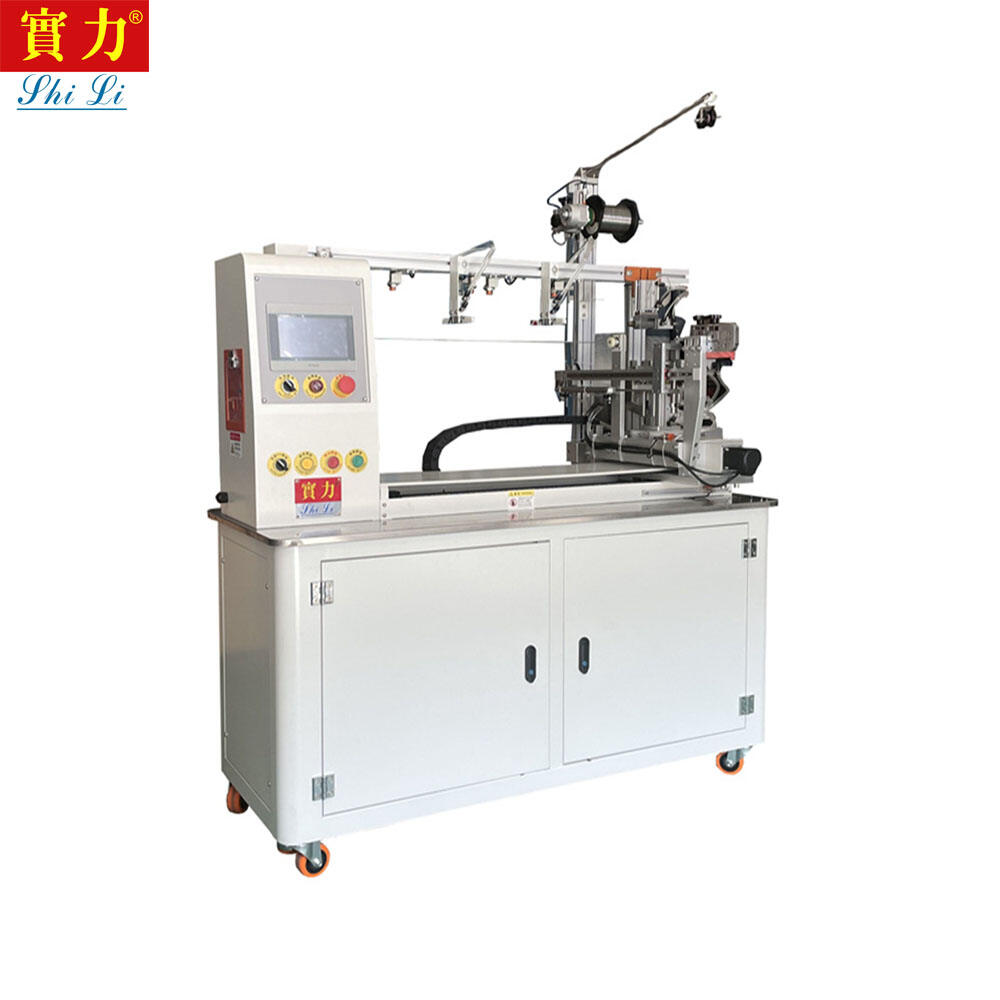
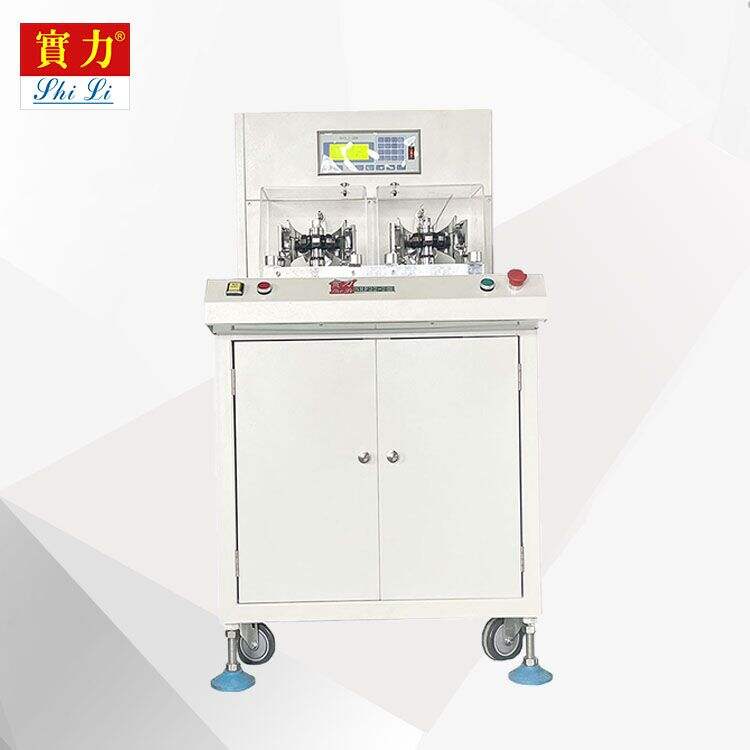
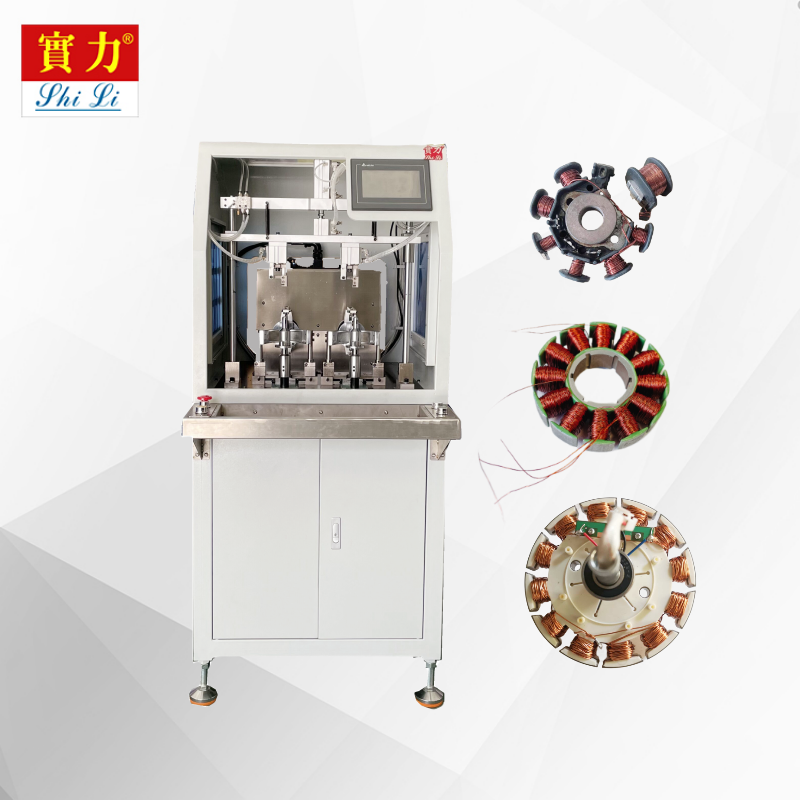
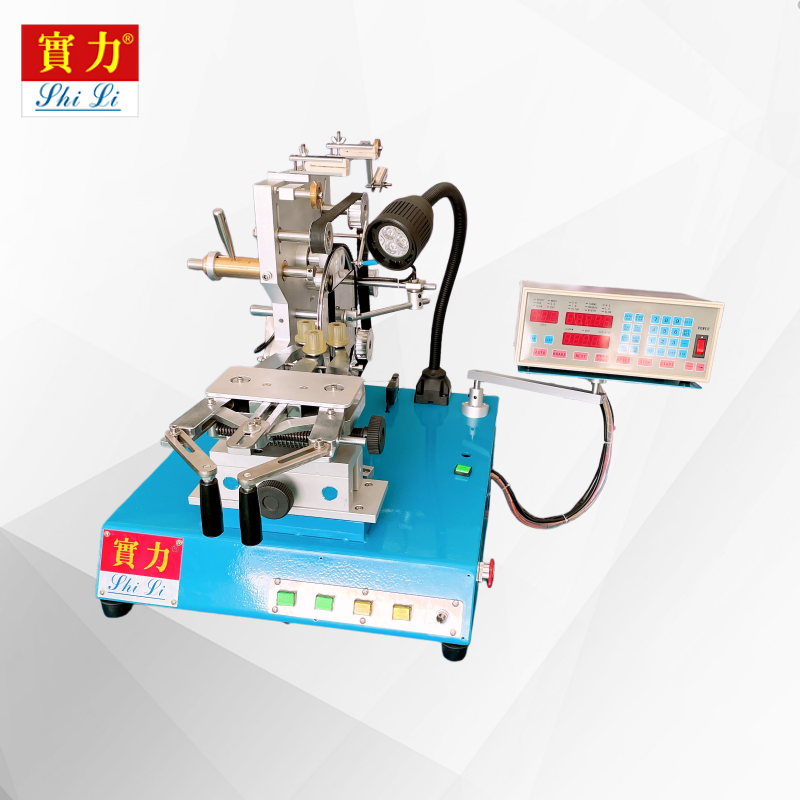
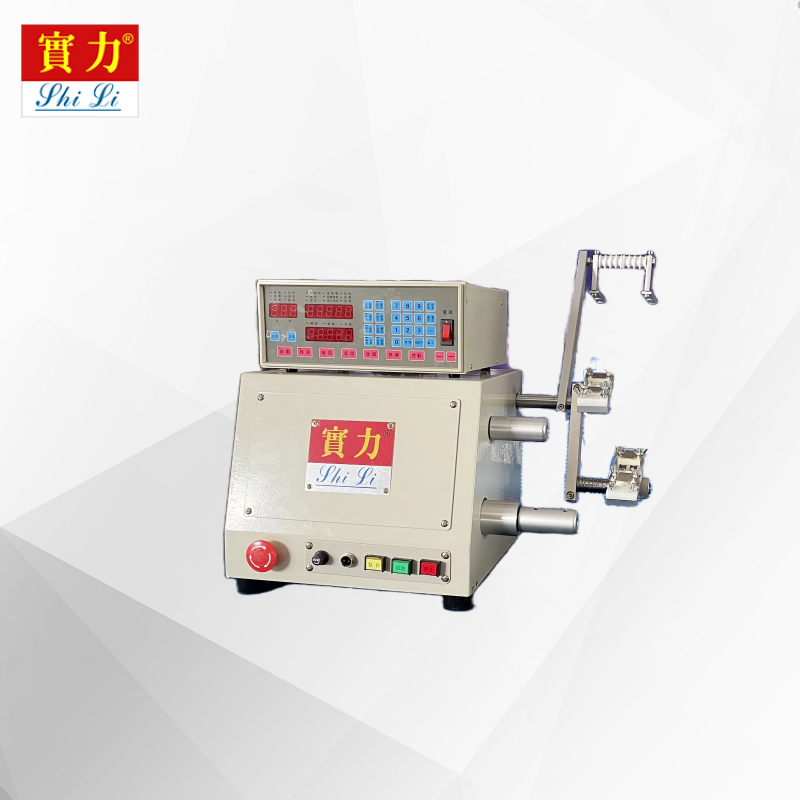
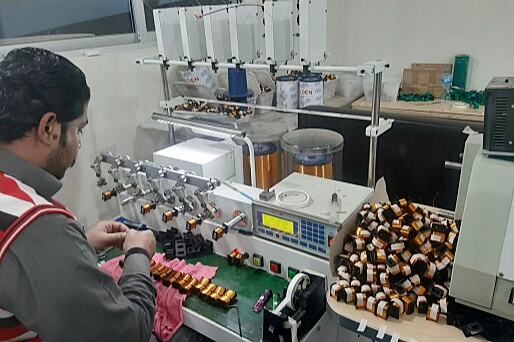
A tape winding machine represents a specialized industrial equipment designed to automatically wind various types of tape materials onto reels, spools, or cores with precision and efficiency. This sophisticated machinery serves as an essential component in manufacturing processes where consistent tape winding is crucial for product quality and production speed. The tape winding machine operates through a combination of mechanical components, electronic controls, and programmable systems that ensure accurate tension control, uniform layer distribution, and optimal winding patterns. These machines accommodate different tape materials including adhesive tapes, electrical tapes, medical tapes, packaging tapes, and specialty industrial tapes. The primary function involves feeding tape material from a supply source, maintaining proper tension throughout the winding process, and creating neat, compact rolls suitable for storage, shipping, or further processing. Modern tape winding machines incorporate advanced technological features such as servo motor control systems, touchscreen interfaces, programmable logic controllers, and real-time monitoring capabilities. These features enable operators to adjust winding parameters, monitor production metrics, and maintain consistent quality standards. The machines typically include tension control mechanisms, automatic cutting systems, core loading devices, and finished roll handling equipment. Applications span across multiple industries including automotive manufacturing, electronics assembly, medical device production, packaging operations, and construction material processing. The versatility of tape winding machines allows manufacturers to handle various tape widths, thicknesses, and material compositions while maintaining production efficiency. Integration with existing production lines enables seamless workflow management and reduces manual handling requirements, contributing to improved workplace safety and operational productivity.
New Product Releases

The tape winding machine delivers significant operational benefits that directly impact manufacturing efficiency and cost-effectiveness. First, these machines dramatically increase production speed compared to manual winding processes, enabling manufacturers to meet higher demand volumes while reducing labor costs. The automated operation eliminates human error factors that commonly affect winding quality, ensuring consistent roll density, proper edge alignment, and uniform tension distribution across all produced rolls. This consistency translates to reduced material waste and improved customer satisfaction through reliable product quality. The precision control systems integrated into modern tape winding machines allow operators to customize winding parameters for different tape materials and specifications. This flexibility enables manufacturers to diversify their product offerings without investing in multiple specialized machines. The automated tension control prevents tape stretching, wrinkling, or breakage during the winding process, maximizing material utilization and minimizing production interruptions. Energy efficiency represents another crucial advantage, as contemporary tape winding machines utilize optimized motor systems and intelligent power management to reduce operational costs. The machines require minimal floor space while delivering maximum production capacity, making them ideal for facilities with space constraints. Maintenance requirements remain low due to robust construction and quality components, resulting in extended operational life and reduced downtime. The user-friendly interfaces enable quick operator training and easy parameter adjustments, reducing the learning curve for new personnel. Safety features including emergency stops, protective guards, and automatic shut-off systems create a secure working environment while complying with industrial safety standards. The machines integrate seamlessly with quality control systems, enabling real-time monitoring of winding parameters and automatic rejection of substandard products. This integration supports lean manufacturing principles and continuous improvement initiatives. Additionally, the consistent output quality reduces customer complaints and returns, protecting brand reputation and maintaining customer loyalty. The scalability of tape winding machine systems allows manufacturers to expand production capacity incrementally as business grows, providing long-term investment value and operational flexibility.

Latest News

Solve Solenoid Valve Coil Production Pain Points for India | Easy Operation Guide

05

Feb

Solve Solenoid Valve Coil Production Pain Points for India | Easy Operation Guide

View More
Bangladesh Client Raves: Efficiency + Stable Quality

05

Feb

Bangladesh Client Raves: Efficiency + Stable Quality

View More
Turkey Full Container Shipment: Rave Reviews & Repeat Orders

05

Feb

Turkey Full Container Shipment: Rave Reviews & Repeat Orders

View More

Get a Free Quote

Our representative will contact you soon.
Email
Name
Company Name
Message
0/1000

tape winding machine

Advanced Tension Control Technology for Superior Product Quality

Advanced Tension Control Technology for Superior Product Quality

The sophisticated tension control system integrated into modern tape winding machines represents a breakthrough in manufacturing precision that directly addresses the most critical aspect of tape winding operations. This advanced technology employs servo-driven mechanisms, load cells, and real-time feedback systems to maintain optimal tension throughout the entire winding process, regardless of material variations or external factors. The system continuously monitors and adjusts tension levels to prevent common issues such as tape stretching, edge lifting, telescoping, or core crushing that can compromise product integrity and customer satisfaction. The precision tension control operates through multiple zones, allowing different tension levels for the initial winding phases versus the final layers, accommodating the natural compression characteristics of various tape materials. This intelligent approach ensures that each roll maintains consistent density from core to outer edge, preventing loose outer layers that could unwind during handling or shipping. The technology incorporates predictive algorithms that anticipate tension changes based on roll diameter increases, automatically adjusting motor speeds and brake applications to maintain ideal conditions. For manufacturers processing multiple tape types, the system stores tension profiles for different materials, enabling quick changeovers without lengthy setup procedures or trial-and-error adjustments. The advanced tension control also features splice detection capabilities, automatically adjusting parameters when tape joints pass through the system to prevent weak spots in the finished rolls. This level of control significantly reduces material waste, as operators no longer need to discard rolls with tension-related defects. The system provides detailed data logging and reporting functions, enabling quality managers to track tension consistency trends and implement continuous improvement initiatives. Furthermore, the technology includes safety interlocks that immediately halt operation if tension levels exceed safe parameters, protecting both equipment and operators from potential hazards associated with high-tension tape materials.
Programmable Automation for Maximum Operational Efficiency

Programmable Automation for Maximum Operational Efficiency

The comprehensive programmable automation capabilities of contemporary tape winding machines transform traditional manufacturing operations into highly efficient, data-driven processes that maximize productivity while minimizing human intervention. This sophisticated automation framework encompasses recipe management systems, batch tracking capabilities, and integrated quality control functions that streamline production workflows and ensure consistent output standards. The programmable logic controller at the heart of the system manages complex sequences of operations, coordinating multiple machine functions simultaneously while maintaining precise timing and synchronization. Operators can create and store unlimited winding programs, each containing specific parameters for tape speed, tension levels, winding patterns, roll dimensions, and quality checkpoints. This flexibility enables manufacturers to quickly switch between different product specifications without extensive manual adjustments or prolonged changeover periods. The automation system includes intelligent material handling features that automatically load cores, position tape ends, and remove completed rolls, significantly reducing manual labor requirements and associated safety risks. Advanced sensors throughout the machine provide continuous feedback on operational parameters, enabling the system to make real-time adjustments that maintain optimal performance conditions. The integration with enterprise resource planning systems allows seamless communication between the tape winding machine and broader manufacturing management systems, enabling automated scheduling, inventory tracking, and production reporting. The programmable automation includes predictive maintenance algorithms that monitor component wear patterns and operating conditions to schedule maintenance activities before failures occur, minimizing unplanned downtime and extending equipment life. Quality control automation features include automatic roll measurement, weight verification, and surface inspection capabilities that identify defective products before they leave the production area. The system generates comprehensive production reports containing detailed metrics on throughput, quality indicators, material consumption, and equipment performance, providing management with actionable data for continuous improvement initiatives. Remote monitoring capabilities allow technical support teams to diagnose issues and provide assistance without physically visiting the production facility, reducing response times and minimizing production interruptions.
Versatile Multi-Material Processing Capability

Versatile Multi-Material Processing Capability

The exceptional versatility of modern tape winding machines in handling diverse material types and specifications represents a significant competitive advantage for manufacturers seeking to maximize equipment utilization and expand market opportunities. This multi-material processing capability extends beyond simple width and thickness variations to encompass fundamentally different tape characteristics including adhesive properties, backing materials, release liner types, and specialized surface treatments. The machine design incorporates adjustable components and configurable systems that accommodate materials ranging from delicate medical tapes requiring gentle handling to robust industrial tapes demanding higher tension levels and specialized winding techniques. The versatile material handling system includes interchangeable core sizes, adjustable width guides, and modular winding heads that enable processing of tapes from narrow precision applications to wide packaging materials without requiring separate dedicated machines. This flexibility proves particularly valuable for manufacturers serving multiple market segments or those developing new product lines, as the same equipment investment can support diverse production requirements. The machine intelligence includes material detection systems that automatically identify tape characteristics and select appropriate processing parameters, reducing setup time and preventing damage from incorrect handling procedures. For specialized materials such as conductive tapes, foam-backed tapes, or temperature-sensitive adhesives, the system provides environmental controls and modified winding algorithms that preserve material integrity throughout the processing cycle. The multi-material capability extends to core materials as well, with systems designed to handle plastic, cardboard, metal, and composite cores without modification or adjustment complexity. This versatility enables manufacturers to optimize packaging choices based on end-use requirements and cost considerations rather than equipment limitations. The machine maintains consistent quality standards across all material types through adaptive control systems that adjust processing parameters based on real-time feedback from integrated sensors. Quality verification systems include material-specific inspection algorithms that detect defects relevant to each tape type, ensuring that finished products meet applicable industry standards regardless of material composition. The processing capability includes specialized handling for double-sided tapes, transfer tapes, and multi-layer constructions that require precise alignment and controlled adhesion during winding operations.

Get a Free Quote

Our representative will contact you soon.
Email
Name
Company Name
Message
0/1000
Newsletter
Please Leave A Message With Us