Electric Winding Machine: Advanced Automated Wire Winding Solutions for Precision Manufacturing

Get a Free Quote

Our representative will contact you soon.
Email
Name
Company Name
Message
0/1000

electric winding machine

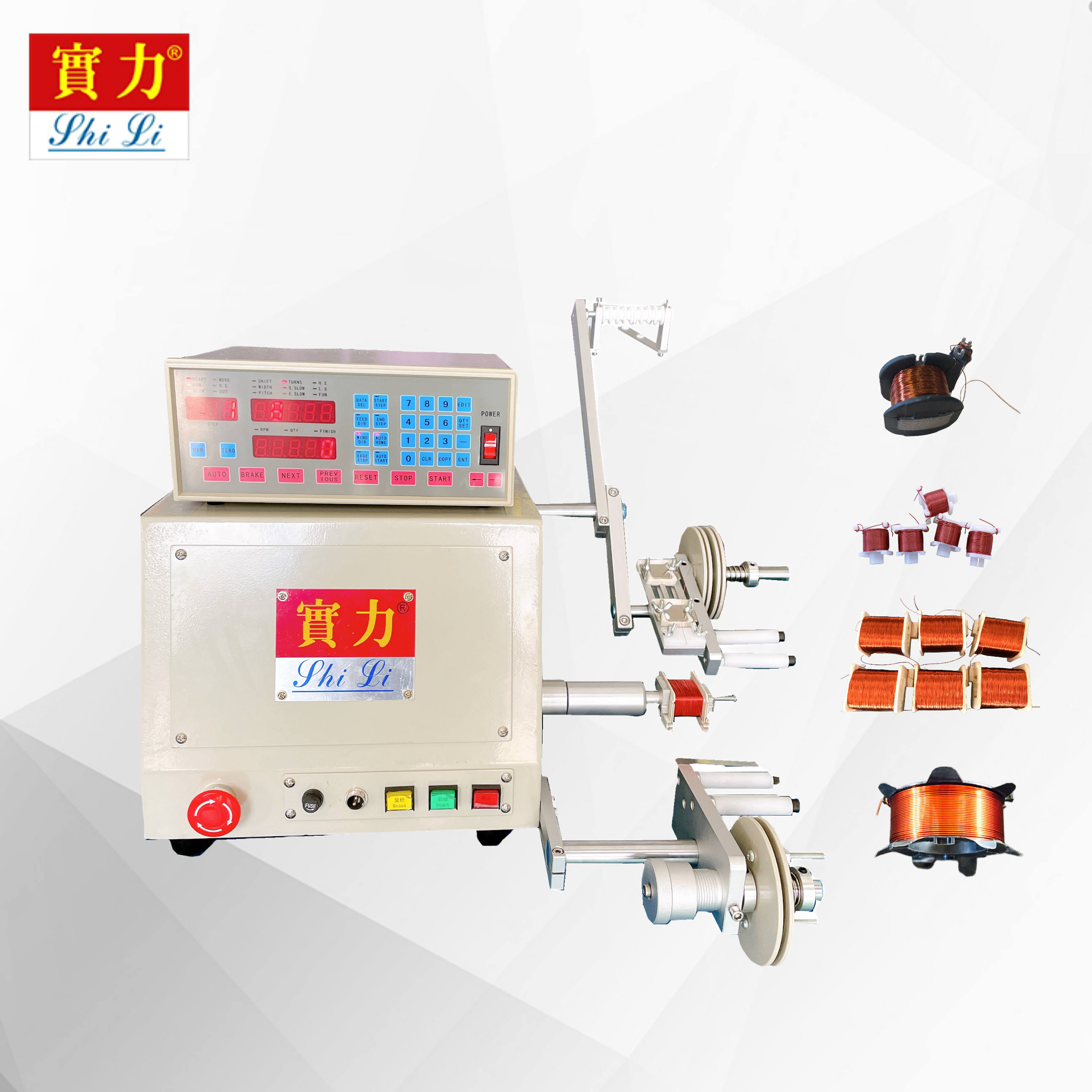
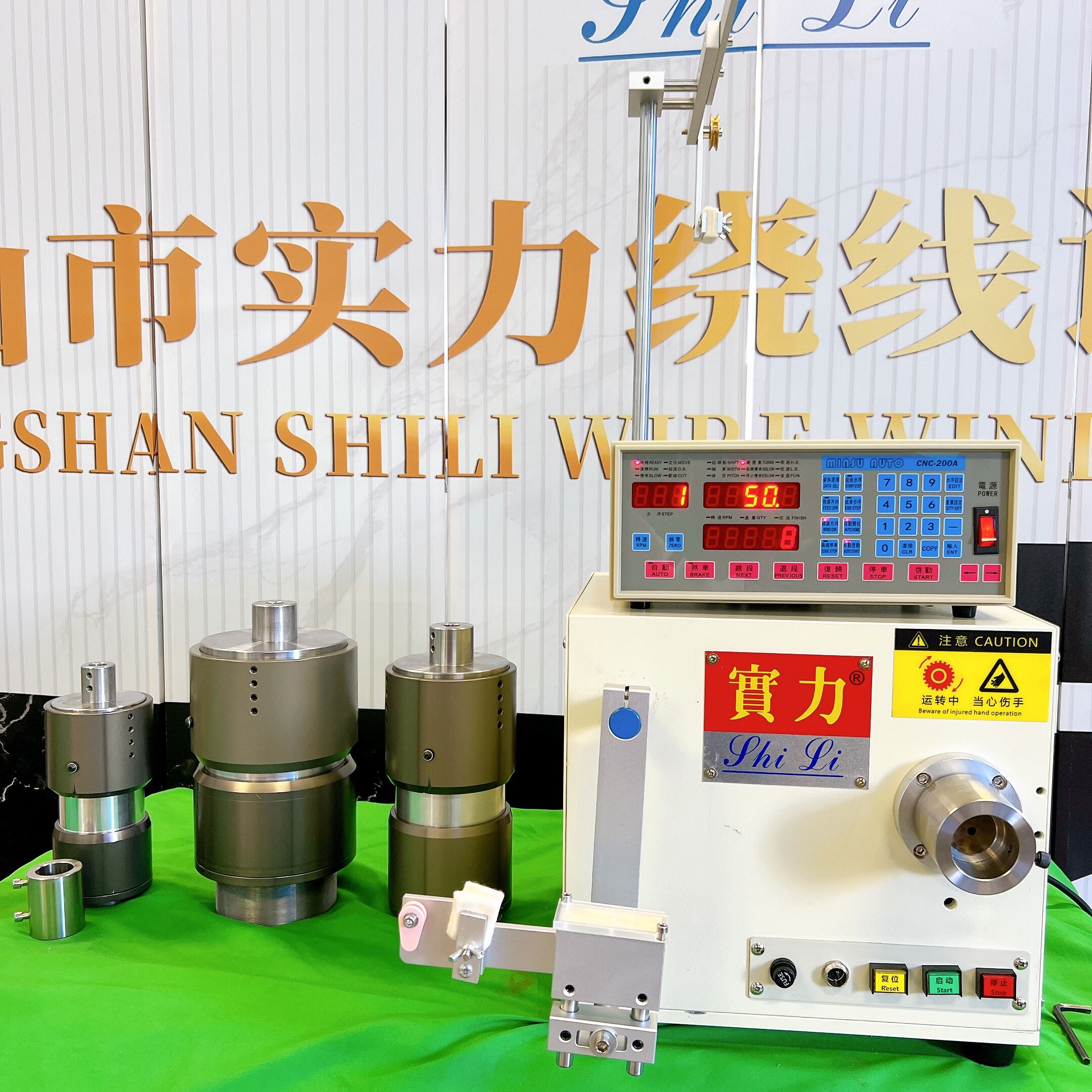
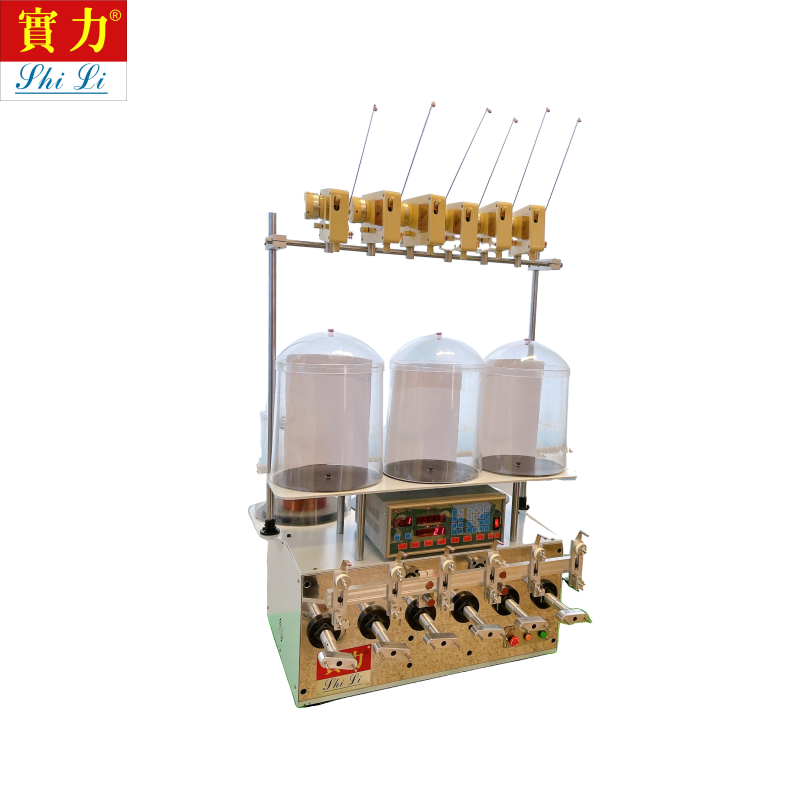
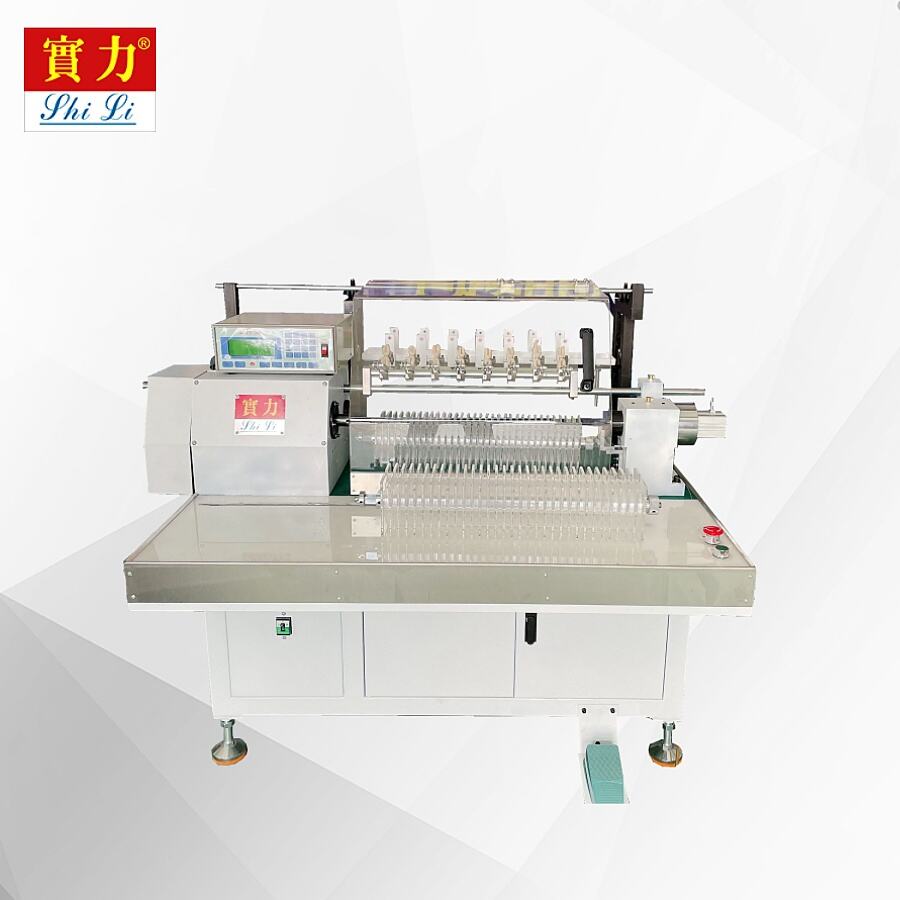
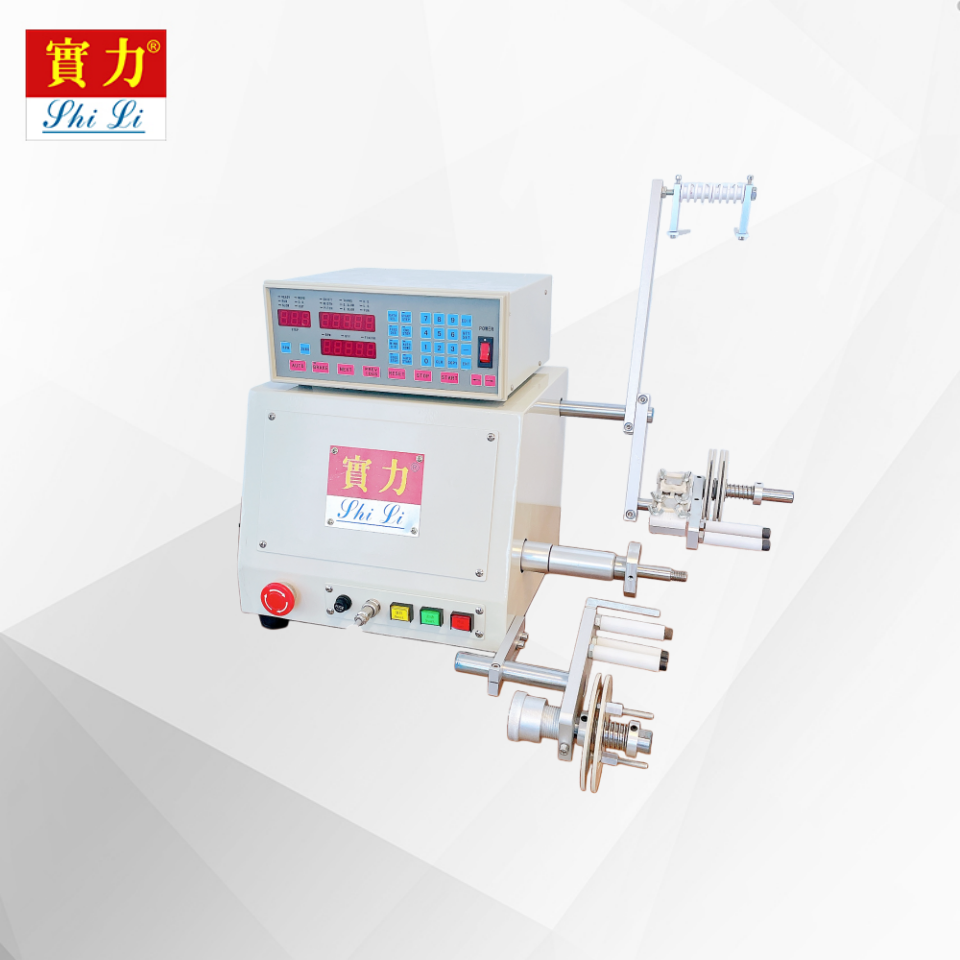
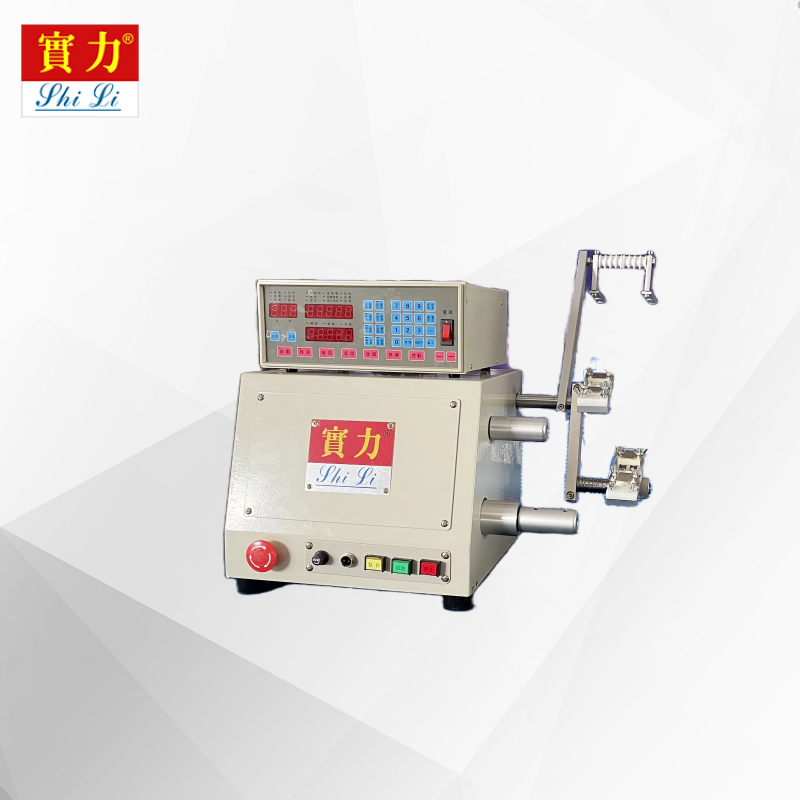
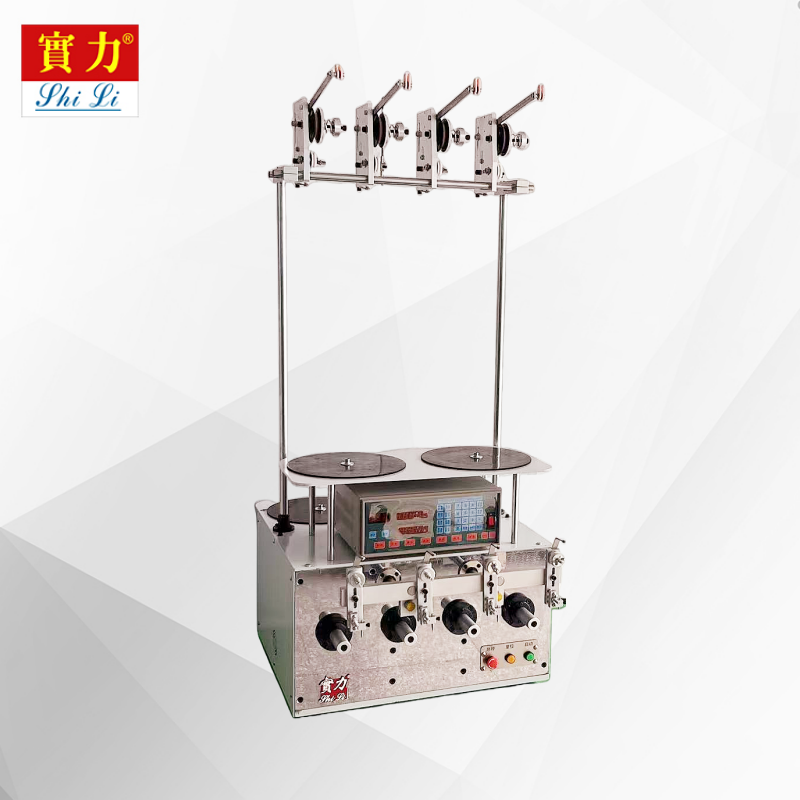
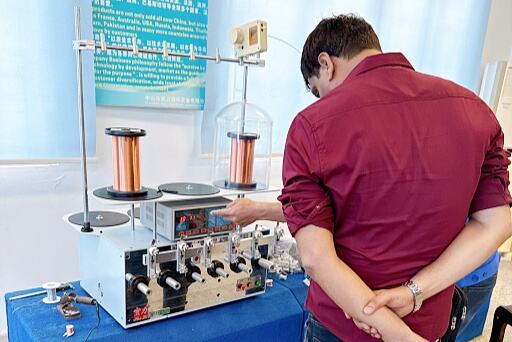
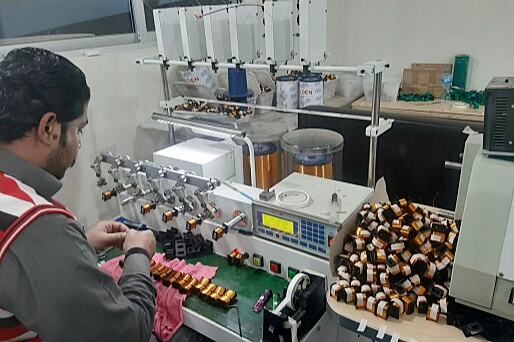
The electric winding machine represents a revolutionary advancement in manufacturing technology, designed to automate the precise winding of wire, cable, and various filament materials onto spools, bobbins, or other cylindrical forms. This sophisticated equipment transforms traditional manual winding processes into highly efficient, automated operations that deliver consistent results across diverse industrial applications. Modern electric winding machines incorporate advanced servo motor systems, programmable logic controllers, and precision tension control mechanisms to ensure optimal performance in every operational cycle. These machines excel in producing uniform wound products while maintaining exact specifications for layer distribution, tension consistency, and winding patterns. The electric winding machine features multiple operational modes, including single-layer winding, multi-layer configurations, and specialized patterns such as helical or cross-wound arrangements. Advanced models incorporate touchscreen interfaces that allow operators to program complex winding sequences, adjust speed parameters, and monitor real-time production metrics. The technological backbone of these machines includes high-torque servo motors that provide precise rotational control, coupled with sophisticated feedback systems that continuously monitor and adjust winding parameters. Tension control systems utilize electromagnetic brakes and dancer assemblies to maintain consistent wire tension throughout the winding process, preventing material damage and ensuring uniform density across all layers. Applications for electric winding machines span numerous industries, including automotive wire harness manufacturing, electrical transformer production, motor winding operations, and telecommunications cable assembly. In the electronics industry, these machines produce precision coils for inductors, transformers, and various electromagnetic components. The textile industry utilizes electric winding machines for yarn processing and thread preparation, while the medical device sector relies on them for creating specialized coils used in imaging equipment and therapeutic devices. Manufacturing facilities benefit from the machine's ability to process various materials, including copper wire, aluminum conductors, fiber optic cables, and specialty alloys, making it an indispensable tool for modern production environments.
New Product Releases

Electric winding machines deliver substantial operational advantages that transform manufacturing efficiency and product quality across multiple industries. These automated systems eliminate human error inherent in manual winding processes, producing consistently uniform results that meet stringent quality standards every time. The precision control mechanisms ensure each wound product maintains identical specifications, reducing waste and improving overall production yield significantly. Manufacturers experience dramatic increases in production speed, with electric winding machines capable of operating continuously at optimal speeds without fatigue or performance degradation. This enhanced productivity translates directly into higher output volumes and improved profitability for businesses of all sizes. The machines reduce labor costs substantially by requiring minimal operator intervention once programmed, allowing skilled workers to focus on higher-value tasks while the equipment handles repetitive winding operations automatically. Quality consistency represents another major advantage, as electric winding machines maintain precise tension control and layer distribution throughout extended production runs. This reliability eliminates the variations typical in manual processes, ensuring every finished product meets exact specifications and customer requirements. The equipment's versatility allows manufacturers to handle diverse material types and winding configurations without requiring separate specialized machines, maximizing equipment utilization and return on investment. Advanced programming capabilities enable rapid changeovers between different product specifications, reducing setup times and increasing production flexibility significantly. Electric winding machines incorporate safety features that protect both operators and equipment, including emergency stop systems, protective guards, and automated fault detection mechanisms. These safety measures reduce workplace accidents and prevent costly equipment damage while maintaining optimal operational conditions. The machines' energy-efficient designs minimize power consumption compared to older pneumatic or hydraulic alternatives, contributing to reduced operational costs and environmental sustainability goals. Maintenance requirements remain minimal due to robust construction and quality components, resulting in higher uptime percentages and lower total cost of ownership. Real-time monitoring systems provide valuable production data that enables manufacturers to optimize processes, identify improvement opportunities, and maintain detailed quality records for compliance purposes. The precision achieved by electric winding machines reduces material waste significantly, as consistent tension control prevents wire breakage and ensures optimal material utilization throughout production cycles. Integration capabilities allow these machines to connect seamlessly with existing production management systems, enabling automated data collection and streamlined workflow coordination across manufacturing operations.

Practical Tips

Solve Solenoid Valve Coil Production Pain Points for India | Easy Operation Guide

05

Feb

Solve Solenoid Valve Coil Production Pain Points for India | Easy Operation Guide

View More
Bangladesh Client Raves: Efficiency + Stable Quality

05

Feb

Bangladesh Client Raves: Efficiency + Stable Quality

View More
Turkey Full Container Shipment: Rave Reviews & Repeat Orders

05

Feb

Turkey Full Container Shipment: Rave Reviews & Repeat Orders

View More

Get a Free Quote

Our representative will contact you soon.
Email
Name
Company Name
Message
0/1000

electric winding machine

Precision Servo Motor Control Technology

Precision Servo Motor Control Technology

The electric winding machine's precision servo motor control technology represents the pinnacle of modern automation engineering, delivering unparalleled accuracy and repeatability in every winding operation. This advanced control system utilizes high-resolution encoders and sophisticated feedback mechanisms to monitor rotational position, speed, and torque with extraordinary precision, ensuring consistent performance across millions of operational cycles. The servo motors respond instantaneously to programmed commands, enabling precise start-stop operations, controlled acceleration and deceleration profiles, and exact positioning capabilities that are impossible to achieve with conventional motor systems. This technology allows manufacturers to implement complex winding patterns with mathematical precision, including variable pitch configurations, multi-layer arrangements, and specialized geometries required for advanced electrical components. The control system's ability to maintain constant surface speed regardless of spool diameter changes ensures uniform tension distribution and consistent layer formation throughout the entire winding process. Advanced algorithms continuously calculate optimal motor parameters based on real-time feedback, automatically compensating for material variations, environmental conditions, and mechanical tolerances that could affect winding quality. The precision control extends to micro-adjustments measured in fractions of degrees, enabling the production of high-precision coils used in sensitive electronic applications such as medical devices, aerospace components, and telecommunications equipment. Integration with programmable logic controllers allows operators to store unlimited winding programs, enabling rapid product changeovers and consistent reproduction of complex winding specifications. The servo motor technology incorporates predictive maintenance features that monitor performance parameters and alert operators to potential issues before they affect production quality. This proactive approach minimizes unexpected downtime and ensures continuous operation at peak performance levels. The system's closed-loop control architecture provides real-time position feedback, automatically correcting any deviations from programmed parameters and maintaining accuracy levels that exceed traditional winding methods by significant margins. Energy efficiency optimization algorithms reduce power consumption while maintaining superior performance, contributing to lower operational costs and environmental sustainability objectives.
Advanced Tension Control Management

Advanced Tension Control Management

Advanced tension control management stands as one of the most critical features of modern electric winding machines, ensuring optimal material handling and superior product quality through sophisticated monitoring and adjustment systems. This comprehensive tension management system employs multiple sensors, electromagnetic brakes, and pneumatic dancers to maintain precise wire tension throughout the entire winding process, preventing material damage and ensuring consistent density across all wound layers. The system continuously monitors tension variations caused by material properties, spool geometry changes, and environmental factors, automatically adjusting control parameters to maintain optimal conditions. Multi-zone tension control capabilities allow different tension settings for various sections of complex winding patterns, accommodating materials with varying characteristics and enabling the production of sophisticated electromagnetic components with precise performance specifications. The electromagnetic brake systems provide instantaneous response to tension variations, maintaining consistent material stress levels that prevent wire stretching, breakage, or deformation during high-speed operations. Pneumatic dancer assemblies absorb sudden tension spikes and compensate for material supply variations, creating a buffer system that maintains smooth, continuous operation even when processing challenging materials or operating at maximum production speeds. Advanced algorithms calculate optimal tension parameters based on material properties, winding speed, and desired final product characteristics, automatically optimizing settings for each specific application. The system's ability to handle delicate materials such as fine copper wire, fiber optic cables, and specialty alloys without damage makes it invaluable for precision manufacturing applications. Real-time tension monitoring provides continuous feedback to operators and quality control systems, enabling immediate detection of material defects or process variations that could affect final product performance. The tension control system integrates seamlessly with other machine functions, coordinating with speed control, positioning systems, and safety mechanisms to ensure optimal overall performance. Calibration features allow precise adjustment of tension parameters for different materials and applications, with automatic compensation for material diameter variations and environmental conditions. The system's reliability and consistency eliminate the guesswork associated with manual tension adjustments, producing uniform results that meet stringent quality standards required in aerospace, medical, and automotive applications.
Intelligent Programming and User Interface

Intelligent Programming and User Interface

The intelligent programming and user interface system of electric winding machines represents a breakthrough in manufacturing automation, providing operators with intuitive control over complex winding operations while maximizing productivity and minimizing training requirements. The advanced touchscreen interface presents clear, graphical representations of winding parameters, allowing operators to visualize complex patterns and make precise adjustments with simple touch commands. This sophisticated programming environment supports unlimited custom winding programs, each storing detailed specifications for wire types, tension settings, speed profiles, and pattern configurations that can be recalled instantly for consistent reproduction. The system's recipe management capabilities enable manufacturers to maintain comprehensive libraries of winding specifications, complete with quality control parameters and historical performance data for continuous process improvement. Intelligent algorithms analyze winding requirements and automatically optimize machine settings for maximum efficiency, reducing setup times and eliminating the potential for operator error in parameter selection. The interface provides real-time production monitoring with graphical displays showing current status, production counts, quality metrics, and performance indicators that enable operators to make informed decisions quickly. Advanced diagnostics capabilities identify potential issues before they affect production, providing detailed troubleshooting guidance and maintenance recommendations that minimize downtime and extend equipment life. The programming system supports multiple operator skill levels, offering simplified interfaces for routine operations and advanced programming tools for complex applications and process optimization. Integration capabilities allow the system to communicate with enterprise resource planning systems, production management software, and quality control databases, enabling seamless workflow coordination and automated data collection. The user interface includes comprehensive help systems, interactive tutorials, and context-sensitive guidance that reduces training time and improves operator confidence with complex programming tasks. Simulation features allow operators to test winding programs virtually before production, preventing material waste and equipment damage while optimizing cycle times and quality parameters. The system's multilingual capabilities support global manufacturing operations, with customizable displays and terminology that accommodate diverse workforce requirements. Data logging functions capture detailed production information for quality analysis, process validation, and regulatory compliance documentation, providing comprehensive traceability for critical applications in aerospace, medical, and automotive industries.

Get a Free Quote

Our representative will contact you soon.
Email
Name
Company Name
Message
0/1000
Newsletter
Please Leave A Message With Us