Integrated Quality Assurance System
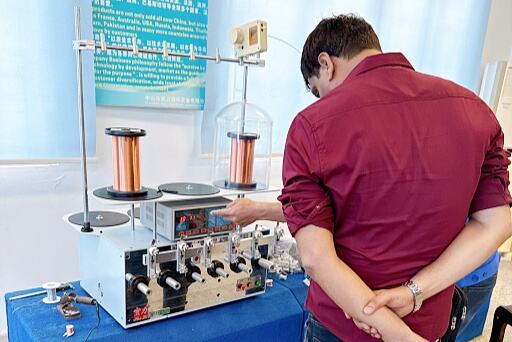
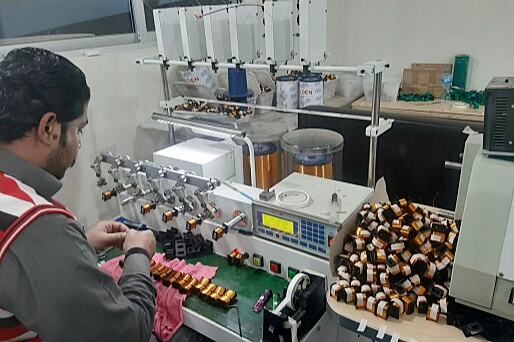
The speaker voice coil winding machine features an comprehensive integrated quality assurance system that continuously monitors critical parameters throughout the production process, ensuring every voice coil meets stringent quality standards before advancing to subsequent manufacturing stages. This sophisticated quality control framework incorporates multiple sensors and testing mechanisms that evaluate electrical characteristics, mechanical properties, and dimensional accuracy in real-time. Resistance measurement capabilities verify that each completed coil exhibits the correct electrical properties within specified tolerances, automatically flagging any units that deviate from predetermined parameters. The integrated system performs continuity testing to detect broken wires or poor connections that could cause speaker failure in field applications. Inductance measurements confirm that coil electrical characteristics match design specifications, ensuring consistent acoustic performance across production batches. Mechanical inspection features evaluate coil geometry, checking for proper cylindrical shape, uniform wire distribution, and correct overall dimensions. The quality assurance system incorporates vision-based inspection technology that examines wire placement accuracy, detecting crossed wires, uneven spacing, or other visual defects that could impact performance. Automated go/no-go testing eliminates subjective quality decisions, ensuring consistent standards regardless of operator experience or production shift changes. Statistical process control capabilities track quality trends over time, identifying potential issues before they affect significant quantities of production. The integrated database stores quality data for traceability purposes, enabling manufacturers to track individual coils from production through field performance if necessary. Alert systems notify operators immediately when quality parameters drift outside acceptable ranges, allowing prompt corrective action that prevents the production of defective units. The quality assurance system generates comprehensive reports that document production quality metrics, supporting continuous improvement initiatives and customer quality audits. Calibration management features ensure that all measurement systems maintain accuracy over time, with automatic reminders for periodic verification procedures. The integration with production control systems allows quality data to influence process parameters automatically, creating a closed-loop system that continuously optimizes production for maximum quality output. This comprehensive approach to quality assurance reduces warranty costs, enhances customer satisfaction, and supports premium market positioning for manufacturers utilizing these advanced capabilities.
 ×
×
 EN
EN