High Speed Winding Machine: Advanced Manufacturing Solutions for Superior Production Efficiency

Get a Free Quote

Our representative will contact you soon.
Email
Name
Company Name
Message
0/1000

high speed winding machine

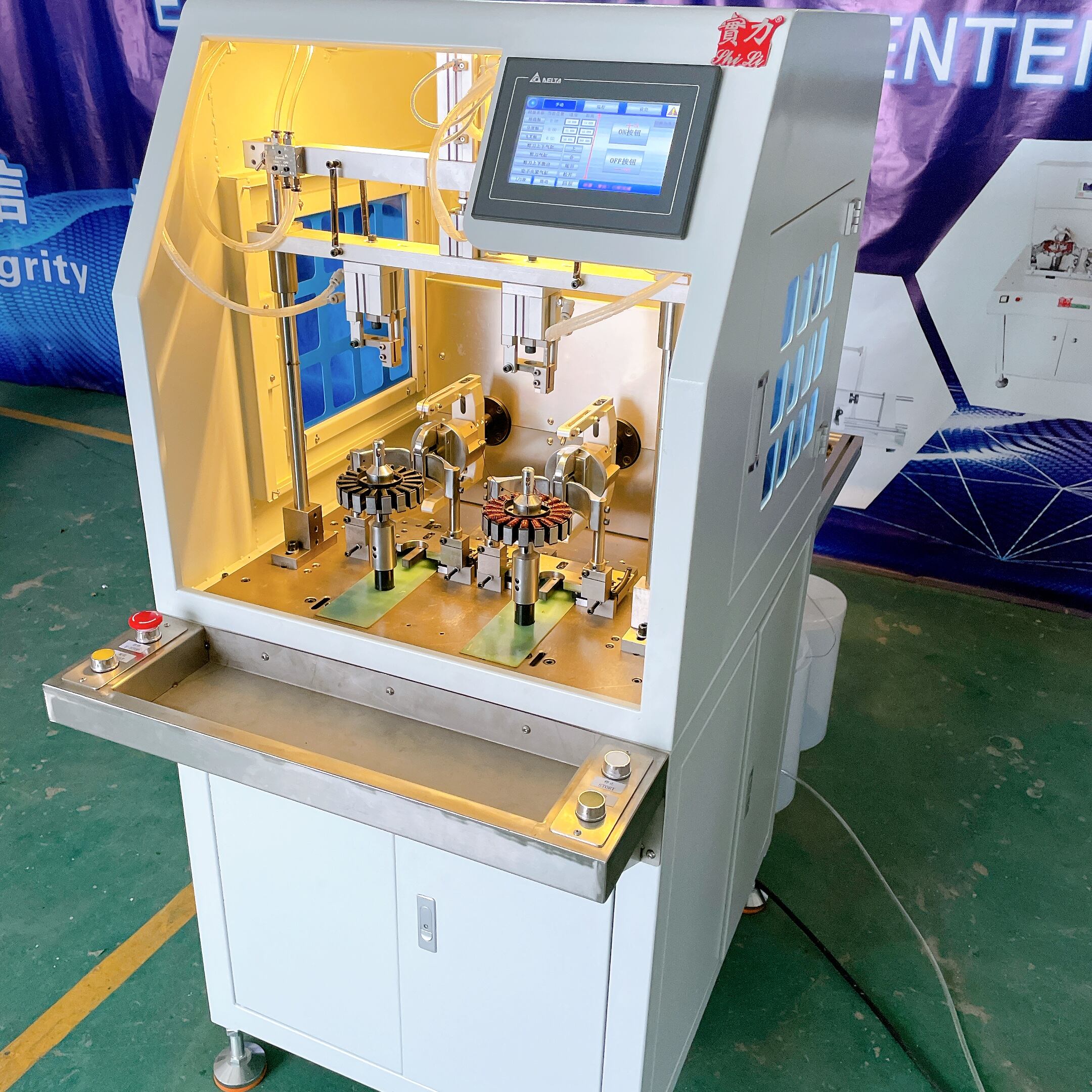
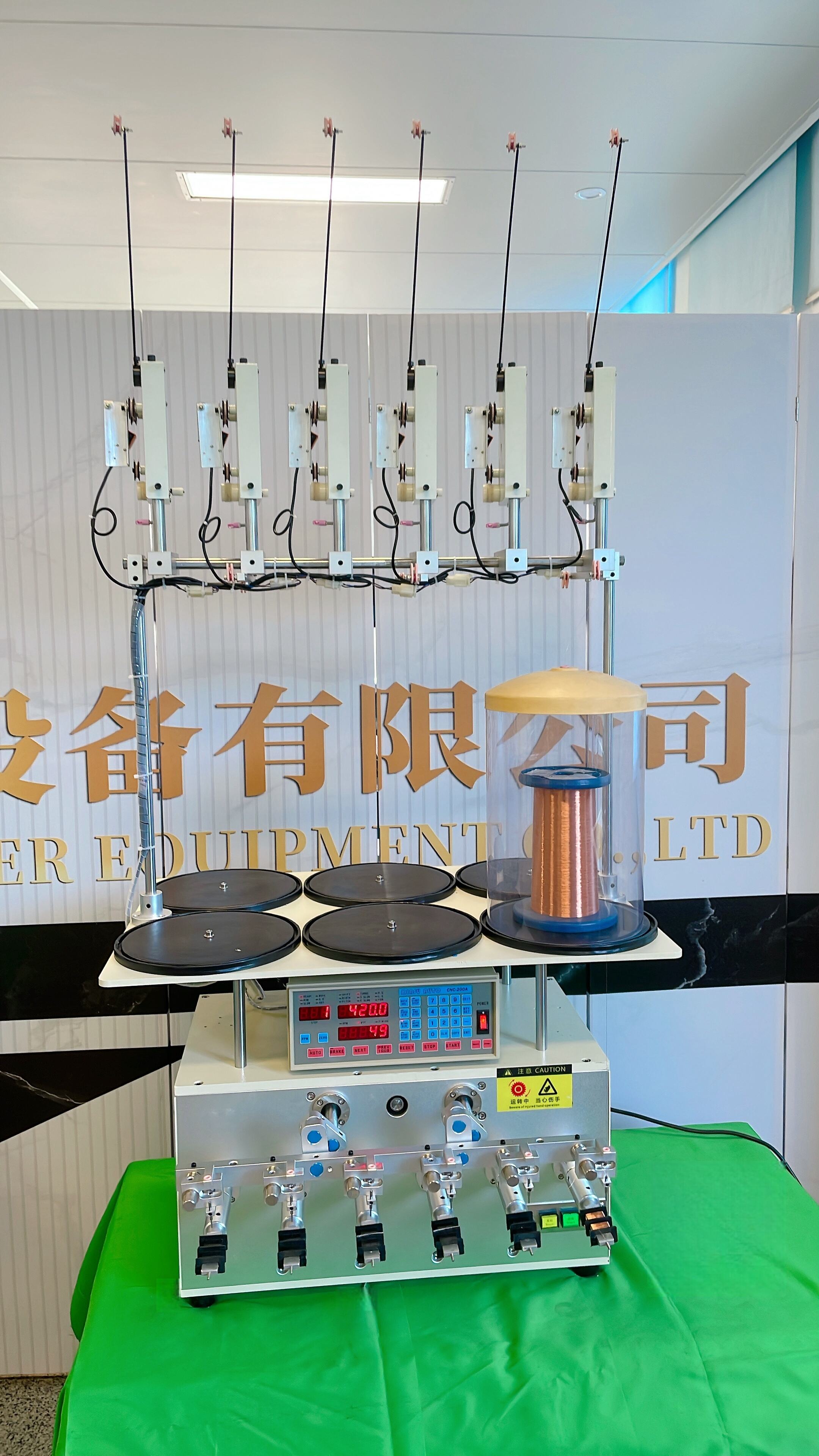
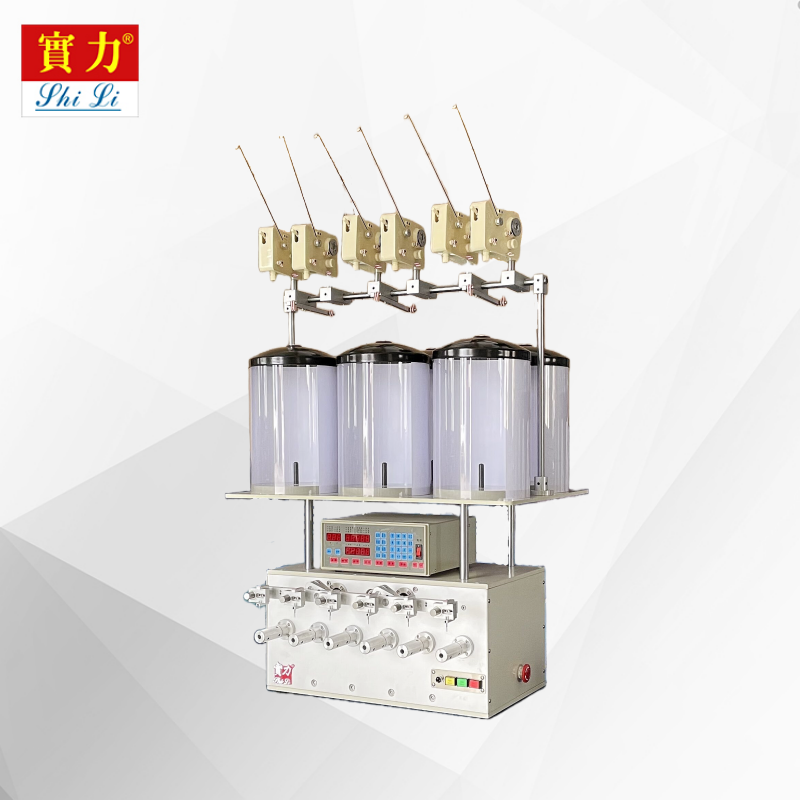
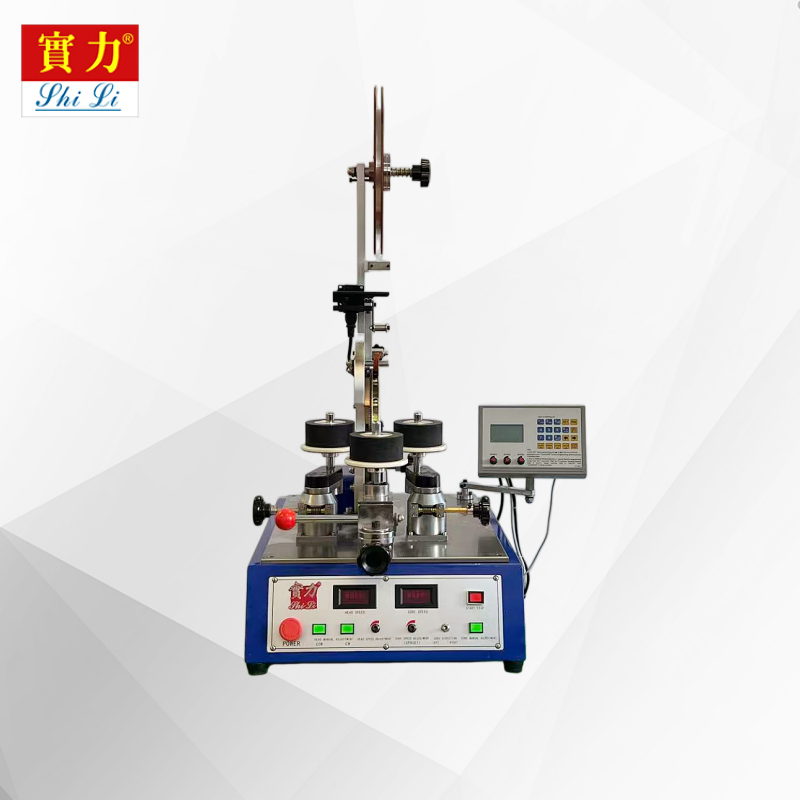
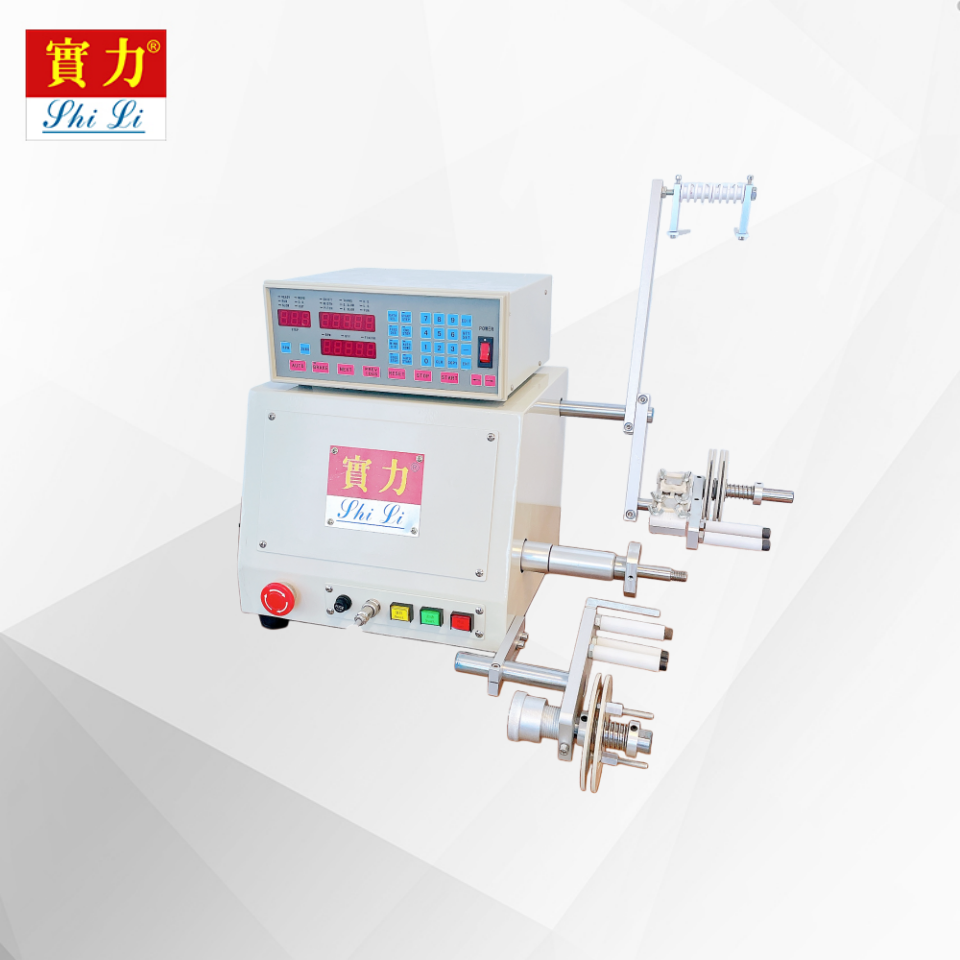
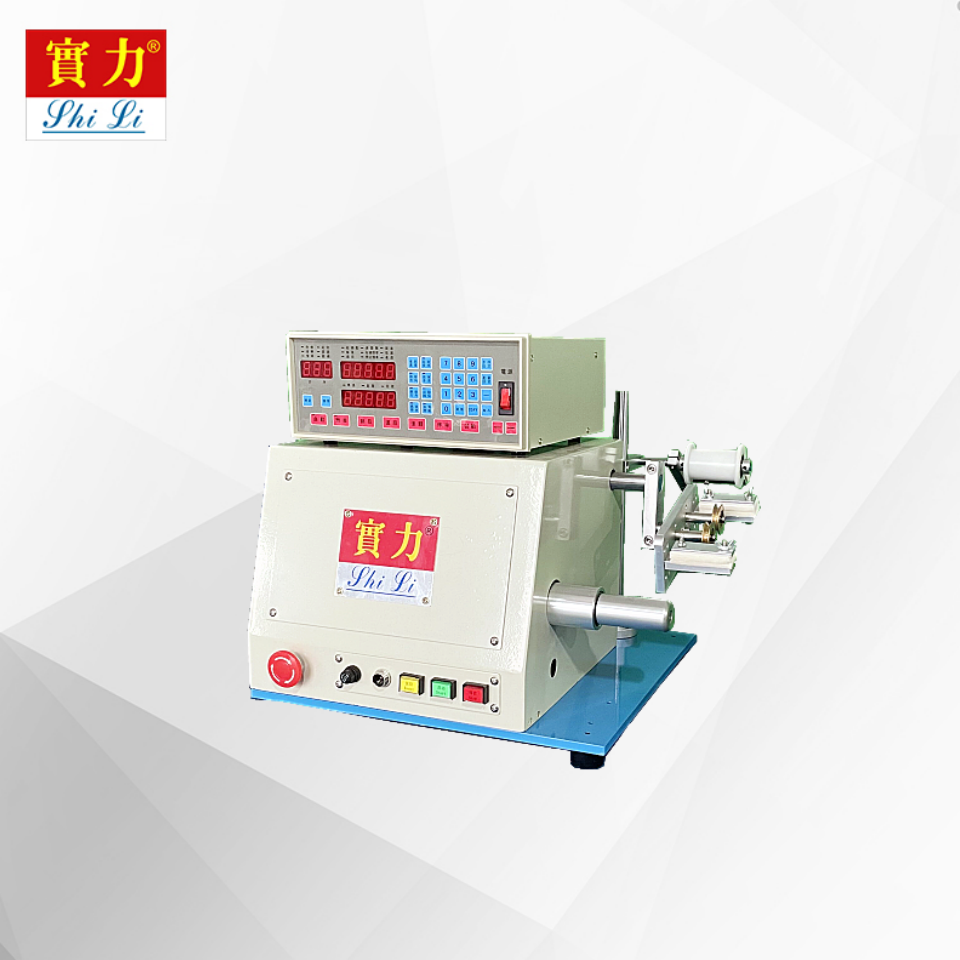
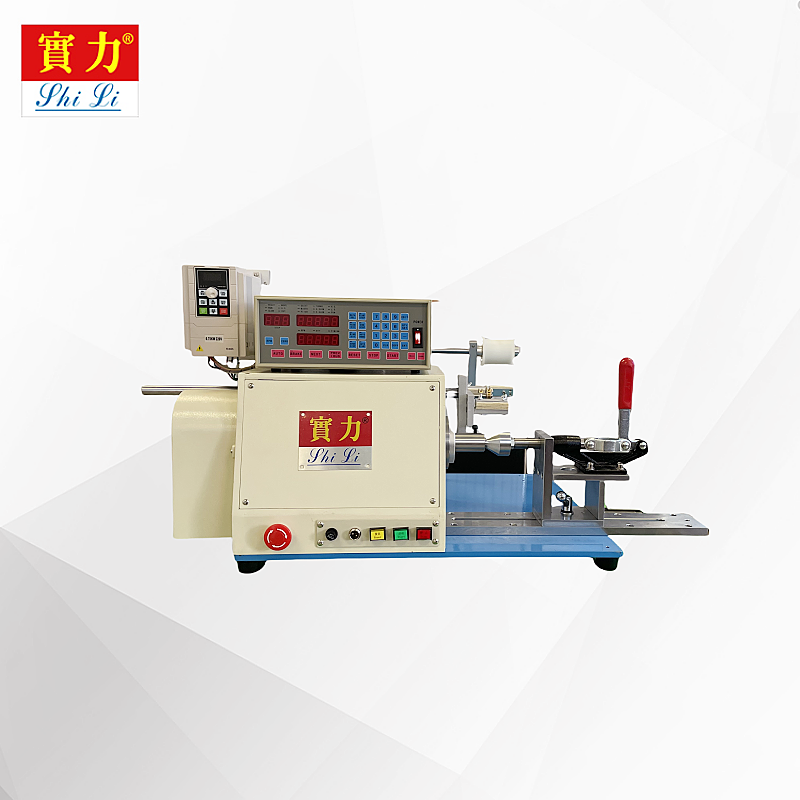
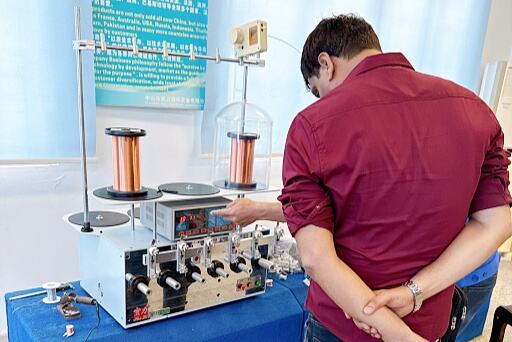
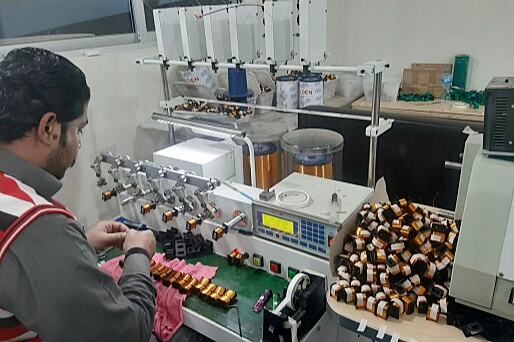
High speed winding machines represent a crucial advancement in modern manufacturing technology, designed to efficiently wind various materials onto spools, bobbins, or cores at significantly accelerated rates compared to conventional winding equipment. These sophisticated machines operate through precision-engineered systems that coordinate multiple components to achieve optimal winding performance while maintaining material integrity and consistency. The primary function of a high speed winding machine centers on the controlled application of tension and speed to wrap materials such as yarn, wire, cable, thread, or synthetic fibers onto designated carriers. Advanced servo motor systems provide the driving force, enabling these machines to reach operational speeds that can exceed 3000 meters per minute while maintaining precise control over tension variables. Modern high speed winding machines incorporate cutting-edge technological features including programmable logic controllers (PLC) that allow operators to customize winding parameters for different material types and specifications. Digital display interfaces provide real-time monitoring of critical variables such as winding speed, tension levels, layer distribution, and production counts. Automatic thread break detection systems immediately halt operations when material breakage occurs, preventing waste and ensuring consistent product quality. Tension control mechanisms utilize electromagnetic or pneumatic systems to maintain optimal material stress throughout the winding process, preventing both over-stretching and loose winding that could compromise final product performance. The applications for high speed winding machines span numerous industries including textile manufacturing, electrical wire production, telecommunications cable assembly, and specialty fiber processing. Textile manufacturers utilize these machines for producing high-quality yarn packages ready for weaving or knitting operations. Wire and cable manufacturers depend on high speed winding technology to create precise coils for electrical applications, automotive harnesses, and electronic components. The pharmaceutical and medical device industries employ specialized high speed winding machines for producing surgical sutures and medical grade filaments that require exceptional precision and cleanliness standards.

Popular Products

High speed winding machines deliver substantial productivity improvements that directly impact manufacturing efficiency and profitability for businesses across multiple industries. These advanced systems dramatically reduce production time by operating at speeds up to ten times faster than traditional winding equipment, allowing manufacturers to complete large orders within significantly shorter timeframes. This acceleration translates into increased throughput capacity without requiring additional floor space or personnel, making high speed winding machines an excellent investment for companies seeking to scale their operations efficiently. The precision engineering inherent in high speed winding machine design ensures consistent product quality that meets stringent industry standards and customer specifications. Automated tension control systems maintain optimal material stress throughout the entire winding process, eliminating variations that could compromise the integrity of the final product. This consistency reduces quality control issues, minimizes material waste, and decreases the likelihood of customer complaints or returns, ultimately protecting brand reputation and maintaining customer satisfaction levels. Energy efficiency represents another significant advantage of modern high speed winding machines, as these systems incorporate advanced motor technologies and intelligent control systems that optimize power consumption during operation. Variable frequency drives adjust motor speeds according to actual production requirements, reducing unnecessary energy expenditure during slower operations or standby periods. This efficiency not only reduces operational costs but also supports corporate sustainability initiatives by minimizing the environmental impact of manufacturing processes. Labor cost reduction emerges as a compelling benefit of high speed winding machine implementation, as these automated systems require minimal operator intervention once properly configured and calibrated. Single operators can often manage multiple machines simultaneously, dramatically improving labor productivity ratios compared to manual or semi-automatic alternatives. The intuitive digital interfaces and automated fault detection systems reduce the skill level required for operation, making it easier to train new personnel and reducing dependency on highly specialized technicians. Maintenance requirements for high speed winding machines remain relatively low due to robust construction and quality components designed for extended operational life. Predictive maintenance features alert operators to potential issues before they result in costly breakdowns, allowing for scheduled maintenance during planned downtime rather than unexpected production interruptions. This proactive approach to equipment maintenance extends machine lifespan, maintains optimal performance levels, and reduces overall maintenance costs over the equipment lifecycle. Flexibility in handling diverse material types and specifications makes high speed winding machines valuable assets for manufacturers serving multiple market segments or producing varied product lines. Quick changeover capabilities allow operators to switch between different materials, core sizes, or winding patterns with minimal setup time, maximizing equipment utilization and responding rapidly to changing customer demands or market opportunities.

Latest News

Solve Solenoid Valve Coil Production Pain Points for India | Easy Operation Guide

05

Feb

Solve Solenoid Valve Coil Production Pain Points for India | Easy Operation Guide

View More
Bangladesh Client Raves: Efficiency + Stable Quality

05

Feb

Bangladesh Client Raves: Efficiency + Stable Quality

View More
Turkey Full Container Shipment: Rave Reviews & Repeat Orders

05

Feb

Turkey Full Container Shipment: Rave Reviews & Repeat Orders

View More

Get a Free Quote

Our representative will contact you soon.
Email
Name
Company Name
Message
0/1000

high speed winding machine

Advanced Servo Motor Control System

Advanced Servo Motor Control System

The advanced servo motor control system represents the technological heart of modern high speed winding machines, delivering unparalleled precision and reliability that sets these machines apart from conventional alternatives. This sophisticated control mechanism employs closed-loop feedback systems that continuously monitor and adjust motor performance to maintain optimal winding parameters regardless of external variables or material characteristics. The servo motor technology enables instantaneous response to control inputs, allowing for precise speed adjustments that can accommodate delicate materials requiring gentle handling or robust materials capable of withstanding higher tensions and speeds. Digital encoders integrated within the servo motor system provide real-time position feedback with exceptional accuracy, ensuring that each revolution of the winding mechanism occurs at precisely the correct timing and speed. This level of control prevents common winding defects such as ribbon winding, where successive layers align improperly, or telescope formation, where the wound package develops uneven edges that compromise stability and handling characteristics. The programmable nature of servo motor control systems allows operators to create and store multiple winding programs tailored to specific material types, core dimensions, or customer requirements, dramatically reducing setup time when switching between different production runs. Advanced algorithms within the control system automatically compensate for variables such as package buildup, material stretch characteristics, and ambient temperature fluctuations that could otherwise affect winding quality. The servo motor control system also incorporates safety features that immediately halt operation if abnormal conditions are detected, protecting both equipment and personnel from potential hazards. Energy efficiency benefits emerge from the precise motor control capabilities, as the system only consumes the power necessary for the specific winding task at hand, avoiding the energy waste associated with constant-speed motors that operate at full capacity regardless of actual requirements. Maintenance advantages result from the reduced mechanical stress on motor components due to the smooth acceleration and deceleration profiles achievable through servo control, extending motor lifespan and reducing replacement costs. The diagnostic capabilities built into modern servo motor control systems provide valuable troubleshooting information that helps maintenance personnel quickly identify and resolve issues, minimizing downtime and maintaining production schedules.
Intelligent Tension Management Technology

Intelligent Tension Management Technology

Intelligent tension management technology revolutionizes the winding process by providing dynamic control over material stress throughout the entire production cycle, ensuring optimal product quality while maximizing operational efficiency. This advanced system continuously monitors material tension through precision load cells and feedback sensors that detect minute variations in stress levels, automatically adjusting control parameters to maintain the ideal tension range for each specific material type and winding application. The technology accommodates the natural variations in material properties that occur within individual production lots, compensating for differences in diameter, elasticity, surface characteristics, and moisture content that could otherwise result in inconsistent winding quality or material damage. Multi-zone tension control capabilities allow different sections of the material path to maintain independent tension levels, optimizing performance for complex winding patterns or materials that require varying stress levels at different stages of the winding process. The intelligent system learns from operational data, developing predictive algorithms that anticipate tension requirements based on package buildup, winding speed changes, and historical performance data for similar materials and specifications. Real-time tension monitoring displays provide operators with immediate feedback on system performance, enabling quick adjustments when necessary and providing valuable data for process optimization and quality control documentation. The technology incorporates multiple tension control methods including electromagnetic brakes, pneumatic dancers, and electronic load cells, allowing manufacturers to select the most appropriate control mechanism for their specific applications and material requirements. Advanced safety features within the intelligent tension management system prevent material breakage by detecting rapid tension increases that could indicate impending failure, automatically reducing tension or stopping the machine before damage occurs. Process repeatability improves significantly through the consistent tension control achieved by this technology, ensuring that each wound package meets identical specifications regardless of operator variations or environmental conditions. The system maintains detailed data logs of tension parameters throughout each production run, providing valuable quality assurance documentation and enabling statistical process control analysis that identifies trends and optimization opportunities. Integration capabilities allow the intelligent tension management system to communicate with other machine systems and facility-wide manufacturing execution systems, enabling comprehensive production monitoring and automated reporting that supports lean manufacturing initiatives and continuous improvement programs.
Automated Quality Control Integration

Automated Quality Control Integration

Automated quality control integration transforms high speed winding machines into comprehensive production systems that continuously monitor, evaluate, and optimize product quality throughout the manufacturing process without requiring constant operator supervision. This sophisticated integration combines multiple inspection technologies including laser measurement systems, vision inspection cameras, weight monitoring sensors, and dimensional verification equipment that work together to ensure every wound package meets predetermined quality specifications. The automated system performs real-time analysis of critical quality parameters such as package diameter consistency, layer distribution uniformity, end positioning accuracy, and overall package symmetry, immediately alerting operators to any deviations that could compromise product performance or customer satisfaction. Statistical process control algorithms continuously analyze quality data trends, identifying patterns that might indicate equipment wear, material variations, or process drift before these issues result in defective products or production interruptions. Machine learning capabilities enable the quality control system to adapt to new materials and specifications, automatically adjusting inspection parameters and acceptance criteria based on historical performance data and quality requirements. Automatic rejection systems remove defective packages from the production line without disrupting the overall manufacturing flow, segregating substandard products for rework or disposal while maintaining the integrity of acceptable inventory. Documentation capabilities within the automated quality control system generate comprehensive production reports that include quality metrics, process parameters, and statistical analysis data required for customer specifications, regulatory compliance, and internal quality management systems. The integration provides predictive maintenance benefits by monitoring quality trends that may indicate developing equipment issues, allowing maintenance personnel to address problems before they result in significant quality degradation or costly equipment failures. Traceability features track quality data for individual packages or production lots, enabling rapid identification and isolation of affected inventory if quality issues are discovered during subsequent processing or customer use. The automated system reduces labor requirements for quality control activities while simultaneously improving inspection accuracy and consistency compared to manual inspection methods that are subject to human error and fatigue. Integration with enterprise resource planning systems enables automatic updating of quality records, inventory status, and production scheduling based on real-time quality control results, supporting efficient manufacturing operations and customer service responsiveness. Advanced reporting capabilities provide management with detailed quality performance metrics and trend analysis that support continuous improvement initiatives and strategic decision-making regarding equipment investments and process optimization opportunities.
Get a Free Quote

Our representative will contact you soon.
Email
Name
Company Name
Message
0/1000
Newsletter
Please Leave A Message With Us