 EN
EN


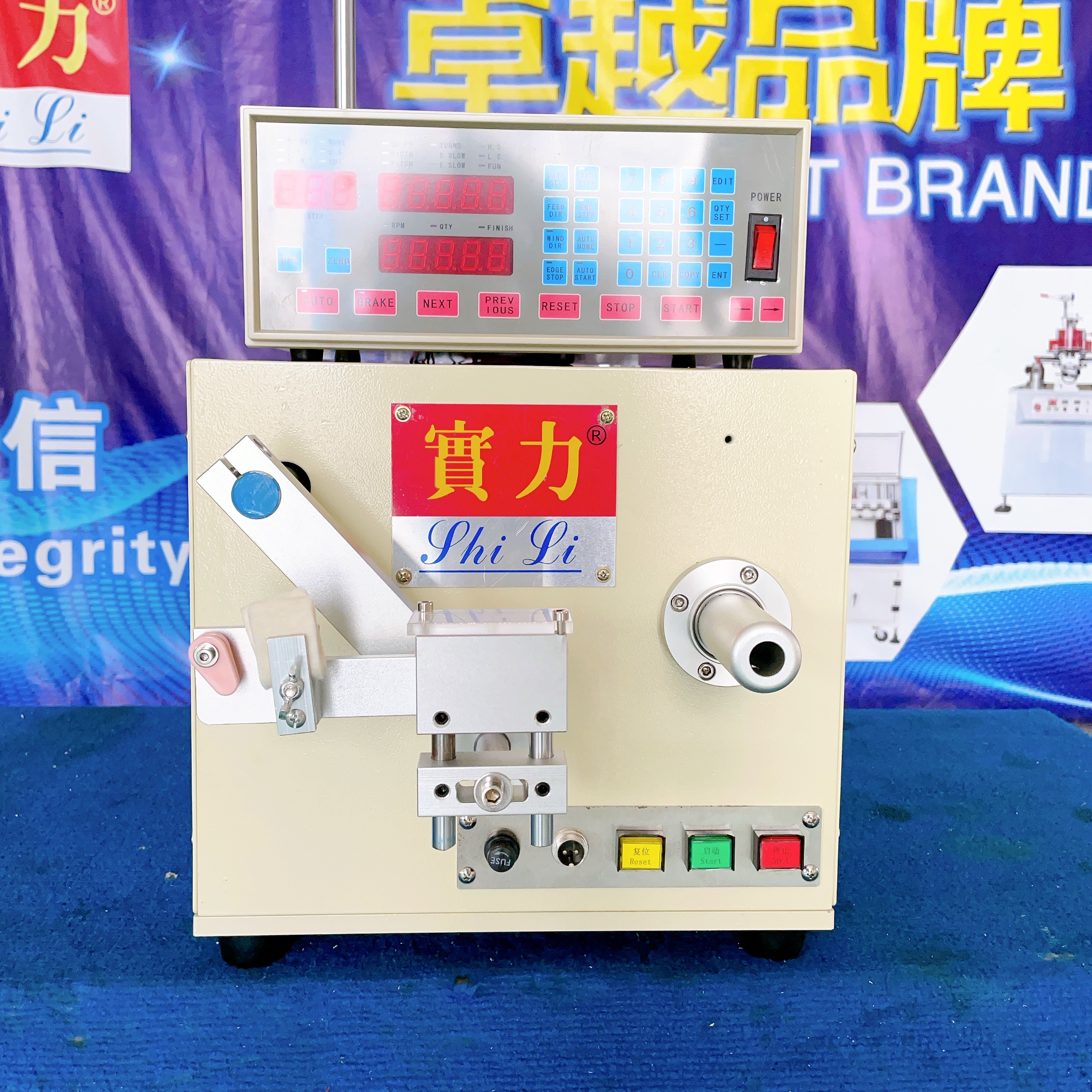
वॉइस कॉइल वाइंडिंग मशीन में निवेश करते समय, खरीदारों को उन महत्वपूर्ण निर्णयों का सामना करना पड़ता है जो सीधे उनकी उत्पादन गुणवत्ता, दक्षता और दीर्घकालिक संचालन सफलता को प्रभावित करते हैं। इस महत्वपूर्ण निवेश से पहले क्या मूल्यांकन करना चाहिए, यह समझने के लिए विशिष्ट तकनीकी विनिर्देशों, संचालन विशेषताओं और प्रदर्शन क्षमताओं की जांच करने की आवश्यकता होती है, जो पेशेवर-श्रेणी के उपकरणों को मूलभूत विकल्पों से अलग करती हैं।
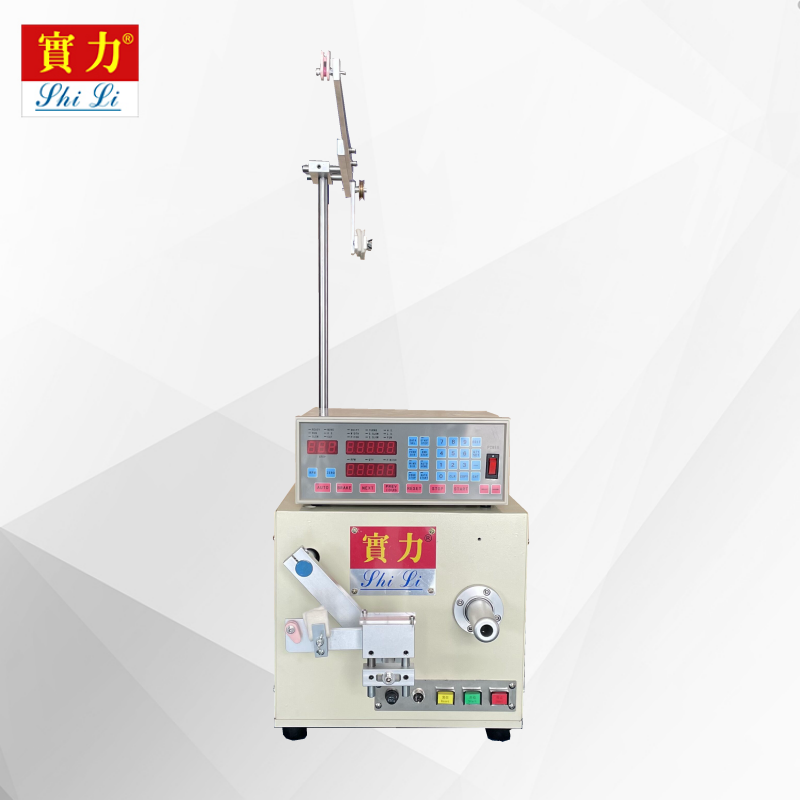
चयन प्रक्रिया में कई अंतर्संबद्ध कारकों का मूल्यांकन शामिल है जो तुरंत उत्पादन की आवश्यकताओं के साथ-साथ भविष्य की स्केलेबिलिटी आवश्यकताओं को भी प्रभावित करते हैं। एक व्यापक मूल्यांकन सुनिश्चित करता है कि खरीदार ऐसे उपकरण का चयन करें जो उनकी विशिष्ट विनिर्माण आवश्यकताओं को पूरा करे और उसके संचालन जीवनकाल भर विश्वसनीय प्रदर्शन प्रदान करे। यह मूल्यांकन ढांचा निर्माताओं को महंगी गलतियों से बचने और वॉइस कॉइल उत्पादन प्रौद्योगिकी में अपने निवेश को अनुकूलित करने में सहायता करता है।
मूल्यांकन के लिए आवश्यक तकनीकी विशिष्टताएँ
वाइंडिंग की सटीकता और सहनशीलता क्षमताएँ
परिशुद्धता वह मूल प्रदर्शन विशेषता है जो पेशेवर वॉयस कॉइल वाइंडिंग मशीनों को सामान्य विकल्पों से अलग करती है। खरीदारों को मशीन की क्षमता की जाँच करनी चाहिए कि क्या वह लंबे उत्पादन चक्र के दौरान स्थिर तार व्यवस्था, एकसमान तनाव वितरण और सटीक परत निर्माण को बनाए रख सकती है। आधुनिक वॉइस कोइल वाइंडिंग मशीन प्रणालियाँ तार की स्थिति के लिए ±0.01 मिमी के भीतर सहिष्णुता प्राप्त करती हैं, जिससे पूर्ण स्पीकरों में आदर्श ध्वनिक प्रदर्शन सुनिश्चित होता है।
तापमान संकल्पना तंत्र निरंतर संचालन के दौरान परिशुद्धता बनाए रखने में महत्वपूर्ण भूमिका निभाते हैं। उच्च गुणवत्ता वाली मशीनों में तापीय सेंसर और स्वचालित समायोजन प्रणालियाँ शामिल होती हैं जो सामग्री के प्रसार और यांत्रिक विस्थापन की भरपाई करती हैं। यह क्षमता उच्च-मात्रा उत्पादन वातावरण में विशेष रूप से महत्वपूर्ण हो जाती है, जहाँ वातावरणीय परिस्थितियों या संचालन की अवधि के बावजूद स्थिर गुणवत्ता मानकों को बनाए रखना आवश्यक होता है।
परत-से-परत संगति वॉयस कॉइल की विद्युत विशेषताओं और यांत्रिक स्थिरता दोनों को प्रभावित करती है। उन्नत वॉयस कॉइल वाइंडिंग मशीन डिज़ाइनों में प्रोग्राम करने योग्य टेंशन नियंत्रण प्रणालियाँ शामिल होती हैं, जो वाइंडिंग परत की स्थिति के आधार पर तार पर लगने वाले तनाव को समायोजित करती हैं, जिससे घनत्व का एकसमान वितरण सुनिश्चित होता है। यह सटीकता सीधे स्पीकर के प्रदर्शन पैरामीटर—जैसे आवृत्ति प्रतिक्रिया, शक्ति संचालन क्षमता और ऊष्मीय विसरण विशेषताओं—को प्रभावित करती है।
गति और उत्पादन क्षमता रेटिंग्स
उत्पादन गति क्षमताएँ वाणिज्यिक निर्माण वातावरण में वॉयस कॉइल वाइंडिंग मशीन के निवेश की आर्थिक व्यवहार्यता निर्धारित करती हैं। खरीदारों को अधिकतम वाइंडिंग गति, त्वरण दरें और उन स्थायी उत्पादन वेगों का मूल्यांकन करना चाहिए जिन्हें मशीनें गुणवत्ता मानकों को समझौते के बिना बनाए रख सकती हैं। पेशेवर उपकरण आमतौर पर 1,500 से 3,000 आरपीएम के बीच की वाइंडिंग गति प्राप्त करते हैं, जबकि सटीकता सहिष्णुताएँ बनी रहती हैं।
चक्र समय विश्लेषण में सेटअप, वाइंडिंग, टर्मिनेशन और चेंजओवर ऑपरेशन सहित पूर्ण उत्पादन अनुक्रम शामिल होते हैं। कुशल वॉइस कॉइल वाइंडिंग मशीन डिज़ाइन ऑटोमेटेड टूलिंग परिवर्तन, प्रोग्राम करने योग्य पैरामीटर भंडारण और त्वरित सेटअप क्षमताओं के माध्यम से गैर-उत्पादक समय को कम करती हैं। ये विशेषताएँ माँग वाले उत्पादन कार्यक्रमों में कुल उपकरण प्रभावशीलता और उत्पादन प्रवाह पर महत्वपूर्ण प्रभाव डालती हैं।
बैच आकार की लचीलापन निर्माताओं को विभिन्न ऑर्डर मात्राओं के आधार पर उत्पादन दक्षता को अनुकूलित करने की अनुमति देता है। आधुनिक मशीनें प्रोग्राम करने योग्य उत्पादन पैरामीटर और त्वरित-परिवर्तन टूलिंग प्रणालियों के माध्यम से उच्च-मात्रा वाले निरंतर चलने वाले ऑपरेशनों के साथ-साथ छोटे बैच के प्रोटोटाइप विकास को भी समायोजित कर सकती हैं। यह विविधता उन निर्माताओं के लिए आवश्यक सिद्ध होती है जो विभिन्न मात्रा आवश्यकताओं वाले विविध बाज़ार खंडों की सेवा करते हैं।
नियंत्रण प्रणाली और उपयोगकर्ता इंटरफ़ेस विशेषताएँ
प्रोग्रामिंग और पैरामीटर प्रबंधन
उन्नत नियंत्रण प्रणालियाँ व्यावसायिक वॉइस कॉइल वाइंडिंग मशीन उपकरणों को मूल विकल्पों से अलग करती हैं, क्योंकि ये उन्नत प्रोग्रामिंग क्षमताओं और उपयोगकर्ता-अनुकूल इंटरफ़ेस के साथ आती हैं। खरीदारों को मशीन की क्षमता का मूल्यांकन करना चाहिए कि क्या वह कई वाइंडिंग कार्यक्रमों को संग्रहीत कर सकती है, संचालन के दौरान पैरामीटरों को समायोजित कर सकती है और उत्पादन गुणवत्ता मेट्रिक्स पर वास्तविक समय में प्रतिक्रिया प्रदान कर सकती है। आधुनिक प्रणालियाँ स्पर्श-संवेदनशील इंटरफ़ेस के साथ बुद्धिमान नेविगेशन और व्यापक पैरामीटर दृश्यीकरण प्रदान करती हैं।
रेसिपी प्रबंधन कार्यक्षमता ऑपरेटरों को विस्तृत सेटअप प्रक्रियाओं के बिना विभिन्न वॉइस कॉइल विनिर्देशों के बीच त्वरित स्विच करने की अनुमति देती है। उच्च गुणवत्ता वाली वॉइस कॉइल वाइंडिंग मशीन प्रणालियाँ तार विनिर्देशों, तनाव सेटिंग्स, गति प्रोफाइल और गुणवत्ता जाँच बिंदुओं सहित पूर्ण पैरामीटर सेट के साथ सैकड़ों उत्पादन रेसिपी संग्रहीत करती हैं। यह क्षमता उत्पादन अनुसूची बनाने को सरल बनाती है और बहु-उत्पाद विनिर्माण वातावरण में परिवर्तन समय को कम करती है।
वास्तविक समय में निगरानी और समायोजन की क्षमताएँ ऑपरेटर्स को गुणवत्ता सेंसर्स और प्रदर्शन मेट्रिक्स से प्राप्त त्वरित प्रतिक्रिया के आधार पर उत्पादन पैरामीटर्स को अनुकूलित करने की अनुमति देती हैं। उन्नत मशीनें तनाव स्तरों, तार की स्थिति की सटीकता और वाइंडिंग की एकरूपता की निरंतर निगरानी प्रदान करती हैं, और उत्पादन चक्र के दौरान आदर्श गुणवत्ता मानकों को बनाए रखने के लिए स्वचालित रूप से संचालन पैरामीटर्स को समायोजित करती हैं।
गुणवत्ता नियंत्रण और निगरानी प्रणाली
एकीकृत गुणवत्ता नियंत्रण प्रणालियाँ वाइंडिंग प्रक्रिया के दौरान वॉइस कॉइल की विशेषताओं पर तुरंत प्रतिक्रिया प्रदान करती हैं, जिससे वास्तविक समय में सुधारात्मक कार्य किए जा सकते हैं और दोषपूर्ण उत्पादों के उत्पादन को रोका जा सकता है। आधुनिक वॉइस कॉइल वाइंडिंग मशीनों के डिज़ाइन में दृष्टि प्रणालियाँ, तनाव निगरानी और विद्युत परीक्षण क्षमताएँ शामिल हैं, जो कई प्रक्रिया चरणों पर उत्पाद की गुणवत्ता की पुष्टि करती हैं।
सांख्यिकीय प्रक्रिया नियंत्रण एकीकरण से निर्माताओं को गुणवत्ता के प्रवृत्ति को ट्रैक करने, प्रक्रिया में विचरण को पहचानने और वास्तविक प्रदर्शन डेटा के आधार पर रोकथाम रखरखाव के कार्यक्रम लागू करने की अनुमति मिलती है। ये प्रणालियाँ व्यापक उत्पादन रिपोर्ट उत्पन्न करती हैं, जो पेशेवर निर्माण वातावरण में गुणवत्ता प्रमाणन आवश्यकताओं और निरंतर सुधार पहलों का समर्थन करती हैं।
स्वचालित अस्वीकरण और छंटनी प्रणालियाँ उत्पादन के दौरान दोषपूर्ण वॉयस कॉइल्स की पहचान करती हैं और उन्हें ऑपरेटर हस्तक्षेप के बिना निर्माण प्रवाह से हटा देती हैं। यह क्षमता गुणवत्ता के सुसंगत मानकों को सुनिश्चित करती है, जबकि श्रम आवश्यकताओं को न्यूनतम करती है और दोषपूर्ण उत्पादों के उत्पाद असेंबली ऑपरेशन्स तक पहुँचने के जोखिम को कम करती है।
सामग्री हैंडलिंग और टूलिंग पर विचार
तार फीड और टेंशन नियंत्रण तंत्र
तार प्रबंधन प्रणालियाँ सामग्री प्रस्तुति, तनाव स्थिरता और फीड विश्वसनीयता पर अपने प्रभाव के माध्यम से वॉइस कॉइल की गुणवत्ता और उत्पादन दक्षता को सीधे प्रभावित करती हैं। खरीदारों को मशीन की क्षमता का मूल्यांकन करना आवश्यक है जो विभिन्न प्रकार के तारों को स्वीकार कर सके, विभिन्न स्पूल आकारों का प्रबंधन कर सके और संचालन की पूर्ण गति श्रेणी तथा उत्पादन स्थितियों के दौरान प्रत्येक तार के लिए स्थिर तनाव बनाए रख सके।
बहु-तार क्षमता वॉइस कॉइल वाइंडिंग मशीन की विविधता को विस्तारित करती है, जिससे कई चालक विन्यासों की एक साथ वाइंडिंग संभव हो जाती है। उन्नत प्रणालियाँ द्वि-तार (बाइफिलर), त्रि-तार (ट्राइफिलर) और जटिल बहु-चालक विन्यासों को स्वीकार कर सकती हैं, जबकि प्रत्येक तार तत्व के लिए स्वतंत्र तनाव नियंत्रण बनाए रखती हैं। यह क्षमता उच्च-प्रदर्शन अनुप्रयोगों के लिए विशिष्ट वॉइस कॉइल डिज़ाइनों का उत्पादन करने वाले निर्माताओं के लिए आवश्यक सिद्ध होती है।
स्वचालित तार टूटने का पता लगाने और संभालने के प्रणाली उत्पादन में व्यवधान को कम करती हैं और तार की निरंतरता में समस्याएँ आने पर दोषपूर्ण उत्पादन को रोकती हैं। गुणवत्तापूर्ण मशीनें तुरंत प्रक्रिया रोकने, तार के प्रतिस्थापन की प्रक्रिया और स्वचालित पुनः प्रारंभ करने की क्षमता प्रदान करती हैं, जो उत्पादन दक्षता को बनाए रखते हुए सुसंगत गुणवत्ता मानकों को सुनिश्चित करती हैं।
टूलिंग लचीलापन और परिवर्तन दक्षता
टूलिंग प्रणालियाँ उन वॉयस कॉइल विन्डिंग मशीनों के द्वारा उत्पादित की जा सकने वाली वॉयस कॉइल विन्यासों की श्रेणी और विभिन्न उत्पाद विनिर्देशों के बीच परिवर्तन की दक्षता निर्धारित करती हैं। खरीदारों को उपलब्ध टूलिंग विकल्पों, परिवर्तन समय की आवश्यकताओं और मॉड्यूलर टूलिंग दृष्टिकोण के माध्यम से भविष्य की उत्पाद विकास आवश्यकताओं को संतुष्ट करने की मशीन की क्षमता का मूल्यांकन करना चाहिए।
त्वरित-परिवर्तन औजार प्रणालियाँ सेटअप समय को कम करती हैं और विभिन्न वॉइस कॉइल आकारों और विशिष्टताओं के बीच तीव्र संक्रमण को सक्षम बनाकर उत्पादन लचीलापन में सुधार करती हैं। आधुनिक वॉइस कॉइल वाइंडिंग मशीन डिज़ाइनों में मानकीकृत औजार इंटरफ़ेस, स्वचालित स्थिति निर्धारण प्रणालियाँ और संग्रहीत पैरामीटर सेट शामिल होते हैं, जो परिवर्तन समय को न्यूनतम करते हैं और ऑपरेटर कौशल आवश्यकताओं को कम करते हैं।
अनुकूलन क्षमताएँ निर्माताओं को विशिष्ट वॉइस कॉइल विन्यासों और अद्वितीय उत्पादन आवश्यकताओं के लिए मशीनों को अनुकूलित करने की अनुमति देती हैं। गुणवत्तापूर्ण आपूर्तिकर्ता औजारों के अनुकूलित विकास और मशीन संशोधनों के लिए इंजीनियरिंग समर्थन प्रदान करते हैं, जो उपकरण क्षमता को मानक विन्यासों से परे विस्तारित करते हैं, जबकि विश्वसनीयता और परिशुद्धता मानकों को बनाए रखते हैं।
विश्वसनीयता और रखरखाव की आवश्यकताएं
घटकों की टिकाऊपन और सेवा जीवन
घटकों की विश्वसनीयता सीधे वॉइस कॉइल वाइंडिंग मशीन के निवेश के कुल स्वामित्व लागत और संचालन निरंतरता को प्रभावित करती है। खरीदारों को स्पिंडल असेंबली, ड्राइव सिस्टम, नियंत्रण इलेक्ट्रॉनिक्स और परिशुद्ध स्थिति निर्धारण तंत्र सहित महत्वपूर्ण घटकों के अपेक्षित सेवा जीवन का मूल्यांकन करना आवश्यक है। उच्च गुणवत्ता वाली मशीनों में उद्योग-श्रेणी के घटक शामिल होते हैं, जिन्हें मांग वाले विनिर्माण वातावरण में निरंतर संचालन के लिए डिज़ाइन किया गया है।
निवारक रखरखाव की आवश्यकताएँ दोनों संचालन लागतों और उत्पादन अनुसूची लचीलापन को प्रभावित करती हैं। आधुनिक वॉइस कॉइल वाइंडिंग मशीन के डिज़ाइन स्व-स्नेहन घटकों, स्थिति निगरानी प्रणालियों और भविष्यवाणी आधारित रखरखाव क्षमताओं के माध्यम से रखरखाव की आवश्यकताओं को कम करते हैं, जो निश्चित समय सूची के बजाय वास्तविक संचालन स्थितियों के आधार पर सेवा अंतराल को अनुकूलित करते हैं।
घटकों तक पहुँच की सुविधा और उनकी मरम्मत योग्यता दोनों ही नियमित रखरखाव की दक्षता और आपातकालीन मरम्मत क्षमताओं को प्रभावित करती है। अच्छी तरह से डिज़ाइन की गई मशीनें सेवा योग्य घटकों तक स्पष्ट पहुँच, व्यापक नैदानिक प्रणालियाँ और ऐसी मॉड्यूलर निर्माण संरचना प्रदान करती हैं जो व्यापक विघटन प्रक्रियाओं के बिना त्वरित घटक प्रतिस्थापन की अनुमति देती है।
समर्थन और प्रशिक्षण अवसंरचना
वॉयस कॉइल वाइंडिंग मशीन प्रणालियों के सफल कार्यान्वयन और दीर्घकालिक संचालन पर तकनीकी समर्थन की उपलब्धता और प्रशिक्षण कार्यक्रमों का महत्वपूर्ण प्रभाव पड़ता है। खरीदारों को आपूर्तिकर्ता की समर्थन अवसंरचना का मूल्यांकन करना चाहिए, जिसमें तकनीकी हॉटलाइन की उपलब्धता, दूरस्थ नैदानिक क्षमताएँ और नियमित एवं आपातकालीन स्थितियों दोनों के लिए ऑन-साइट सेवा प्रतिक्रिया समय शामिल हैं।
ऑपरेटर प्रशिक्षण कार्यक्रम मशीन के कुशल उपयोग और उत्पादन की अधिकतम गुणवत्ता सुनिश्चित करते हैं, जो उपकरण संचालन, रखरखाव प्रक्रियाओं और त्रुटि निवारण तकनीकों पर व्यापक शिक्षा के माध्यम से संभव होता है। गुणवत्तापूर्ण आपूर्तिकर्ता वॉइस कॉइल वाइंडिंग मशीन प्रणालियों के लिए आधारभूत संचालन और उन्नत अनुकूलन तकनीकों दोनों को संबोधित करने वाले संरचित प्रशिक्षण पाठ्यक्रम प्रदान करते हैं।
दस्तावेज़ीकरण और संदर्भ सामग्री विस्तृत संचालन मैनुअल, रखरखाव गाइड और त्रुटि निवारण के संदर्भों के माध्यम से निरंतर संचालन सफलता का समर्थन करती है, जो ऑपरेटरों को सामान्य समस्याओं को स्वतंत्र रूप से हल करने में सक्षम बनाती हैं। आधुनिक आपूर्तिकर्ता डिजिटल दस्तावेज़ीकरण पहुँच और वीडियो प्रशिक्षण सामग्री प्रदान करते हैं जो पारंपरिक मुद्रित संदर्भों का पूरक होती हैं।
अक्सर पूछे जाने वाले प्रश्न
वॉइस कॉइल वाइंडिंग मशीन के चयन में परिशुद्धता सहिष्णुता कितनी महत्वपूर्ण है?
प्रेसिजन सहिष्णुता वॉइस कॉइल वाइंडिंग मशीन के चयन में सबसे महत्वपूर्ण कारक है, क्योंकि यह सीधे तौर पर अंतिम स्पीकर्स के ध्वनिक प्रदर्शन और स्थिरता को निर्धारित करती है। ±0.01 मिमी से बेहतर सहिष्णुता वाली मशीनें इष्टतम विद्युत विशेषताएँ, समान चुंबकीय क्षेत्र अंतःक्रिया और उत्पादन बैचों के आर-पार स्थिर आवृत्ति प्रतिक्रिया सुनिश्चित करती हैं। कम प्रेसिजन के कारण प्रदर्शन में भिन्नताएँ, अस्वीकृति दर में वृद्धि और उत्पाद की गुणवत्ता में कमी आती है, जो प्रतिस्पर्धी बाजारों में निर्माता की प्रतिष्ठा को नुकसान पहुँचा सकती है।
पेशेवर वॉइस कॉइल वाइंडिंग मशीनों से खरीदारों को कितनी उत्पादन गति की अपेक्षा करनी चाहिए?
पेशेवर वॉइस कॉइल वाइंडिंग मशीन उपकरण आमतौर पर सटीक सहिष्णुता और गुणवत्ता मानकों को बनाए रखते हुए 1,500 से 3,000 आरपीएम के बीच लगातार उत्पादन गति प्राप्त करते हैं। हालाँकि, इष्टतम उत्पादन गति वॉइस कॉइल की जटिलता, तार के गेज और गुणवत्ता आवश्यकताओं पर निर्भर करती है। खरीदारों को ऐसी मशीनों पर प्राथमिकता देनी चाहिए जो चर गति नियंत्रण और स्वचालित समायोजन क्षमता प्रदान करती हों, जो विशिष्ट उत्पाद आवश्यकताओं के आधार पर उत्पादन क्षमता को अनुकूलित करती हों, बजाय केवल अधिकतम गति रेटिंग पर केंद्रित होने के।
उपकरण की लचीलापन कैसे दीर्घकालिक वॉइस कॉइल वाइंडिंग मशीन के मूल्य को प्रभावित करता है?
टूलिंग लचीलापन मशीनों द्वारा उत्पादित कर सकने वाले वॉयस कॉइल विन्यासों की श्रेणी और उत्पाद परिवर्तन की दक्षता को निर्धारित करके दीर्घकालिक उपकरण मूल्य को काफी हद तक प्रभावित करता है। मॉड्यूलर टूलिंग प्रणाली और त्वरित-परिवर्तन क्षमता वाली मशीनें अधिक उत्पादन विविधता प्रदान करती हैं तथा बाज़ार की मांगों के प्रति तीव्र प्रतिक्रिया सुनिश्चित करती हैं। जैसे-जैसे निर्माता उत्पाद लाइनों का विस्तार करते हैं या उपकरण के संचालन जीवनकाल के दौरान बदलती हुई ग्राहक आवश्यकताओं के अनुकूल होते हैं, यह लचीलापन लगातार अधिक मूल्यवान होता जाता है।
वॉयस कॉइल वाइंडिंग मशीन की खरीदारी के निर्णयों को कौन-से रखरखाव संबंधी विचार प्रभावित करने चाहिए?
रखराखाव के मामलों पर विचार करते समय घटकों की टिकाऊपन, सेवा तक पहुँच की सुविधा और समर्थन अवसंरचना की उपलब्धता पर ध्यान केंद्रित करना चाहिए। खरीदारों को अपेक्षित सेवा अंतराल, स्पेयर पार्ट्स की उपलब्धता और तकनीकी सहायता के प्रतिक्रिया समय का मूल्यांकन करना चाहिए। स्थिति निगरानी प्रणाली और भविष्यवाणी आधारित रखराखाव क्षमताओं वाली मशीनें अनपेक्षित डाउनटाइम को कम करती हैं और सेवा शेड्यूलिंग को अनुकूलित करती हैं। इसके अतिरिक्त, वे आपूर्तिकर्ता जो व्यापक प्रशिक्षण कार्यक्रम और दूरस्थ नैदानिक सहायता प्रदान करते हैं, लंबे समय तक संचालन सुरक्षा और दक्षता में वृद्धि करते हैं।
विषय-सूची
- मूल्यांकन के लिए आवश्यक तकनीकी विशिष्टताएँ
- नियंत्रण प्रणाली और उपयोगकर्ता इंटरफ़ेस विशेषताएँ
- सामग्री हैंडलिंग और टूलिंग पर विचार
- विश्वसनीयता और रखरखाव की आवश्यकताएं
-
अक्सर पूछे जाने वाले प्रश्न
- वॉइस कॉइल वाइंडिंग मशीन के चयन में परिशुद्धता सहिष्णुता कितनी महत्वपूर्ण है?
- पेशेवर वॉइस कॉइल वाइंडिंग मशीनों से खरीदारों को कितनी उत्पादन गति की अपेक्षा करनी चाहिए?
- उपकरण की लचीलापन कैसे दीर्घकालिक वॉइस कॉइल वाइंडिंग मशीन के मूल्य को प्रभावित करता है?
- वॉयस कॉइल वाइंडिंग मशीन की खरीदारी के निर्णयों को कौन-से रखरखाव संबंधी विचार प्रभावित करने चाहिए?