 EN
EN


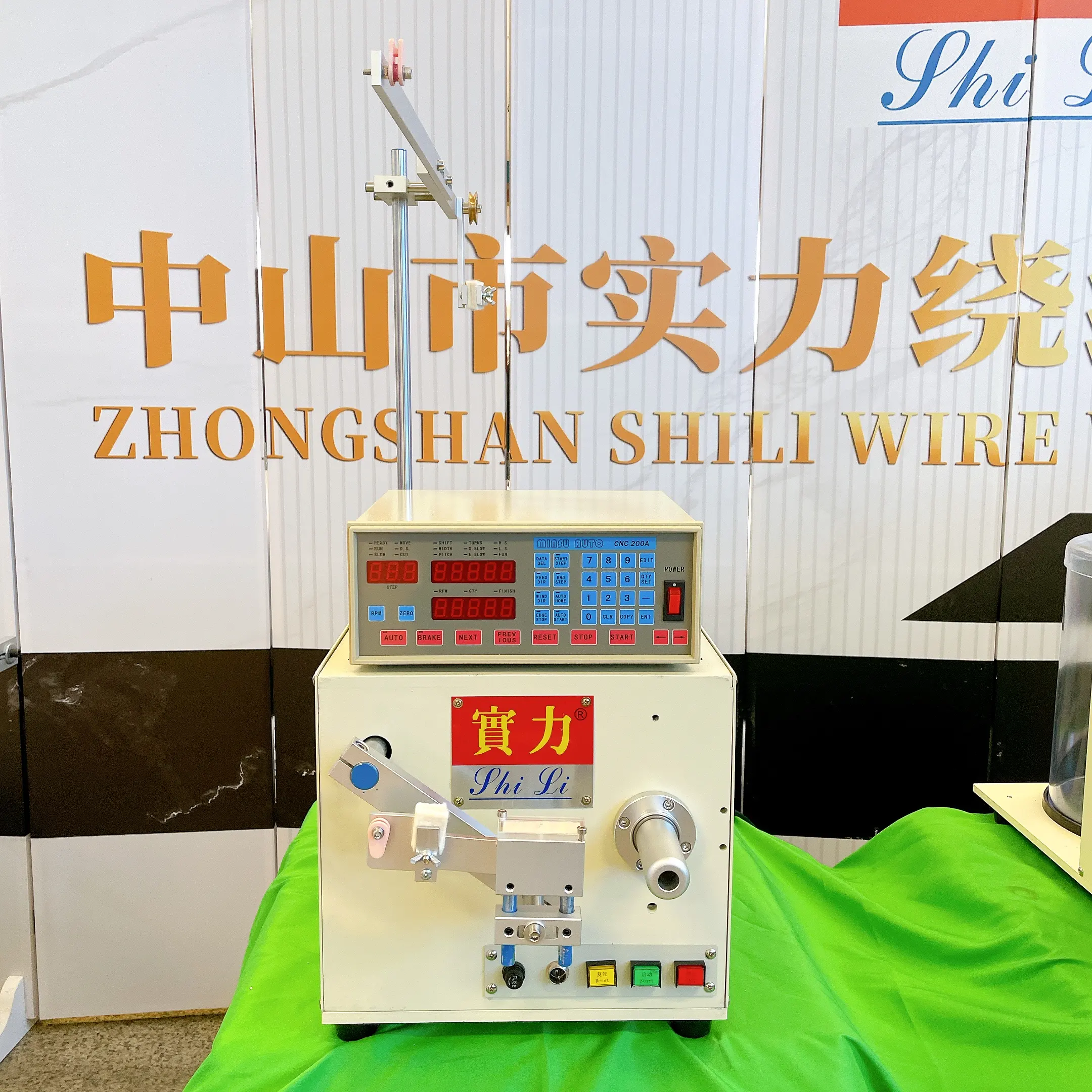
A voice coil winding machine improves accuracy through precise control mechanisms that eliminate human error and maintain consistent winding parameters throughout the production process. These specialized machines utilize advanced servo motors, tension control systems, and programmable positioning to achieve tolerances that manual winding simply cannot match, resulting in voice coils with uniform electrical characteristics and mechanical properties.
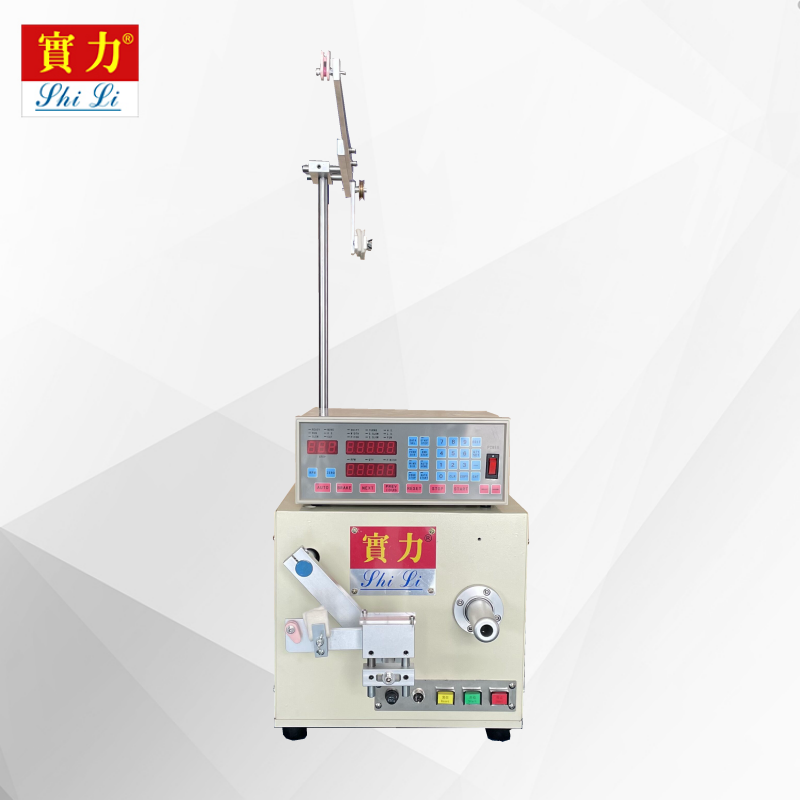
The accuracy improvements delivered by a voice coil winding machine stem from multiple integrated control systems working in harmony to maintain precise wire placement, consistent tension, and exact turn counts. This technological approach transforms voice coil manufacturing from a variable manual process into a repeatable, controlled operation that delivers consistent results across thousands of production cycles.
Precision Control Mechanisms in Voice Coil Winding
Servo Motor Positioning Systems
The foundation of accuracy in any voice coil winding machine lies in its servo motor positioning system, which controls wire placement with micrometer-level precision. These high-resolution motors receive position feedback through encoders that monitor rotational and linear movement, ensuring each wire turn is placed exactly where programmed. The servo system compensates for mechanical variations in real-time, maintaining consistent spacing between wire layers even when processing different coil sizes or wire gauges.
Advanced voice coil winding machine models incorporate multiple servo axes to control wire feed rate, coil rotation speed, and traversing mechanism simultaneously. This multi-axis coordination prevents the accumulation of positioning errors that could compromise coil geometry or electrical performance. The servo controllers use closed-loop feedback to verify actual position against commanded position, making micro-adjustments that keep wire placement within specified tolerances throughout the entire winding cycle.
Programmable Wire Tensioning
Wire tension control represents another critical accuracy factor that modern voice coil winding machines manage through programmable tensioning systems. Inconsistent tension during winding creates variations in coil resistance, inductance, and mechanical stress that directly impact voice coil performance in speaker applications. Automated tension control maintains constant wire pull force regardless of spool diameter changes, temperature variations, or wire material properties.
The tensioning system in a sophisticated voice coil winding machine typically includes pneumatic or electronic tension regulators that adjust pull force based on programmed parameters for specific wire types and coil designs. This automated control eliminates the operator variability that introduces tension inconsistencies in manual winding processes, resulting in voice coils with more predictable electrical characteristics and improved mechanical integrity.
Turn Count Accuracy and Layer Control
Electronic Turn Counting Systems
Accurate turn counting forms the cornerstone of voice coil electrical performance, and modern voice coil winding machines achieve this through electronic counting systems that track each individual wire revolution. These systems use optical encoders or magnetic sensors attached to the winding spindle to generate precise turn count data, eliminating the counting errors inherent in manual observation or mechanical counters that can slip or miscount under varying load conditions.
The electronic counting capability of a voice coil winding machine extends beyond simple turn enumeration to include layer transition detection and wire distribution monitoring. Advanced systems can identify when the winding pattern shifts between layers and automatically adjust wire guide positioning to maintain proper layer alignment. This level of control ensures that multi-layer voice coils maintain their designed geometry and electrical characteristics across the entire winding depth.
Layer Uniformity and Wire Distribution
Achieving uniform layer density throughout the voice coil winding requires precise control of wire distribution and layer transitions, capabilities that distinguish professional voice coil winding machine equipment from basic winding tools. The machine programming controls wire traverse speed relative to spindle rotation to ensure consistent wire spacing within each layer, while layer transition algorithms manage the precise moment when winding direction reverses for the next layer.
Voice coil winding machine systems monitor wire lay angle and adjust traverse parameters to prevent wire buildup at layer edges, a common source of coil irregularity that affects both electrical performance and mechanical fit within speaker assemblies. This automated layer management maintains consistent coil cross-sectional area and prevents the loose or tight spots that can develop during manual winding operations, resulting in voice coils with more uniform magnetic field interaction and improved audio reproduction characteristics.
Temperature and Environmental Compensation
Thermal Stability Management
Temperature variations during the winding process can significantly impact wire properties and machine dimensional stability, challenges that modern voice coil winding machines address through integrated thermal compensation systems. Wire resistance, elasticity, and diameter all change with temperature, affecting the final coil characteristics if not properly managed during the manufacturing process.
Professional voice coil winding machine designs incorporate temperature monitoring and compensation algorithms that adjust winding parameters based on ambient conditions and wire temperature. These systems may modify tension settings, traverse speeds, or turn counts to maintain consistent coil properties despite thermal variations. Some advanced machines include wire preheating or cooling systems to stabilize wire temperature before winding begins, ensuring consistent material properties throughout the production run.
Humidity and Atmospheric Control
Environmental factors beyond temperature also influence winding accuracy, particularly humidity levels that affect wire insulation properties and static charge buildup. A sophisticated voice coil winding machine may include atmospheric monitoring and control systems that maintain optimal environmental conditions during the winding process, preventing static-induced wire positioning errors and ensuring consistent insulation performance.
Static charge management becomes particularly important when winding fine gauge wires common in voice coil applications, as electrostatic forces can cause wire deflection and positioning errors that compromise coil geometry. Voice coil winding machine systems may incorporate ionizing air systems or grounding straps to dissipate static charges, maintaining accurate wire placement even when processing materials prone to static buildup under low humidity conditions.
Quality Monitoring and Feedback Systems
Real-Time Measurement Integration
Modern voice coil winding machines incorporate real-time quality monitoring systems that measure coil parameters during the winding process, enabling immediate detection and correction of accuracy deviations before they compromise the finished product. These integrated measurement systems can monitor coil resistance, inductance, and dimensional characteristics while winding progresses, providing feedback that allows the machine to make parameter adjustments automatically.
The measurement integration in advanced voice coil winding machine designs extends to optical dimension monitoring systems that verify coil diameter, height, and wire distribution in real-time. These non-contact measurement systems use laser triangulation or vision systems to detect dimensional variations and alert operators or trigger automatic corrections before the coil moves outside specified tolerances.
Statistical Process Control
Voice coil winding machine systems equipped with statistical process control capabilities track production data across multiple coils to identify trends and prevent systematic accuracy drift over time. These systems maintain databases of winding parameters, measurement results, and environmental conditions, using statistical analysis to detect when process variables begin trending toward specification limits before out-of-tolerance parts are produced.
The statistical monitoring function helps operators optimize voice coil winding machine performance by identifying the parameter combinations that produce the most consistent results for specific coil designs. This data-driven approach to process optimization enables continuous improvement in accuracy and reduces the trial-and-error approach often required when developing new voice coil specifications or transitioning between different product types.
Process Repeatability and Consistency
Program Storage and Recall
The ability to store and precisely recall winding programs represents a fundamental accuracy advantage of automated voice coil winding machine systems over manual processes. Once optimized winding parameters are established for a specific coil design, the machine can reproduce those exact conditions for subsequent production runs, eliminating the variation inherent in operator-dependent manual processes.
Program storage capabilities in modern voice coil winding machines extend beyond basic parameter sets to include complete process recipes that encompass wire handling, tension profiles, speed ramps, and quality checkpoints. This comprehensive program approach ensures that every aspect of the winding process remains consistent between production runs, regardless of operator changes, time delays between runs, or machine maintenance activities.
Calibration and Maintenance Protocols
Sustained accuracy from a voice coil winding machine requires systematic calibration and maintenance protocols that verify and maintain machine precision over time. Regular calibration procedures check servo positioning accuracy, tension system calibration, and measurement system precision to ensure continued compliance with accuracy specifications as mechanical components experience normal wear.
Preventive maintenance schedules for voice coil winding machine equipment focus on components that directly impact accuracy, including servo motor encoders, tension system components, and wire guide mechanisms. Properly maintained machines demonstrate remarkable consistency over thousands of production cycles, with accuracy performance that typically exceeds manual winding capabilities by significant margins while maintaining that precision advantage throughout the machine's operational life.
FAQ
What accuracy levels can modern voice coil winding machines achieve?
Modern voice coil winding machines typically achieve turn count accuracy within ±0.5% and dimensional tolerances within ±0.1mm for coil diameter and height. Wire tension control accuracy ranges from ±2% to ±5% depending on the machine design and wire type being processed. These accuracy levels represent significant improvements over manual winding methods, which commonly exhibit variations of ±5% to ±10% in turn count and much larger dimensional variations due to operator technique differences and fatigue factors.
How does machine accuracy compare to manual voice coil winding?
Voice coil winding machines deliver accuracy improvements of 5x to 10x compared to manual winding methods across all critical parameters. Manual winding typically produces coils with ±5% to ±15% variation in electrical characteristics, while automated machines maintain variations within ±1% to ±3%. The consistency advantage becomes even more pronounced in high-volume production where operator fatigue and skill variations significantly impact manual winding quality, while machine performance remains constant throughout extended production runs.
What factors most influence voice coil winding machine accuracy?
The primary factors affecting voice coil winding machine accuracy include servo motor resolution and control system quality, wire tension control precision, environmental stability, and machine mechanical rigidity. Wire quality and consistency also significantly impact achievable accuracy, as variations in wire diameter or surface properties can affect tension control and layer formation. Proper machine calibration and maintenance protocols are essential for maintaining accuracy over time, as worn components or calibration drift can gradually degrade precision performance.
Can voice coil winding machines maintain accuracy across different wire sizes?
Yes, modern voice coil winding machines maintain consistent accuracy across a wide range of wire sizes through adaptive control systems that adjust parameters based on wire specifications. The machine programming automatically modifies tension settings, traverse speeds, and positioning parameters when switching between different wire gauges or materials. However, optimal accuracy for each wire type requires proper setup and calibration, with some machines offering wire-specific parameter libraries that store optimized settings for commonly used wire types to ensure consistent results across product variations.