 EN
EN


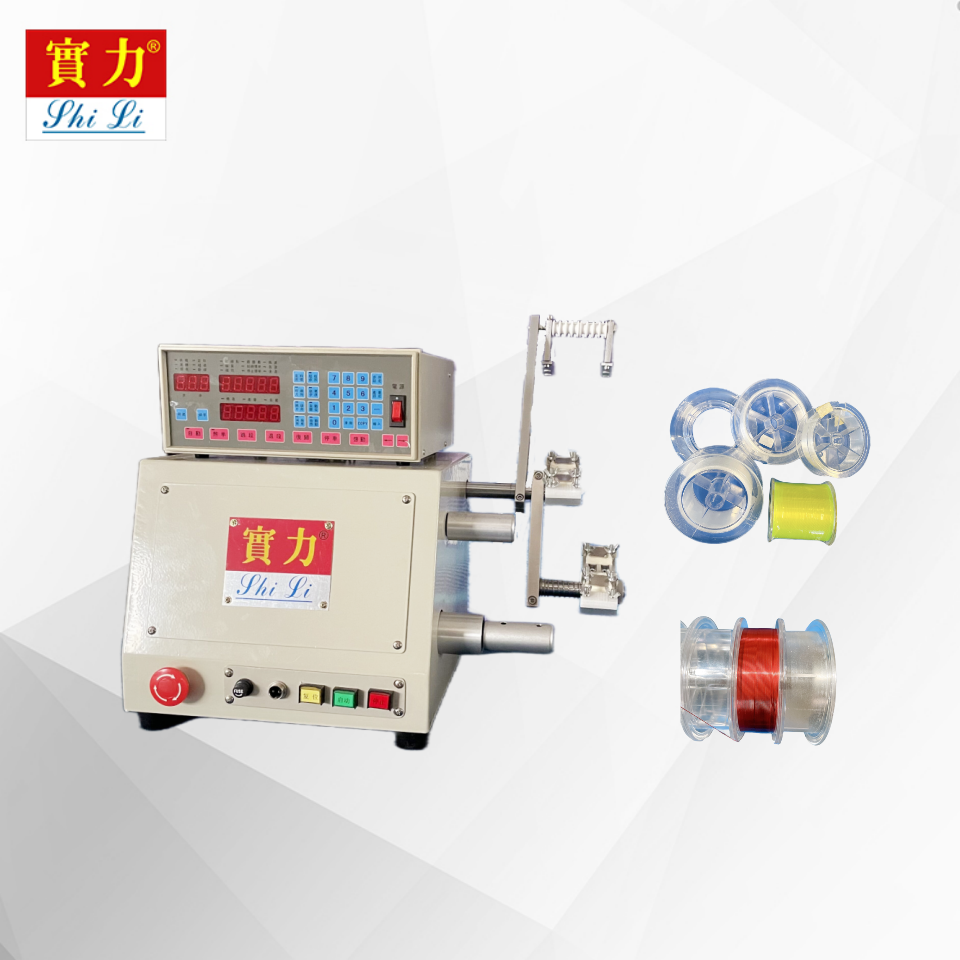
A bobbin winding machine represents a significant capital investment for any small shop, and understanding its footprint requirements is essential before making a purchase decision. The physical space occupied by a bobbin winding machine extends far beyond the equipment's base dimensions, encompassing operational clearance, material storage, finished product staging, and worker safety zones. For small shops with limited square footage, miscalculating these space needs can result in workflow bottlenecks, safety hazards, and inefficient production cycles that undermine profitability.
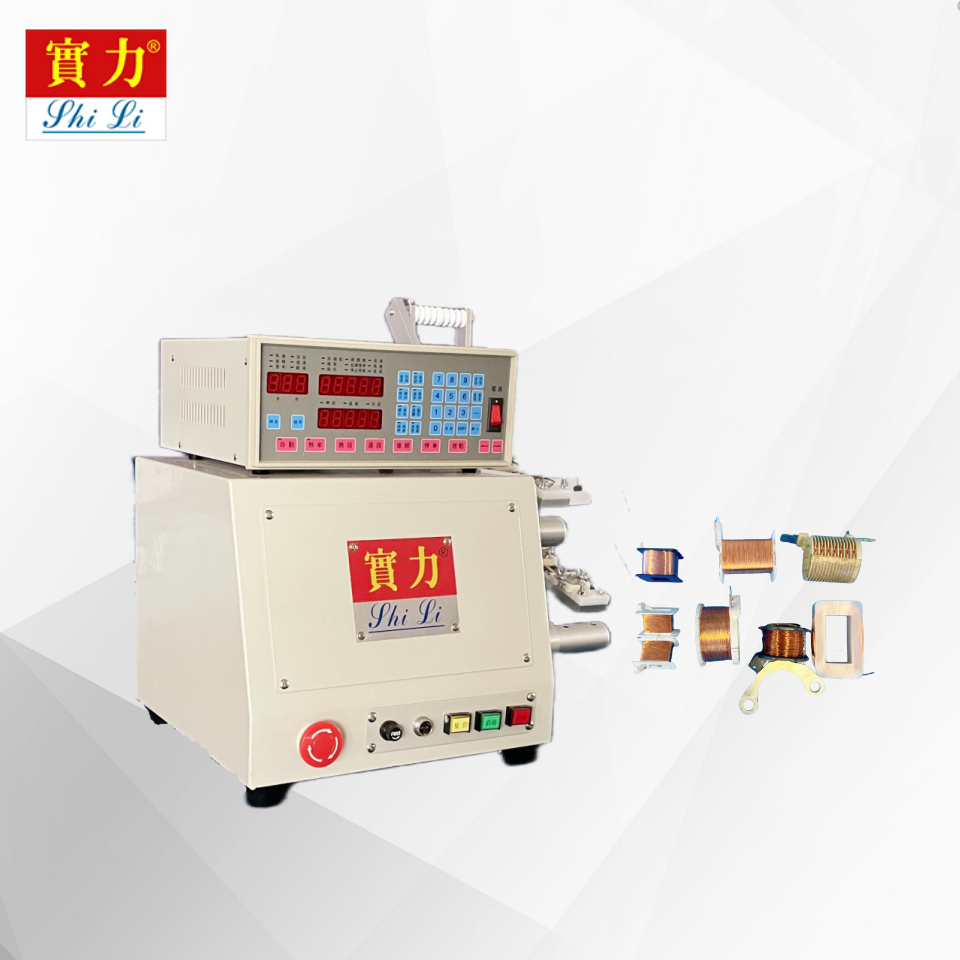
Before installing a bobbin winding machine in your shop, you must evaluate not only the equipment footprint but also the surrounding infrastructure requirements, including electrical supply locations, ventilation capacity, and accessibility for maintenance. Small shops often operate in converted warehouses, leased industrial spaces, or shared facilities where flexibility is limited, making advance planning critical. This article walks you through the essential footprint considerations that directly impact installation success, operational efficiency, and long-term cost management for your bobbin winding machine investment.
Understanding Base Footprint and Clearance Requirements
Measuring Your Bobbin Winding Machine Footprint
The base footprint of a bobbin winding machine is the floor area directly occupied by the equipment itself, typically measured in length and width. However, the actual operational footprint required extends significantly beyond these base dimensions. A bobbin winding machine needs clearance on all sides for operator access, material loading, and emergency egress. Most industrial standards recommend a minimum of 36 inches of clear space on the operator side and 24 inches on secondary sides, though larger machines may require greater clearance to prevent operator strain and improve safety compliance.
The depth of your bobbin winding machine footprint also includes space behind the equipment for electrical connections, air discharge from cooling systems, and access panels for routine maintenance. If your shop layout places the bobbin winding machine against a wall, you must still allow adequate space for technician access during repairs or component replacement. Failing to account for this rear clearance often forces costly relocations later or limits your ability to service the equipment efficiently, directly increasing downtime and maintenance costs.
Vertical Space and Overhead Considerations
The height of a bobbin winding machine footprint extends to the ceiling, particularly for models with overhead creel systems or yarn tensioning mechanisms. Many small shops underestimate the vertical dimension, leading to problems when the bobbin winding machine cannot be positioned as planned or when operator reach requirements are compromised. Standard facility ceiling heights of 10 to 12 feet are usually adequate, but older industrial spaces may have lower ceilings, structural beams, or suspended utilities that reduce usable vertical clearance.
Additionally, the bobbin winding machine footprint calculation must account for ventilation ducting, cable trays, or lighting fixtures that may hang from above. These overhead obstacles not only reduce working space but can also interfere with material delivery systems, creel positioning, or operator movement around the equipment. In compact shop environments, vertical space constraints often prove more limiting than floor area, making early ceiling clearance verification essential before finalizing your bobbin winding machine placement strategy.
Material Flow and Storage Integration with Your Bobbin Winding Machine Footprint
Raw Material Staging Near the Bobbin Winding Machine
The complete bobbin winding machine footprint must include dedicated space for raw material storage positioned within reasonable reach of the equipment. Small shops typically lack centralized warehousing, so raw bobbins, wire spools, or yarn creels must be staged immediately adjacent to the bobbin winding machine to minimize material handling time and labor cost. The footprint allocation for this staging area depends on your production batch sizes and material types, but most operations require 50 to 150 square feet of dedicated storage space directly adjacent to the bobbin winding machine.
Material staging efficiency directly impacts labor productivity around your bobbin winding machine. If raw materials are positioned too far away or obscured by other equipment, operators waste time walking to retrieve materials, reducing machine utilization and increasing per-unit production cost. The bobbin winding machine footprint plan should reserve organized staging space with shelving or mobile racks, allowing operators to replenish the machine without interrupting the winding cycle. This integrated material zone becomes part of the overall bobbin winding machine footprint calculation and directly influences floor layout efficiency.
Finished Product Staging and Quality Control Areas
Your bobbin winding machine footprint plan must also reserve space for finished product staging, quality inspection, and packaging operations. Unwound bobbins or wound products cannot stack indefinitely on the machine itself; they require nearby staging pallets, carts, or shelving that becomes part of the total equipment footprint allocation. In small shops operating on just-in-time schedules, the bobbin winding machine footprint often includes a small quality control inspection station within sight of the equipment for real-time process monitoring and defect detection.
The finished product area adjacent to your bobbin winding machine should allow workers to unload wound products, perform visual checks, and stage items for packaging or shipment without creating bottlenecks. Many small shops find that inadequate finished product space leads to temporary product pile-up on the bobbin winding machine itself, reducing available workspace and increasing risk of damage to completed units. Planning this downstream footprint area as an integrated extension of the bobbin winding machine footprint eliminates these inefficiencies from the start.
Electrical, Ventilation, and Infrastructure Demands on Your Bobbin Winding Machine Footprint
Electrical Supply and Utility Access for Your Bobbin Winding Machine
The operational footprint of a bobbin winding machine extends to include electrical infrastructure requirements that cannot be overlooked. Most bobbin winding machine installations require dedicated three-phase power circuits, soft starters or variable frequency drives, and backup power conditioning to protect sensitive electronic controls. The bobbin winding machine footprint must position the equipment in proximity to existing electrical panels or allow for trenched conduit runs without creating trip hazards or crossing active work areas.
Small shops often discover too late that the ideal physical location for the bobbin winding machine footprint conflicts with electrical supply constraints. Moving the bobbin winding machine after installation requires extensive rewiring, additional power panels, or lengthy conduit runs that increase project costs dramatically. Before selecting the bobbin winding machine footprint location, verify available three-phase power at that position, confirm circuit capacity, and ensure the electrical infrastructure can support the machine's peak load demands without voltage sag or nuisance breaker trips.
Ventilation and Environmental Control Within the Bobbin Winding Machine Footprint Zone
Many small shops overlook ventilation requirements when planning the bobbin winding machine footprint. Depending on the winding process and materials used, your bobbin winding machine may generate heat, moisture, or chemical vapors that require localized ventilation or make-up air systems. The bobbin winding machine footprint must allow space for extraction ductwork, exhaust outlets, or cooling system discharge without blocking operator access or creating uncomfortable working conditions near the equipment.
Environmental control becomes especially critical for precision winding applications where humidity or temperature fluctuations affect product quality. The bobbin winding machine footprint plan should identify whether climate control systems, fans, or dehumidifiers need to be installed or upgraded to support the machine's operation. Inadequate ventilation not only reduces operator comfort but can compromise product quality and shorten the service life of the bobbin winding machine, making early planning essential to avoid costly retrofits or operational compromises.
Safety Clearances and Compliance Integration Into Your Bobbin Winding Machine Footprint
OSHA and Industry Standard Safety Spacing
Your bobbin winding machine footprint must comply with OSHA regulations and industry safety standards that mandate minimum spacing for hazard control and emergency egress. The bobbin winding machine footprint cannot be squeezed into tight spaces where operators cannot safely load materials, reach emergency stops, or exit the area during equipment malfunction. Standard practice requires 48 inches of minimum aisle space on primary access sides and unobstructed emergency egress routes from the bobbin winding machine location to the nearest exit or safety station.
Safety compliance directly affects your facility insurance costs, regulatory liability, and worker protection. An undersized bobbin winding machine footprint that violates safety standards can trigger citations, insurance premium increases, or forced equipment relocation that disrupts production and increases expenses. Early engagement with your insurance provider and a safety consultant during the bobbin winding machine footprint planning phase prevents costly compliance issues and demonstrates due diligence in worker protection.
Maintenance Access and Service Routes Around the Bobbin Winding Machine
The bobbin winding machine footprint must include dedicated space for preventive maintenance and component replacement without requiring major equipment moves. Technicians need clear access to electrical connection panels, tension adjustment mechanisms, creel systems, and drive assemblies that may be located on multiple sides of the equipment. The bobbin winding machine footprint plan should designate maintenance zones and ensure these areas remain unobstructed by storage, other machinery, or temporary installations that could impede service access during critical downtimes.
Restricted maintenance access around a bobbin winding machine frequently extends repair times, increases labor costs, and forces preventive maintenance delays that lead to unexpected failures. By calculating the bobbin winding machine footprint to include adequate service zones upfront, you protect your investment and maintain more consistent uptime over the equipment's operational lifetime. This proactive approach to footprint planning directly reduces total cost of ownership and supports long-term production reliability in your small shop environment.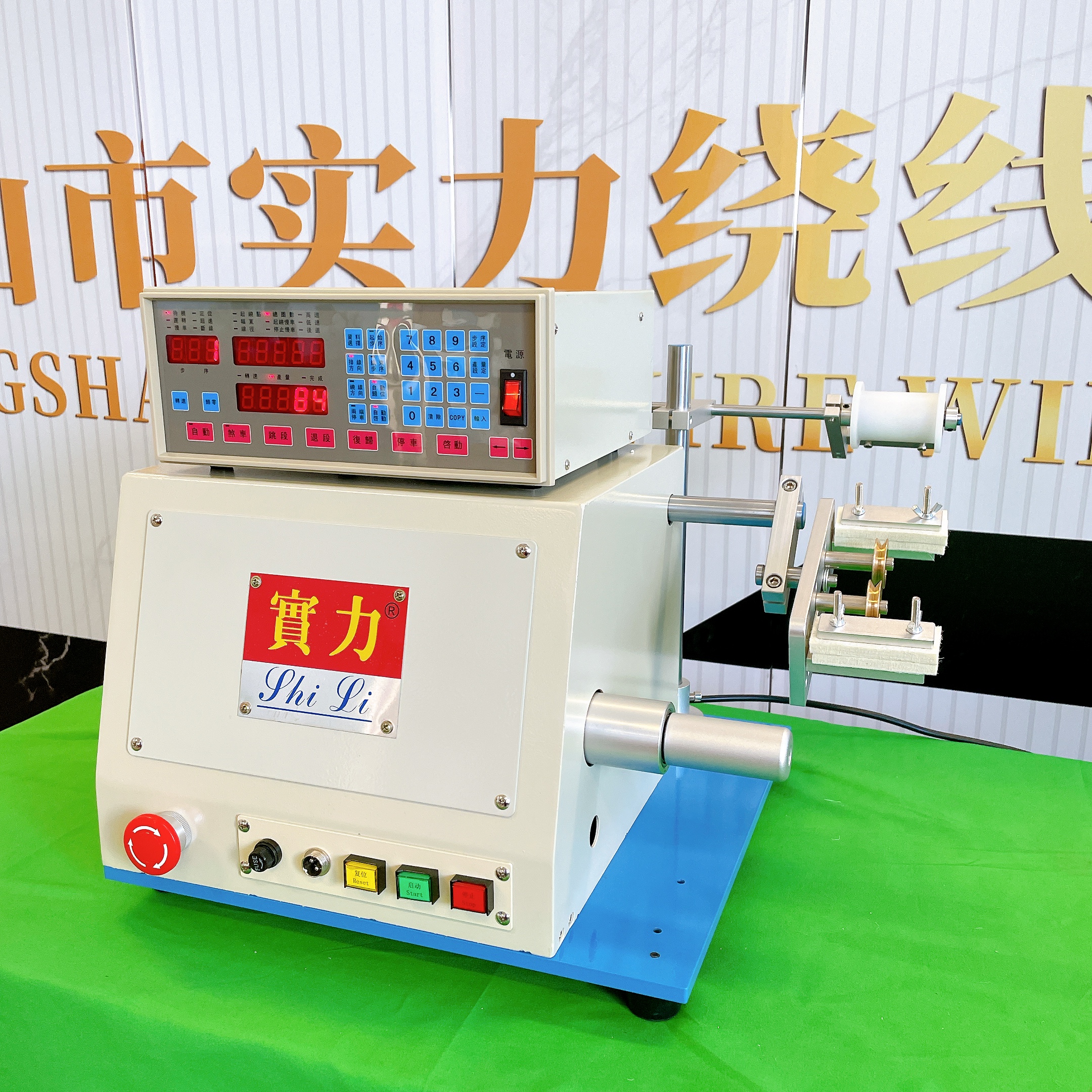
FAQ
What is the typical base footprint size for a standard bobbin winding machine?
Most commercial bobbin winding machines occupy between 120 to 250 square feet of direct base footprint, depending on spindle configuration and capacity. However, when you include operational clearance, material staging, finished product areas, and utility access, the total effective footprint allocated to a bobbin winding machine typically ranges from 300 to 600 square feet. Small shops should anticipate the larger range when planning facility allocation to ensure comfortable, efficient operation without crowding that compromises safety or workflow.
Can a bobbin winding machine be relocated after initial installation in a small shop?
Relocating a bobbin winding machine after installation is possible but often expensive and disruptive. Moving the equipment requires electrical disconnection and reconnection, recalibration of precision components, and temporary production stoppage. Additional costs arise from potential facility modifications like new electrical circuits, conduit runs, or structural adjustments needed at the new location. Careful upfront footprint planning eliminates most relocation needs and protects your capital investment by ensuring the bobbin winding machine placement is optimal from the start.
How much floor space should a small shop reserve for material handling around a bobbin winding machine?
Small shops typically need to reserve 100 to 200 square feet of adjacent floor space for raw material staging, finished product areas, and operator movement around a bobbin winding machine. This zone prevents congestion, supports efficient labor utilization, and protects product quality by keeping materials organized and accessible. The exact allocation depends on your production batch sizes, material types, and whether you use automated material handling systems, but allocating space generously at the planning stage prevents operational headaches and safety issues later.
Table of Contents
- Understanding Base Footprint and Clearance Requirements
- Material Flow and Storage Integration with Your Bobbin Winding Machine Footprint
- Electrical, Ventilation, and Infrastructure Demands on Your Bobbin Winding Machine Footprint
- Safety Clearances and Compliance Integration Into Your Bobbin Winding Machine Footprint
- FAQ