 EN
EN


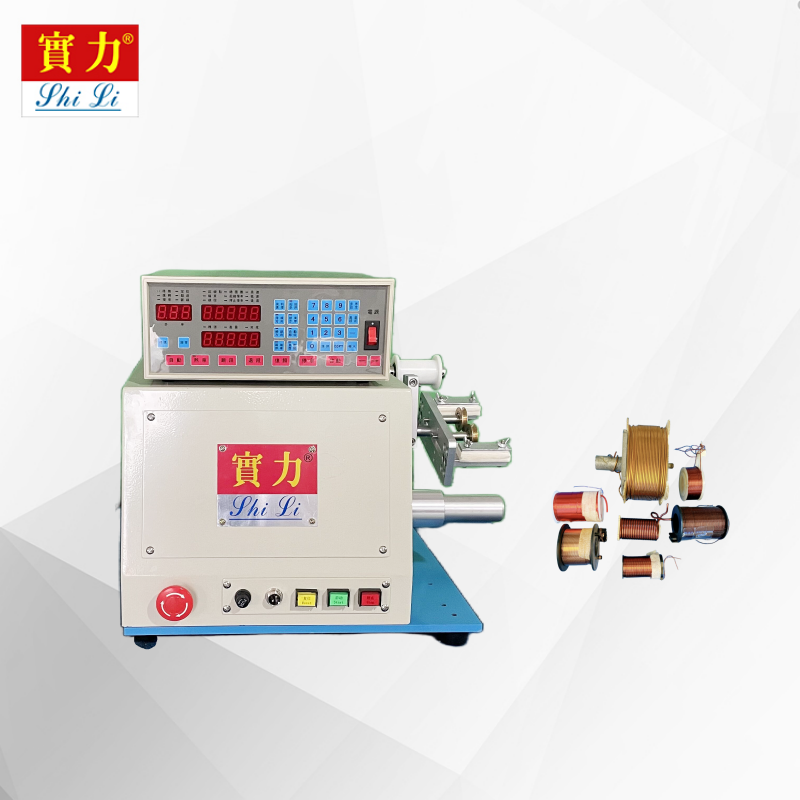
Precision in coil winding is critical for manufacturing quality electrical components, and the role of jig design in a bobbin winding machine cannot be overstated. The bobbin winding machine serves as the backbone of coil production, but its performance depends heavily on the fixtures and jigs that guide wire placement, maintain tension consistency, and ensure uniform layer distribution. Properly designed jigs transform a bobbin winding machine from a basic production tool into a precision instrument capable of producing components that meet exacting electrical and mechanical specifications. Understanding how different jig designs impact the bobbin winding machine's output is essential for manufacturers seeking to improve quality, reduce scrap rates, and maintain competitive production schedules.
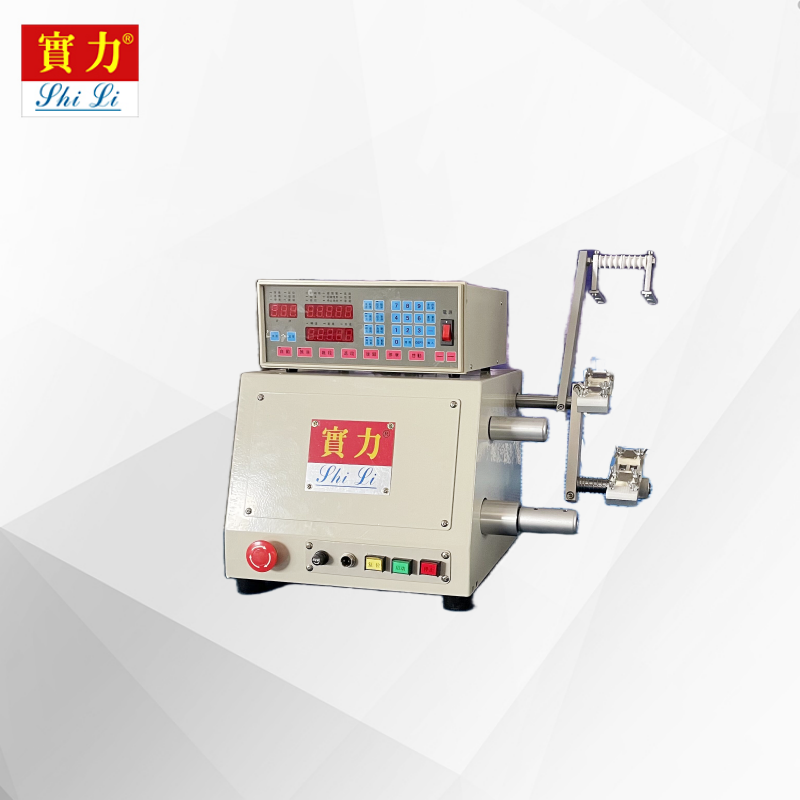
A bobbin winding machine equipped with thoughtfully engineered jigs delivers measurable advantages in wound component consistency and dimensional accuracy. The jig design directly influences how wire is positioned relative to the bobbin core, how layers are built up, and how tension is maintained throughout the winding cycle. When operators and engineers understand the relationship between jig geometry, wire path control, and final coil characteristics, they can optimize their bobbin winding machine setup to meet demanding specifications for applications ranging from automotive electronics to renewable energy systems.
Precision Factors Enabled by Strategic Jig Design
Wire Path Control and Layer Alignment
One of the most critical functions of jigs in a bobbin winding machine is directing and controlling the wire path with absolute precision. Advanced jigs feature guide channels, eyelet arrangements, and tension arms that work in concert to keep the wire centered and properly spaced as it winds onto the bobbin. When a bobbin winding machine operates with precision-engineered guide components, the wire follows an exact trajectory, preventing skewing, crossing, or bunching that would compromise coil performance. The jig design must account for wire diameter variations, tension fluctuations during the winding cycle, and mechanical tolerances that accumulate across the bobbin winding machine frame itself. Effective jigs maintain consistent layer-to-layer spacing, which directly impacts the coil's inductance values, capacitance characteristics, and thermal performance.
Tension Maintenance and Consistency
Tension consistency is a fundamental requirement for high-quality coil production on any bobbin winding machine. Jig designs that incorporate spring-loaded guides, adjustable friction elements, and feedback mechanisms help maintain uniform wire tension throughout the winding operation. A bobbin winding machine with inadequate tension control produces coils with loose windings that shift during handling or operation, while excessive tension causes wire breakage and production interruptions. Properly designed jigs distribute tensioning forces evenly and provide visual or electronic feedback that allows operators to verify tension settings before starting the bobbin winding machine cycle. This consistency directly reduces rework, improves coil electrical characteristics, and extends the overall lifespan of the bobbin winding machine components that experience repetitive mechanical stress.
Jig Design Features That Maximize Bobbin Winding Machine Performance
Modular and Adaptable Jig Configurations
Modern manufacturing environments demand flexibility from their bobbin winding machine setup, and modular jig designs address this requirement directly. A bobbin winding machine equipped with interchangeable jig components can be quickly reconfigured for different wire gauges, bobbin sizes, and winding patterns without extensive downtime or tooling expenses. This adaptability becomes especially valuable when production runs require frequent changeovers or when the same bobbin winding machine must handle diverse product specifications. Precision-engineered modular jigs use standardized interfaces and repeatable positioning mechanisms that ensure accuracy is maintained regardless of configuration changes. Investing in quality modular systems for your bobbin winding machine reduces setup variability and allows operators to achieve consistent precision across multiple production scenarios.
Precision Bearing and Guide Systems
The mechanical foundation of any effective jig for a bobbin winding machine relies on precision bearing systems and guide tracks engineered to tight tolerances. Ball bearings, needle bearings, and linear guides integrated into jig assemblies minimize runout, wobble, and lateral movement that would otherwise translate into winding defects. A bobbin winding machine with superior guide systems experiences reduced wear on both the jig components and the bobbin itself, extending maintenance intervals and preserving accuracy over extended production campaigns. High-quality bearing systems also improve responsiveness to speed changes, allowing the bobbin winding machine to accelerate and decelerate smoothly without wire slipping or tension spikes. When selecting or upgrading jigs for your bobbin winding machine, prioritize components with demonstrable precision specifications and corrosion-resistant materials suitable for your operational environment.
Practical Implementation and Performance Monitoring
Setup Procedures and Calibration Protocols
Achieving precision with a bobbin winding machine begins with proper setup and regular calibration of jig components. Before each production run, operators should verify that all jig elements are clean, properly positioned, and secured according to equipment specifications. A bobbin winding machine performs best when operators perform dimensional checks on wound samples at regular intervals, using these data to identify drift or degradation in jig performance. Calibration procedures should include tension verification, guide alignment confirmation, and visual inspection for wear or damage to precision surfaces. Establishing these disciplined setup routines ensures that your bobbin winding machine maintains the precision that jig design promises, and prevents small setup errors from compounding into widespread quality issues.
Monitoring and Continuous Improvement
A bobbin winding machine represents a significant capital investment, and protecting that investment through proactive monitoring maximizes return on investment and ensures consistent output quality. Many modern bobbin winding machine installations include electronic sensors and monitoring systems that track tension readings, winding speeds, and coil dimensions in real time. By analyzing this data, production managers can identify when jig wear or degradation begins to affect performance and schedule maintenance before quality standards are compromised. Implementing a continuous improvement culture around your bobbin winding machine operations encourages operators to suggest jig refinements, share observations about performance variations, and contribute to optimization efforts. Over time, these incremental improvements compound significantly, making your bobbin winding machine more reliable, accurate, and efficient than baseline specifications.
FAQ
How often should jigs on a bobbin winding machine be inspected for wear?
Jigs should be inspected for wear before each production shift and more thoroughly during scheduled maintenance intervals. The frequency depends on production volume and the materials being wound, but a bobbin winding machine operating continuously should receive a comprehensive jig inspection and recalibration monthly. Early detection of guide wear, bearing degradation, or surface damage allows you to replace or repair jig components before precision is compromised, protecting product quality and maintaining your bobbin winding machine's performance standards.
Can a bobbin winding machine jig design be retrofitted to an existing machine?
Many bobbin winding machine models support jig upgrades and retrofits, though compatibility depends on the machine's frame design and mounting interfaces. Consulting with your equipment manufacturer or a precision tooling specialist can clarify which jig improvements are feasible for your specific bobbin winding machine. Upgrading to higher-precision jigs on an existing bobbin winding machine often delivers substantial returns through improved product quality and reduced scrap, making the investment worthwhile even for established operations.
What wire diameter range can precision jigs handle on a bobbin winding machine?
Precision jigs for a bobbin winding machine are typically designed for specific wire diameter ranges, commonly spanning 0.1 mm to 1.5 mm or larger depending on the equipment. A bobbin winding machine with modular jig systems allows quick changeover between diameter-specific guide components, enabling flexibility across your product portfolio. Always verify that your jig configuration matches the wire specifications for your production run to ensure the bobbin winding machine delivers the precision your coils require.