 EN
EN


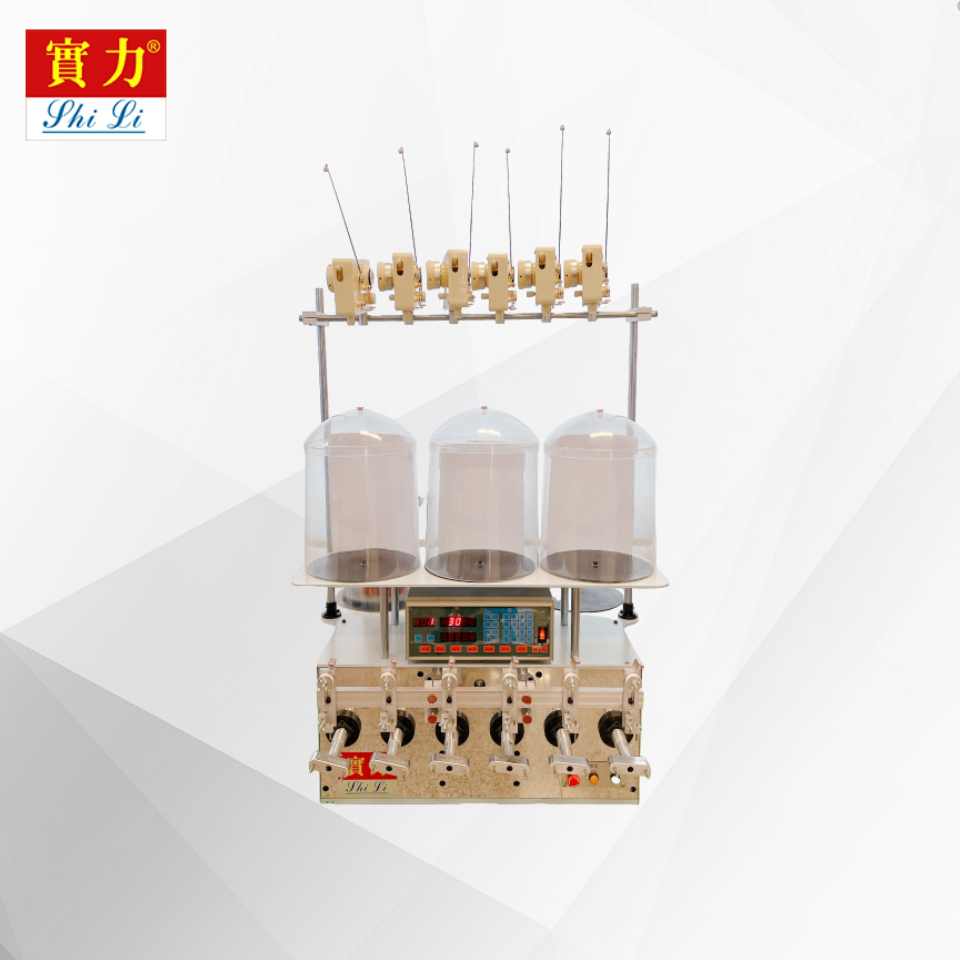
Selecting the right bobbin winding machine for complex multi-layer windings requires careful evaluation of technical specifications, production requirements, and operational constraints. A bobbin winding machine designed for intricate multi-layer configurations must balance precision, speed, material handling, and consistency across repeated cycles. Organizations manufacturing transformers, inductors, motors, or specialized electromagnetic components depend on selecting equipment that delivers exact layer placement, tension control, and dimensional accuracy. The wrong bobbin winding machine can lead to quality defects, material waste, missed deadlines, and increased labor costs. This guide walks through the critical selection criteria to ensure your bobbin winding machine investment aligns with your production demands.
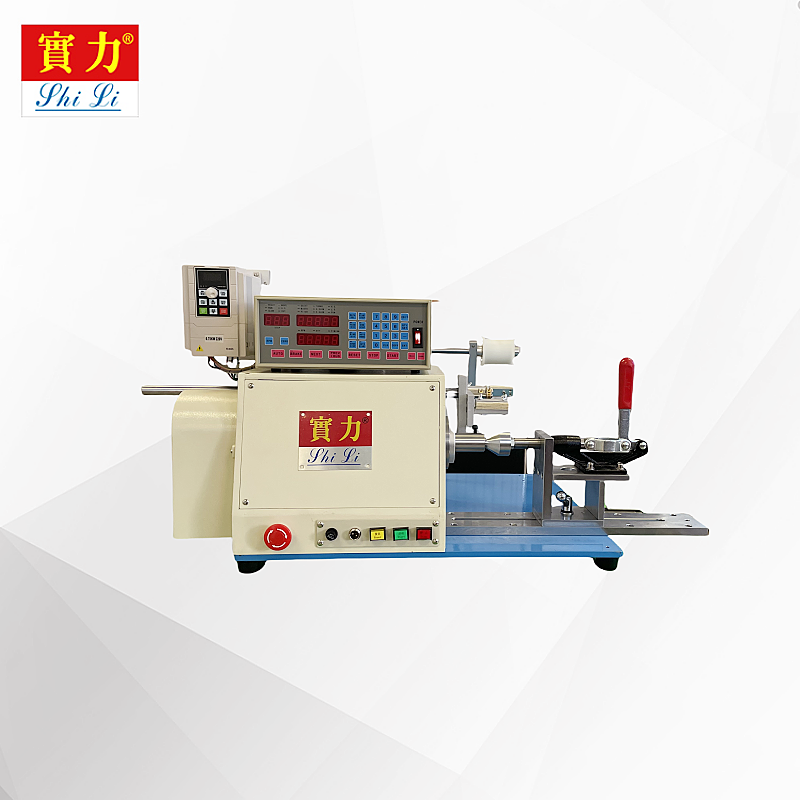
Complex multi-layer windings introduce unique challenges that standard bobbin winding machine models cannot always address. Each layer must maintain consistent wire gauge, spacing, and tension while accommodating varying bobbin diameters, wire materials, and winding patterns. A bobbin winding machine capable of handling these complexities incorporates advanced control systems, precision tension mechanisms, and adaptive layering capabilities. Understanding these technical requirements before procurement prevents costly errors and ensures long-term operational efficiency.
Assess Your Bobbin Winding Machine Requirements
Define Wire and Material Specifications
Your bobbin winding machine selection begins with detailed wire specifications. Evaluate the wire diameter range, material composition, insulation type, and tensile strength requirements for your multi-layer windings. Some bobbin winding machine models excel with fine copper wire, while others handle heavier gauge conductors or composite materials more effectively. A bobbin winding machine must accommodate your specific wire types without compromising winding quality or introducing defects. Test samples of your wire on candidate bobbin winding machine models to verify compatibility and consistent layer formation.
Establish Multi-Layer Winding Parameters
Multi-layer winding demands precise layer sequencing, spacing, and termination. Document the number of layers, wire density per layer, layer-to-layer transitions, and any special winding patterns required. Your bobbin winding machine must support automated layer detection and switching without manual intervention between layers. Advanced bobbin winding machine systems feature programmable controllers that track layer position, adjust tension dynamically, and trigger layer changes at exact wire counts. Clarify whether your bobbin winding machine needs crossover winding, random winding, or precision layered patterns to ensure feature compatibility.
Evaluate Bobbin Winding Machine Technical Capabilities
Precision and Accuracy Standards
Dimensional tolerance and layer uniformity directly impact your winding quality and downstream assembly processes. A bobbin winding machine for complex multi-layer work requires spindle runout specifications below 0.05 mm and tension control accuracy within 5 percent of target values. Measure the bobbin winding machine's ability to maintain consistent wire placement across all layers and verify repeatability across multiple production runs. High-precision bobbin winding machine models employ servo-motor drives and closed-loop feedback systems that automatically correct deviations in real time. Request performance data and on-site demonstrations to validate that your chosen bobbin winding machine meets dimensional requirements before purchase.
Speed and Production Capacity
Production velocity varies significantly between bobbin winding machine models and directly affects throughput and labor efficiency. Calculate your required winding speed based on wire diameter, layer count, and annual production volume. A bobbin winding machine for fine multi-layer work typically operates at 500–2000 turns per minute, while heavier gauge applications may reach 3000 turns per minute. Compare cycle times across candidate bobbin winding machine systems, including setup time, layer transitions, and wire threading. Faster bobbin winding machine speed reduces per-unit production costs but must not compromise precision or introduce quality defects in your multi-layer windings.
Automation and Control Features
Programmable Logic and Operator Interface
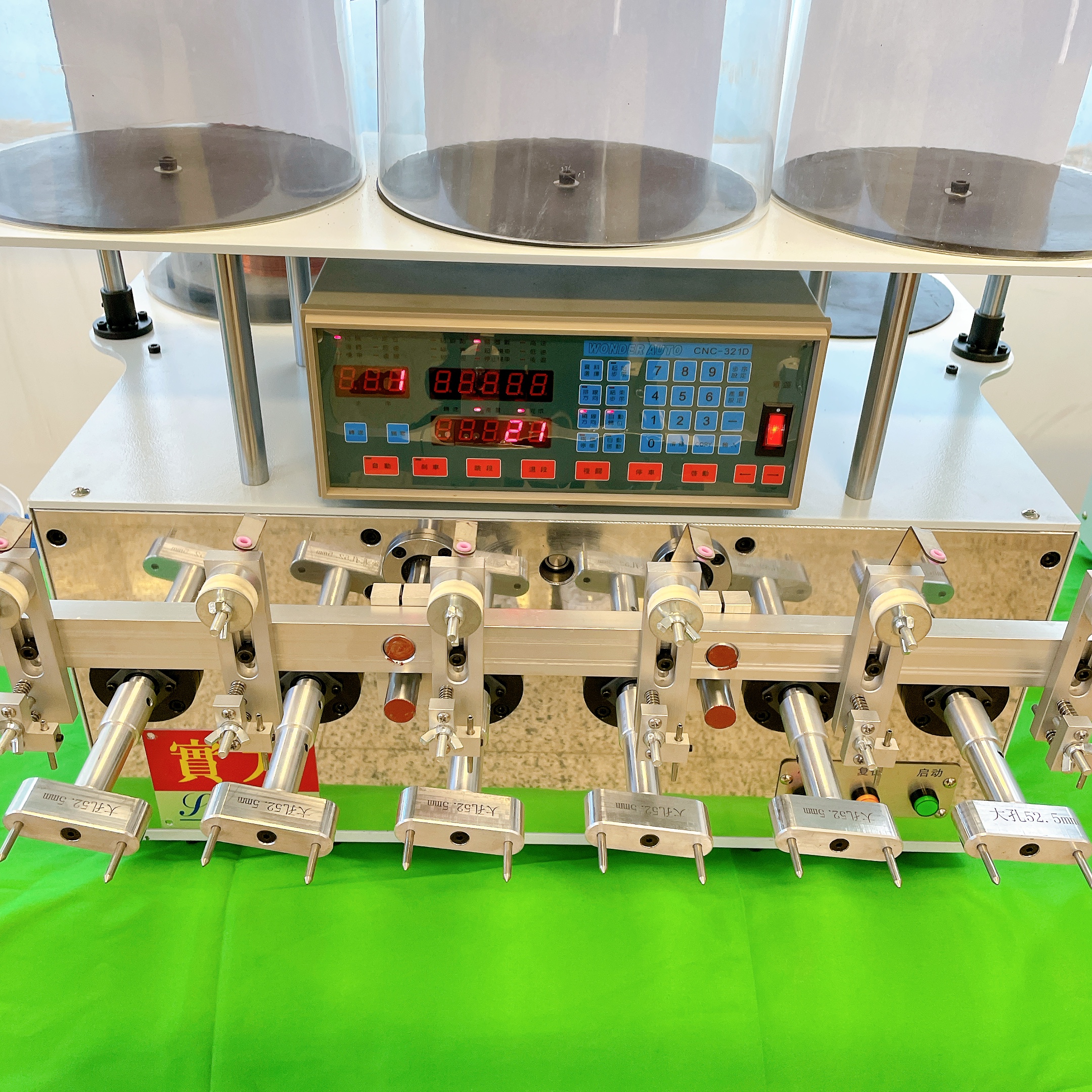
Modern bobbin winding machine equipment integrates programmable controllers, touch-screen interfaces, and recipe-based program storage. Your bobbin winding machine should support multiple winding programs for different multi-layer configurations without requiring hardware changes. Advanced bobbin winding machine models feature automatic wire threading, layer height adjustment, and tension compensation based on wire diameter and material properties. Evaluate the bobbin winding machine's programming complexity and whether your staff can quickly modify or troubleshoot programs. User-friendly bobbin winding machine interfaces reduce training time and minimize downtime caused by operator confusion or programming errors.
Material Handling and Bobbin Compatibility
Your bobbin winding machine must securely hold and rotate bobbins across the full range of sizes and materials you use. Verify that the bobbin winding machine accommodates your bobbin geometry, including arbor diameter, bore length, and flange dimensions. Some bobbin winding machine systems require quick-change tooling, while others offer universal holding fixtures. Check whether your bobbin winding machine supports automatic bobbin changeover or requires manual intervention between production runs. A bobbin winding machine with flexible bobbin compatibility reduces setup time and accommodates future product variations without equipment replacement.
Support and Total Cost of Ownership
Service, Training, and Spare Parts Availability
Your bobbin winding machine investment extends beyond initial purchase price to include installation, training, maintenance, and ongoing support. Select a bobbin winding machine supplier with local or accessible service capabilities and documented spare parts inventory. Training programs ensure your staff operates and maintains the bobbin winding machine effectively, reducing unexpected failures and optimizing performance. Comprehensive bobbin winding machine documentation and video support materials help resolve routine issues quickly. Evaluate the bobbin winding machine manufacturer's response time guarantees and whether they offer preventive maintenance contracts that minimize production interruptions.
Performance Validation and Return on Investment
Before finalizing your bobbin winding machine purchase, negotiate a trial period or on-site demonstration with your actual materials and winding specifications. Validate that the bobbin winding machine consistently produces acceptable quality across your multi-layer configurations and meets your production timeline. Calculate return on investment by comparing bobbin winding machine costs against labor savings, material reduction, and improved quality metrics. Track rejection rates, labor hours per unit, and scrap percentages before and after your bobbin winding machine implementation to demonstrate measurable impact. Document performance data to support your bobbin winding machine investment decision and identify any optimization opportunities during the first production year.
FAQ
What wire diameters can a typical bobbin winding machine handle for multi-layer applications?
Most industrial bobbin winding machine systems accommodate wire diameters from 0.1 mm to 1.5 mm, though specialized models support finer or heavier gauges. Your specific bobbin winding machine should match your wire diameter requirements exactly, and reputable suppliers provide technical datasheets listing compatible wire ranges. Always verify that your bobbin winding machine can handle your material with the tension control and layering precision you need.
How do I ensure my bobbin winding machine prevents wire damage during multi-layer winding?
Your bobbin winding machine must incorporate proper tensioning mechanisms, wire guides with smooth surfaces, and controlled take-up systems to prevent insulation abrasion or mechanical stress. Select a bobbin winding machine with adjustable tension zones for each layer, automatic tension compensation, and quality wire management components. Regular bobbin winding machine maintenance, including guide inspection and lubrication, protects your wire during production.
Can I upgrade my existing bobbin winding machine for multi-layer winding capabilities?
Some existing bobbin winding machine models accept upgrades such as enhanced controllers, improved tension systems, or new guide kits that enable multi-layer functionality. However, older bobbin winding machine designs may lack the precision and automation required for complex work. Consult your bobbin winding machine supplier about feasibility and cost-effectiveness of upgrades versus purchasing a modern system designed specifically for multi-layer winding applications.