 EN
EN


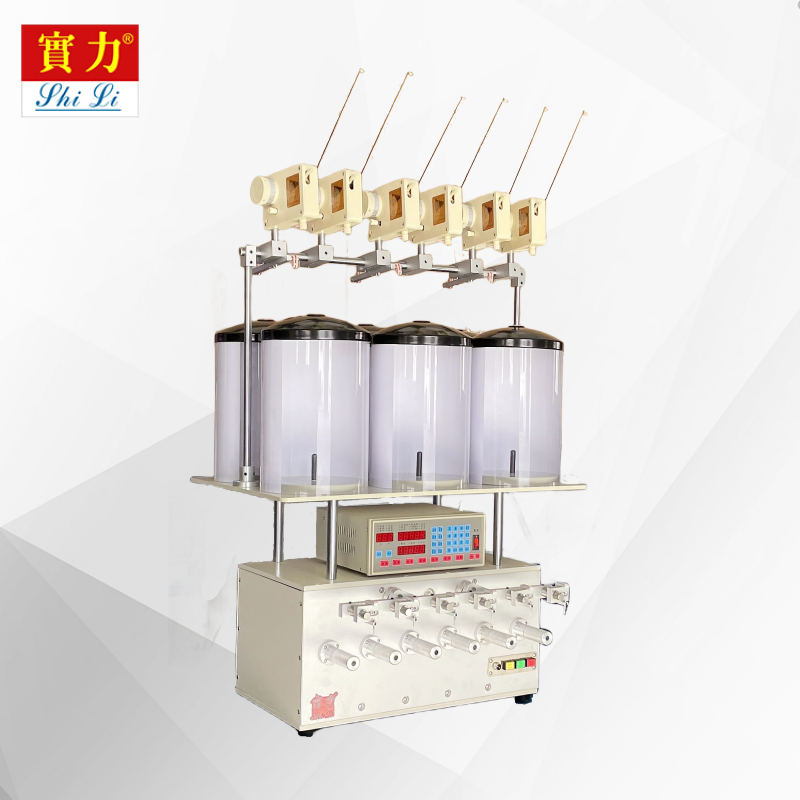
Selecting the right transformer winding machine for production is a critical decision that directly impacts manufacturing efficiency, product quality, and overall operational costs. The choice of equipment determines whether your production line can meet precision requirements, maintain consistent output, and adapt to varying transformer specifications. Understanding the key selection criteria ensures that your investment delivers long-term value while supporting your production goals.
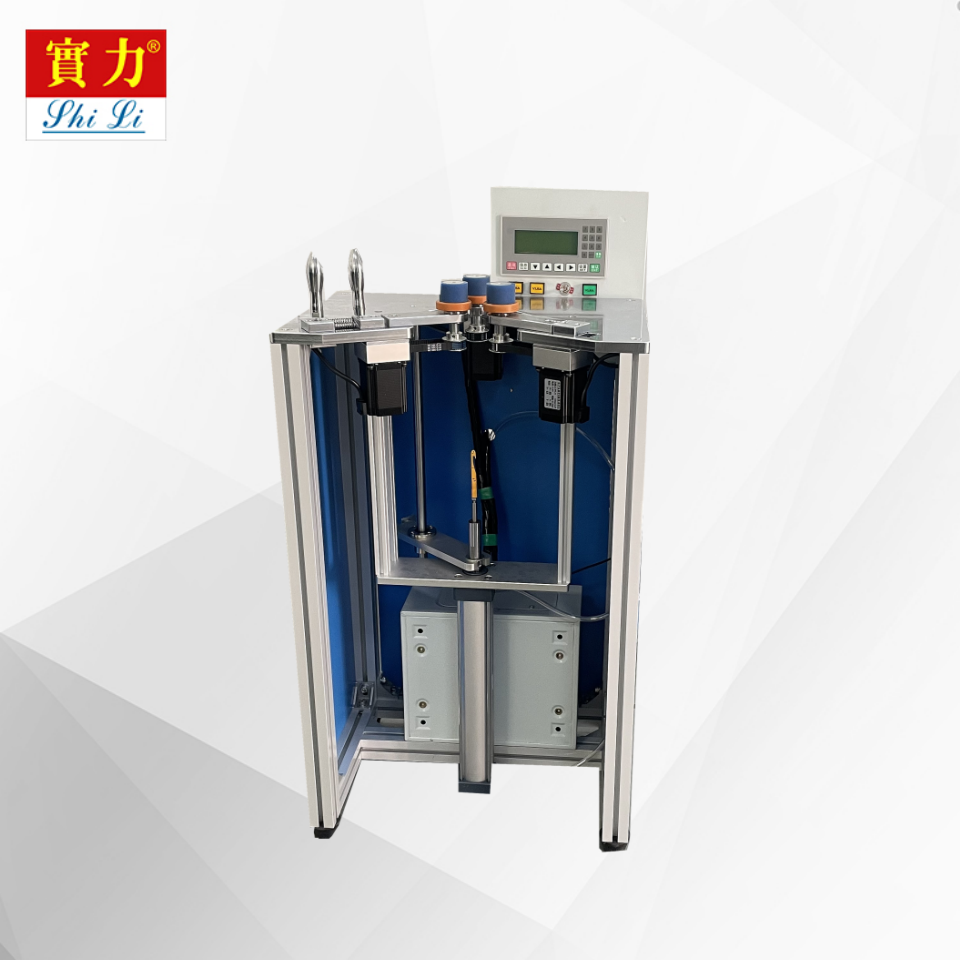
The selection process involves evaluating multiple technical and operational factors that align with your specific production requirements. From winding precision and automation capabilities to throughput capacity and maintenance considerations, each aspect plays a vital role in determining the most suitable machine configuration. This comprehensive evaluation framework helps manufacturers make informed decisions that optimize both immediate production needs and future scalability requirements.
Understanding Production Requirements and Specifications
Analyzing Transformer Types and Design Parameters
The first step in selecting a transformer winding machine involves thoroughly analyzing the types of transformers your facility will produce. Different transformer designs require specific winding patterns, core configurations, and precision levels that directly influence machine selection. Power transformers demand high-precision winding with tight tolerance control, while distribution transformers may require different speed and accuracy specifications.
Core geometry significantly impacts machine selection, as toroidal, shell-type, and core-type transformers each present unique winding challenges. The transformer winding machine must accommodate various core sizes, from small instrument transformers to large power units, requiring adjustable fixtures and flexible positioning systems. Understanding the range of core dimensions ensures the selected equipment can handle your complete product portfolio.
Wire gauge specifications and insulation requirements also influence machine selection criteria. Fine wire applications demand precise tension control and gentle handling mechanisms, while heavy-gauge conductors require robust drive systems and substantial torque capabilities. The machine's wire handling system must maintain consistent tension across the entire winding range while preventing wire damage or insulation compromise.
Evaluating Production Volume and Throughput Needs
Production volume directly correlates with the required automation level and machine speed capabilities. High-volume operations benefit from fully automated transformer winding machine systems with minimal operator intervention, while lower-volume specialty applications may prioritize flexibility over speed. Calculating hourly, daily, and monthly production targets helps determine the optimal machine configuration.
Cycle time analysis involves examining each winding operation phase, including setup, winding, termination, and part removal. Machines with automated setup and changeover capabilities reduce non-productive time, increasing overall equipment effectiveness. Advanced programming features enable quick transitions between different transformer specifications without lengthy reconfiguration periods.
Seasonal demand fluctuations and growth projections should influence capacity planning decisions. Selecting a machine with expandable capabilities or modular design allows for future capacity increases without complete equipment replacement. This forward-thinking approach ensures long-term production scalability while optimizing initial investment costs.
Technical Specifications and Performance Criteria
Winding Precision and Accuracy Requirements
Precision requirements vary significantly across transformer applications, making accuracy specifications a primary selection criterion. Instrument transformers demand exceptional precision with minimal turn-to-turn variation, while power distribution units may accept slightly broader tolerance ranges. The transformer winding machine must deliver consistent positioning accuracy throughout the entire winding process.
Tension control systems play a crucial role in maintaining winding quality and preventing wire breaks or loose turns. Advanced servo-controlled tensioning mechanisms automatically adjust for wire characteristics and winding geometry changes. This dynamic tension management ensures uniform winding density and optimal electrical performance in the finished transformer.
Turn counting accuracy directly affects transformer electrical characteristics and must meet stringent requirements. Modern machines employ multiple counting methods, including encoder-based systems and optical verification, to ensure precise turn counts. Redundant counting systems provide additional quality assurance while enabling real-time process monitoring and adjustment.
Automation Level and Control System Capabilities
Control system sophistication determines operational efficiency and quality consistency. Basic manual machines require extensive operator skill and attention, while fully automated systems minimize human error and maintain consistent output quality. The transformer winding machine control system should match operator skill levels and production requirements while providing room for future upgrades.
Programming flexibility enables quick adaptation to different transformer specifications without extensive retooling. Advanced machines offer parametric programming where operators input transformer specifications, and the system automatically calculates optimal winding patterns, speeds, and sequences. This capability significantly reduces setup time while ensuring consistent results across different product runs.
Integration capabilities with existing manufacturing systems enhance overall production efficiency. Modern machines can communicate with enterprise resource planning systems, quality management databases, and production scheduling software. This connectivity enables real-time production monitoring, automatic data collection, and seamless integration with broader manufacturing operations.
Machine Configuration and Design Features
Mechanical Design and Construction Quality
Mechanical robustness directly impacts machine longevity and maintenance requirements. Heavy-duty construction with precision-machined components ensures stable operation under demanding production conditions. The transformer winding machine frame design must minimize vibration while maintaining rigid positioning accuracy throughout extended operation periods.
Drive system selection affects both performance and reliability characteristics. Servo motor systems provide precise speed and position control but require more sophisticated maintenance compared to standard AC drives. The choice between belt drives, direct drives, or gear reduction systems depends on torque requirements, speed ranges, and precision specifications for your specific applications.
Component accessibility influences maintenance efficiency and equipment uptime. Well-designed machines provide easy access to wear items, adjustment points, and routine maintenance locations. Tool-free access panels and clearly marked maintenance points reduce service time while encouraging proper preventive maintenance practices.
Fixturing and Tooling Flexibility
Fixture design flexibility determines how quickly the machine can adapt to different transformer configurations. Universal fixtures that accommodate various core sizes and shapes reduce tooling costs while minimizing changeover time. Quick-change fixture systems enable rapid transitions between different production runs without lengthy setup procedures.
Tooling standardization across multiple machines simplifies inventory management and reduces operator training requirements. Standardized fixture interfaces allow tooling to be shared between machines, optimizing capital equipment utilization. The transformer winding machine should support existing tooling standards or provide clear migration paths for current fixture investments.
Custom tooling capabilities address unique transformer designs that cannot be accommodated by standard fixtures. Machine suppliers should provide engineering support for special applications while maintaining compatibility with standard tooling systems. This flexibility ensures the equipment can handle both current products and future design innovations.
Operational Considerations and Cost Analysis
Installation and Training Requirements
Installation complexity affects both initial costs and production startup timelines. Comprehensive installation packages should include site preparation guidance, utility requirements, and commissioning procedures. The transformer winding machine supplier should provide detailed specifications for electrical, pneumatic, and space requirements well before delivery.
Operator training programs ensure effective equipment utilization from day one. Training should cover machine operation, routine maintenance, troubleshooting procedures, and safety protocols. Comprehensive training reduces the learning curve while building operator confidence and competence with the new equipment.
Technical documentation quality directly impacts long-term operational success. Complete manuals covering operation, maintenance, troubleshooting, and spare parts should be provided in appropriate languages. Electronic documentation with searchable content and video tutorials enhances accessibility and reduces support requirements.
Maintenance and Support Infrastructure
Preventive maintenance requirements influence ongoing operational costs and equipment reliability. Machines with simplified maintenance procedures and extended service intervals reduce total ownership costs. The transformer winding machine should provide clear maintenance schedules with easily identifiable service points and standardized maintenance procedures.
Spare parts availability and support response times directly impact production continuity. Local parts inventory, rapid delivery capabilities, and technical support accessibility ensure minimal downtime during maintenance or repair situations. Establishing service agreements with clear response times protects production schedules while managing maintenance costs.
Remote diagnostics and support capabilities enhance troubleshooting efficiency while reducing service costs. Modern machines equipped with remote monitoring systems enable proactive maintenance and rapid problem resolution. This capability is particularly valuable for facilities with limited local technical expertise or remote geographical locations.
Economic Evaluation and Return on Investment
Total Cost of Ownership Analysis
Initial purchase price represents only a portion of total ownership costs over the machine's operational lifetime. Energy consumption, maintenance costs, tooling expenses, and operator training must be included in comprehensive cost analysis. The transformer winding machine selection should optimize total cost rather than simply minimizing initial investment.
Labor cost implications vary significantly between manual and automated systems. While automated machines require higher initial investment, they often reduce direct labor costs while improving consistency and throughput. Calculating labor savings over the equipment lifetime provides insight into automation return on investment and payback periods.
Quality improvements achieved through better equipment can generate substantial cost savings through reduced scrap, rework, and warranty claims. Improved process control and consistency typically result in higher first-pass yields and reduced quality-related costs. These benefits should be quantified and included in economic justification calculations.
Productivity and Efficiency Gains
Throughput improvements directly impact production capacity and revenue potential. Faster cycle times, reduced setup periods, and improved equipment reliability all contribute to enhanced productivity. The transformer winding machine should deliver measurable improvements in overall equipment effectiveness compared to existing capabilities.
Flexibility benefits enable response to changing market demands and product mix variations. Machines capable of handling multiple transformer types reduce the need for dedicated equipment while improving asset utilization. This flexibility provides strategic advantages in dynamic market conditions while optimizing capital equipment investments.
Energy efficiency considerations become increasingly important as utility costs rise and environmental regulations tighten. Modern machines with efficient drive systems and optimized operating cycles reduce energy consumption while maintaining performance levels. These efficiency improvements provide ongoing operational cost benefits throughout the equipment lifetime.
FAQ
What factors most influence transformer winding machine selection?
The most critical factors include production volume requirements, transformer types and sizes, precision specifications, automation level needs, and available budget. Technical requirements such as wire gauge range, core geometries, and quality standards significantly impact machine configuration choices. Operational considerations like maintenance capabilities, operator skill levels, and integration requirements also play important roles in the selection process.
How do I determine the right automation level for my production needs?
Automation level selection depends on production volume, product consistency requirements, labor availability, and quality standards. High-volume operations with standardized products benefit from full automation, while low-volume specialty applications may require manual flexibility. Consider operator skill levels, training capabilities, and maintenance resources when evaluating automation options. Calculate labor cost savings and quality improvements to justify automation investments.
What maintenance considerations should influence machine selection?
Evaluate maintenance complexity, spare parts availability, service support quality, and preventive maintenance requirements. Machines with simplified maintenance procedures and extended service intervals reduce total ownership costs. Consider local service capabilities, response times, and technical support quality. Remote diagnostics and monitoring capabilities can enhance maintenance efficiency while reducing downtime risks.
How important is supplier support and training for transformer winding machine selection?
Supplier support quality significantly impacts long-term success and should be a major selection criterion. Comprehensive training programs ensure effective equipment utilization, while responsive technical support minimizes production disruptions. Evaluate installation support, documentation quality, spare parts availability, and ongoing technical assistance capabilities. Strong supplier relationships provide valuable resources for troubleshooting, upgrades, and process optimization throughout the equipment lifetime.