 EN
EN



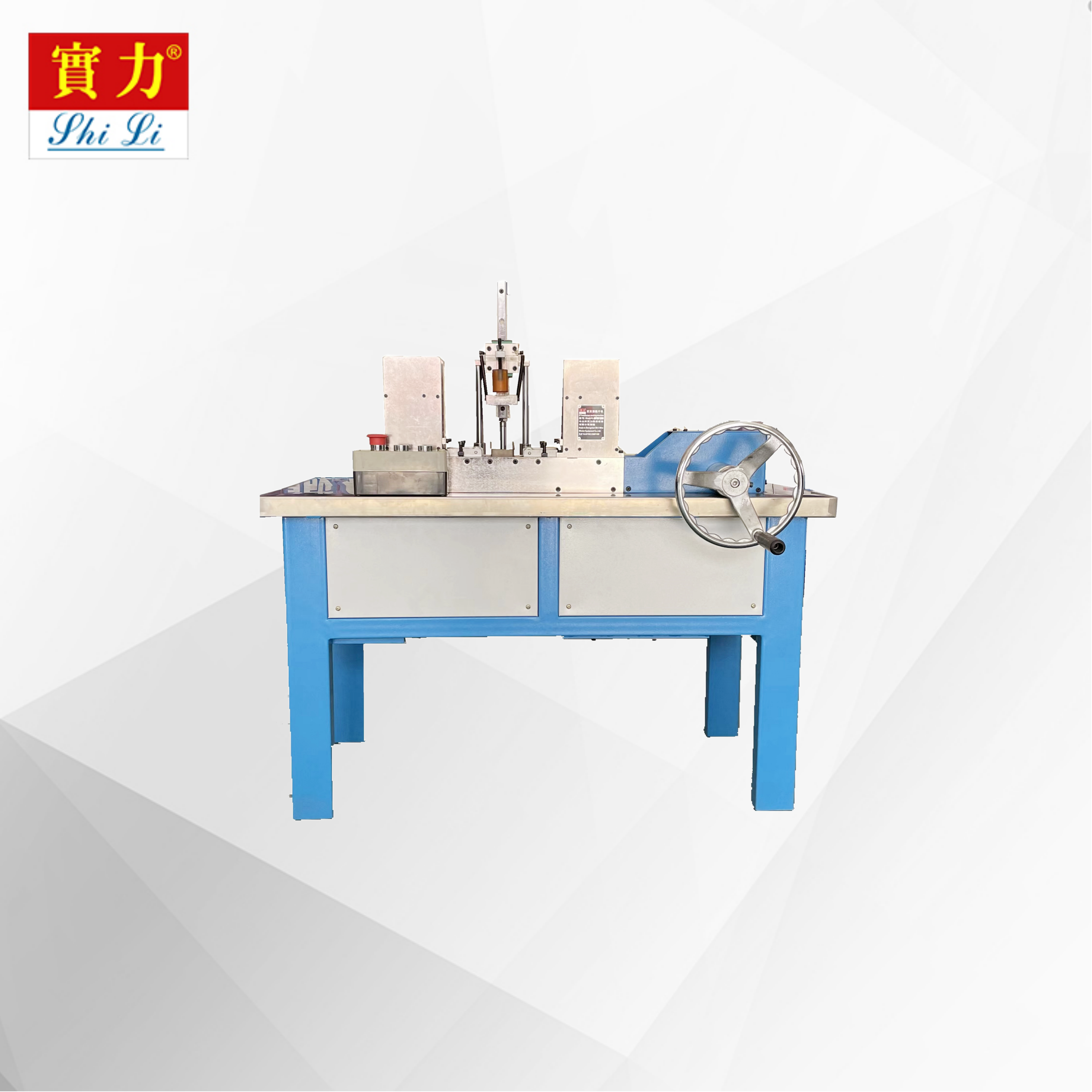
Selecting the right CNC winding machine for precision control requires a systematic evaluation of your specific manufacturing requirements, technical specifications, and operational constraints. The decision-making process involves analyzing factors such as coil geometry, wire specifications, production volume, and the level of precision required for your applications. Understanding these critical selection criteria ensures that your chosen CNC winding machine will deliver consistent, high-quality results while maintaining the tight tolerances demanded by modern electromagnetic component manufacturing.
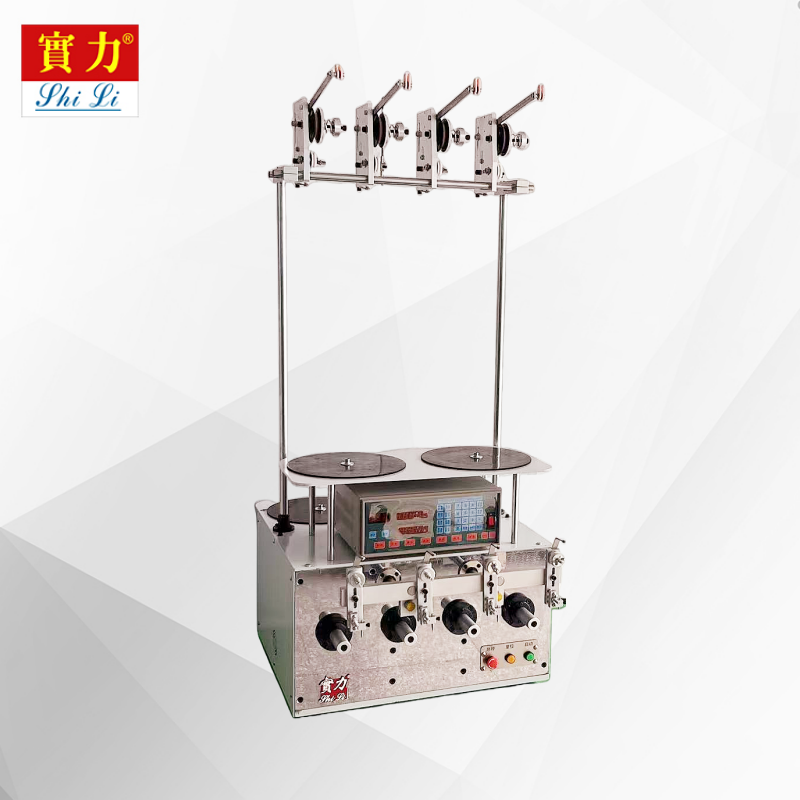
The complexity of modern electromagnetic components demands precision winding equipment capable of handling intricate patterns, multiple wire types, and varying tension requirements. A well-chosen CNC winding machine becomes the foundation for producing transformers, inductors, motors, and sensors that meet stringent quality standards. The selection process must balance technical capabilities with economic considerations, ensuring that your investment supports both current production needs and future scalability requirements.
Understanding CNC Winding Machine Specifications
Core Technical Parameters
When evaluating CNC winding machine options, the spindle configuration represents one of the most critical technical parameters. Multi-spindle systems offer superior productivity by enabling simultaneous winding of multiple coils, while single-spindle configurations provide maximum flexibility for complex, varied production runs. The spindle speed range directly impacts wire handling capabilities, with higher speeds suitable for fine wire applications and controlled speeds essential for heavy gauge conductors.
Wire diameter compatibility defines the operational envelope of any CNC winding machine. Machines designed for precision control typically accommodate wire diameters ranging from 0.02mm to several millimeters, with automatic wire feeding systems maintaining consistent tension throughout the winding process. The wire guide system's accuracy determines the final coil's geometric precision, making this specification crucial for applications requiring tight tolerances.
Tension control systems in advanced CNC winding machines utilize servo-driven mechanisms to maintain optimal wire tension across varying winding speeds and patterns. This capability proves essential when working with different wire materials, as copper, aluminum, and specialty alloys each require specific tension profiles to prevent wire damage while achieving proper coil formation.
Programming and Control Capabilities
The programming interface of a CNC winding machine determines operational efficiency and the complexity of achievable winding patterns. Modern systems feature intuitive software platforms that allow operators to define winding sequences, layer distributions, and cross-over patterns through graphical interfaces. Advanced programming capabilities enable the creation of complex coil geometries including orthocyclic windings, random windings, and specialized patterns for specific electromagnetic performance requirements.
Real-time monitoring and feedback systems integrated into sophisticated CNC winding machines provide continuous verification of winding parameters. These systems track wire position, tension variations, and spindle performance, automatically adjusting operation parameters to maintain precision throughout the production cycle. The ability to store and recall winding programs facilitates rapid changeover between different coil types, reducing setup time and improving overall productivity.
Integration capabilities with existing manufacturing execution systems become increasingly important in modern production environments. A CNC winding machine equipped with comprehensive communication protocols can seamlessly interface with quality management systems, production scheduling software, and inventory control platforms, enabling real-time production tracking and automated documentation generation.
Application-Specific Selection Criteria
Coil Geometry Requirements
The geometric complexity of your target coil configurations directly influences CNC winding machine selection. Cylindrical coils with uniform layer distribution require different machine capabilities compared to toroidal configurations or complex three-dimensional winding patterns. Machines designed for precision control must accommodate the specific bobbin shapes, core geometries, and winding clearances required by your application portfolio.
Layer insulation requirements add another dimension to the selection process. Applications demanding inter-layer insulation materials require CNC winding machines equipped with automatic tape application systems or film insertion capabilities. These features ensure consistent insulation placement while maintaining precise wire positioning throughout the winding process.
Terminal connection methods vary significantly across different coil applications, requiring consideration of the machine's lead wire handling capabilities. Some cnc winding machine models feature integrated soldering stations or terminal crimping systems, streamlining the complete coil manufacturing process within a single work station.
Production Volume Considerations
Production volume requirements significantly impact the optimal CNC winding machine configuration. High-volume applications benefit from multi-spindle systems that maximize throughput while maintaining consistent quality across all simultaneous operations. The machine's cycle time, including setup, winding, and part handling phases, must align with your production targets and delivery schedules.
Changeover frequency between different coil types influences the importance of quick-change tooling systems and automated setup procedures. Facilities producing diverse coil configurations require CNC winding machines with flexible tooling interfaces and comprehensive program libraries to minimize transition time between production runs.
Quality assurance requirements at different production volumes may necessitate integrated testing capabilities. Some CNC winding machines incorporate in-process electrical testing systems that verify continuity, resistance, and insulation properties during or immediately after the winding process, eliminating the need for separate testing operations.
Precision and Quality Control Features
Measurement and Verification Systems
Advanced CNC winding machines incorporate sophisticated measurement systems to ensure dimensional accuracy and consistency. Laser-based position feedback systems provide real-time verification of wire placement, enabling immediate correction of any deviations from programmed parameters. These systems prove particularly valuable when producing coils with critical electromagnetic performance requirements where precise conductor positioning directly impacts electrical characteristics.
Turn counting accuracy represents a fundamental quality parameter for electromagnetic components. High-precision CNC winding machines utilize multiple counting methods, including encoder-based mechanical counting and optical verification systems, to ensure absolute accuracy in turn count across all layers and sections of complex winding patterns.
Wire tension monitoring throughout the winding process prevents common quality issues such as loose turns, wire damage, or irregular coil geometry. Advanced systems maintain detailed records of tension variations, enabling process optimization and predictive maintenance scheduling to maintain consistent production quality.
Environmental and Operational Controls
Temperature stability affects both machine precision and wire handling characteristics. CNC winding machines designed for high-precision applications often incorporate temperature compensation systems that adjust operating parameters based on ambient conditions and thermal variations within the machine structure. This capability ensures consistent performance across varying environmental conditions.
Vibration isolation systems become critical when achieving the highest levels of precision control. Machine frames designed with appropriate mass distribution and active vibration damping maintain positional accuracy even in industrial environments with significant external vibration sources.
Dust and contamination control features protect both the machine's precision components and the wound coils from environmental contaminants. Enclosed winding areas with filtered air systems prevent particle contamination that could compromise insulation integrity or create electrical performance issues in the finished components.
Integration and Workflow Optimization
Automation and Material Handling
Modern CNC winding machine installations benefit significantly from integrated material handling systems that automate bobbin loading, finished coil removal, and work-in-process storage. Robotic loading systems reduce cycle time and eliminate manual handling variations that could impact coil quality or dimensional consistency.
Wire feeding systems with automatic spool changeover capabilities maintain continuous production flow even during extended production runs. These systems monitor wire consumption and execute changeovers without operator intervention, reducing downtime and maintaining consistent wire tension throughout the transition process.
Integration with upstream and downstream processes requires careful consideration of material flow and information transfer protocols. A CNC winding machine that seamlessly interfaces with core insertion equipment, impregnation systems, and final testing stations creates an efficient production cell that minimizes handling and maximizes throughput.
Maintenance and Serviceability
Accessibility for routine maintenance and service operations directly impacts overall equipment effectiveness. CNC winding machines designed with proper service access allow rapid replacement of wear components such as wire guides, tension springs, and drive belts without extensive disassembly or production interruption.
Predictive maintenance capabilities integrated into modern CNC winding machines monitor critical component conditions and provide advance warning of potential failures. These systems track spindle bearing temperatures, servo motor performance parameters, and mechanical wear indicators to schedule maintenance activities during planned downtime periods.
Documentation and training support from the machine manufacturer influences long-term operational success. Comprehensive operator manuals, programming guides, and maintenance procedures ensure that your team can fully utilize the machine's capabilities while maintaining optimal performance throughout its operational life.
FAQ
What wire diameter range should I consider when selecting a CNC winding machine?
The appropriate wire diameter range depends on your specific coil applications, but most precision CNC winding machines accommodate wires from 0.02mm to 3mm diameter. Consider both your current requirements and potential future applications when evaluating this specification. Machines with broader wire handling capabilities provide greater flexibility but may involve higher initial investment costs.
How important is multi-spindle capability for precision winding applications?
Multi-spindle capability significantly impacts production efficiency for high-volume applications while maintaining precision control across all simultaneous operations. Four-spindle configurations often provide the optimal balance between productivity and complexity, allowing substantial throughput increases without compromising individual coil quality. Single-spindle systems remain preferable for extremely complex geometries or low-volume, high-variety production scenarios.
What programming features are essential for complex winding patterns?
Essential programming features include graphical pattern definition, layer-by-layer control, automatic cross-over calculation, and the ability to create custom winding sequences. Advanced systems should offer simulation capabilities that allow pattern verification before actual production, along with program storage and recall functions for efficient changeover between different coil types.
How do I evaluate the precision capabilities of different CNC winding machine models?
Evaluate precision capabilities by examining position repeatability specifications, typically measured in micrometers, and the machine's ability to maintain consistent wire placement across multiple layers. Request demonstration samples or visit reference installations to observe actual precision performance under production conditions. Consider both mechanical precision and the effectiveness of the control system in maintaining accuracy during extended production runs.
Table of Contents
- Understanding CNC Winding Machine Specifications
- Application-Specific Selection Criteria
- Precision and Quality Control Features
- Integration and Workflow Optimization
-
FAQ
- What wire diameter range should I consider when selecting a CNC winding machine?
- How important is multi-spindle capability for precision winding applications?
- What programming features are essential for complex winding patterns?
- How do I evaluate the precision capabilities of different CNC winding machine models?