 EN
EN


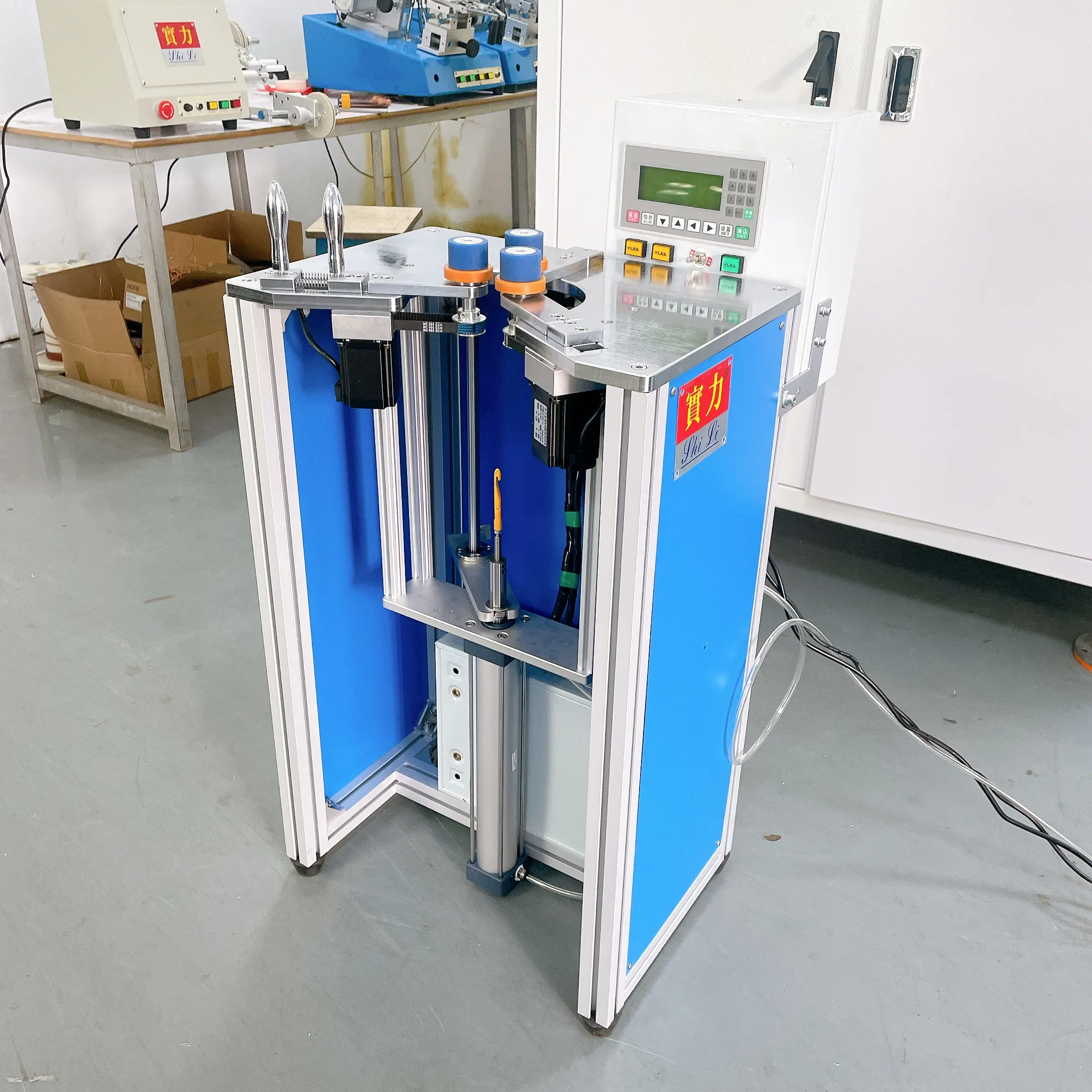
Selecting the right transformer winding machine manufacturer requires a systematic evaluation approach that goes beyond basic specifications and pricing considerations. The decision significantly impacts production quality, operational efficiency, and long-term manufacturing costs, making it essential to understand the key differentiators that separate reliable suppliers from those that may compromise your production goals.
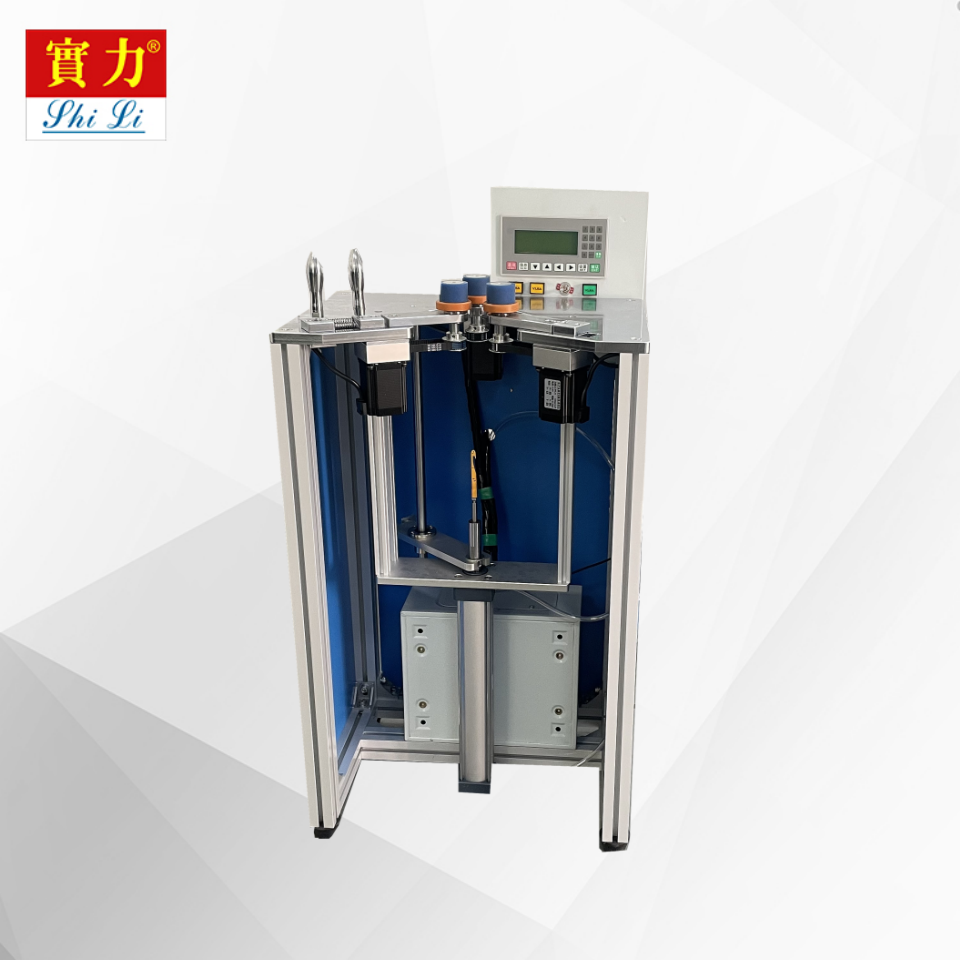
Effective manufacturer comparison demands a structured framework that examines technical capabilities, quality systems, service infrastructure, and business stability. This comprehensive evaluation process ensures that your chosen transformer winding machine supplier can deliver equipment that meets your specific production requirements while providing the support necessary for sustained manufacturing success.
Technical Capability Assessment Framework
Equipment Specification Analysis
The foundation of manufacturer comparison begins with detailed technical specification analysis. Examine the transformer winding machine's core capabilities, including winding speed ranges, tension control precision, and wire handling capabilities. Different manufacturers may claim similar specifications, but the actual implementation quality and consistency often vary significantly.
Evaluate the control system sophistication, programming flexibility, and automation level offered by each manufacturer. Advanced transformer winding machine systems should provide intuitive programming interfaces, real-time monitoring capabilities, and adaptive control features that optimize winding performance based on specific coil requirements.
Consider the machine's versatility in handling different transformer types and sizes. Some manufacturers specialize in specific applications while others offer more flexible platforms. Assess whether the transformer winding machine can accommodate your current production needs and potential future requirements without requiring major modifications or upgrades.
Innovation and Technology Integration
Research and development investment indicates a manufacturer's commitment to advancing transformer winding machine technology. Examine recent innovations, patent portfolios, and technology partnerships that demonstrate the company's ability to stay current with industry developments and emerging manufacturing requirements.
Evaluate integration capabilities with modern manufacturing systems, including Industry 4.0 connectivity, data collection features, and compatibility with existing factory automation infrastructure. Progressive manufacturers often provide transformer winding machine solutions that seamlessly integrate into digital manufacturing environments.
Assess the manufacturer's approach to user interface design and operator training requirements. Well-designed systems reduce setup time, minimize operator errors, and improve overall production efficiency through intuitive operation and clear feedback mechanisms.
Quality Assurance and Manufacturing Standards
Certification and Compliance Verification
Examine the quality certifications held by potential transformer winding machine manufacturers, including ISO standards, safety certifications, and industry-specific compliance documentation. These certifications indicate systematic quality management and commitment to international manufacturing standards.
Review the manufacturer's quality control processes, testing procedures, and documentation systems. Reliable suppliers typically provide detailed quality documentation, test certificates, and traceability information that demonstrates consistent manufacturing practices and product reliability.
Investigate the supplier's approach to continuous improvement and quality management. Leading transformer winding machine manufacturers often employ statistical process control, regular audits, and customer feedback integration to maintain and enhance product quality over time.
Manufacturing Facility and Process Evaluation
When possible, evaluate the manufacturer's production facilities, manufacturing processes, and quality control infrastructure. This assessment provides insights into the company's capability to deliver consistent quality and maintain production schedules for transformer winding machine orders.
Consider the manufacturer's supply chain management, component sourcing practices, and inventory control systems. Well-managed suppliers typically maintain strategic component inventories and established supplier relationships that ensure consistent availability and quality of critical components.
Assess the scalability of the manufacturer's production capacity and ability to handle varying order volumes. Understanding these capabilities helps predict delivery timelines and the supplier's ability to support your growth requirements.
Service and Support Infrastructure Analysis
Technical Support Capabilities
Evaluate the depth and availability of technical support services offered by each transformer winding machine manufacturer. Comprehensive support should include installation assistance, operator training, troubleshooting guidance, and ongoing technical consultation throughout the equipment lifecycle.
Examine the manufacturer's support infrastructure, including regional service centers, certified technicians, and response time commitments. Local or regional support presence often translates to faster response times and reduced downtime when service issues arise.
Consider the availability of remote diagnostic capabilities and digital support tools. Modern transformer winding machine systems often include remote monitoring and diagnostic features that enable proactive maintenance and rapid problem resolution.
Spare Parts and Maintenance Services
Investigate spare parts availability, pricing, and delivery timelines for critical components. Reliable manufacturers maintain comprehensive spare parts inventories and provide clear parts identification and ordering systems that minimize equipment downtime.
Assess the manufacturer's preventive maintenance programs and service contracts. Well-structured maintenance services help optimize transformer winding machine performance, extend equipment life, and reduce unexpected failures that disrupt production schedules.
Evaluate training programs for your maintenance personnel and operators. Comprehensive training reduces dependency on external service providers and improves internal troubleshooting and maintenance capabilities.
Financial Stability and Business Relationship Factors
Company Financial Health Assessment
Research the financial stability and business history of potential transformer winding machine manufacturers. Financially stable suppliers are more likely to honor warranty commitments, maintain long-term support services, and continue product development activities that benefit existing customers.
Examine the manufacturer's market presence, customer base diversity, and growth trajectory. Companies with established market positions and diverse customer portfolios typically demonstrate greater resilience and commitment to long-term customer relationships.
Consider the manufacturer's investment in facilities, technology, and personnel development. These investments indicate confidence in future growth and commitment to maintaining competitive capabilities in the transformer winding machine market.
Partnership and Communication Evaluation
Assess the manufacturer's communication style, responsiveness, and willingness to understand your specific requirements. Effective partnerships require suppliers who demonstrate genuine interest in your success and provide consultative support throughout the selection and implementation process.
Evaluate the manufacturer's flexibility in customizing transformer winding machine configurations to meet unique requirements. Suppliers who offer modification capabilities and engineering support can provide solutions that better align with specific production needs.
Consider the manufacturer's approach to long-term relationships, including upgrade paths, technology evolution support, and commitment to ongoing customer success. Strong partnerships extend beyond the initial equipment purchase to include continuous support and collaboration.
FAQ
What are the most critical factors when comparing transformer winding machine manufacturers?
The most critical factors include technical capability assessment, quality certifications, service infrastructure, and financial stability. Focus on manufacturers who demonstrate consistent quality, comprehensive support services, and proven track records in your specific application requirements. Additionally, evaluate their ability to provide long-term partnership value through ongoing support and technology evolution.
How important is local service support when selecting a transformer winding machine manufacturer?
Local service support is extremely important for minimizing downtime and ensuring rapid response to technical issues. Manufacturers with regional service centers, certified local technicians, and readily available spare parts inventory can significantly reduce production disruptions. However, remote diagnostic capabilities and comprehensive training programs can partially offset geographic distance limitations.
Should I prioritize the lowest cost transformer winding machine manufacturer?
Focusing solely on the lowest initial cost often leads to higher total ownership costs due to quality issues, limited support, or premature equipment replacement needs. Instead, evaluate the total cost of ownership including equipment reliability, maintenance requirements, support costs, and productivity impacts. A slightly higher initial investment in a quality manufacturer typically provides better long-term value.
How can I verify the quality claims made by different transformer winding machine manufacturers?
Verify quality claims through reference customer contacts, facility visits when possible, certification document review, and pilot equipment testing or demonstrations. Request detailed specifications, test data, and quality documentation that supports performance claims. Additionally, seek independent third-party evaluations or industry reputation assessments to validate manufacturer capabilities and reliability.
Table of Contents
- Technical Capability Assessment Framework
- Quality Assurance and Manufacturing Standards
- Service and Support Infrastructure Analysis
- Financial Stability and Business Relationship Factors
-
FAQ
- What are the most critical factors when comparing transformer winding machine manufacturers?
- How important is local service support when selecting a transformer winding machine manufacturer?
- Should I prioritize the lowest cost transformer winding machine manufacturer?
- How can I verify the quality claims made by different transformer winding machine manufacturers?