 EN
EN



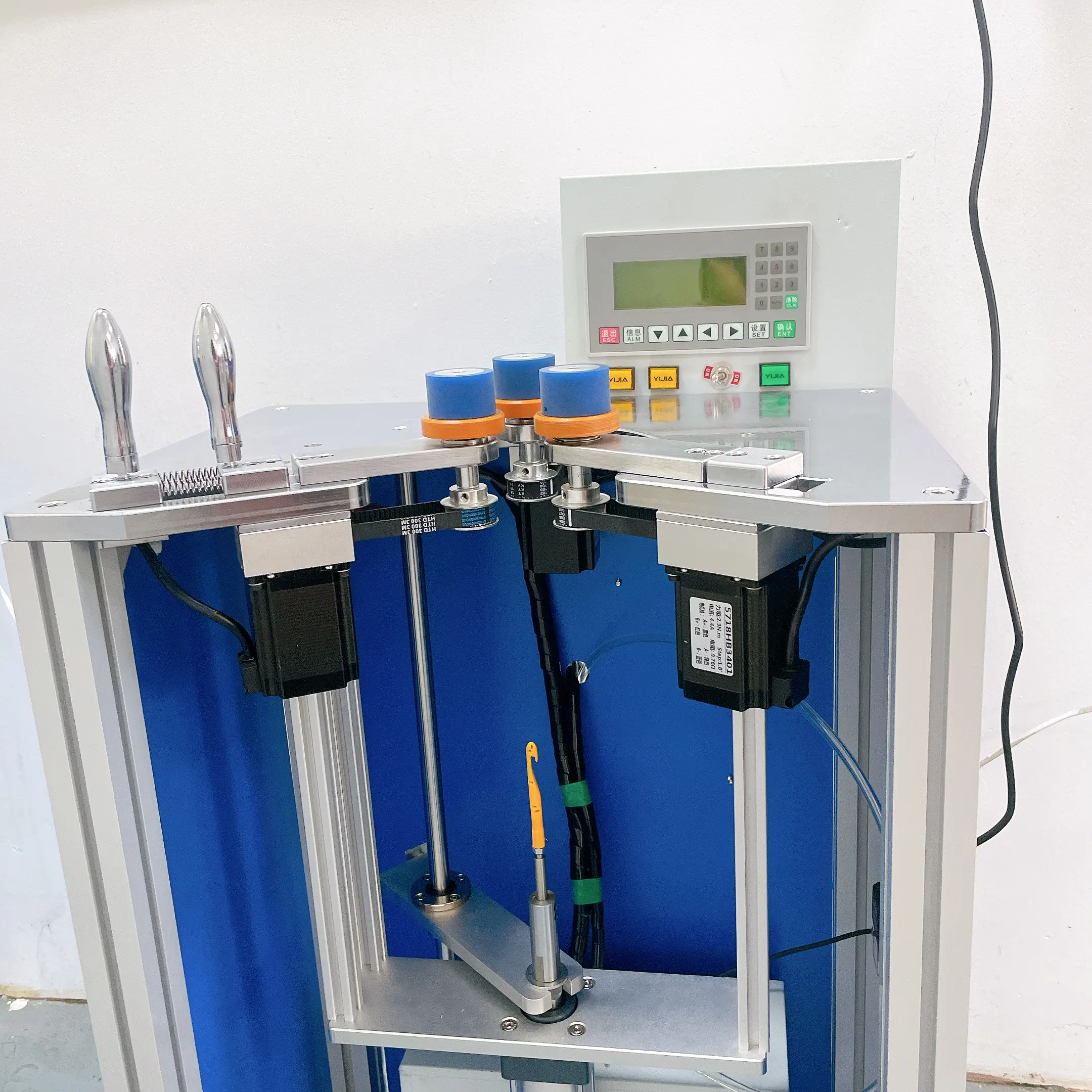
The precision of transformer manufacturing directly impacts electrical efficiency, performance consistency, and long-term reliability in power distribution systems. Modern electrical infrastructure demands transformers that meet increasingly strict tolerance requirements, making accuracy in the winding process more critical than ever. Understanding how a transformer winding machine improves accuracy reveals the sophisticated engineering behind these essential manufacturing systems.
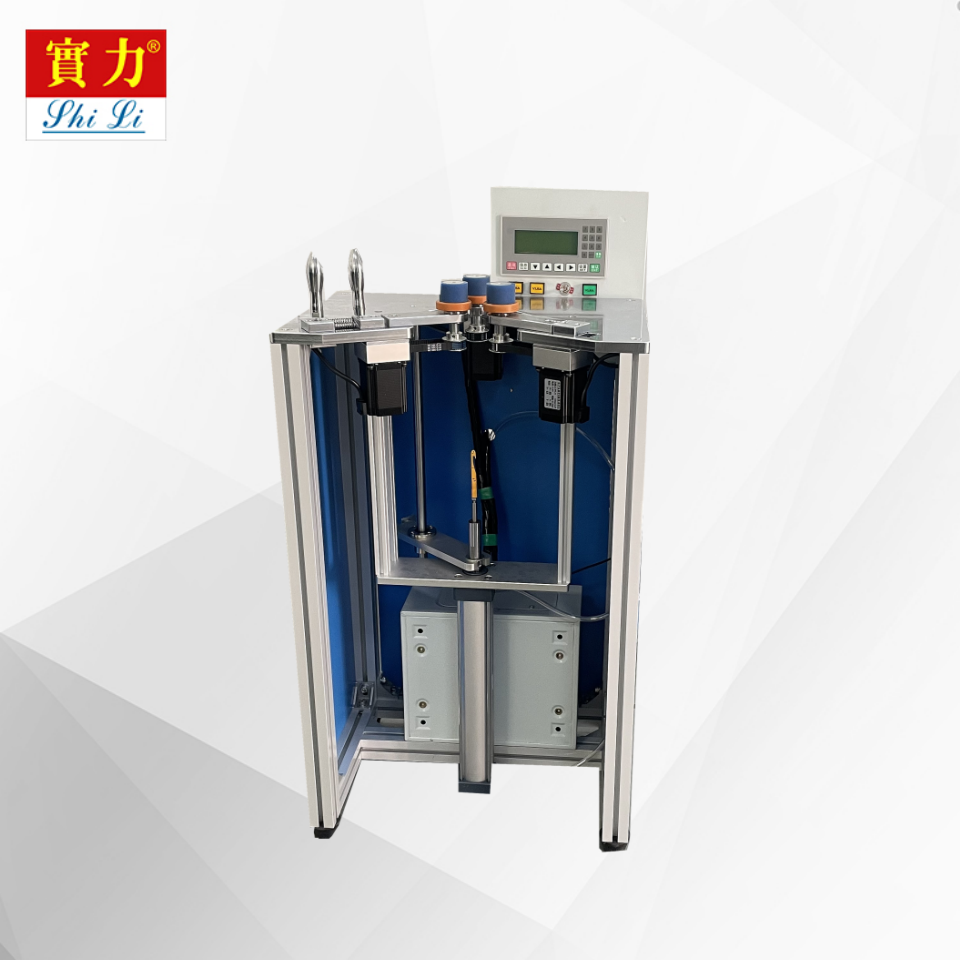
A transformer winding machine achieves superior accuracy through multiple integrated control systems that eliminate human error while maintaining consistent parameters throughout the winding process. These machines incorporate advanced servo motor technology, precise tension control mechanisms, and real-time monitoring systems that work together to produce transformer windings with dimensional tolerances measured in fractions of millimeters. The result is dramatically improved electrical performance and manufacturing consistency compared to traditional winding methods.
Precision Wire Control Systems
Advanced Wire Tensioning Technology
The foundation of accurate transformer winding lies in maintaining consistent wire tension throughout the entire winding process. A transformer winding machine utilizes sophisticated tensioning systems that automatically adjust to wire material properties, winding speed, and core geometry. These systems employ magnetic particle clutches or servo-controlled tensioning devices that maintain tension within extremely tight tolerances, typically within ±2% of the target value.
Modern tensioning systems incorporate real-time feedback loops that continuously monitor wire tension through load cells and strain gauges. This constant monitoring allows the transformer winding machine to make instantaneous adjustments, preventing the tension variations that can lead to uneven winding density or wire deformation. The precision tensioning directly translates to more uniform magnetic field distribution and improved electrical characteristics in the finished transformer.
The tension control accuracy becomes particularly critical when working with different wire gauges or materials within the same transformer design. Advanced machines can store multiple tension profiles and automatically switch between settings during multi-layer winding operations, ensuring each layer maintains optimal tension regardless of changing mechanical properties or winding geometry.
Servo-Controlled Wire Placement
Precise wire positioning represents another crucial accuracy enhancement provided by modern transformer winding machines. High-resolution servo motors control wire guide positioning with repeatability measured in micrometers, ensuring each wire turn lands exactly where specified in the winding design. This level of positioning accuracy eliminates the cumulative errors that can occur with manual winding or less sophisticated equipment.
The servo control systems integrate with CAD-based winding programs that define the exact path for each wire segment. A transformer winding machine follows these programmed paths with mechanical precision, creating uniform layer distribution and optimal space utilization within the core window. This precision placement directly improves the transformer's electrical performance by minimizing leakage inductance and optimizing coupling between windings.
Advanced positioning systems also compensate for wire diameter variations and core tolerances in real-time. The machine continuously calculates the optimal wire path based on actual measured conditions rather than theoretical dimensions, resulting in consistently accurate winding geometry even when working with components that have normal manufacturing variations.
Automated Turn Counting and Layer Control
Digital Turn Counting Accuracy
Traditional transformer winding relied heavily on operator counting and visual inspection, introducing significant potential for human error. A transformer winding machine eliminates this variability through digital turn counting systems that track every wire revolution with absolute precision. These systems typically use optical encoders or magnetic sensors that provide turn counts accurate to within a single turn, regardless of winding duration or complexity.
The digital counting systems integrate with the machine's control software to automatically stop winding operations when the programmed turn count is reached. This eliminates both under-winding and over-winding conditions that can significantly impact transformer performance. The precision turn counting ensures that primary and secondary windings maintain their designed turns ratio, which is critical for proper voltage transformation and regulation characteristics.
Modern counting systems also provide real-time display and logging of turn progress, allowing operators to monitor winding accuracy throughout the process. This visibility enables immediate correction of any detected anomalies and provides comprehensive documentation for quality control purposes. The counting accuracy typically exceeds 99.99%, representing a substantial improvement over manual counting methods.
Precise Layer Progression Control
Multi-layer transformer windings require precise control of layer transitions to maintain proper insulation spacing and optimize space utilization. A transformer winding machine manages layer progression through automated systems that calculate optimal crossover points and maintain consistent layer boundaries. This automated control eliminates the judgment variations that can occur with manual layer management.
The layer control systems coordinate wire guide movement with core rotation to create smooth, uniform layer transitions. Advanced machines can accommodate complex winding patterns including progressive winding, sectional winding, and interleaved designs while maintaining precise layer registration. This capability ensures that insulation systems perform as designed and that winding geometry remains consistent across multiple transformer units.
Layer thickness monitoring provides additional accuracy enhancement by measuring actual winding build-up and comparing it to programmed values. The transformer winding machine can automatically adjust subsequent layers to compensate for minor variations, ensuring the final winding dimensions match design specifications. This feedback control prevents cumulative errors that could affect transformer fit within its intended housing or impact cooling system effectiveness.
Real-Time Monitoring and Quality Control
Continuous Parameter Surveillance
Advanced transformer winding machines incorporate comprehensive monitoring systems that track multiple parameters simultaneously throughout the winding process. These systems monitor wire tension, winding speed, layer progression, temperature, and dimensional measurements in real-time, providing immediate feedback on winding quality and accuracy. The continuous surveillance allows for immediate correction of any deviations before they can impact the finished product.
The monitoring systems utilize various sensor technologies including laser displacement sensors, load cells, temperature probes, and optical inspection devices. Data from these sensors feeds into centralized control systems that can identify trends and patterns that might indicate developing quality issues. This predictive capability allows maintenance and process adjustments to occur before accuracy problems develop.
Real-time data logging creates comprehensive records of each winding operation, providing traceability and quality documentation that supports certification requirements. The monitoring accuracy enables statistical process control methodologies that continuously improve winding consistency and identify opportunities for further accuracy enhancement. This data-driven approach to quality management represents a significant advancement over traditional inspection methods.
Automated Defect Detection
Modern transformer winding machines incorporate sophisticated defect detection systems that identify quality issues during the winding process rather than after completion. These systems use machine vision technology and sensor arrays to detect wire breaks, improper spacing, tension anomalies, and dimensional deviations as they occur. Early defect detection prevents the waste of materials and time associated with completing defective windings.
The detection systems can identify subtle quality variations that might not be apparent to human operators, such as minor tension fluctuations or slight spacing irregularities. By catching these issues early, the transformer winding machine maintains consistent quality standards and prevents the accumulation of small errors that could significantly impact final performance. The automated detection capability also reduces dependence on operator skill and experience for quality control.
Integration with machine control systems allows automatic responses to detected defects, including process stops, parameter adjustments, or material handling changes. This closed-loop quality control ensures that accuracy problems are addressed immediately rather than allowing defective products to continue through the manufacturing process. The automated response capability significantly reduces scrap rates and improves overall manufacturing efficiency.
Programmable Winding Patterns
CAD Integration and Design Precision
The integration of computer-aided design systems with transformer winding machines represents a major advancement in manufacturing accuracy. CAD-generated winding programs define the exact geometry, wire paths, and process parameters required for each specific transformer design. This integration eliminates the interpretation errors that can occur when translating design drawings into winding instructions, ensuring that the manufactured product exactly matches the engineering specifications.
CAD integration allows for complex winding patterns that would be extremely difficult or impossible to achieve with manual methods. The transformer winding machine can execute sophisticated designs including non-uniform layer distributions, variable pitch windings, and complex sectional arrangements with perfect repeatability. This capability expands design possibilities while maintaining manufacturing precision, enabling optimized transformer performance through advanced winding geometries.
The programmable nature of CAD-integrated systems also supports rapid design iteration and customization. Engineering changes can be implemented immediately in the winding program, with the transformer winding machine automatically adapting to new parameters without requiring operator retraining or setup modifications. This flexibility accelerates product development while maintaining accuracy standards across design variations.
Multi-Wire Coordination
Many transformer designs require simultaneous winding of multiple wires, either for parallel conductor arrangements or interleaved winding patterns. A transformer winding machine coordinates multiple wire feeds with precision timing and positioning control, ensuring that wire spacing and layer registration remain accurate throughout the process. This coordination capability eliminates the synchronization errors that can occur with manual multi-wire winding.
The multi-wire coordination systems maintain individual tension control for each wire while synchronizing their placement according to the programmed pattern. Advanced machines can handle different wire gauges simultaneously, automatically adjusting tension and positioning parameters for each conductor. This capability enables complex winding designs while maintaining the accuracy benefits of automated control for each individual wire.
Precise multi-wire coordination also enables advanced winding techniques such as continuous disc winding and helical winding patterns that optimize transformer electrical performance. The transformer winding machine can maintain exact phase relationships between multiple conductors, creating winding configurations that minimize losses and improve regulation characteristics. This precision coordination would be extremely difficult to achieve consistently with manual winding methods.
FAQ
How much more accurate is a transformer winding machine compared to manual winding?
A transformer winding machine typically achieves accuracy improvements of 10-50 times better than manual winding methods. Turn count accuracy improves from ±5-10 turns manually to ±1 turn with automated systems, while dimensional tolerances improve from ±1-2mm to ±0.1mm. Wire tension consistency improves from ±20% variation to ±2% variation, resulting in significantly more uniform electrical characteristics and improved transformer performance.
Can a transformer winding machine maintain accuracy with different wire sizes and materials?
Yes, modern transformer winding machines automatically adjust parameters for different wire specifications through programmable settings and real-time feedback control. The machines store material-specific tension profiles, adjust wire guide positioning for different diameters, and modify winding speeds to maintain optimal accuracy regardless of wire type. This adaptability ensures consistent precision across the full range of wire sizes commonly used in transformer manufacturing.
What maintenance is required to preserve transformer winding machine accuracy?
Maintaining transformer winding machine accuracy requires regular calibration of positioning systems, tension control verification, and sensor cleaning. Typical maintenance schedules include monthly encoder calibration, quarterly tension system verification, and annual comprehensive accuracy testing. Proper maintenance of mechanical components such as wire guides and tensioning mechanisms is also essential, with recommended inspection intervals varying based on usage intensity and operating environment.
How does temperature affect transformer winding machine accuracy?
Temperature variations can impact transformer winding machine accuracy through thermal expansion of mechanical components and changes in wire material properties. Advanced machines incorporate temperature compensation systems that automatically adjust positioning and tension parameters based on ambient conditions. Climate-controlled manufacturing environments help minimize temperature effects, while machine warm-up procedures ensure optimal accuracy by allowing thermal equilibrium before beginning precision winding operations.
Table of Contents
- Precision Wire Control Systems
- Automated Turn Counting and Layer Control
- Real-Time Monitoring and Quality Control
- Programmable Winding Patterns
-
FAQ
- How much more accurate is a transformer winding machine compared to manual winding?
- Can a transformer winding machine maintain accuracy with different wire sizes and materials?
- What maintenance is required to preserve transformer winding machine accuracy?
- How does temperature affect transformer winding machine accuracy?