Professional Small Motor Winding Machine - Precision Automated Coil Winding Solutions

Get a Free Quote

Our representative will contact you soon.
Email
Name
Company Name
Message
0/1000

small motor winding machine

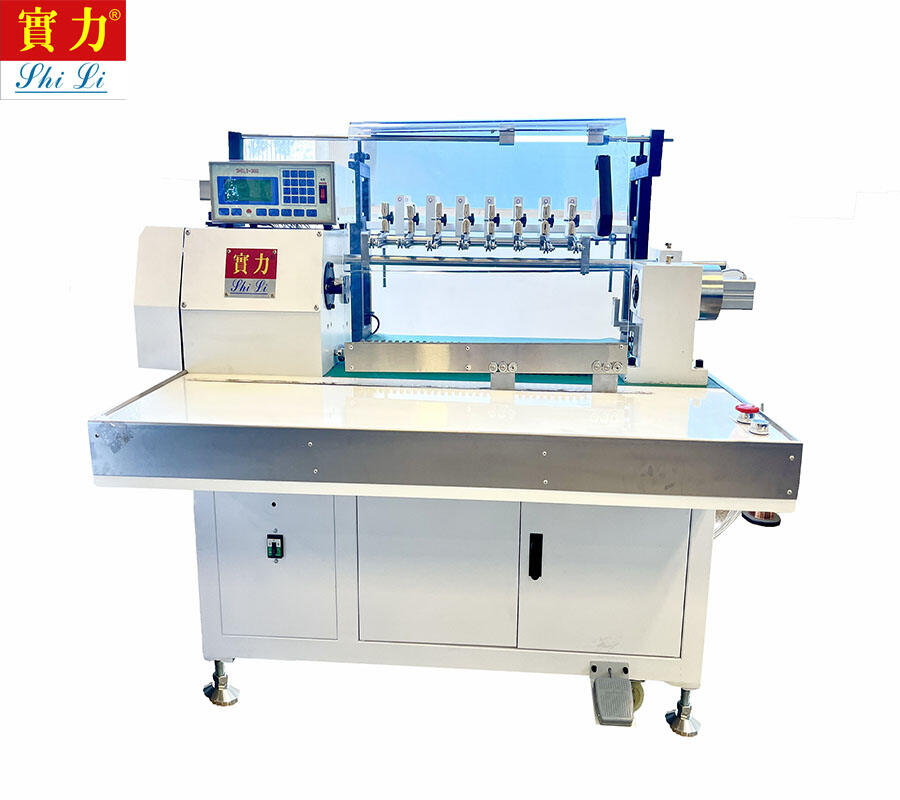
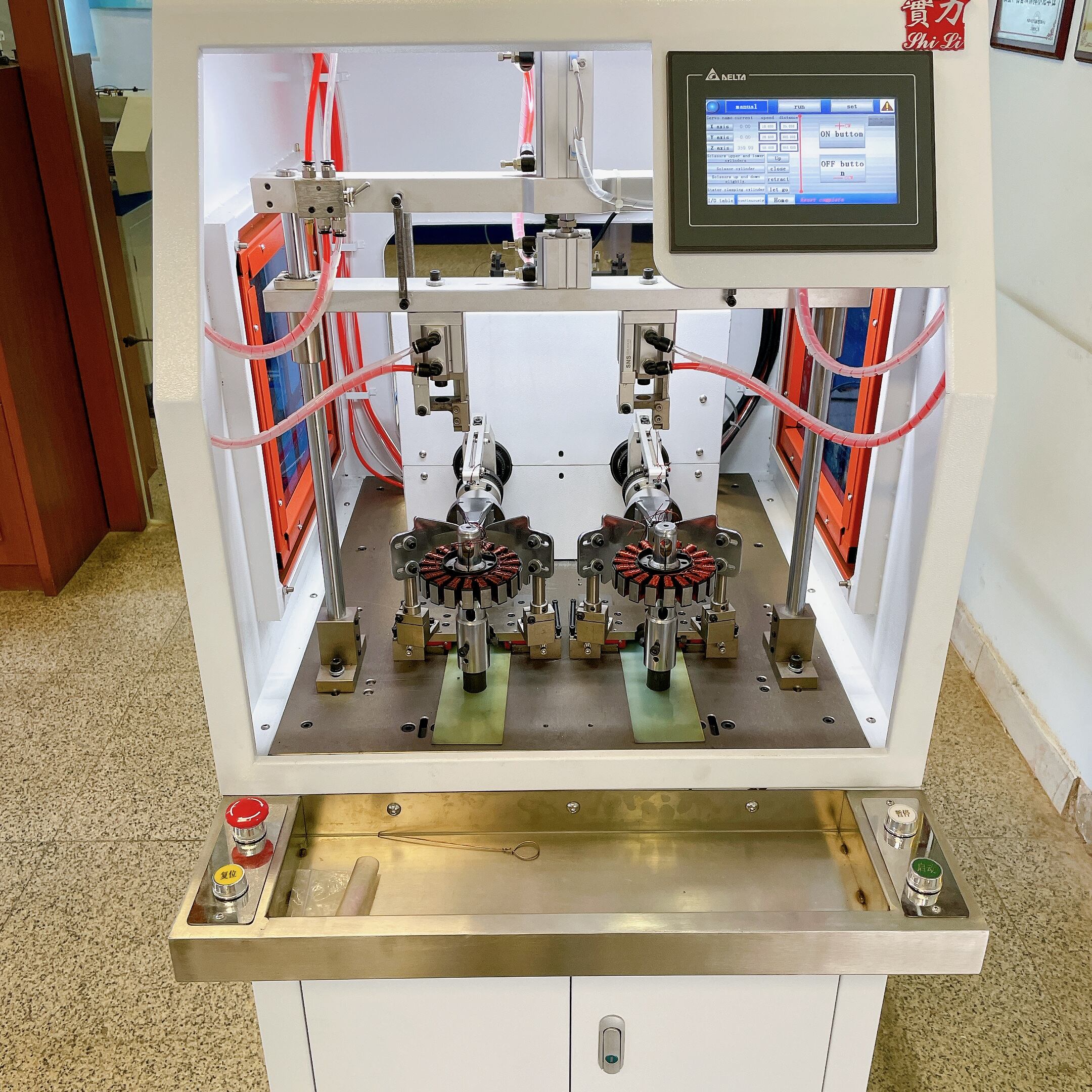
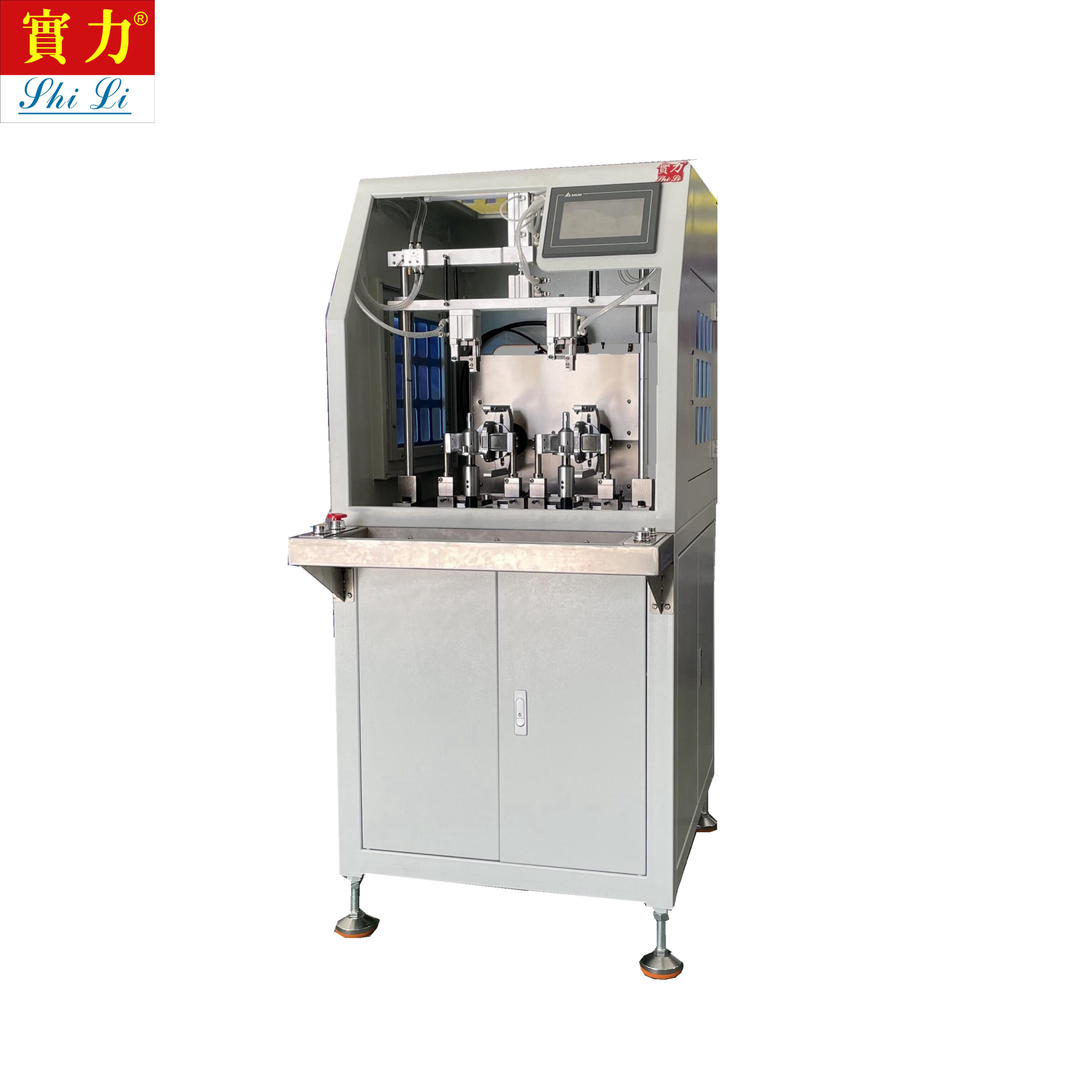
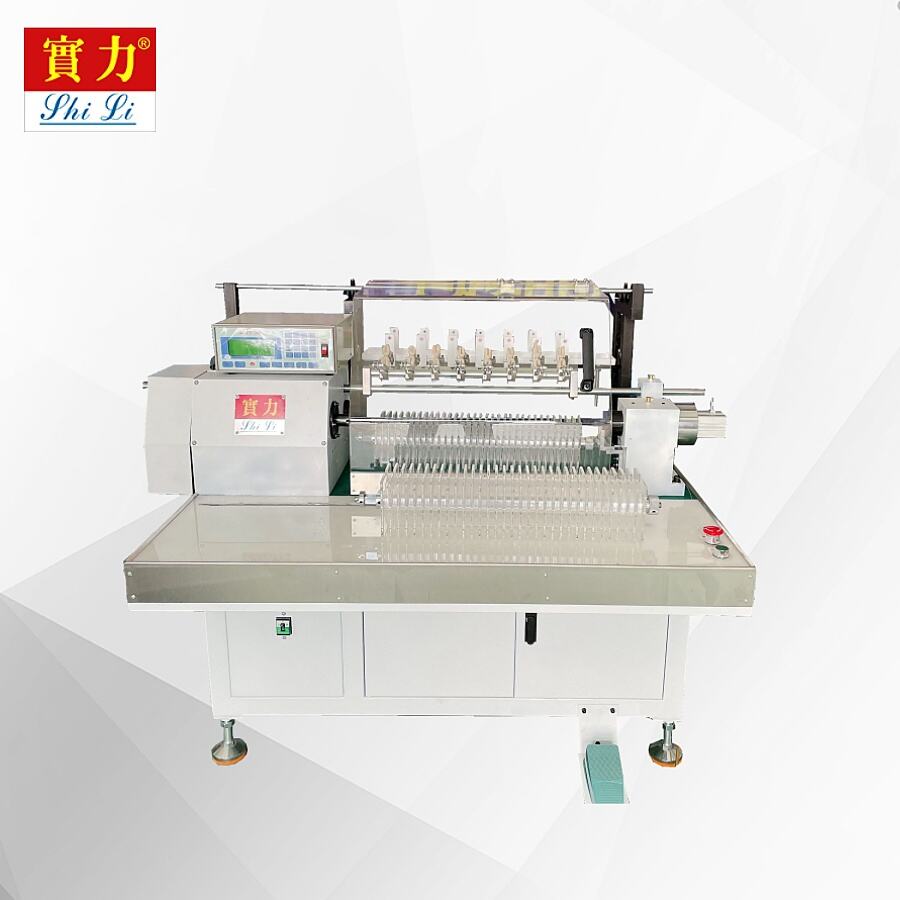
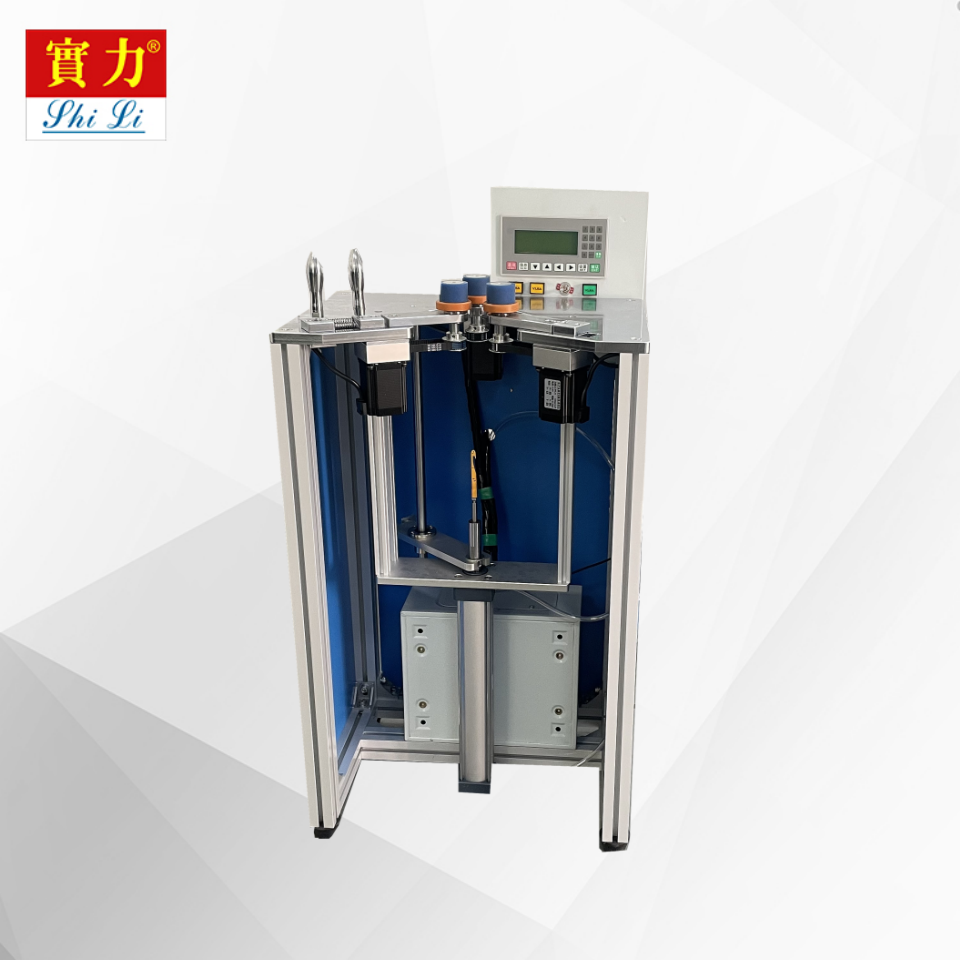
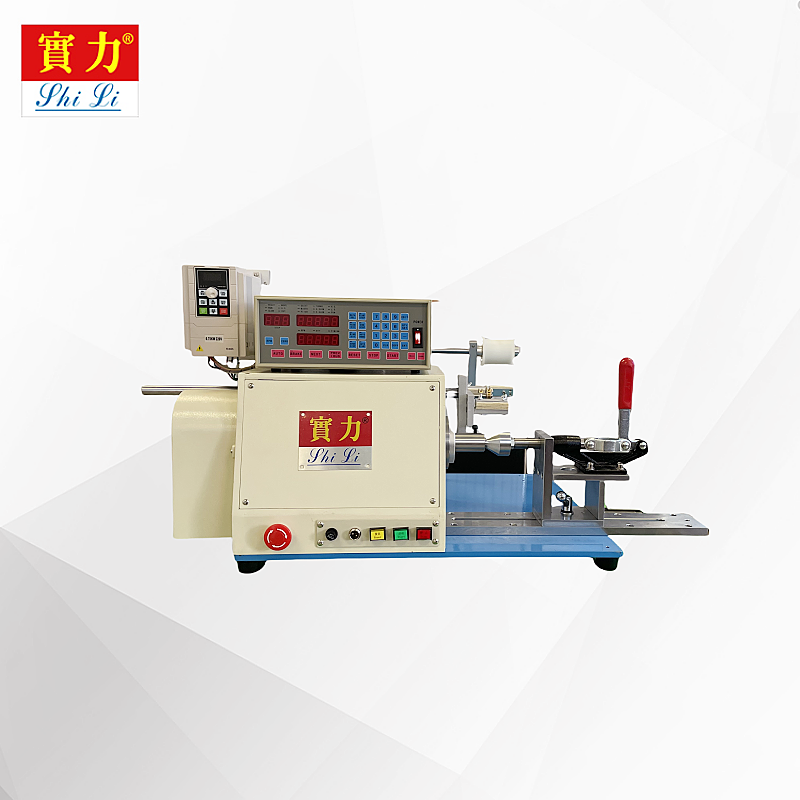
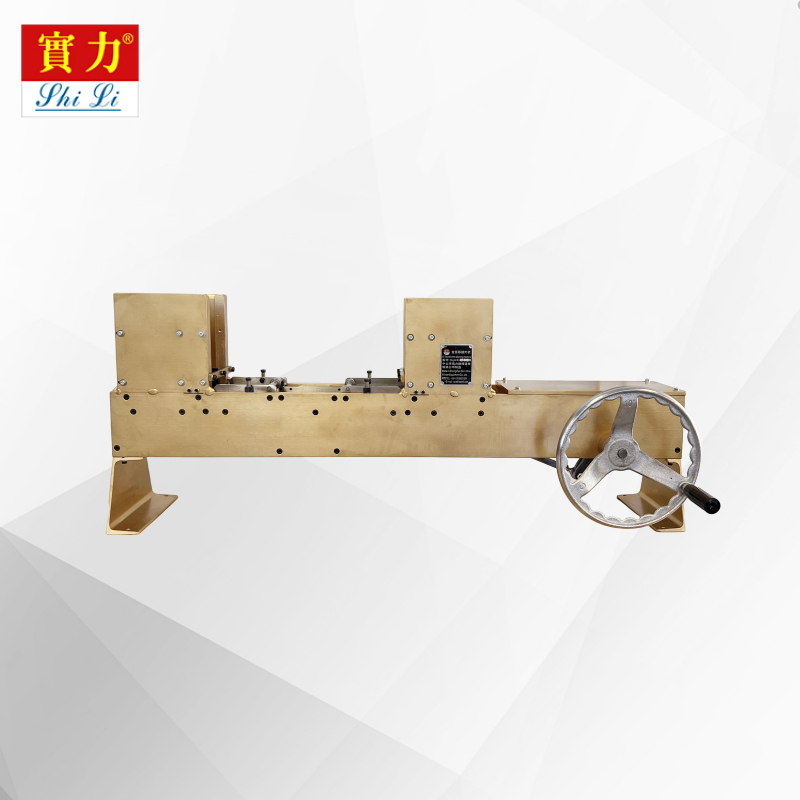
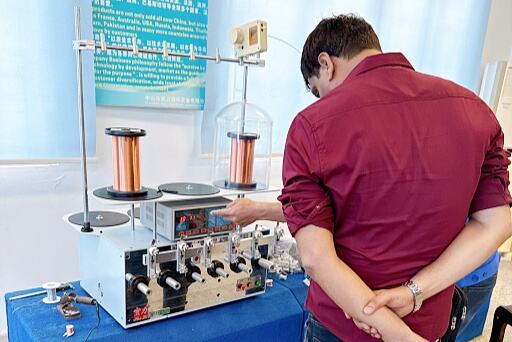
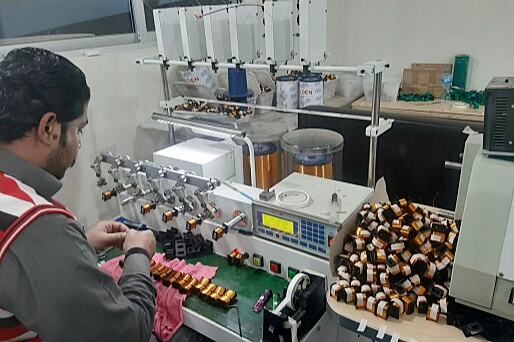
The small motor winding machine represents a crucial piece of equipment in modern electrical manufacturing, designed specifically to automate the precise winding of copper wire coils for small electric motors. This sophisticated device streamlines the traditionally labor-intensive process of creating motor windings, ensuring consistent quality and improved production efficiency. The small motor winding machine operates through computer-controlled mechanisms that guide wire placement with exceptional accuracy, eliminating human error and reducing manufacturing time significantly. These machines accommodate various motor types including brushed DC motors, brushless motors, stepper motors, and servo motors commonly found in household appliances, automotive components, and industrial automation systems. The technological features of modern small motor winding machines include programmable logic controllers that store multiple winding patterns, adjustable tension control systems that prevent wire breakage, and automatic wire cutting and termination capabilities. Advanced models incorporate touchscreen interfaces for easy operation, real-time monitoring systems that track production progress, and quality control sensors that detect winding defects immediately. The precision positioning systems ensure accurate wire placement within tight tolerance requirements, while variable speed controls adapt to different wire gauges and motor specifications. Applications for small motor winding machines span across numerous industries including consumer electronics, automotive manufacturing, HVAC systems, and medical device production. These machines excel in producing windings for fan motors, pump motors, actuator motors, and various micro-motor applications. Manufacturing facilities benefit from the consistent output quality, reduced labor costs, and increased production capacity that small motor winding machines provide. The versatility of these systems allows manufacturers to switch between different motor types quickly, supporting both high-volume production runs and custom motor designs. Quality control features built into modern small motor winding machines include wire tension monitoring, layer counting verification, and automated testing protocols that ensure each wound motor meets specification requirements before moving to the next production stage.

New Products

Small motor winding machines deliver substantial cost savings for manufacturers by reducing labor requirements and minimizing material waste through precise wire control mechanisms. These automated systems operate continuously with minimal supervision, allowing production facilities to maintain consistent output levels while reallocating human resources to higher-value tasks. The accuracy achieved by small motor winding machines surpasses manual winding methods, resulting in motors with improved performance characteristics and extended operational lifespans. Quality consistency becomes achievable across entire production batches, eliminating the variations typically associated with hand-wound motors and reducing customer complaints significantly. Production speed increases dramatically when implementing small motor winding machines, with many models capable of completing complex winding patterns in minutes rather than hours required for manual processes. This acceleration enables manufacturers to meet tight delivery schedules and respond quickly to market demands without compromising product quality. The flexibility offered by programmable small motor winding machines allows manufacturers to adapt quickly to new motor designs and customer specifications without extensive retooling or additional training requirements. Multiple winding programs can be stored and recalled instantly, facilitating rapid changeovers between different motor types and supporting diverse product lines efficiently. Material utilization improves substantially with small motor winding machines due to precise tension control and automated wire management systems that prevent waste from over-pulling or incorrect placement. This optimization reduces raw material costs and supports sustainable manufacturing practices by minimizing copper wire consumption. Safety benefits include reduced worker exposure to repetitive motion injuries and decreased handling of sharp wire ends, creating a safer work environment while maintaining productivity levels. The reliability of small motor winding machines ensures consistent operation with minimal maintenance requirements, reducing downtime and supporting uninterrupted production schedules. Investment returns become apparent quickly through reduced labor costs, improved throughput, and enhanced product quality that commands premium pricing in competitive markets. Training requirements decrease significantly as operators need only basic programming skills rather than specialized winding expertise, making workforce management more straightforward and reducing skill-dependent bottlenecks. Quality documentation capabilities built into modern small motor winding machines provide detailed production records that support quality certifications and customer audits, enhancing business credibility and market competitiveness.

Tips And Tricks

Solve Solenoid Valve Coil Production Pain Points for India | Easy Operation Guide

05

Feb

Solve Solenoid Valve Coil Production Pain Points for India | Easy Operation Guide

View More
Bangladesh Client Raves: Efficiency + Stable Quality

05

Feb

Bangladesh Client Raves: Efficiency + Stable Quality

View More
Turkey Full Container Shipment: Rave Reviews & Repeat Orders

05

Feb

Turkey Full Container Shipment: Rave Reviews & Repeat Orders

View More

Get a Free Quote

Our representative will contact you soon.
Email
Name
Company Name
Message
0/1000

small motor winding machine

Advanced Precision Control Technology

Advanced Precision Control Technology

The precision control technology integrated into modern small motor winding machines revolutionizes the manufacturing process by delivering unmatched accuracy in wire placement and tension management. This sophisticated system employs servo-driven mechanisms coupled with high-resolution encoders that monitor wire position to within microscopic tolerances, ensuring each turn of copper wire follows the exact predetermined path. The precision control system manages multiple parameters simultaneously, including wire tension, winding speed, traverse motion, and layer progression, creating perfectly uniform coils that maximize motor performance and reliability. Advanced algorithms continuously adjust these parameters in real-time, compensating for variables such as wire diameter variations, ambient temperature changes, and mechanical tolerances within the winding fixture. This intelligent control system prevents common winding defects including loose turns, uneven layers, and wire crossovers that can compromise motor efficiency and longevity. The precision achieved by these small motor winding machines translates directly into superior motor characteristics including reduced vibration, improved torque consistency, and enhanced electrical performance across the entire operating range. Manufacturing quality becomes predictable and repeatable, allowing engineers to design motors with tighter specifications and improved performance margins. The control technology also enables complex winding patterns that would be impossible to achieve manually, including progressive pitch windings, multi-layer configurations, and specialized coil geometries required for high-performance applications. Operators benefit from intuitive programming interfaces that simplify the setup process while maintaining access to advanced parameters for specialized applications. The precision control system maintains detailed logs of winding parameters for each motor produced, supporting quality traceability and continuous improvement initiatives. This technological advancement positions small motor winding machines as essential tools for manufacturers seeking to compete in markets demanding superior motor performance and reliability while maintaining cost-effective production processes.
Versatile Multi-Motor Compatibility

Versatile Multi-Motor Compatibility

The versatile multi-motor compatibility feature of small motor winding machines provides manufacturers with exceptional flexibility to produce diverse motor types using a single piece of equipment, maximizing capital investment returns and production efficiency. This adaptability stems from modular fixture systems that accommodate various stator geometries, from small fan motors with 12-slot configurations to complex servo motors requiring precise angular positioning and specialized winding sequences. The small motor winding machine automatically adjusts winding parameters including wire gauge accommodation, tension settings, and traverse patterns based on programmed motor specifications, eliminating the need for manual reconfiguration between different production runs. Quick-change tooling systems enable operators to switch between motor types in minutes rather than hours, supporting mixed production schedules and small-batch manufacturing requirements efficiently. The compatibility extends beyond basic geometric considerations to include support for different wire types, insulation materials, and termination methods commonly used across various motor applications. Advanced small motor winding machines store extensive libraries of winding programs that can be recalled and modified easily, allowing manufacturers to maintain consistent quality across multiple motor designs while accommodating customer-specific requirements and engineering changes. This versatility proves particularly valuable for contract manufacturers serving diverse industries, enabling them to accept orders for automotive cooling fan motors, household appliance motors, and precision positioning motors using the same equipment platform. The multi-motor compatibility also supports prototype development and low-volume specialty motor production, allowing manufacturers to evaluate new designs without dedicated tooling investments. Production planning becomes more efficient as manufacturers can schedule different motor types based on material availability and delivery requirements without equipment constraints limiting flexibility. The economic benefits of this versatility include reduced equipment investment requirements, simplified maintenance procedures, and streamlined operator training programs that cover multiple motor types comprehensively. This capability positions small motor winding machines as strategic assets that adapt to changing market demands while maintaining consistent production quality and operational efficiency across diverse motor manufacturing applications.
Automated Quality Assurance Integration

Automated Quality Assurance Integration

The automated quality assurance integration built into advanced small motor winding machines transforms traditional manufacturing approaches by implementing real-time monitoring and verification systems that ensure consistent product quality while reducing inspection costs and delivery delays. This comprehensive quality system monitors critical winding parameters throughout the production process, including wire tension consistency, turn count accuracy, layer progression uniformity, and insulation integrity, providing immediate feedback when deviations occur beyond acceptable tolerances. The automated system employs multiple sensor technologies including load cells for tension monitoring, optical sensors for wire position verification, and electrical continuity testers that validate proper connections before motor completion. These integrated quality measures eliminate the need for extensive post-production testing while providing documented evidence of compliance with engineering specifications and industry standards. The small motor winding machine automatically generates detailed quality reports for each motor produced, including statistical process control data that supports continuous improvement initiatives and customer quality requirements. Defective motors are identified and segregated automatically, preventing non-conforming products from advancing to subsequent manufacturing stages and reducing overall production costs through early defect detection. The quality assurance system adapts to different motor specifications automatically, applying appropriate test criteria and acceptance limits based on programmed motor parameters and customer requirements. Advanced diagnostic capabilities identify trending quality issues before they result in defective products, enabling proactive maintenance and process adjustments that maintain consistent output quality. Integration with manufacturing execution systems provides real-time production visibility and quality metrics that support data-driven decision making and rapid response to quality concerns. The automated documentation capabilities satisfy stringent quality certification requirements including ISO 9001 and automotive industry standards, eliminating manual record-keeping tasks while ensuring complete traceability throughout the production process. This integrated approach to quality assurance reduces inspection labor requirements, accelerates production throughput, and enhances customer confidence in delivered products, positioning manufacturers competitively in quality-sensitive markets while maintaining cost-effective operations.

Get a Free Quote

Our representative will contact you soon.
Email
Name
Company Name
Message
0/1000
Newsletter
Please Leave A Message With Us