Professional Line Winder Machine Solutions - Advanced Precision Winding Equipment

Get a Free Quote

Our representative will contact you soon.
Email
Name
Company Name
Message
0/1000

line winder machine

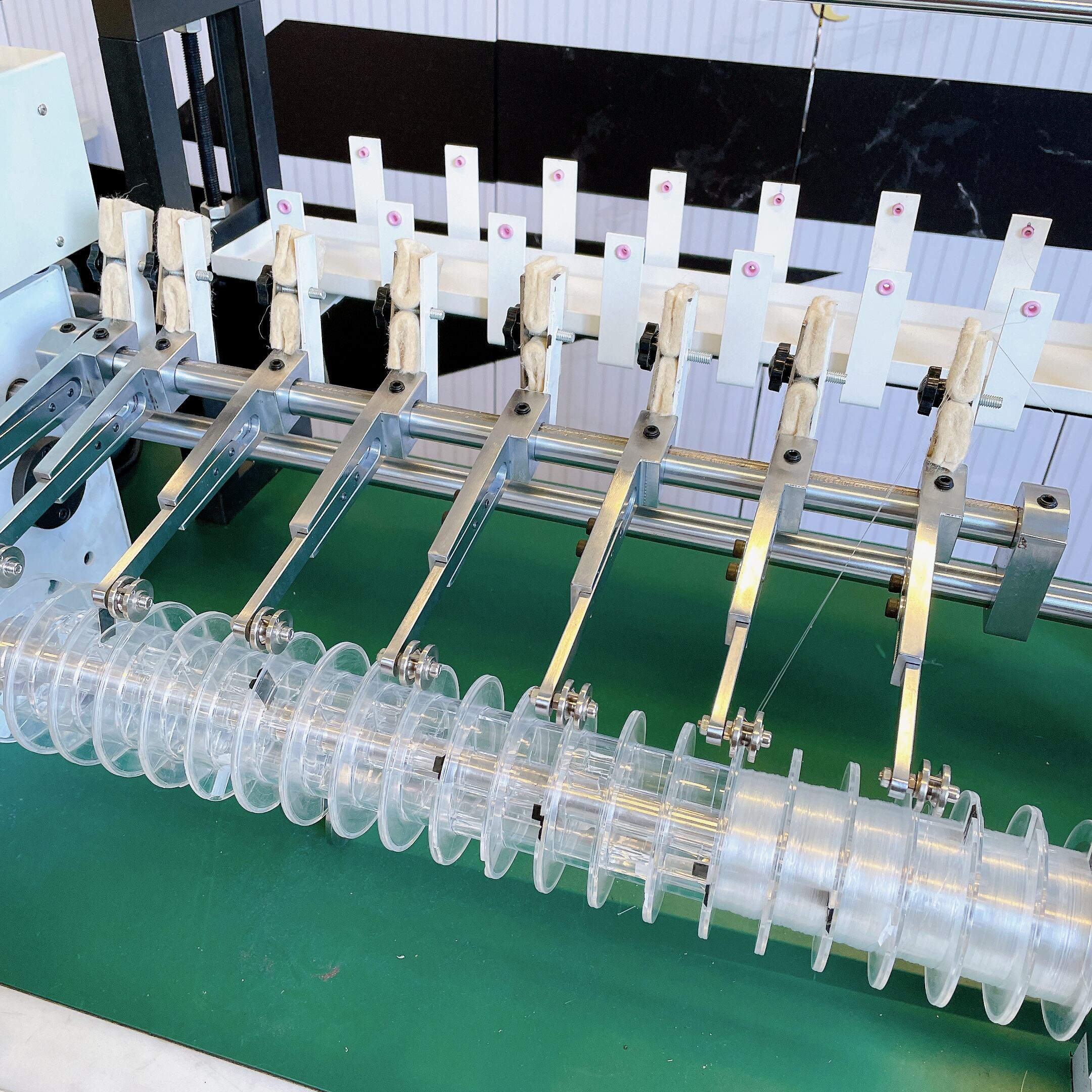
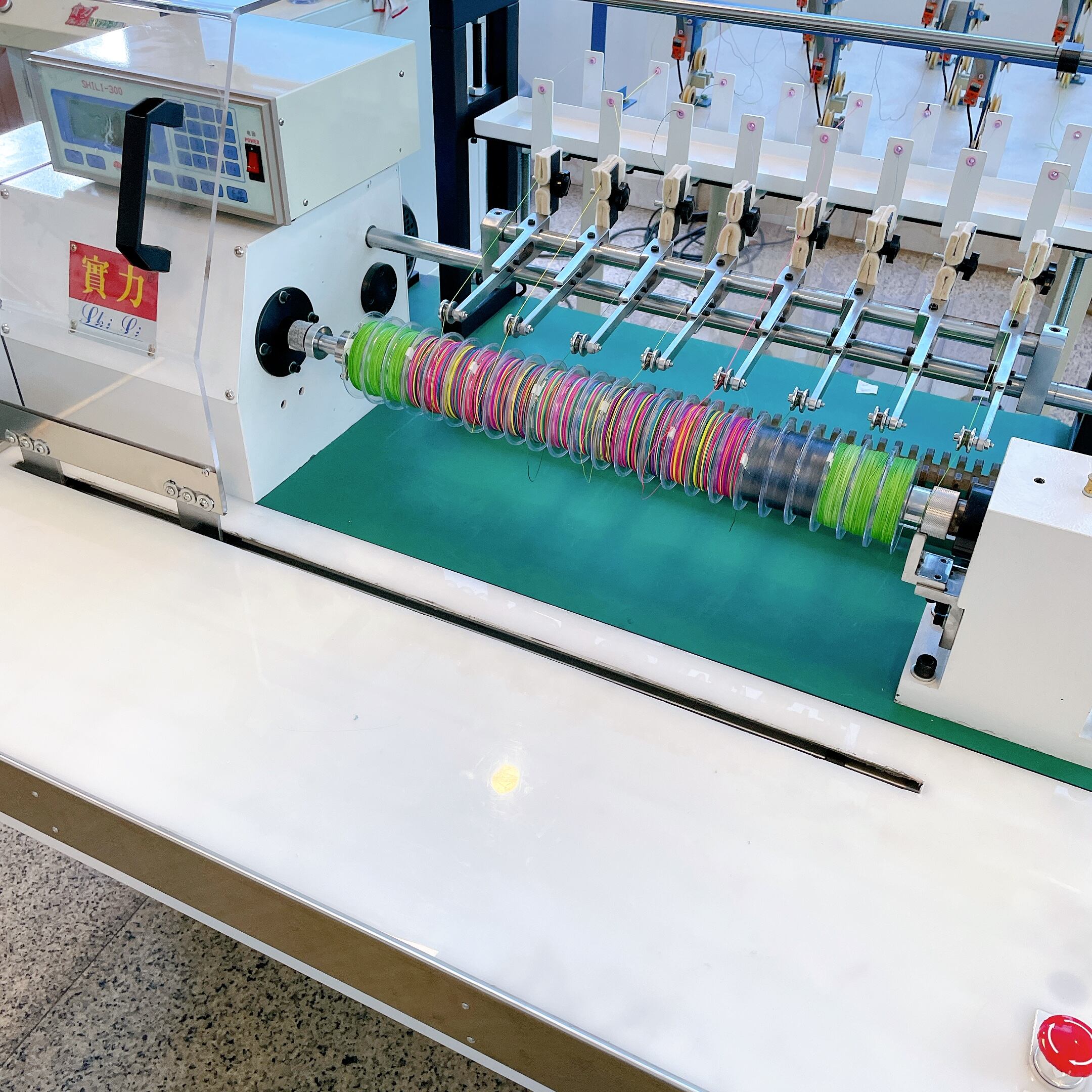
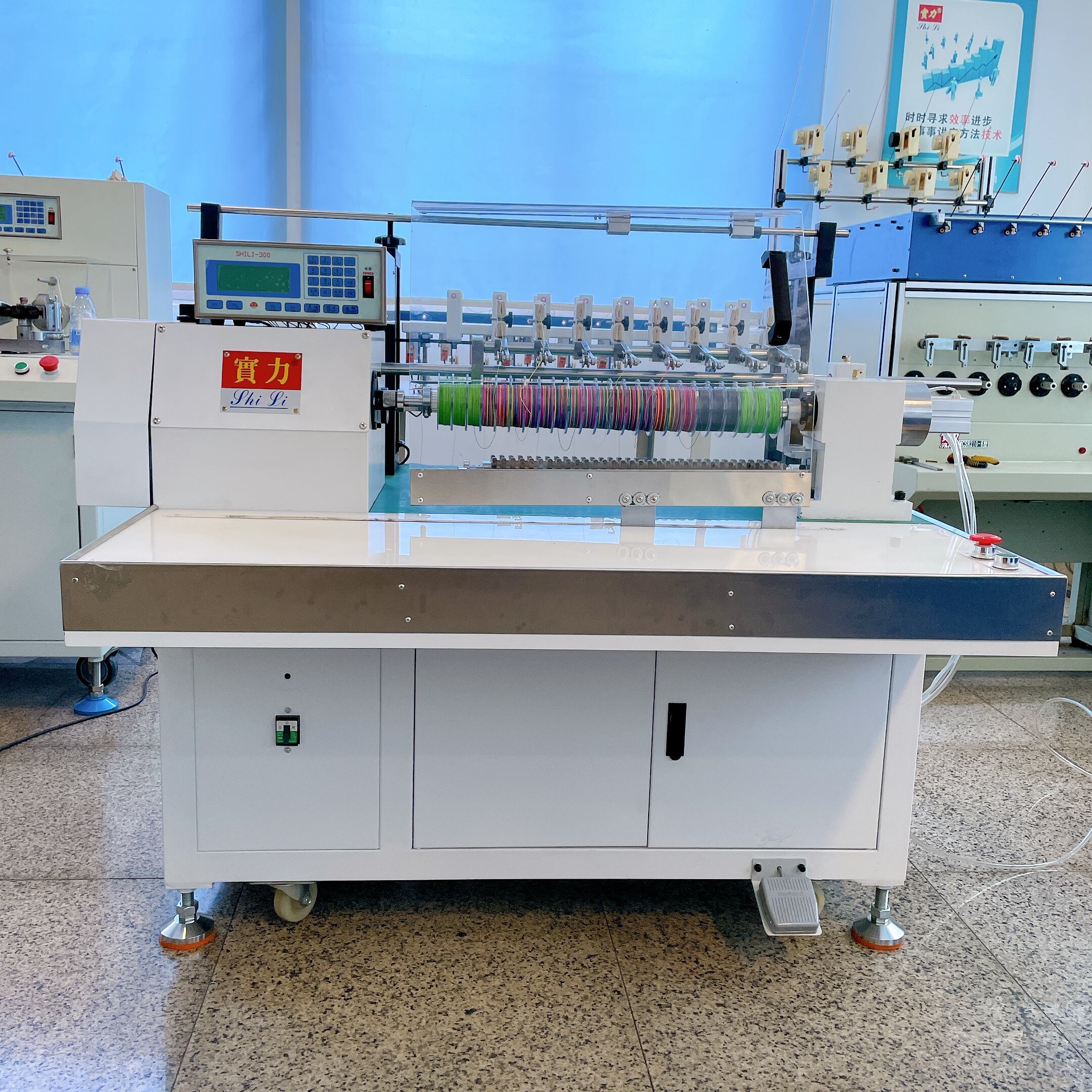
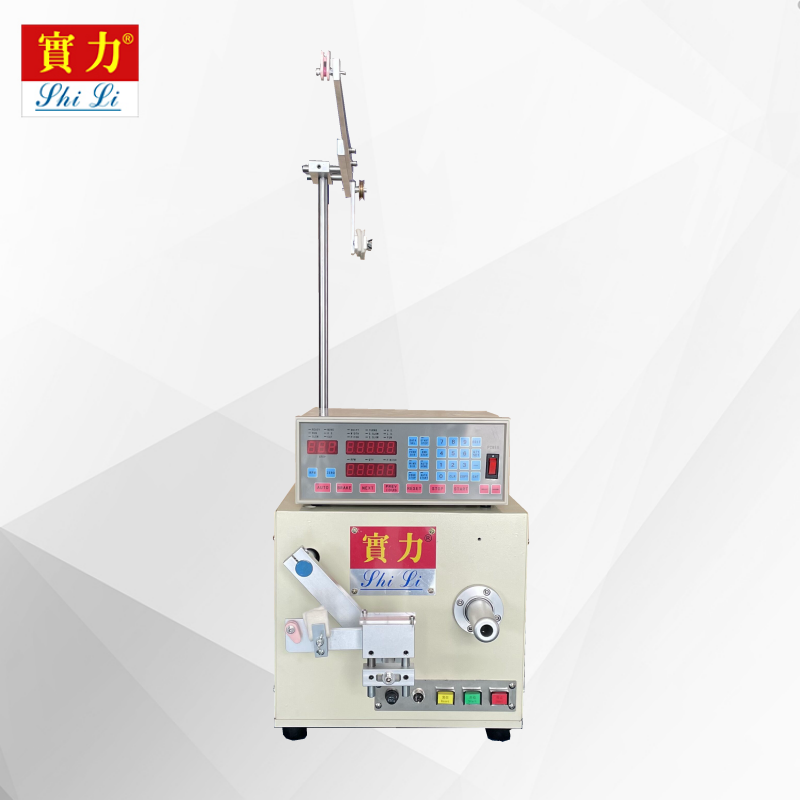
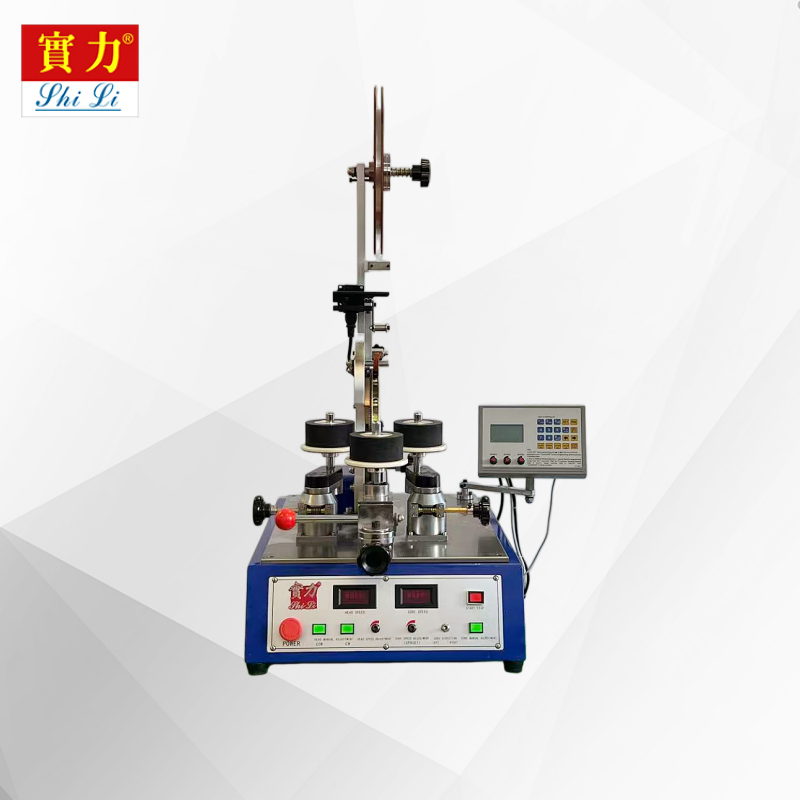
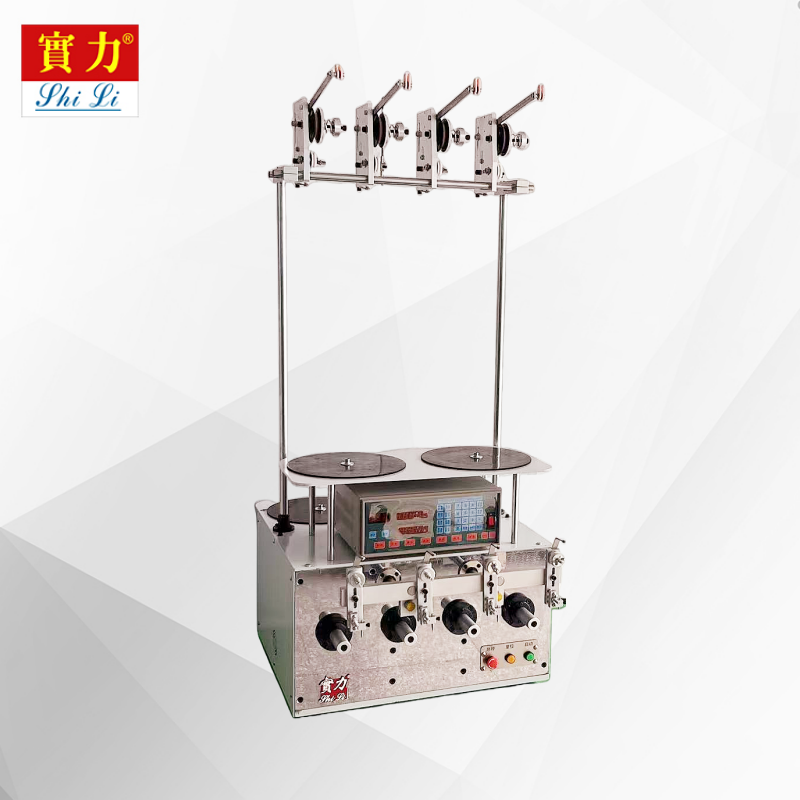
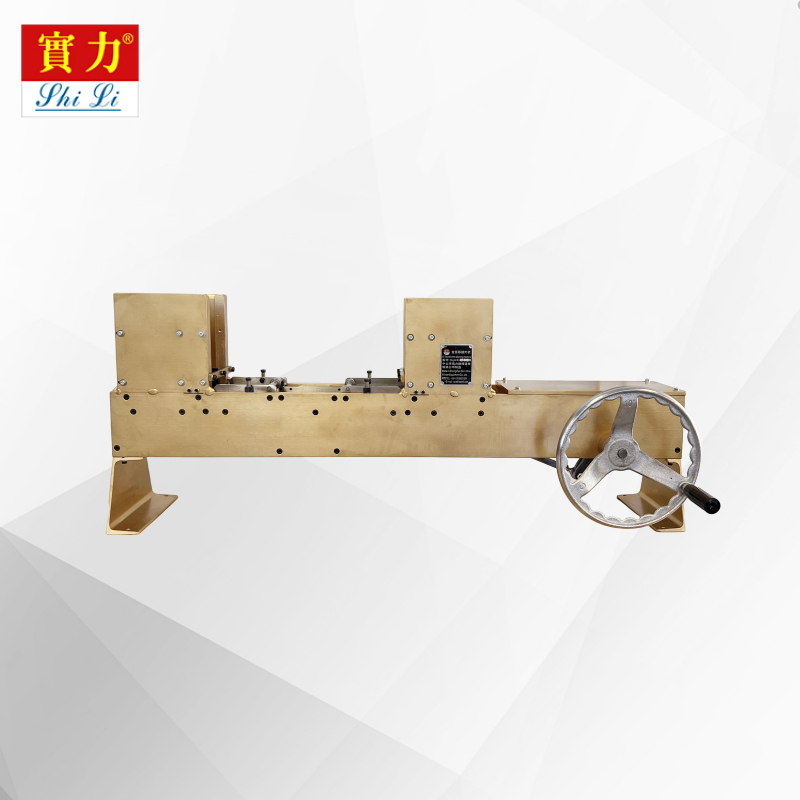
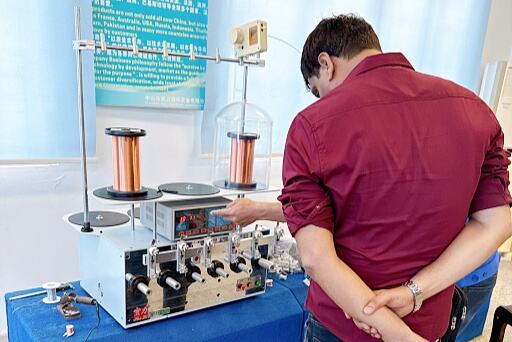
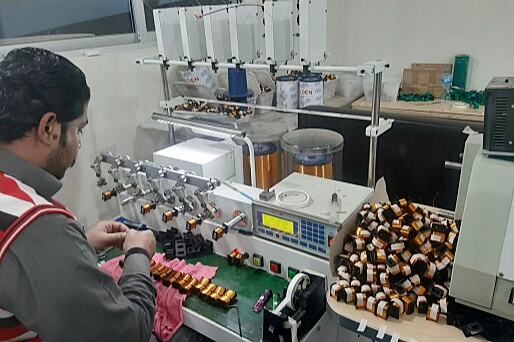
A line winder machine represents a sophisticated industrial solution designed to efficiently wind various types of linear materials onto spools, reels, or bobbins with precision and consistency. This advanced equipment serves as the backbone of numerous manufacturing processes across multiple industries, transforming loose materials into organized, manageable forms ready for subsequent production stages or final distribution. The line winder machine operates through a carefully engineered system that maintains consistent tension control while ensuring uniform winding patterns, preventing material damage and optimizing storage efficiency. Modern line winder machines incorporate state-of-the-art technology including programmable logic controllers, servo motors, and advanced sensing systems that monitor winding parameters in real-time. These technological components work harmoniously to deliver exceptional performance while minimizing operator intervention. The machine's core functionality revolves around its ability to handle diverse materials including cables, wires, ropes, textiles, films, and various synthetic materials with diameters ranging from microscopic fibers to substantial industrial cables. Speed control mechanisms allow operators to adjust winding velocities according to material specifications and quality requirements, ensuring optimal results across different applications. The line winder machine features robust construction utilizing high-grade materials and components designed to withstand continuous operation in demanding industrial environments. Precision-engineered drive systems deliver consistent rotational forces while advanced braking mechanisms provide immediate stopping capabilities when required. Integration capabilities enable seamless connection with existing production lines, creating comprehensive manufacturing systems that enhance overall productivity. Quality assurance features include automatic fault detection, emergency stop functions, and comprehensive monitoring systems that track operational parameters. These safety and quality features ensure reliable operation while protecting both equipment and personnel. The versatility of line winder machines makes them indispensable across telecommunications, automotive, aerospace, textiles, packaging, and construction industries, where organized material handling directly impacts production efficiency and product quality.

New Product Recommendations

The line winder machine delivers substantial operational benefits that directly translate into improved productivity and cost savings for manufacturing facilities. Enhanced efficiency stands as the primary advantage, with automated winding processes significantly reducing manual labor requirements while increasing throughput rates. Operators can process larger volumes of materials in shorter timeframes, enabling companies to meet demanding production schedules and customer deadlines more effectively. Precision control systems ensure consistent winding quality, eliminating variations that commonly occur with manual winding methods. This consistency reduces material waste, minimizes rework requirements, and enhances final product quality. Advanced tension control mechanisms prevent material stretching, breaking, or deformation during the winding process, preserving material integrity and reducing costly material losses. The line winder machine accommodates various spool sizes and material types without requiring extensive reconfiguration, providing exceptional versatility for diverse production requirements. Quick changeover capabilities enable rapid transitions between different materials or specifications, maximizing equipment utilization and reducing downtime. Automated features reduce operator fatigue and minimize human error, creating safer working environments while improving overall production reliability. Energy-efficient designs reduce operational costs through optimized power consumption, contributing to sustainable manufacturing practices. Programmable settings allow operators to store multiple winding configurations, enabling rapid setup for recurring production runs and reducing setup times. Real-time monitoring capabilities provide immediate feedback on operational parameters, allowing proactive maintenance and preventing costly equipment failures. The compact design of modern line winder machines optimizes floor space utilization, making them suitable for facilities with limited space constraints. User-friendly interfaces simplify operation and reduce training requirements for new operators, accelerating workforce development and reducing training costs. Robust construction ensures long service life with minimal maintenance requirements, providing excellent return on investment. Integration capabilities with existing production systems create seamless workflows that eliminate bottlenecks and improve overall manufacturing efficiency. These combined advantages make the line winder machine an essential investment for companies seeking to optimize their material handling processes while maintaining competitive advantages in their respective markets.

Tips And Tricks

Solve Solenoid Valve Coil Production Pain Points for India | Easy Operation Guide

05

Feb

Solve Solenoid Valve Coil Production Pain Points for India | Easy Operation Guide

View More
Bangladesh Client Raves: Efficiency + Stable Quality

05

Feb

Bangladesh Client Raves: Efficiency + Stable Quality

View More
Turkey Full Container Shipment: Rave Reviews & Repeat Orders

05

Feb

Turkey Full Container Shipment: Rave Reviews & Repeat Orders

View More

Get a Free Quote

Our representative will contact you soon.
Email
Name
Company Name
Message
0/1000

line winder machine

Advanced Tension Control Technology

Advanced Tension Control Technology

The sophisticated tension control system represents the cornerstone technology that distinguishes superior line winder machines from conventional winding equipment. This advanced feature employs precision sensors and servo-controlled mechanisms to maintain optimal material tension throughout the entire winding process, ensuring consistent quality and preventing material damage. The tension control system continuously monitors material stress levels and automatically adjusts winding parameters to compensate for variations in material properties, environmental conditions, or operational changes. This intelligent feedback loop prevents common winding problems such as material stretching, breaking, or uneven distribution on the spool. The technology incorporates multiple tension zones that can be independently controlled, allowing operators to optimize winding parameters for different sections of the material or accommodate materials with varying characteristics along their length. Advanced algorithms calculate optimal tension values based on material specifications, winding speed, and spool geometry, eliminating guesswork and ensuring consistent results. The system's responsiveness enables immediate adjustments during operation, maintaining quality even when processing challenging materials or operating at high speeds. Precision load cells and strain gauges provide accurate tension measurements with exceptional sensitivity, detecting minute variations that could affect winding quality. This level of control prevents material waste, reduces rework requirements, and ensures that wound materials maintain their specified properties and performance characteristics. The tension control system also includes safety features that prevent excessive tension levels that could damage materials or equipment, protecting valuable inventory and preventing costly repairs. Operators can easily configure tension parameters through intuitive interfaces, storing multiple settings for different materials or applications. This flexibility enables rapid changeovers between production runs while maintaining consistent quality standards. The advanced tension control technology significantly improves production efficiency by reducing setup times, minimizing material waste, and ensuring reliable operation across diverse applications. Companies utilizing line winder machines with advanced tension control report significant improvements in product quality, customer satisfaction, and overall profitability.
Programmable Precision Winding Patterns

Programmable Precision Winding Patterns

The programmable winding pattern capability transforms the line winder machine into a versatile precision tool that accommodates diverse material handling requirements with exceptional accuracy and repeatability. This sophisticated feature allows operators to create, modify, and store multiple winding configurations, enabling the machine to produce complex patterns that optimize material distribution and maximize spool capacity utilization. The programming interface provides intuitive controls for defining layer sequences, crossover angles, traverse speeds, and density variations, giving operators complete control over the final wound configuration. Advanced algorithms calculate optimal winding parameters automatically, considering factors such as material diameter, spool dimensions, desired capacity, and unwinding characteristics. This intelligent approach ensures that wound materials maintain proper organization throughout storage and subsequent processing stages. The system can generate various winding patterns including precision layers, random winds, stepped layers, and custom configurations designed for specific applications or customer requirements. Memory storage capabilities enable operators to save successful winding programs for future use, eliminating setup time and ensuring consistent results across production batches. The programming flexibility extends to accommodate materials with irregular shapes, varying diameters, or special handling requirements, making the line winder machine suitable for diverse manufacturing environments. Real-time pattern monitoring ensures that actual winding conforms to programmed specifications, with automatic corrections applied when deviations are detected. This precision control prevents common winding defects such as pattern collapse, uneven distribution, or excessive buildup in specific areas. The programmable patterns also optimize material accessibility during unwinding operations, reducing tangling and improving downstream processing efficiency. Quality assurance features include pattern verification functions that compare actual results against programmed specifications, providing documentation for quality control purposes. The system generates detailed reports on winding parameters, material usage, and pattern compliance, supporting continuous improvement initiatives and customer quality requirements. Integration with production management systems enables automatic program selection based on work orders or material specifications, reducing operator workload and minimizing errors. This programmable precision capability significantly enhances the line winder machine value proposition by enabling companies to meet specific customer requirements while maintaining high productivity levels and consistent quality standards.
Intelligent Monitoring and Diagnostic Systems

Intelligent Monitoring and Diagnostic Systems

The intelligent monitoring and diagnostic capabilities integrated into modern line winder machines represent a revolutionary advancement that transforms equipment operation from reactive maintenance to predictive performance optimization. This comprehensive system continuously monitors critical operational parameters including motor performance, bearing temperatures, vibration levels, material tension, winding speed, and electrical consumption, creating a detailed operational profile that enables proactive maintenance and performance optimization. Advanced sensors positioned throughout the machine collect real-time data that is processed by sophisticated algorithms to identify trends, predict potential issues, and recommend optimal operating conditions. The monitoring system provides immediate alerts when parameters exceed predetermined thresholds, enabling operators to address potential problems before they result in equipment failure or production disruptions. Historical data analysis capabilities identify patterns that indicate developing issues, allowing maintenance teams to schedule interventions during planned downtime rather than experiencing unexpected failures. The diagnostic system includes comprehensive fault identification features that pinpoint specific components or systems requiring attention, reducing troubleshooting time and minimizing repair costs. Detailed performance reports provide insights into equipment utilization, efficiency trends, and maintenance requirements, supporting data-driven decisions about operational improvements and equipment optimization. The system's learning capabilities continuously refine its predictive models based on actual performance data, improving accuracy and reliability over time. Integration with mobile devices and remote monitoring platforms enables maintenance personnel to monitor equipment performance from any location, facilitating rapid response to developing issues. Energy consumption monitoring identifies opportunities for efficiency improvements, supporting sustainability initiatives and reducing operational costs. The intelligent system also tracks material usage, production rates, and quality metrics, providing comprehensive insights into overall equipment effectiveness. Customizable dashboards present relevant information to different user levels, from operators requiring immediate operational data to management personnel focused on performance trends and strategic planning. The monitoring system maintains detailed logs of all operational events, supporting quality investigations, process improvements, and regulatory compliance requirements. Automatic backup and data archiving ensure that valuable operational data is preserved and accessible for long-term analysis. This intelligent monitoring and diagnostic capability significantly enhances the line winder machine value by reducing maintenance costs, minimizing unplanned downtime, optimizing performance, and extending equipment service life while providing the insights necessary for continuous operational improvement.

Get a Free Quote

Our representative will contact you soon.
Email
Name
Company Name
Message
0/1000
Newsletter
Please Leave A Message With Us