Advanced Automatic Coil Winding Machine - Precision Manufacturing Solutions for High-Quality Coil Production

Get a Free Quote

Our representative will contact you soon.
Email
Name
Company Name
Message
0/1000

automatic coil winding machine

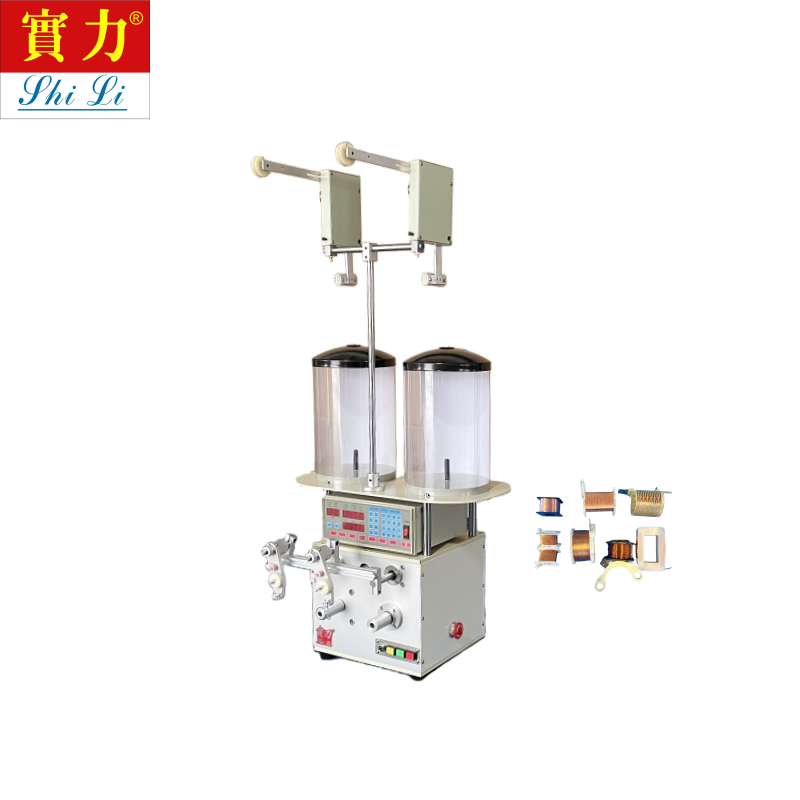
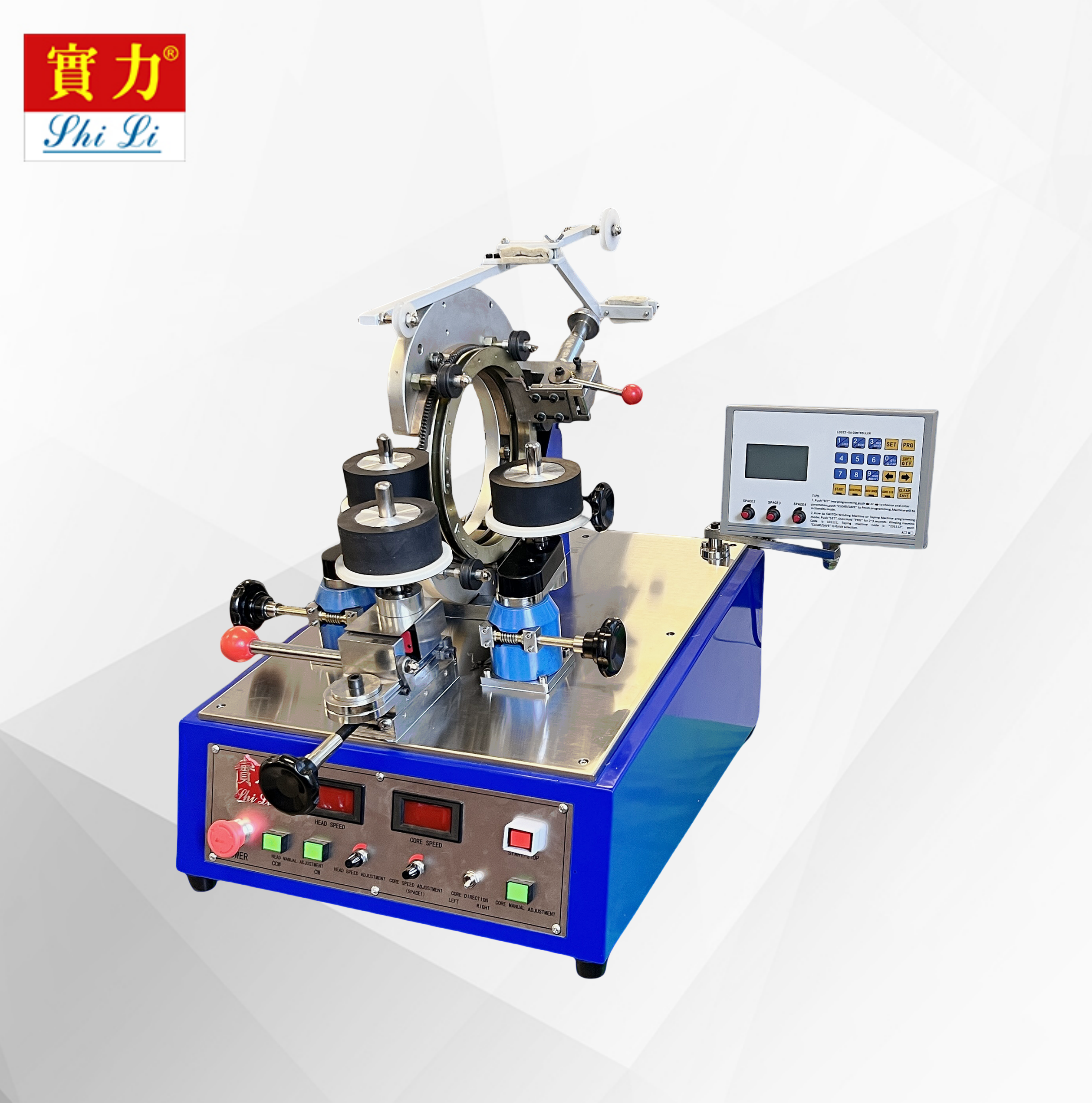
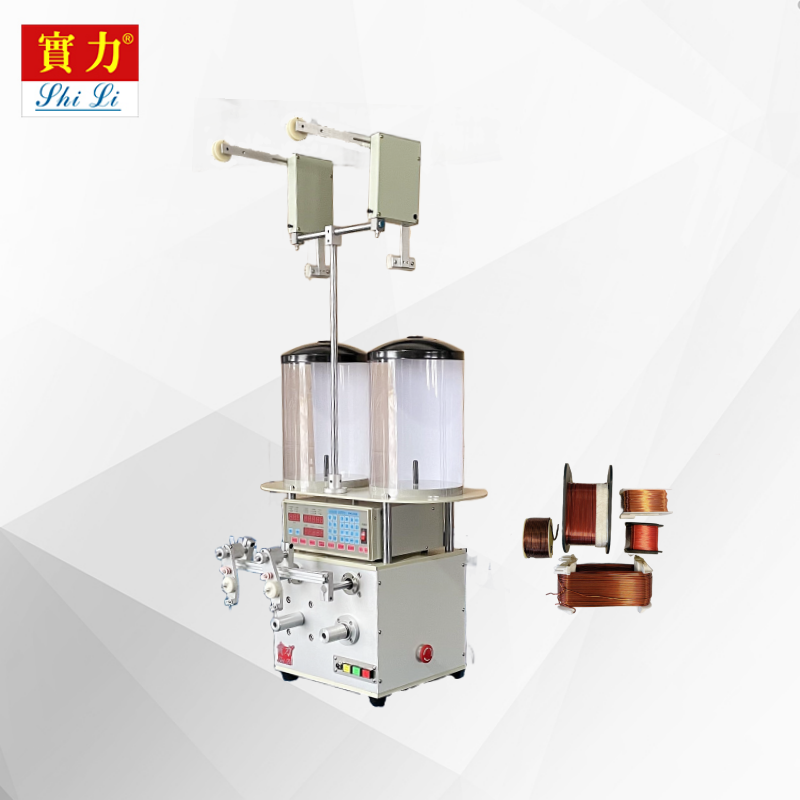
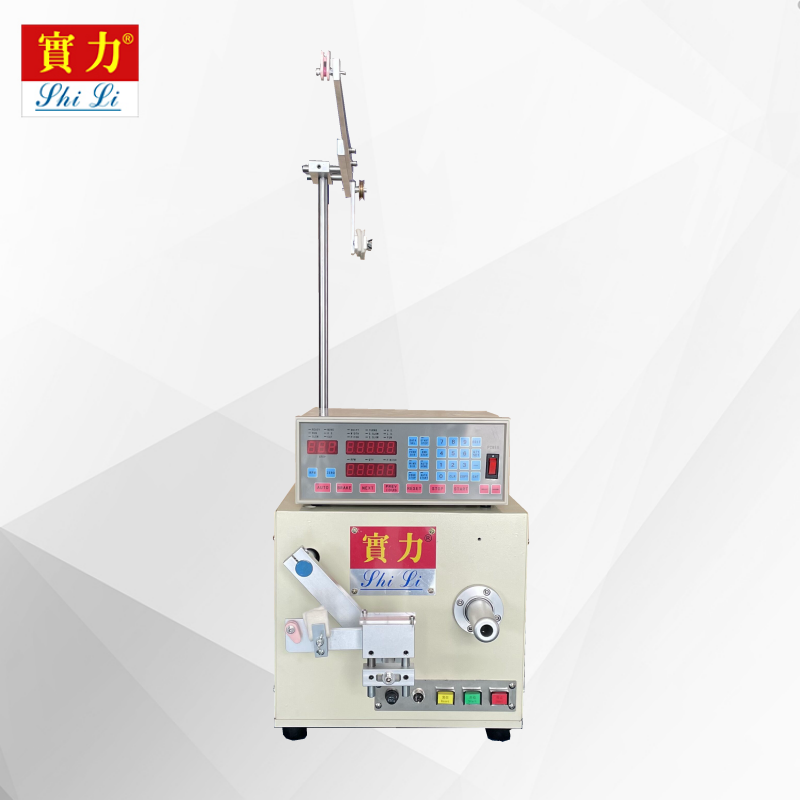
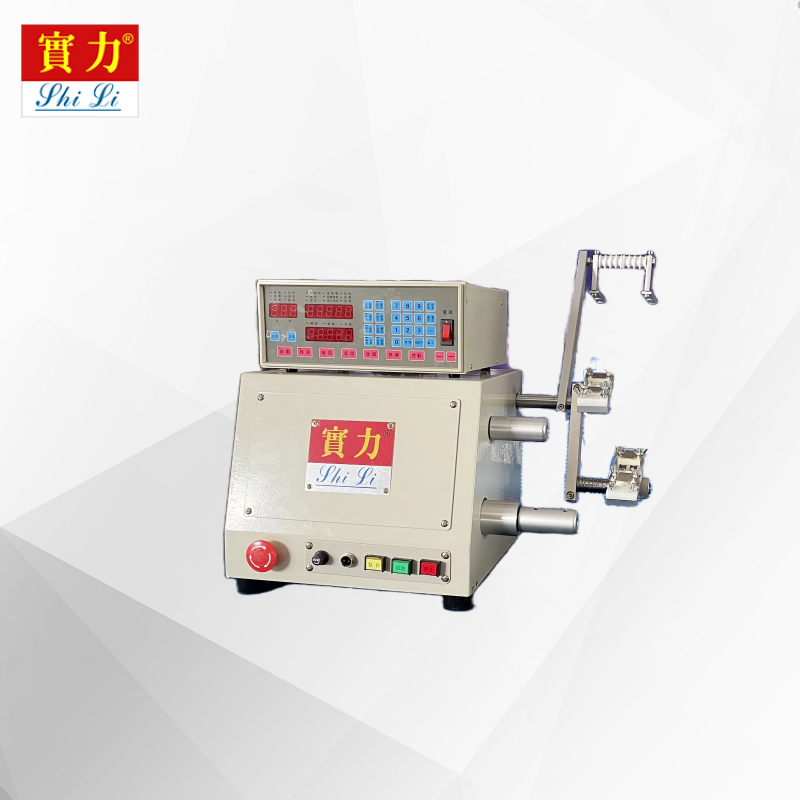
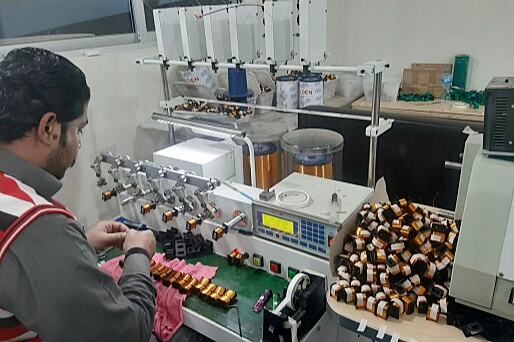
An automatic coil winding machine represents a sophisticated piece of manufacturing equipment designed to wind copper wire, aluminum wire, or other conductive materials into precise coil configurations with minimal human intervention. This advanced machinery operates through computer-controlled systems that manage wire tension, winding speed, and positioning accuracy to produce consistent, high-quality coils for various industrial applications. The automatic coil winding machine incorporates servo motors, programmable logic controllers, and precision mechanical components to ensure repeatable results across production runs. Modern units feature touchscreen interfaces that allow operators to input specific parameters including wire diameter, coil dimensions, turn count, and winding patterns. The machine's core functionality revolves around its ability to maintain consistent wire tension throughout the winding process, preventing loose turns or excessive stretching that could compromise coil performance. Advanced models include wire break detection systems, automatic wire feeding mechanisms, and quality control sensors that monitor each coil during production. The automatic coil winding machine typically consists of several key components including a wire payoff system, tensioning devices, wire guides, a rotating spindle or mandrel, and a programmable control unit. Wire payoff systems ensure smooth wire delivery while tensioning devices maintain optimal wire stress levels. The spindle system provides the rotational motion necessary for coil formation, while wire guides direct the wire placement with micron-level precision. Many automatic coil winding machines feature multi-station capabilities, allowing simultaneous winding of multiple coils to maximize production efficiency. These machines can accommodate various coil types including air-core coils, toroidal windings, and bobbin-wound configurations. Temperature monitoring systems prevent overheating during high-speed operations, while automatic lubrication systems maintain mechanical components. The integration of vision systems in premium models enables real-time quality inspection and automatic rejection of defective coils, ensuring consistent output quality and reducing waste in manufacturing processes.
New Products

The automatic coil winding machine delivers substantial operational benefits that directly impact manufacturing efficiency and product quality. First, these machines dramatically increase production speed compared to manual winding methods, typically achieving 3-5 times faster output rates while maintaining superior consistency. This acceleration stems from the machine's ability to operate continuously without fatigue, breaks, or variations in technique that affect human operators. The precision control systems ensure each coil meets exact specifications, eliminating the variability inherent in manual processes. Quality consistency represents another major advantage, as the automatic coil winding machine produces coils with uniform wire spacing, tension, and dimensional accuracy. This consistency reduces rejection rates and minimizes costly rework, directly improving profit margins. The machine's programmable nature allows quick changeovers between different coil specifications without extensive setup time or operator retraining. Labor cost reduction forms a significant economic benefit, as one operator can typically manage multiple automatic coil winding machines simultaneously, maximizing workforce efficiency. The reduced dependency on skilled manual winders also addresses labor shortage challenges many manufacturers face. Safety improvements accompany automation, as operators work at a distance from moving machinery and sharp wire ends, reducing workplace injury risks. The automatic coil winding machine also enables 24-hour production capabilities, allowing manufacturers to meet tight delivery schedules and increase overall throughput. Energy efficiency improvements result from optimized motor controls and reduced waste heat generation compared to less sophisticated equipment. Data collection capabilities built into modern machines provide valuable production metrics, enabling continuous process improvement and predictive maintenance scheduling. The machine's ability to handle various wire types and gauges without extensive modifications adds operational flexibility. Inventory management benefits emerge through reduced work-in-process requirements and more predictable production timing. The automatic coil winding machine also supports lean manufacturing principles by minimizing setup times, reducing waste, and enabling just-in-time production strategies. Environmental benefits include reduced material waste through precise wire usage calculations and lower energy consumption per unit produced. These combined advantages make the automatic coil winding machine an essential investment for competitive manufacturing operations seeking improved efficiency, quality, and profitability in coil production processes.

Tips And Tricks

Solve Solenoid Valve Coil Production Pain Points for India | Easy Operation Guide

05

Feb

Solve Solenoid Valve Coil Production Pain Points for India | Easy Operation Guide

View More
Bangladesh Client Raves: Efficiency + Stable Quality

05

Feb

Bangladesh Client Raves: Efficiency + Stable Quality

View More
Turkey Full Container Shipment: Rave Reviews & Repeat Orders

05

Feb

Turkey Full Container Shipment: Rave Reviews & Repeat Orders

View More

Get a Free Quote

Our representative will contact you soon.
Email
Name
Company Name
Message
0/1000

automatic coil winding machine

Advanced Precision Control Technology

Advanced Precision Control Technology

The automatic coil winding machine incorporates cutting-edge precision control technology that revolutionizes coil manufacturing accuracy and reliability. This sophisticated system utilizes high-resolution encoders and servo motors to achieve positioning accuracy within micrometers, ensuring every wire turn is placed exactly where specified. The machine's control algorithms continuously monitor and adjust wire tension in real-time, preventing common issues like loose windings or wire breaks that plague traditional equipment. Advanced feedback systems track spindle position, wire speed, and tension simultaneously, making instant corrections to maintain optimal winding conditions throughout the entire production cycle. The precision control technology extends to wire feeding mechanisms, which deliver consistent wire advancement regardless of spool size or wire characteristics. Temperature compensation features automatically adjust parameters based on ambient conditions and wire material properties, ensuring consistent results across varying environmental conditions. The system's ability to store and recall hundreds of different winding programs eliminates setup errors and enables rapid production changeovers. Programmable acceleration and deceleration profiles optimize winding speed while preventing wire stress or mechanical shock that could damage delicate components. The machine's intelligent wire break detection system immediately stops production when anomalies occur, protecting both the coil being wound and the equipment itself. Quality monitoring sensors continuously evaluate coil dimensions, wire spacing, and turn count, automatically flagging any deviations from specified tolerances. This real-time quality control capability prevents defective coils from proceeding through subsequent manufacturing steps, saving time and materials. The precision control technology also enables complex winding patterns including progressive pitch changes, multi-layer configurations, and specialized geometries that would be impossible to achieve manually. Diagnostic capabilities built into the control system provide detailed performance data and maintenance alerts, helping operators optimize machine performance and prevent unexpected downtime. The user-friendly interface presents complex control parameters in an intuitive format, allowing operators to make precise adjustments without extensive technical training.
Multi-Station Production Capability

Multi-Station Production Capability

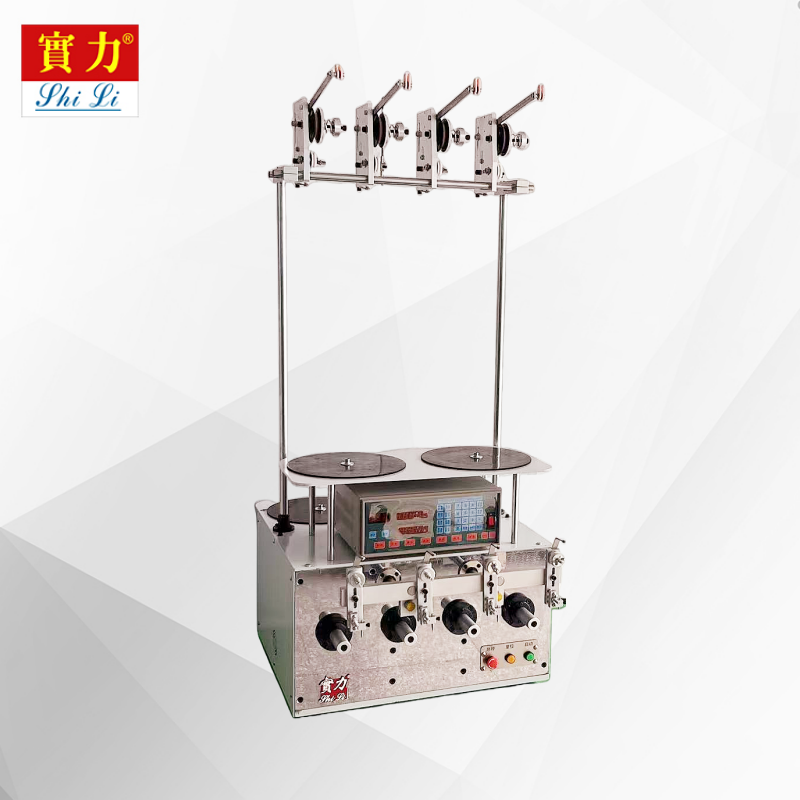
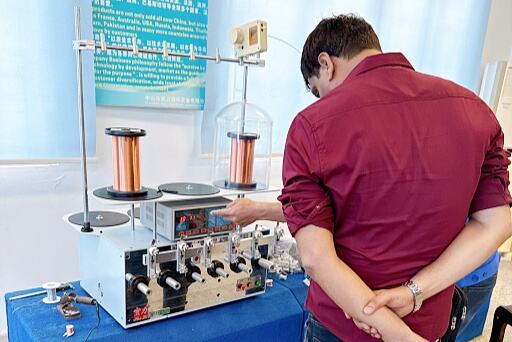
The multi-station production capability of modern automatic coil winding machines represents a breakthrough in manufacturing efficiency and output optimization. This innovative design allows simultaneous winding operations across multiple spindles or workstations, effectively multiplying production capacity without proportional increases in floor space or operator requirements. Each station operates independently with its own control parameters, enabling the production of different coil specifications simultaneously or multiple units of the same design for increased throughput. The automatic coil winding machine's multi-station architecture incorporates sophisticated coordination systems that manage wire distribution, timing sequences, and quality control across all active positions. Independent servo drives for each station ensure that variations in one coil's requirements do not affect other concurrent operations. This parallel processing capability proves especially valuable for high-volume production runs where consistent output rates are critical for meeting delivery schedules. The system's intelligent scheduling algorithms optimize station utilization by automatically distributing workload based on coil complexity and production priorities. Quick-change tooling systems enable rapid reconfiguration of individual stations without disrupting operations at other positions, maximizing uptime and operational flexibility. The multi-station design also provides built-in redundancy, allowing continued production even when one station requires maintenance or experiences technical issues. Centralized control systems monitor all stations simultaneously while maintaining individual parameter control for each position. This comprehensive oversight capability enables operators to track production progress, quality metrics, and efficiency measurements across the entire machine in real-time. The automatic coil winding machine's multi-station configuration reduces per-unit production costs by spreading fixed overhead across multiple simultaneous operations. Energy efficiency improvements result from shared systems like air compressors, control units, and auxiliary equipment serving multiple stations. The design also facilitates lean manufacturing principles by enabling balanced production flow and reduced work-in-process inventory. Training requirements are minimized as operators learn to manage multiple stations using unified control interfaces and standardized procedures. Maintenance efficiency improves through common component designs and centralized diagnostic systems that identify issues across all stations from a single monitoring point.
Intelligent Quality Assurance Systems

Intelligent Quality Assurance Systems

The intelligent quality assurance systems integrated into modern automatic coil winding machines provide unprecedented control over product consistency and manufacturing reliability. These sophisticated monitoring capabilities utilize multiple sensor technologies including vision systems, laser measurement devices, and electronic testing equipment to evaluate coil quality in real-time throughout the winding process. The automatic coil winding machine's quality systems begin monitoring from the moment wire feeding commences, tracking parameters like wire tension, feed rate, and positioning accuracy to prevent defects before they occur. Advanced vision systems capture high-resolution images of coils during winding, analyzing wire spacing, layer alignment, and dimensional accuracy using machine learning algorithms that continuously improve detection capabilities. Electrical testing modules integrated into the quality system measure resistance, inductance, and continuity parameters immediately after winding completion, identifying electrical defects that could cause field failures. The system's database capabilities store quality data from every coil produced, enabling trend analysis and predictive quality improvements. Statistical process control algorithms automatically adjust machine parameters when quality metrics drift toward specification limits, preventing defective production runs. Automatic rejection systems physically remove non-conforming coils from the production line while documenting the specific failure modes for process improvement initiatives. The quality assurance system's traceability features track individual coils through complete manufacturing histories including wire lot numbers, winding parameters, and test results. Integration with enterprise resource planning systems enables real-time quality reporting and automatic documentation generation for customer requirements and regulatory compliance. The machine's adaptive learning capabilities analyze quality patterns to optimize winding parameters for new coil designs or wire materials automatically. Calibration management systems ensure measurement accuracy through automated calibration schedules and verification procedures. The intelligent quality system also provides operator guidance through visual and audible alerts when intervention is required, reducing training requirements and minimizing human error. Predictive analytics capabilities identify potential quality issues before they occur by analyzing equipment performance trends and process variations. The comprehensive quality data collection enables continuous improvement initiatives and supports Six Sigma or other quality management methodologies. Remote monitoring capabilities allow quality engineers to oversee multiple automatic coil winding machines from centralized locations, optimizing resource utilization and response times.

Get a Free Quote

Our representative will contact you soon.
Email
Name
Company Name
Message
0/1000
Newsletter
Please Leave A Message With Us