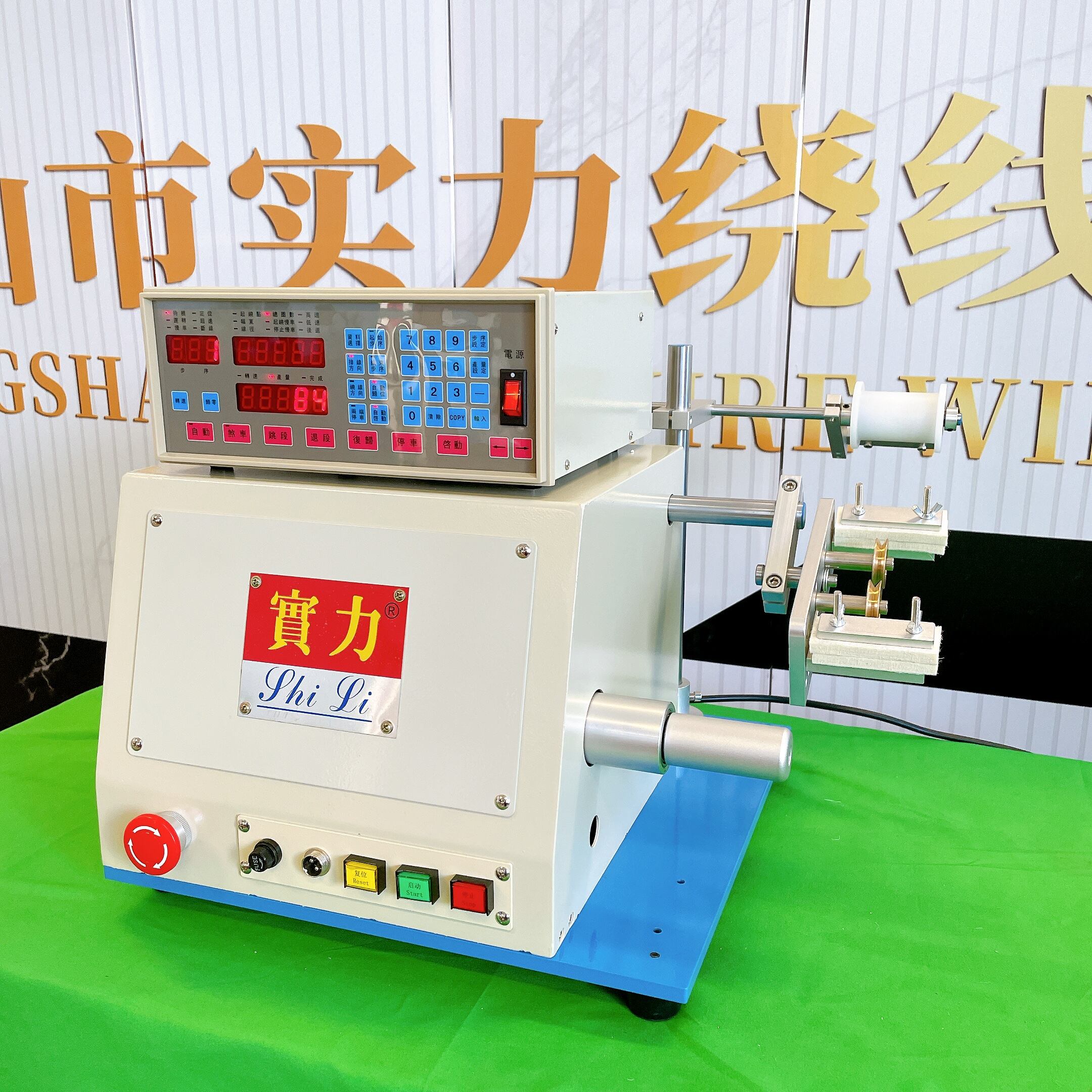
kablo bobin sarma makinesi
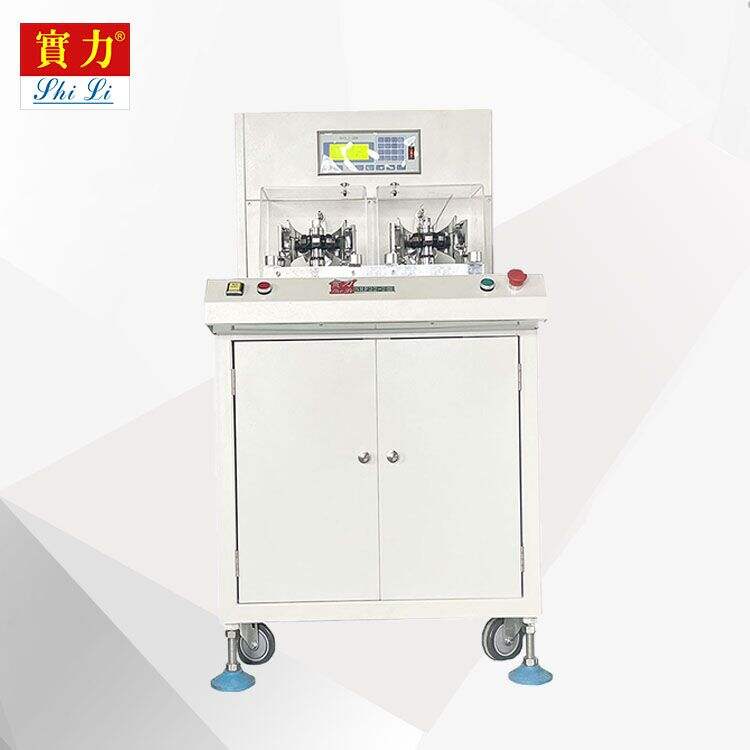
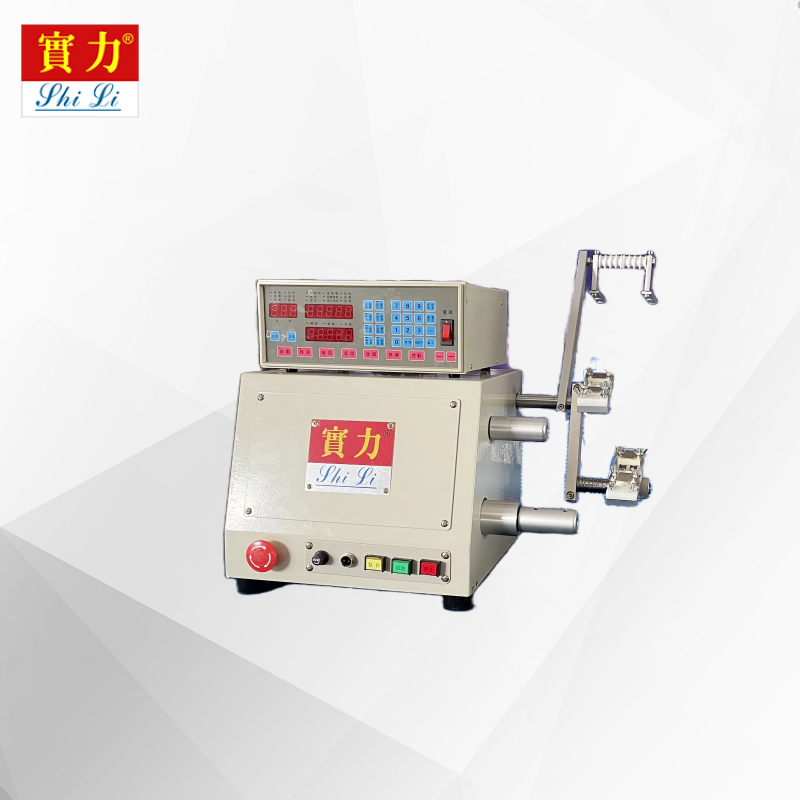
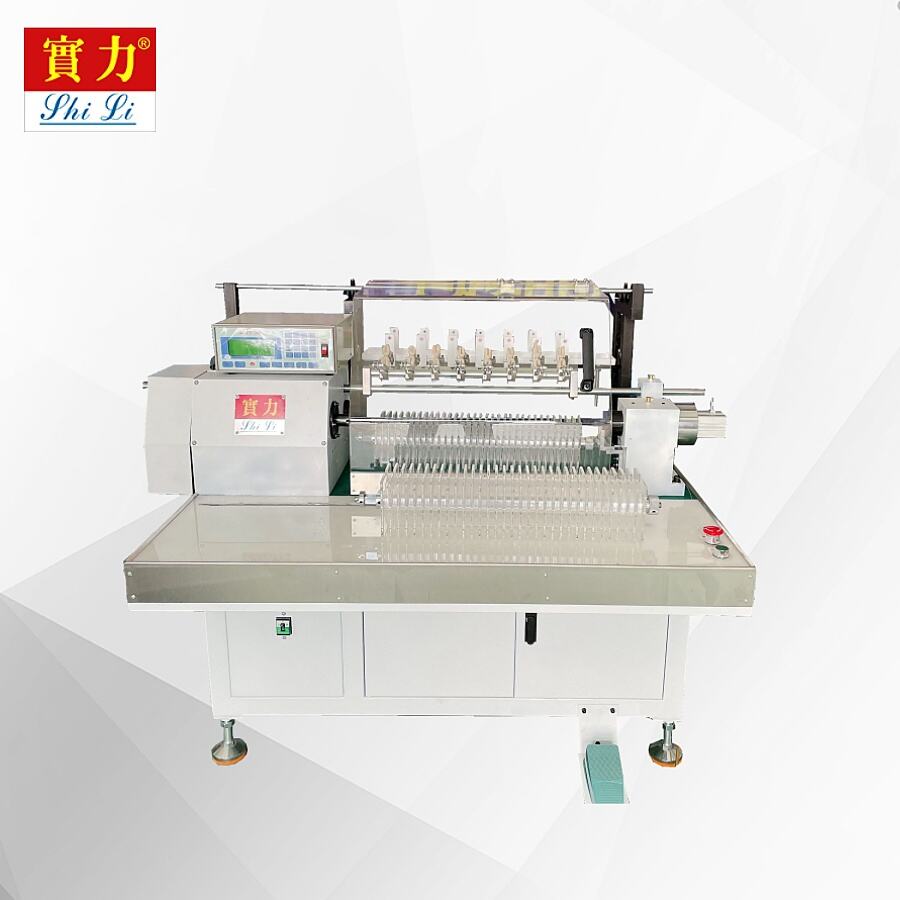
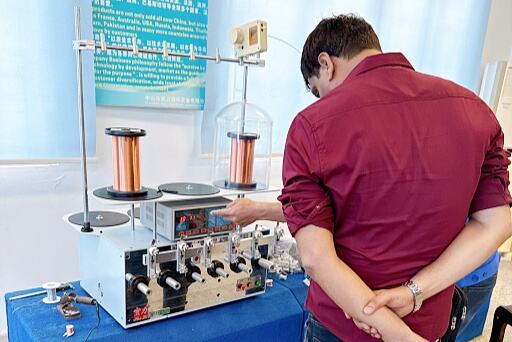
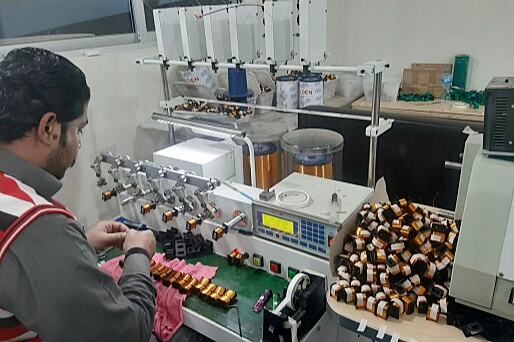
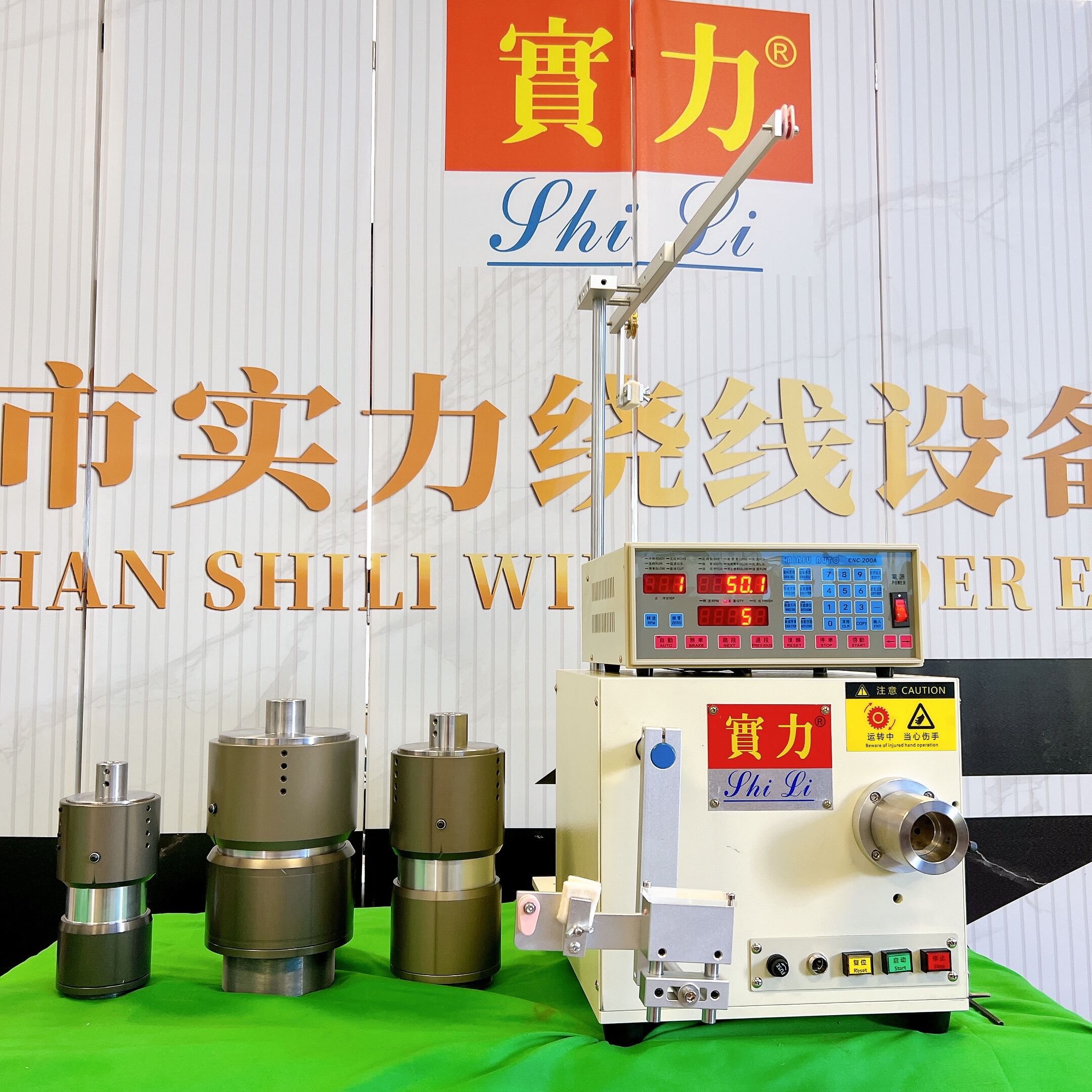
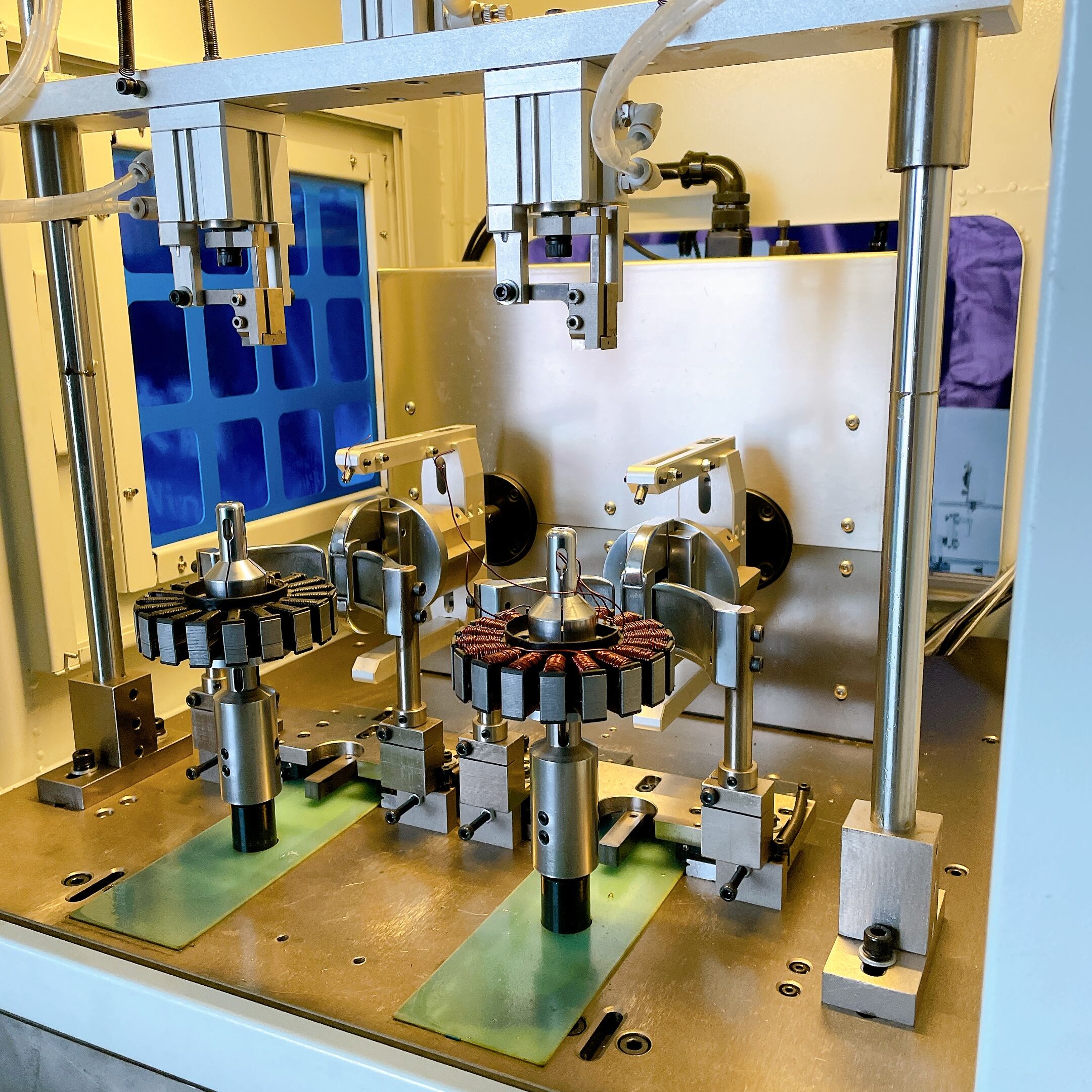
Bir tel bobin sarma makinesi, iletken telleri belirli bobin yapılarına otomatik olarak ve hassas bir şekilde saracak şekilde tasarlanmış karmaşık bir endüstriyel ekipmandır. Bu gelişmiş makine, modern elektromanyetik bileşen üretiminin temelini oluşturur ve endüktanslar, transformatörler, motorlar ile çeşitli elektronik bileşenlerin olağanüstü doğruluk ve tutarlılıkla üretimini sağlar. Tel bobin sarma makinesi, programlanabilir mandreller, tel kılavuzları, gerilim ayarlama sistemleri ve bilgisayar kontrollü üniteler gibi mekanik bileşenlerden oluşan dikkatle koordine edilmiş bir sistem üzerinden çalışır; bu bileşenler bir araya gelerek homojen bobin desenleri oluşturur. Bu makinelerin ana işlevi, ham tel malzemelerini katı boyutsal ve elektriksel özelliklere uygun olarak tam olarak sarılmış bobinlere dönüştürmektir. Günümüzün tel bobin sarma makineleri, hassas konumlandırma için servo tahrikli motorlar, otomatik çalışma sıraları için programlanabilir lojik denetleyiciler (PLC’ler) ve sarım süreci boyunca tel üzerinde sabit bir basıncı koruyan gelişmiş gerilim kontrol sistemleri gibi son teknoloji özelliklerini içerir. Bu teknolojik yetenekler, üreticilerin farklı tel kalınlıkları, sarım sayısı ve sarım desenlerine sahip bobinleri, olağanüstü tekrarlanabilirlikle üretmesini sağlar. Tel bobin sarma makinelerinin uygulama alanları, otomotiv elektroniği, yenilenebilir enerji sistemleri, telekomünikasyon ekipmanları ve tüketici elektroniği üretimi olmak üzere çok sayıda sektörü kapsar. Otomotiv uygulamalarında bu makineler, modern araçları çalıştıran ateşleme bobinleri, sensör bobinleri ve elektrik motoru sargılarını üretir. Yenilenebilir enerji sektörü, rüzgâr türbini jeneratörleri ve güneş paneli invertör bileşenlerinin üretiminde tel bobin sarma makinelerine dayanır. Telekomünikasyon şirketleri ise güç kaynakları ve sinyal işleme ekipmanları için transformatör bobinleri oluşturmak amacıyla bu makineleri kullanır. Günümüzün tel bobin sarma makinelerinin esnek yapısı, üreticilerin değişen üretim gereksinimlerine hızlıca uyum sağlamasını ve aynı zamanda günümüzün rekabetçi pazarında talep edilen yüksek kalite standartlarını korumasını sağlar.
 ×
×
 EN
EN