otomatik kablo sarma makinesi
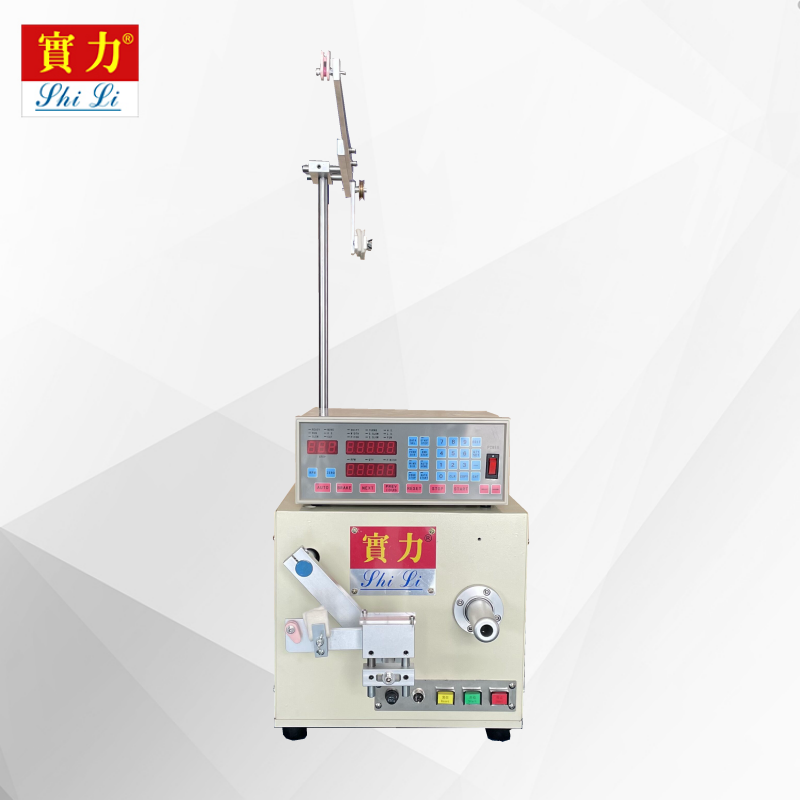
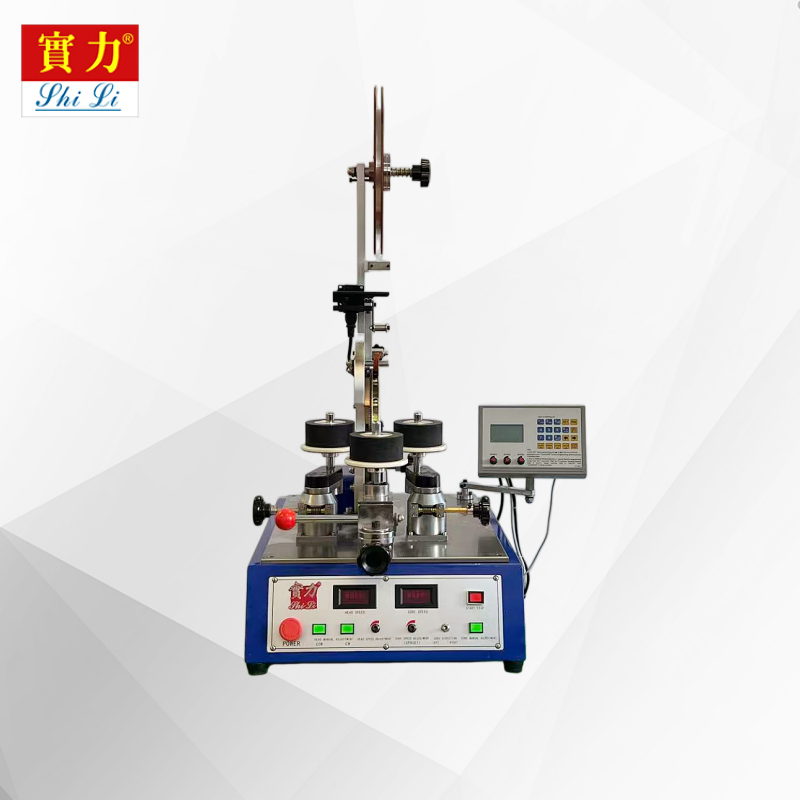
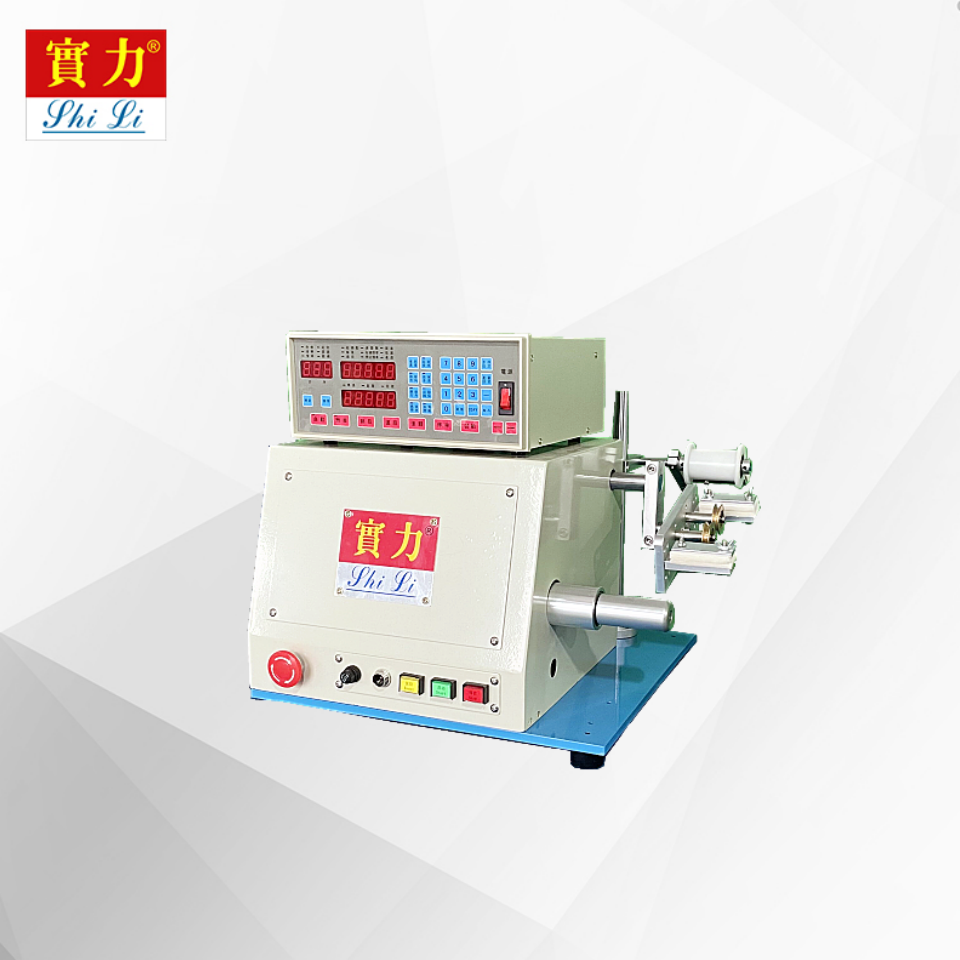
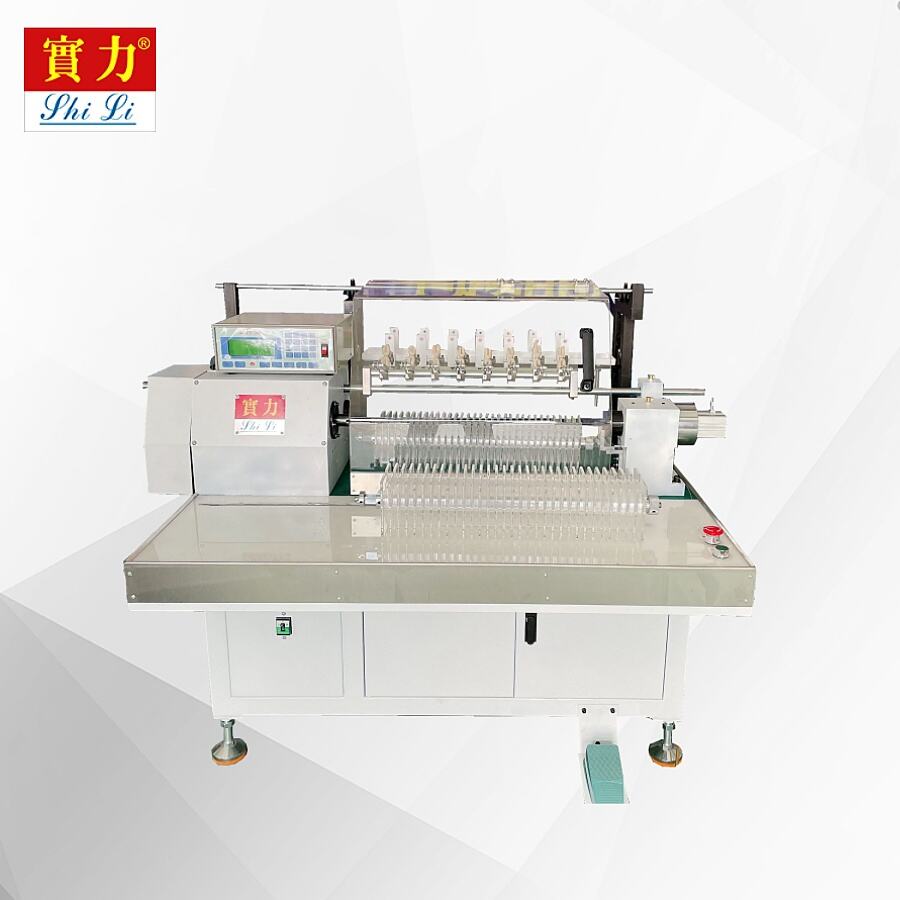
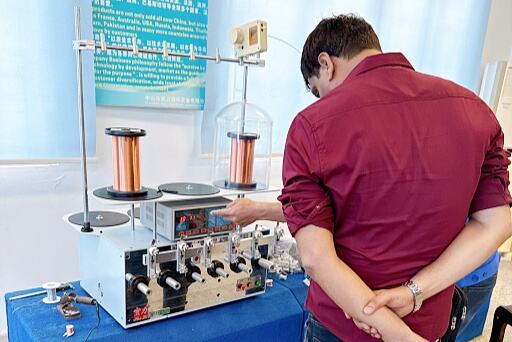
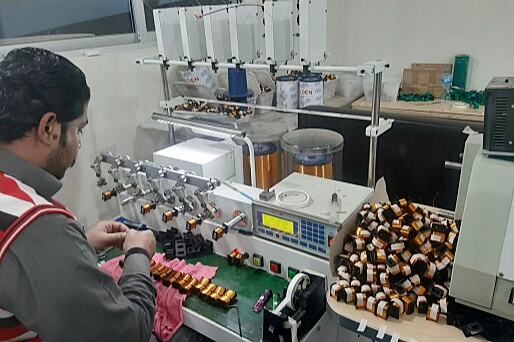
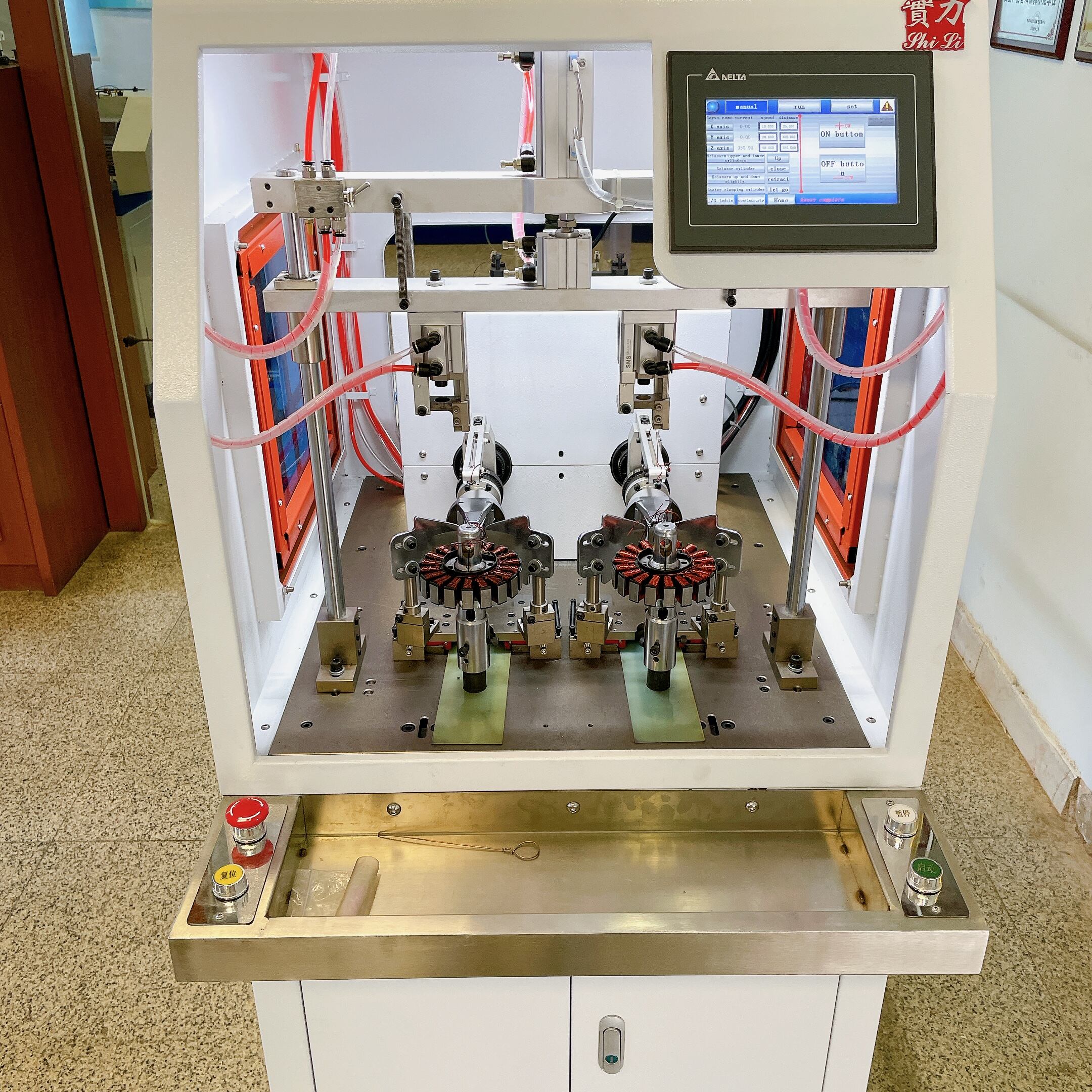
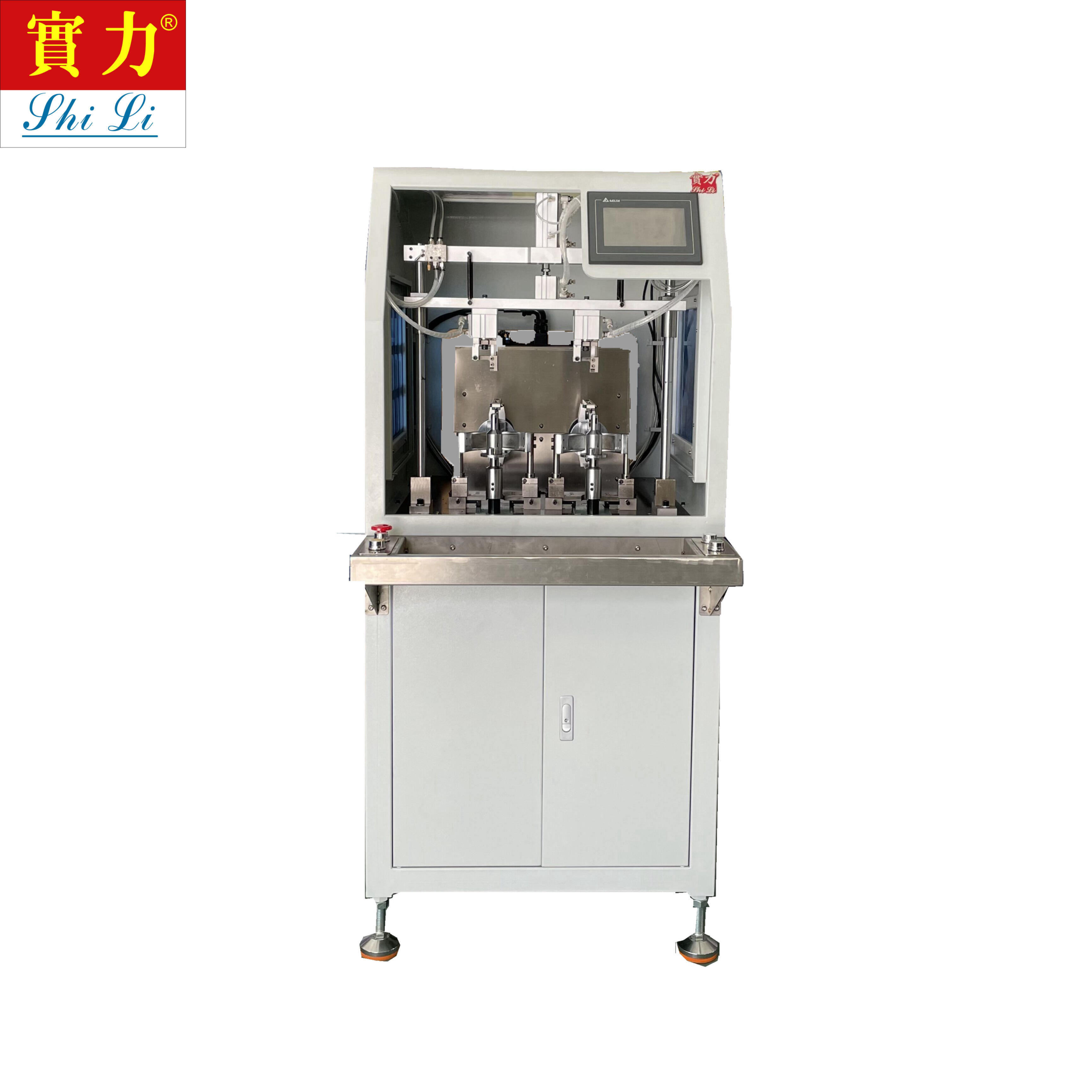
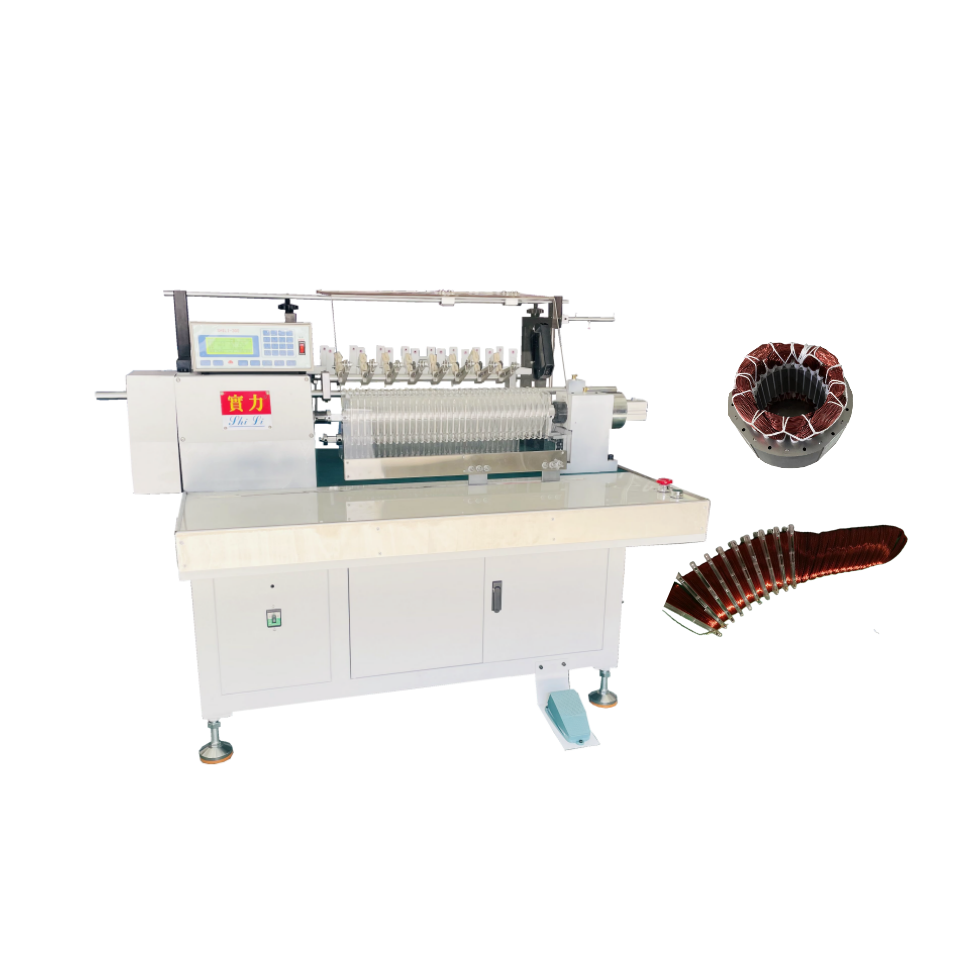
Otomatik tel sarma makinesi, telleri, kabloları ve iletkenleri dikkat çekici bir şekilde hassaslık ve verimlilikle sarma sürecini kolaylaştırmak amacıyla tasarlanmış karmaşık bir üretim çözümüdür. Bu gelişmiş sistemler, elektriksel bileşen üretimi sırasında geleneksel olarak önemli miktarda zaman ve kaynak tüketen elle yapılan yoğun emek gerektiren sarma işlemlerini ortadan kaldırır. Otomatik tel sarma makinesi, gerilimi, hızı, katmanlama desenlerini ve konumlandırmayı matematiksel doğrulukla yöneten programlanabilir kontroller aracılığıyla çalışır. Modern üniteler, farklı tel kalınlıkları, bobin boyutları ve sarım yapılandırmaları için operatörlerin belirli parametreleri ayarlamasını sağlayan servo motorlar, dijital ekranlar ve bilgisayarlaştırılmış arayüzler içerir. Ana işlevi, transformatörler, endüktörler, motorlar, selenoidler ve sayısız elektronik bileşen için tutarlı ve homojen bobinler oluşturmak üzerinedir. Teknolojik özellikler arasında, tel çapı ve malzeme özelliklerine göre sarım oranlarını ayarlayan değişken hız kontrol sistemleri yer alır. Gelişmiş modellerde otomatik tel besleme mekanizmaları, gerilim düzenleme sistemleri ve programlanabilir katman dağıtım kontrolleri bulunur. Bazı üniteler, tel yerleştirilmesinin kesinliğini sağlamak için lazer yönlendirme sistemleri ve sarım süreci boyunca kalite izlemesi için optik sensörler içerir. Sıcaklık izleme sistemi, uzun süreli işlemler sırasında aşırı ısınmayı önlerken acil durdurma mekanizmaları operatör güvenliğini sağlar. Makine, bakır, alüminyum, manyetik tel ve özel iletkenler gibi çeşitli tel türlerini işleyebilir; bu iletkenler ince çaplı telekomünikasyon kablolarından ağır yük taşıyan güç iletim tellerine kadar değişir. Uygulama alanları, otomotiv elektrik sistemleri, havacılık bileşenleri, yenilenebilir enerji ekipmanları, tüketici elektroniği ve endüstriyel makine üretimi olmak üzere çok sayıda sektörü kapsar. Bu makineler, küçük elektronik transformatörlerden büyük ölçekli güç dağıtım ekipmanlarına kadar her şeyin üretiminde vazgeçilmezdir. Esneklik, özel bobin yapılandırmalarına da uzanır; böylece üreticiler, üretim tutarlılığını ve tüm çıktılar üzerindeki kalite standartlarını korurken özel müşteri gereksinimlerini karşılayabilirler.
 ×
×
 EN
EN