 EN
EN


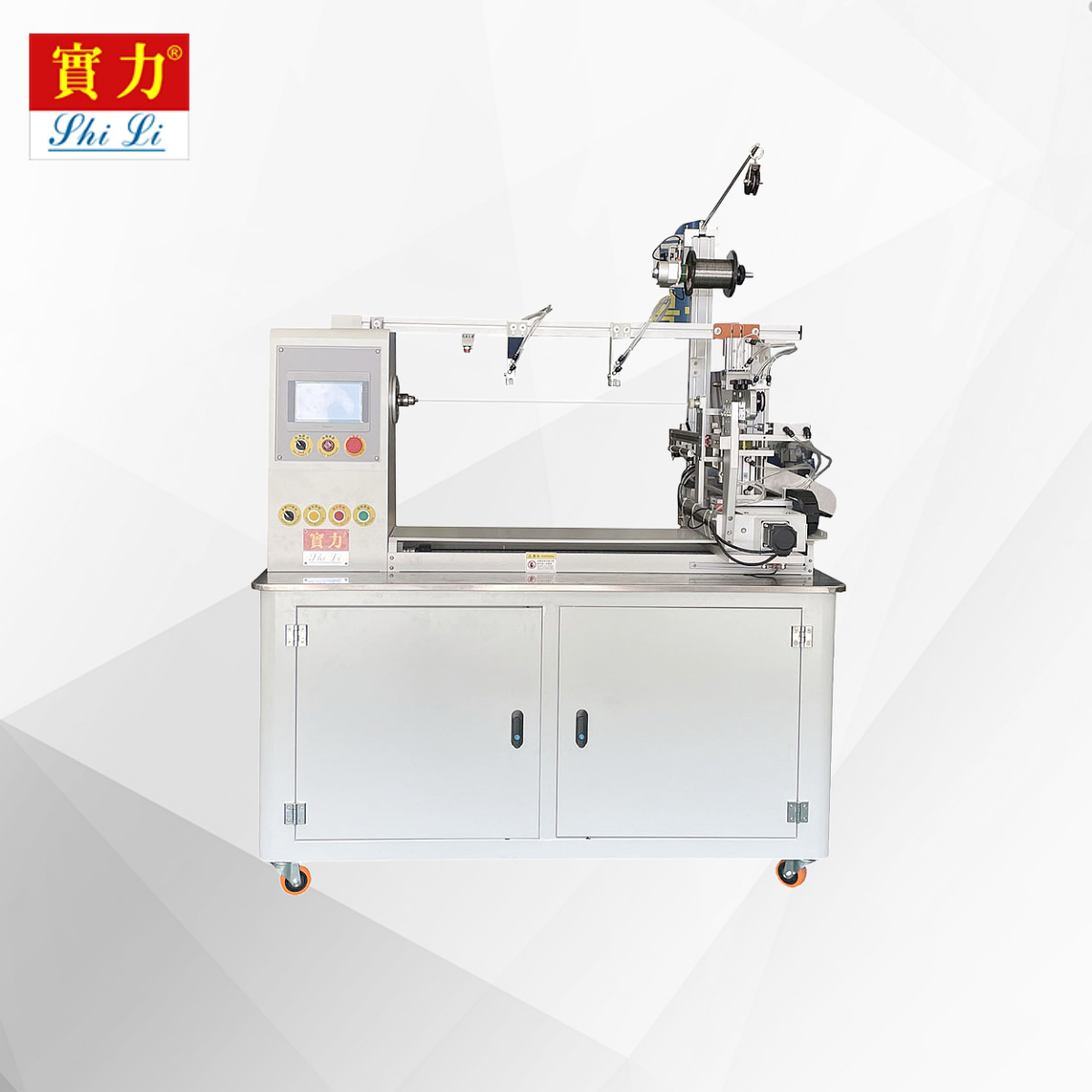
Operating a semi automatic winding machine efficiently requires more than just running production cycles. Understanding which maintenance tasks can be self-performed on a semi automatic winding machine is crucial for maintaining equipment reliability, reducing unexpected downtime, and extending the operational lifespan of your investment. Many facility operators believe that all maintenance must be outsourced to specialized technicians, but this assumption often leads to unnecessary expenses and prolonged production interruptions. In reality, numerous routine maintenance activities on a semi automatic winding machine can be safely and effectively performed by trained in-house staff, enabling you to maintain peak performance while controlling maintenance costs.
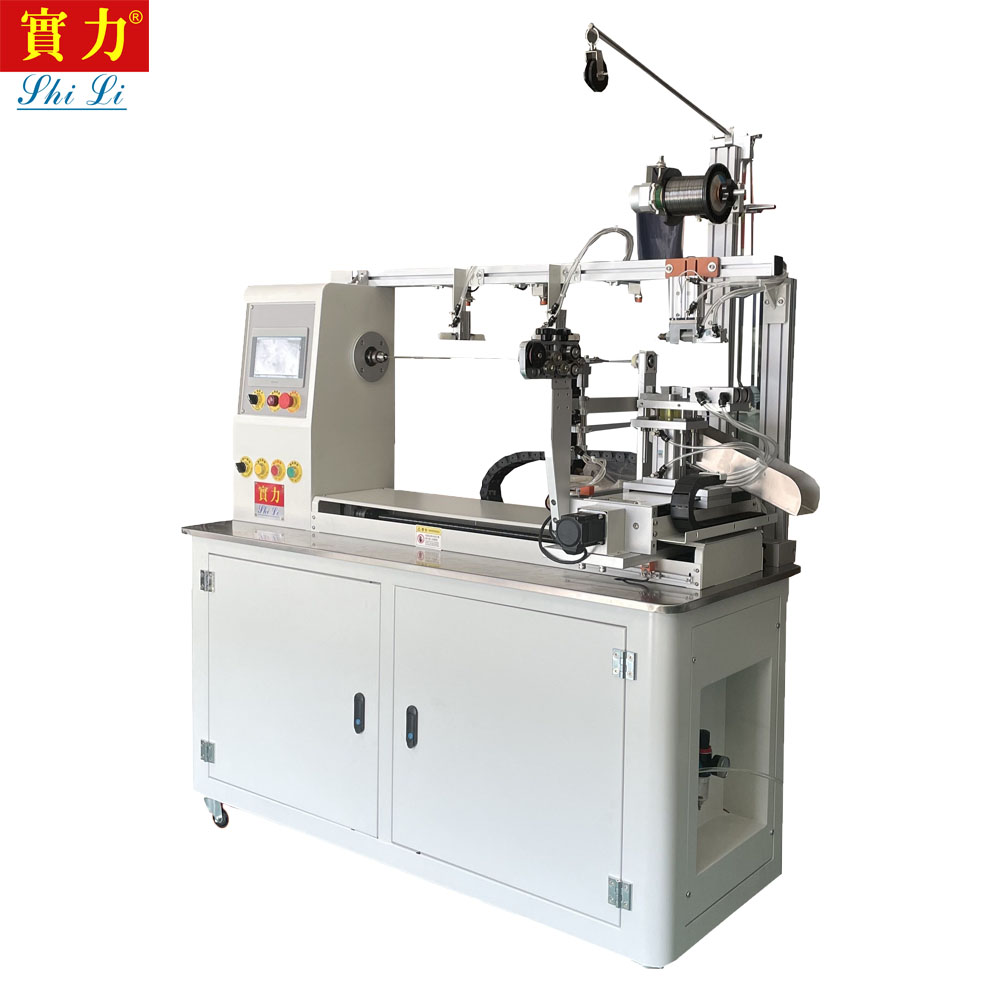
The distinction between self-performable and specialist maintenance on a semi automatic winding machine depends on task complexity, safety implications, and the specific design of your equipment. Basic preventive maintenance—such as cleaning, lubrication, visual inspections, and component adjustments—typically falls within the scope of operator or maintenance technician responsibilities. However, complex electrical diagnostics, motor rewinding, or calibration of precision components often require factory-trained specialists. This article explores the self-maintenance landscape for a semi automatic winding machine, detailing practical tasks your team can handle in-house while clarifying when professional intervention is necessary.
Routine Cleaning and Debris Management
Daily Surface and Component Cleaning
One of the most important yet underperformed maintenance tasks on a semi automatic winding machine is consistent cleaning. Dust, fiber fragments, and production residue accumulate on the machine's exterior, cooling fins, motor housing, and spindle area, compromising heat dissipation and risking bearing damage. Using compressed air, soft brushes, and lint-free cloths, operators can safely remove accumulated debris from accessible surfaces of a semi automatic winding machine without disassembly. This task should be performed daily or after each production run, depending on your operational environment. Proper cleaning prevents motor overheating, maintains visual clarity for monitoring operations, and reduces the likelihood of debris entering moving parts during production.
Internal Spindle and Bobbin Area Maintenance
The spindle area and bobbin assembly of a semi automatic winding machine are particularly prone to fiber and dust accumulation. Operators can carefully access these zones using compressed air and soft brushes to clear away winding byproducts. When clearing the internal components of a semi automatic winding machine, always ensure the machine is powered off and locked out according to safety protocols. Removing lint and fiber buildup from the bobbin insertion point and spindle flanges prevents misalignment issues and winding defects. This preventive cleaning on a semi automatic winding machine typically takes less than 15 minutes but can prevent costly production delays caused by jamming or misfeeds.
Lubrication and Bearing Care
Identifying Lubrication Points on Your Equipment
Proper lubrication is fundamental to extending the life of a semi automatic winding machine. Most manufacturers provide lubrication charts identifying bearing points, gear assemblies, and pivot joints that require periodic oiling. Before applying lubricant to a semi automatic winding machine, consult the equipment manual to confirm which locations require lubrication and what type of lubricant is recommended. Using the wrong lubricant or over-lubricating can damage seals, attract contaminants, and compromise bearing function. Self-maintenance on a semi automatic winding machine often includes applying light machine oil or specialized bearing grease to accessible points at prescribed intervals, typically every 200 to 500 operating hours depending on machine design and environmental conditions.
Safe Application Techniques for Self-Maintenance
When performing lubrication tasks on a semi automatic winding machine, apply lubricant in measured quantities using an oil can or grease applicator rather than oversaturating bearings. Wipe away excess lubricant from a semi automatic winding machine to prevent dust attraction and prevent slippage at motor-to-spindle coupling points. Always allow the machine to cool before lubricating hot-running components on a semi automatic winding machine, and perform lubrication during scheduled downtime rather than during operation. Monitor bearing temperature after lubrication to ensure normal operation; any significant rise in heat may indicate over-lubrication or bearing wear requiring professional inspection of your semi automatic winding machine.
Visual Inspections and Adjustment Tasks
Belt Tension and Alignment Checks
A semi automatic winding machine typically relies on belts or chain drives to transfer power from the motor to the spindle and tension mechanisms. Checking belt tension is a straightforward self-maintenance task that prevents slippage and uneven winding. A properly tensioned belt on a semi automatic winding machine will deflect approximately half an inch when pressed midway between pulleys. If your semi automatic winding machine exhibits belt slippage, indicated by inconsistent spindle speed or winding irregularities, tightening the tension bolts on the motor or pulley mount is often a simple adjustment. However, if repeated adjustments fail to resolve the issue, worn belts may require replacement—a task suitable for trained technicians if specialized pulley removal tools are needed.
Spindle Runout and Wobble Assessment
Spindle runout—excessive wobbling or eccentricity during rotation—directly impacts winding quality on a semi automatic winding machine. To assess spindle condition, operators can use a simple dial indicator placed against the spindle nose while the machine runs at low speed, checking for radial movement. If a semi automatic winding machine shows runout exceeding manufacturer specifications (typically 0.005 to 0.015 inches), bearing wear or spindle damage may be present. Minor spindle adjustments on a semi automatic winding machine, such as tightening bearing preload nuts, may be feasible for trained staff if tools and procedural documentation are available. Significant spindle issues, however, typically require professional bearing replacement or spindle reconditioning off-site.
Electrical Connection Inspection
Visual inspection of accessible electrical connections on a semi automatic winding machine helps prevent unexpected failures and safety hazards. Check that all visible terminal blocks, connectors, and plug connections remain secure and free of corrosion. Oxidation or loosened terminals on a semi automatic winding machine can cause inconsistent power delivery, intermittent operation, or component failure. If corrosion is present, disconnecting power and carefully cleaning terminals with a dry brush may restore proper contact. Tightening any visibly loose terminal fasteners on a semi automatic winding machine is also a suitable self-maintenance task. However, do not attempt to diagnose or repair internal electrical faults; such issues require professional semi automatic winding machine servicing.
Tension and Brake System Checks
Wire Tension Calibration and Adjustment
The wire tension system on a semi automatic winding machine directly determines winding quality and product consistency. Many operators can perform routine tension adjustments on a semi automatic winding machine by using calibrated weights or tension gauges according to the machine's setup documentation. If your semi automatic winding machine provides manual adjustment screws on the tension assembly, operators can fine-tune settings to match production specifications without factory support. Testing tension behavior with sample wire before production confirms that adjustments on a semi automatic winding machine have achieved desired results. However, if mechanical wear within the tension assembly itself compromises adjustment response, professional service of the tension mechanism on a semi automatic winding machine becomes necessary.
Brake Function and Release Mechanism Testing
The brake system on a semi automatic winding machine must reliably stop spindle rotation when activated to prevent safety hazards and product defects. Operators can test brake responsiveness by engaging the brake during low-speed operation and confirming that spindle stops promptly without dragging. If brake stopping time gradually increases, indicating wear, or if the brake on a semi automatic winding machine fails to engage fully, professional replacement is required. Self-maintenance of brake systems on a semi automatic winding machine typically extends only to visual inspection, cleanliness verification, and functional testing—actual brake pad replacement or internal repairs require specialized expertise.
FAQ
Which maintenance tasks on a semi automatic winding machine can untrained operators safely perform?
Untrained operators can perform basic cleaning, visual component inspections, and simple lubrication on a semi automatic winding machine under supervision. However, any work involving electrical systems, precision adjustments, or internal component removal should be reserved for trained technicians to prevent equipment damage or personal injury. Always consult your machine manual and follow lockout-tagout procedures when performing maintenance on a semi automatic winding machine.
How often should routine self-maintenance be performed on a semi automatic winding machine?
Daily cleaning and visual inspections should occur on a semi automatic winding machine before production begins. Lubrication intervals typically range from 200 to 500 operating hours depending on the specific semi automatic winding machine model and environment. Tension calibration and electrical connection checks should be performed weekly or as part of routine preventive maintenance schedules for your semi automatic winding machine.
What indicators suggest that professional service is needed for a semi automatic winding machine?
If your semi automatic winding machine exhibits abnormal noise, excessive spindle wobbling, intermittent electrical behavior, loss of tension control, or brake failure, professional service is required. Additionally, if self-performed adjustments on a semi automatic winding machine fail to resolve quality issues or operational problems, contacting the equipment manufacturer or authorized service provider ensures proper diagnosis and repair of your semi automatic winding machine.