 EN
EN


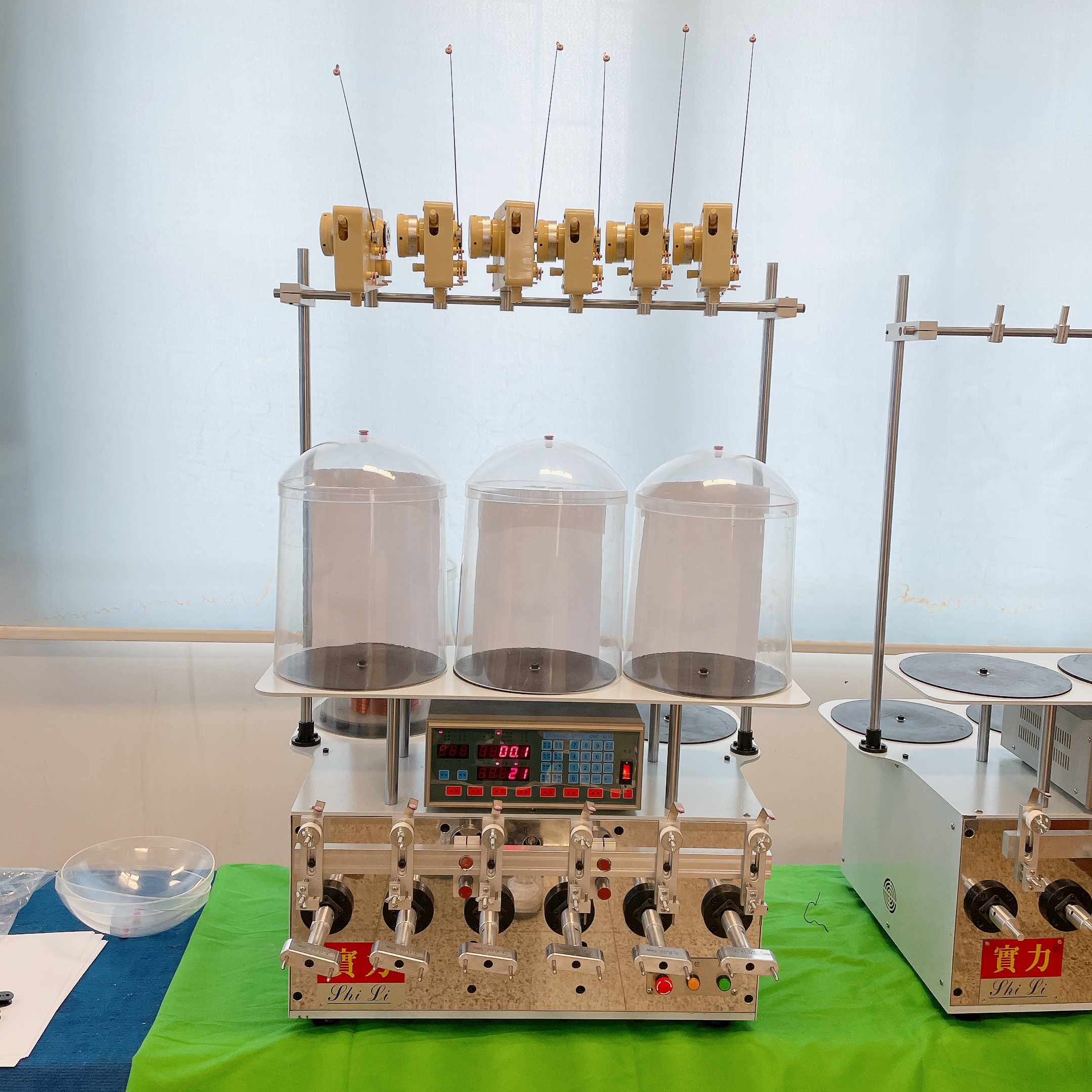
A high speed winding machine operates at intense rotational velocities, generating significant mechanical vibrations that can compromise product quality, reduce equipment lifespan, and create workplace safety hazards. Vibration control is not optional for modern industrial winding operations—it is a critical engineering requirement. Without proper vibration dampening methods, a high speed winding machine will experience premature bearing wear, coil misalignment, inconsistent tension distribution, and measurable output defects. Understanding how to effectively dampen vibrations in a high speed winding machine protects your capital investment and maintains manufacturing consistency.
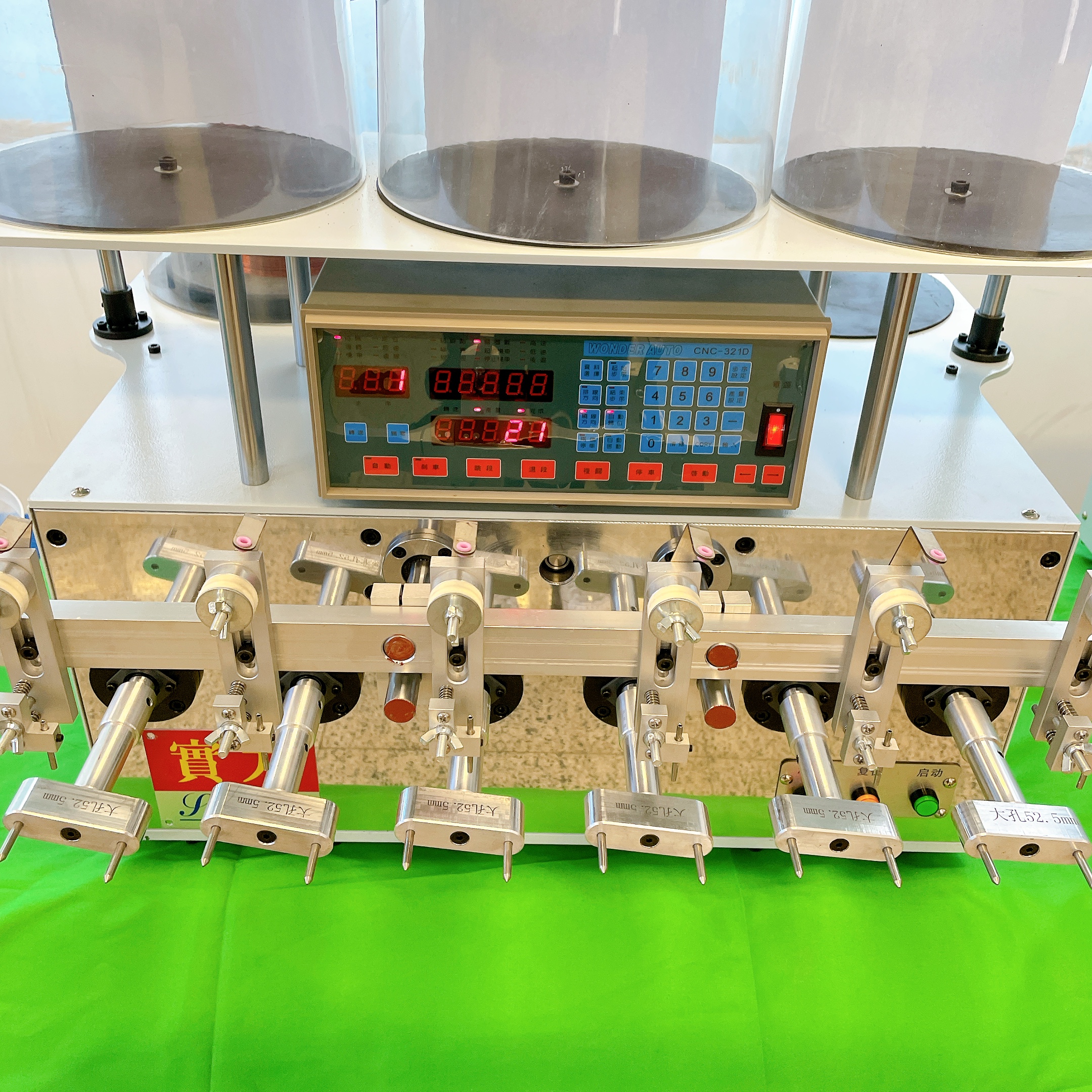
Industrial winding applications demand precision at high speeds, and vibration is the primary enemy of that precision. Whether you operate a high speed winding machine in textile production, wire manufacturing, cable assembly, or composite winding, vibration dampening methods directly affect your competitive performance. This guide explores proven technical approaches to isolate, absorb, and control vibration in a high speed winding machine, ensuring stable operation and reliable output quality.
Foundation and Isolation Techniques
Base Mounting and Elastic Isolation
The foundation of vibration control for a high speed winding machine begins with strategic mounting solutions. Rigid bolting directly to concrete foundations transmits all rotational imbalance directly into the facility structure, amplifying vibration throughout the building. Modern high speed winding machine operators use elastomeric isolators, spring-based mounts, and damping pads beneath the machine frame to decouple rotational energy from the building structure. These vibration dampening methods absorb energy at the source rather than allowing it to propagate upward into the machine's precision components.
Selecting the correct isolation stiffness for your high speed winding machine requires matching the natural frequency of the isolator system to machine operating speeds. If isolation frequency is too high, vibration transmission remains ineffective; if too low, the machine becomes unstable at startup or shutdown. Proper high speed winding machine isolation uses tuned elastomeric mounts that maintain stability across your full operational speed range while absorbing damaging frequencies.
Precision Alignment and Bearing Care
Misalignment between drive motors and spindle shafts generates excessive vibration in a high speed winding machine. Precision laser alignment during installation and quarterly realignment checks ensure that bearing loads remain centered and balanced. Worn or inadequate bearings amplify any existing imbalance exponentially at high speeds. High speed winding machine operators should use premium angular contact or cylindrical roller bearings rated for the specific speeds and loads, with regular lubrication schedules to maintain internal clearance tolerances.
Active and Passive Dampening Systems
Passive Damping Materials
Passive vibration dampening methods integrate energy-absorbing materials directly into a high speed winding machine's structure. Viscoelastic polymer layers applied to spindle tubes, frame members, and cover panels convert mechanical vibration into thermal energy through internal friction. A high speed winding machine equipped with passive damping materials experiences measurable noise reduction and improved structural stiffness without requiring external power or complex controls. Constrained-layer damping, where elastomer films are sandwiched between metal sheets, provides particularly effective vibration control in rotating elements of a high speed winding machine.
Balancing and Dynamic Control
Every high speed winding machine develops rotational imbalance during manufacture and installation. Dynamic balancing of spindles, armatures, and guide rollers eliminates the primary vibration source before dampening methods are applied. Modern high speed winding machine facilities employ precision balancing machines to verify imbalance tolerances at operating speed. Some advanced high speed winding machine designs include active balancing systems that electronically adjust counterweights or apply corrective magnetic forces to maintain balance across changing load conditions and wear patterns.
Operational Integration and Monitoring
Damping in Drive and Coupling Systems
The connection between motor and spindle significantly influences vibration transmission in a high speed winding machine. Elastomeric flexible couplings absorb torsional vibration and misalignment-induced shock loads better than rigid couplings. Many modern high speed winding machine designs incorporate damping flywheels or torsional vibration dampers between drive and load to smooth torque pulses. These vibration dampening methods reduce peak stress on bearings and gearboxes while improving the consistency of tension and feed control throughout the winding process.
Maintenance and Diagnostics
A high speed winding machine requires ongoing vibration monitoring to maintain dampening effectiveness. Accelerometers positioned on machine frames detect early bearing degradation, misalignment drift, and component wear before they generate destructive vibration levels. Predictive maintenance programs for a high speed winding machine use vibration trending to schedule bearing replacement, realignment, or damping material renewal before product quality suffers. Regular inspection of isolation mounts, damping pads, and coupling conditions ensures that vibration dampening methods continue protecting your equipment investment.
FAQ
How much vibration is acceptable in a high speed winding machine?
Most industrial standards specify that a high speed winding machine should operate below 7.1 millimeters per second peak vibration velocity during normal production. Specific tolerances depend on machine type, spindle speed, and application. Continuous monitoring of your high speed winding machine vibration levels allows early detection of degradation before output quality declines.
What is the cost impact of vibration dampening methods on a high speed winding machine?
Implementing vibration dampening methods for a high speed winding machine typically adds 8–15 percent to initial capital cost, but extends machine life by 30–50 percent and prevents costly downtime from bearing failure. The high speed winding machine investment in proper isolation, balancing, and damping materials returns significant value through improved uptime, reduced scrap rates, and extended equipment service life.
Can vibration dampening methods improve winding precision in a high speed winding machine?
Yes, effective vibration dampening methods directly improve winding precision by reducing spindle runout, stabilizing tension control, and minimizing coil geometry variation. A high speed winding machine operating with comprehensive vibration control produces more consistent coil specifications, reduces rework, and improves first-pass quality rates across all production speeds.