Fully Automatic Armature Winding Machine - Advanced Motor Manufacturing Technology

Get a Free Quote

Our representative will contact you soon.
Email
Name
Company Name
Message
0/1000

fully automatic armature winding machine

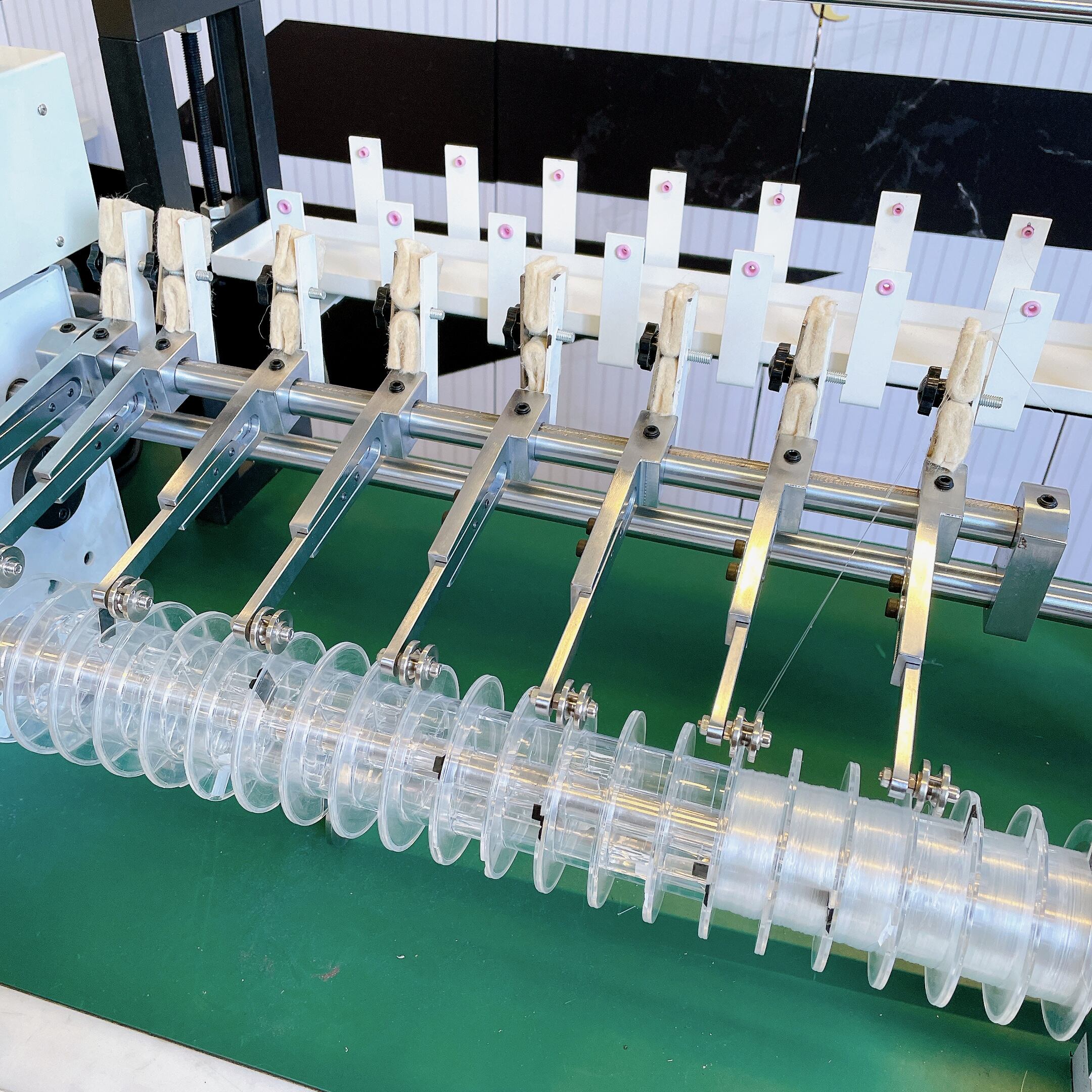
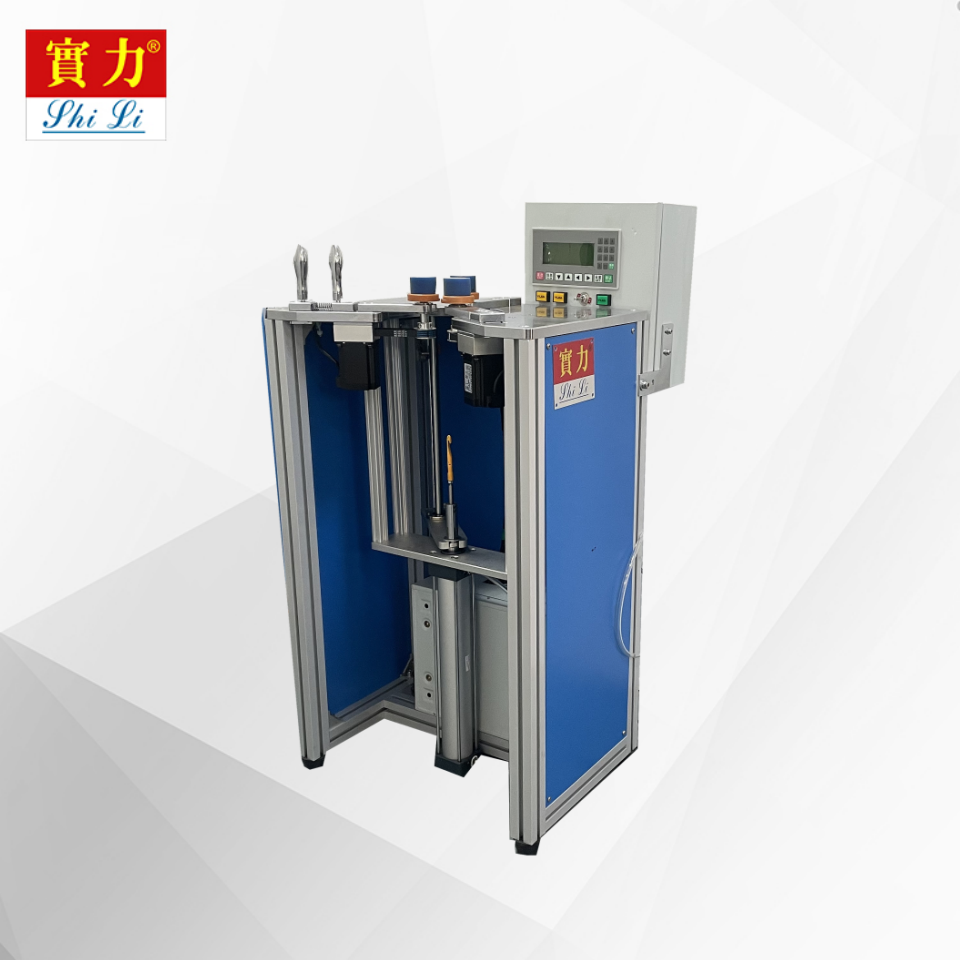
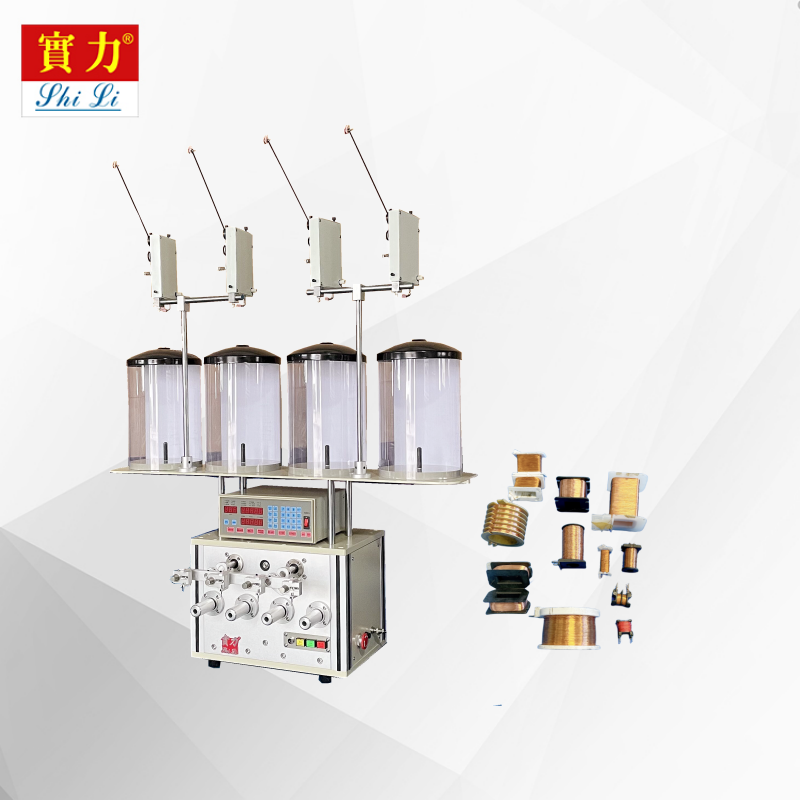
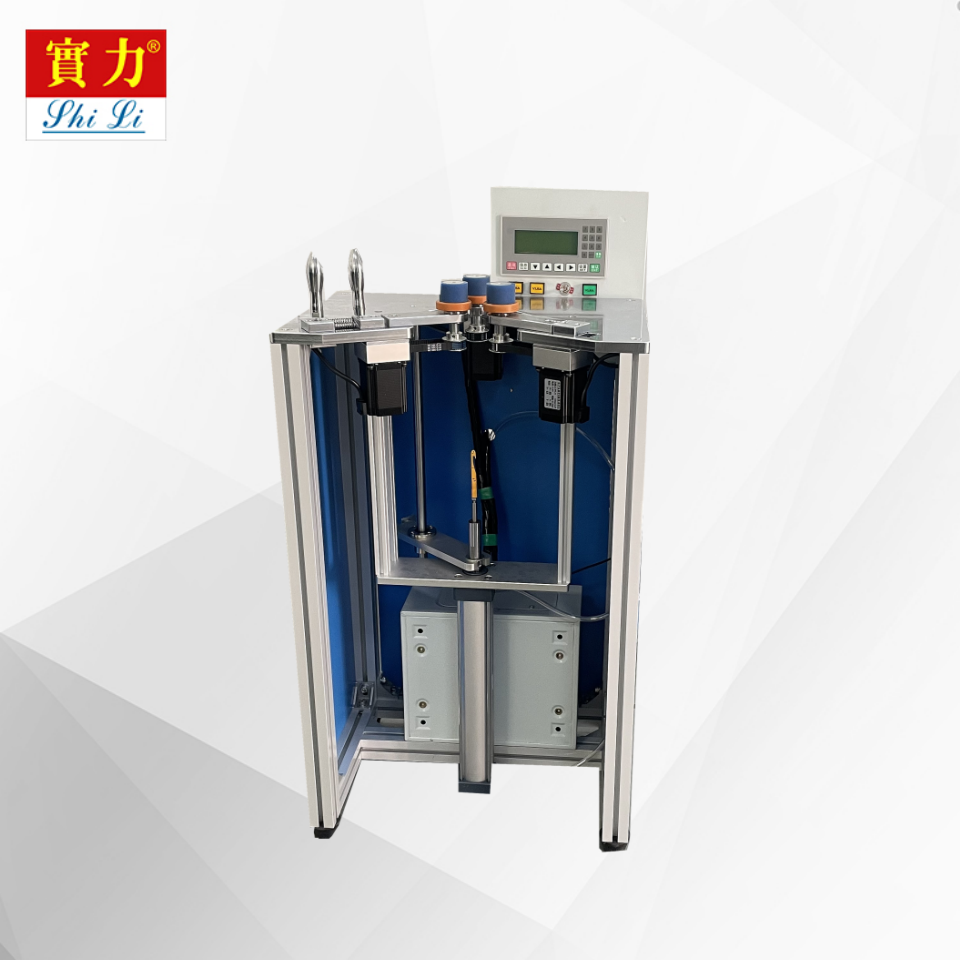
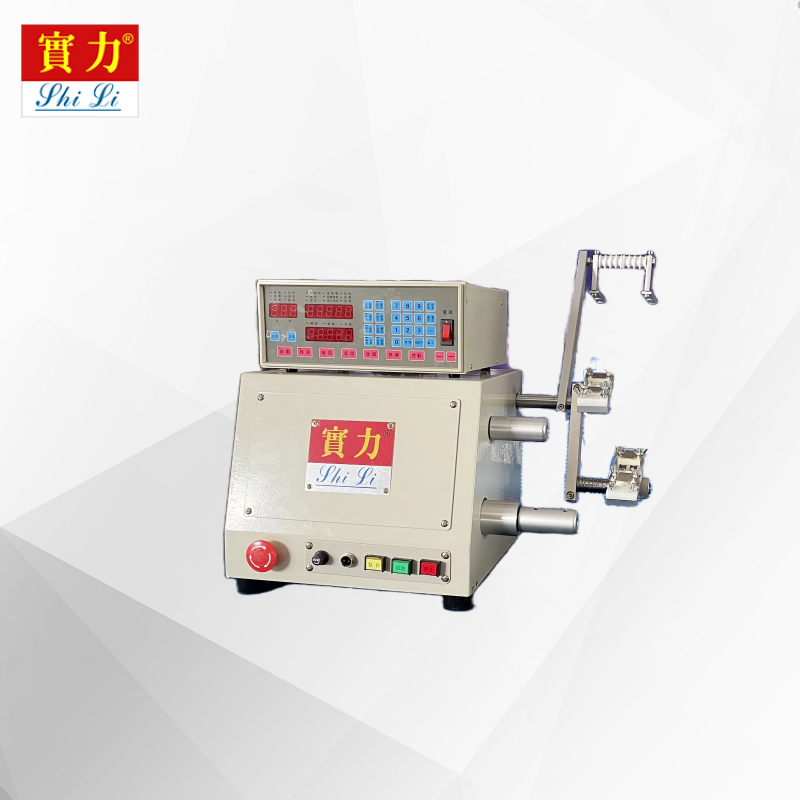
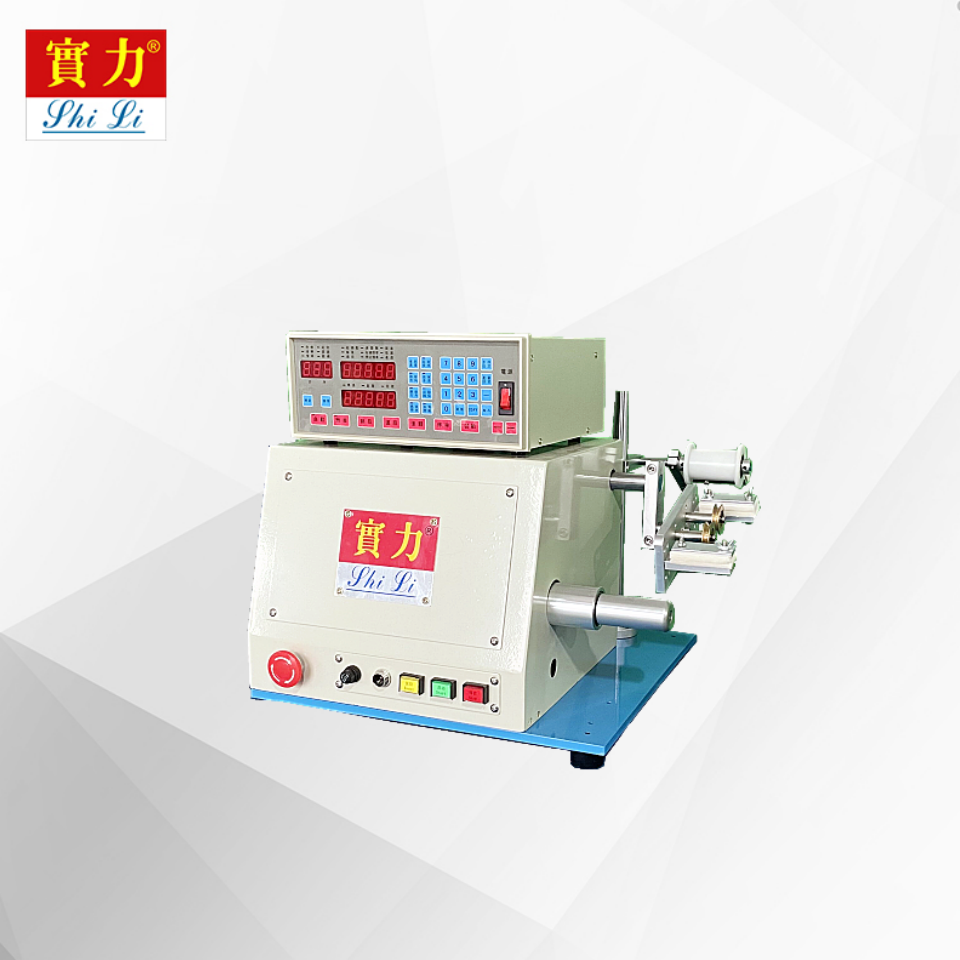
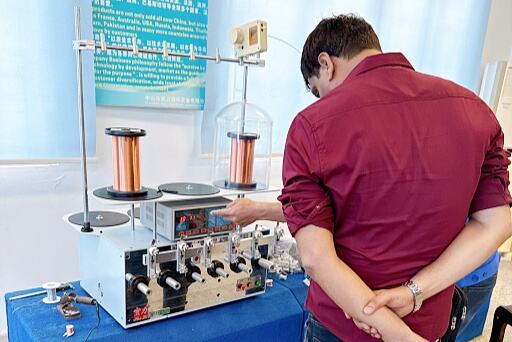
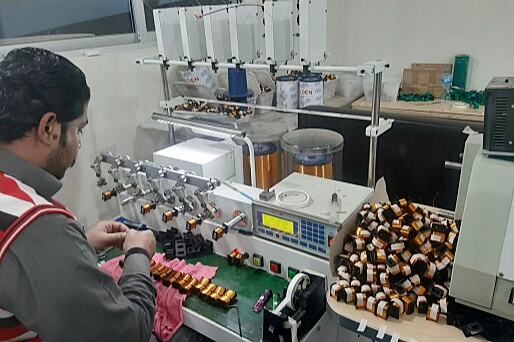
The fully automatic armature winding machine represents a revolutionary advancement in electrical motor manufacturing technology, designed to streamline the complex process of winding copper wire around armature cores with unprecedented precision and efficiency. This sophisticated equipment serves as the backbone of modern motor production facilities, where consistent quality and high-volume output are paramount requirements. The fully automatic armature winding machine integrates cutting-edge servo control systems, intelligent programming capabilities, and robust mechanical components to deliver superior performance in industrial environments. At its core, the machine functions by automatically feeding, tensioning, and precisely positioning copper wire according to predetermined winding patterns, eliminating manual intervention while maintaining exceptional accuracy. The technological features of this advanced equipment include programmable logic controllers that manage complex winding sequences, servo-driven wire tensioning systems that ensure uniform coil density, and sophisticated positioning mechanisms that guarantee proper wire placement across multiple slots. The machine incorporates real-time monitoring sensors that continuously track winding parameters, detecting any deviations from specified tolerances and automatically adjusting operations to maintain consistent quality standards. Variable speed control systems allow operators to optimize winding speeds based on wire gauge and armature specifications, while integrated safety features protect both equipment and personnel during operation. The fully automatic armature winding machine finds extensive applications across diverse industries, including automotive starter and alternator production, household appliance motor manufacturing, industrial motor assembly, and power tool production facilities. These machines excel in environments requiring high-volume production of standardized armatures, where consistent winding quality directly impacts final product performance and reliability. The equipment accommodates various armature sizes and configurations, making it versatile enough to handle different motor specifications within a single production line, thereby maximizing manufacturing flexibility and operational efficiency.
Popular Products

The fully automatic armature winding machine delivers substantial operational benefits that directly translate into improved productivity and profitability for manufacturing facilities. Production speed increases dramatically compared to manual or semi-automatic methods, with modern machines capable of completing complex winding patterns in a fraction of the time required by traditional approaches. This enhanced speed enables manufacturers to meet demanding production schedules while reducing labor costs associated with manual winding operations. Quality consistency represents another significant advantage, as the fully automatic armature winding machine eliminates human error variables that often compromise winding uniformity in manual processes. The machine maintains precise wire tension throughout each winding cycle, ensuring optimal electrical performance and mechanical stability in finished armatures. Automated systems also reduce material waste by optimizing wire usage patterns and minimizing scrap generation during production runs. Labor cost reduction emerges as a compelling economic benefit, as a single operator can supervise multiple machines simultaneously, dramatically improving labor productivity ratios compared to manual winding operations. The fully automatic armature winding machine requires minimal operator intervention once programmed, freeing skilled workers to focus on higher-value tasks such as quality control and maintenance activities. Setup time decreases significantly through programmable memory systems that store winding parameters for different armature types, enabling rapid changeovers between production runs without extensive manual adjustments. Maintenance requirements remain minimal due to robust construction and self-diagnostic capabilities that identify potential issues before they impact production schedules. Energy efficiency improvements result from optimized motor control systems that consume less power while delivering superior performance compared to older mechanical systems. The machines integrate seamlessly with existing production lines, supporting automated material handling systems and quality inspection equipment to create fully integrated manufacturing cells. Data collection capabilities provide valuable production insights, enabling continuous process improvements and predictive maintenance scheduling. Return on investment typically occurs within 12-18 months through combined savings in labor costs, improved quality yields, and increased production capacity. The fully automatic armature winding machine also enhances workplace safety by reducing repetitive strain injuries associated with manual winding operations while eliminating exposure to moving machinery components.

Practical Tips

Solve Solenoid Valve Coil Production Pain Points for India | Easy Operation Guide

05

Feb

Solve Solenoid Valve Coil Production Pain Points for India | Easy Operation Guide

View More
Bangladesh Client Raves: Efficiency + Stable Quality

05

Feb

Bangladesh Client Raves: Efficiency + Stable Quality

View More
Turkey Full Container Shipment: Rave Reviews & Repeat Orders

05

Feb

Turkey Full Container Shipment: Rave Reviews & Repeat Orders

View More

Get a Free Quote

Our representative will contact you soon.
Email
Name
Company Name
Message
0/1000

fully automatic armature winding machine

Advanced Servo Control Technology for Precision Winding

Advanced Servo Control Technology for Precision Winding

The heart of every fully automatic armature winding machine lies in its sophisticated servo control technology, which represents the pinnacle of modern automation engineering. This advanced system employs high-resolution servo motors coupled with precision encoders to achieve micron-level accuracy in wire positioning and tension control throughout the winding process. The servo control technology enables the machine to execute complex winding patterns with mathematical precision, ensuring that each turn of copper wire is placed exactly where specified in the programming parameters. This level of control is particularly crucial when manufacturing armatures for high-performance motors where even minor variations in winding geometry can significantly impact electrical characteristics and overall motor efficiency. The fully automatic armature winding machine utilizes closed-loop feedback systems that continuously monitor servo motor positions and automatically compensate for any deviations from programmed paths. This real-time adjustment capability ensures consistent winding quality regardless of variations in wire diameter, armature tolerances, or ambient operating conditions. The servo control system also manages wire tensioning with exceptional precision, maintaining optimal force levels that prevent wire stretching while ensuring proper coil compaction. Variable tension control becomes particularly important when working with different wire gauges or when transitioning between winding layers, as the system automatically adjusts tension parameters to maintain uniform coil density throughout the entire armature. Advanced interpolation algorithms enable smooth motion profiles that minimize mechanical stress on both the wire and armature core, extending component life while maintaining superior winding quality. The programmable nature of servo control systems allows manufacturers to store unlimited winding patterns in machine memory, facilitating rapid production changeovers and enabling the same equipment to handle diverse armature specifications without manual reconfiguration. Diagnostic capabilities built into the servo control system provide real-time performance monitoring and predictive maintenance alerts, helping prevent unexpected downtime while optimizing overall equipment effectiveness.
Intelligent Programming and Memory Systems for Versatile Production

Intelligent Programming and Memory Systems for Versatile Production

Modern fully automatic armature winding machines incorporate intelligent programming systems that revolutionize production flexibility and operational efficiency in motor manufacturing environments. These sophisticated software platforms enable operators to create, modify, and store complex winding patterns through intuitive user interfaces that require minimal technical expertise to operate effectively. The programming system translates engineering specifications into precise machine instructions, automatically calculating optimal wire paths, layer transitions, and termination points based on armature geometry and electrical requirements. This intelligent approach eliminates the guesswork traditionally associated with winding setup while ensuring consistent results across production runs. The memory capabilities of the fully automatic armature winding machine allow manufacturers to maintain extensive libraries of proven winding programs, enabling rapid deployment of previously validated configurations without time-consuming setup procedures. Database functionality organizes winding programs by armature type, customer specifications, or production requirements, making it simple for operators to locate and load appropriate settings for each production run. Version control features track program modifications and maintain historical records of successful configurations, supporting quality assurance processes and continuous improvement initiatives. The programming system also incorporates simulation capabilities that allow operators to visualize winding patterns before actual production begins, identifying potential issues or optimization opportunities without consuming materials or machine time. Advanced parameter optimization algorithms analyze winding requirements and automatically suggest optimal settings for wire speed, tension, and positioning parameters based on historical performance data and engineering best practices. Integration capabilities enable the fully automatic armature winding machine to communicate with enterprise resource planning systems and manufacturing execution software, supporting automated production scheduling and real-time progress reporting. Remote programming access allows engineering teams to develop and refine winding programs offline, then upload completed configurations to production machines during scheduled maintenance windows. The system maintains detailed production logs that track winding parameters for each completed armature, supporting traceability requirements and enabling statistical process control analysis for continuous quality improvement initiatives.
Integrated Quality Control and Real-Time Monitoring Systems

Integrated Quality Control and Real-Time Monitoring Systems

The fully automatic armature winding machine incorporates comprehensive quality control and monitoring systems that ensure consistent product quality while minimizing defective output and production waste. These integrated systems employ multiple sensor technologies to continuously monitor critical winding parameters throughout the production process, providing immediate feedback on wire tension, positioning accuracy, and coil formation quality. Vision systems utilize high-resolution cameras and advanced image processing algorithms to inspect wire placement and detect potential defects such as crossed wires, improper layer formation, or inadequate slot fill ratios. Real-time monitoring capabilities enable the machine to identify quality issues as they occur rather than discovering problems during post-production inspection, significantly reducing scrap rates and rework requirements. The quality control system maintains statistical process control charts that track key winding parameters over time, identifying trends that might indicate developing issues before they impact product quality. Automated reject systems immediately remove defective armatures from the production line when monitoring systems detect parameters outside acceptable tolerances, preventing substandard products from advancing to subsequent manufacturing operations. Data logging capabilities create comprehensive quality records for each produced armature, supporting traceability requirements and enabling detailed analysis of quality trends and process capabilities. The fully automatic armature winding machine integrates seamlessly with existing quality management systems, automatically generating inspection reports and maintaining quality databases that support ISO certification requirements and customer quality audits. Predictive quality algorithms analyze historical data patterns to identify optimal operating windows and recommend preventive adjustments before quality issues develop. Calibration management features ensure that all monitoring sensors maintain accuracy over time, automatically scheduling calibration intervals and alerting operators when sensor performance degrades beyond acceptable limits. The system provides real-time quality dashboards that display current production status, quality metrics, and trend analysis, enabling operators and quality personnel to make informed decisions about process adjustments and maintenance scheduling. Alarm systems immediately notify operators of quality excursions or equipment malfunctions, minimizing the impact of quality issues on overall production efficiency. Integration with customer quality specifications ensures that monitoring parameters align with specific requirements for different armature types and applications.

Get a Free Quote

Our representative will contact you soon.
Email
Name
Company Name
Message
0/1000
Newsletter
Please Leave A Message With Us