Transformer Coil Winding Machine Price Guide: Advanced Automation Solutions for Precision Manufacturing

Get a Free Quote

Our representative will contact you soon.
Email
Name
Company Name
Message
0/1000

transformer coil winding machine price

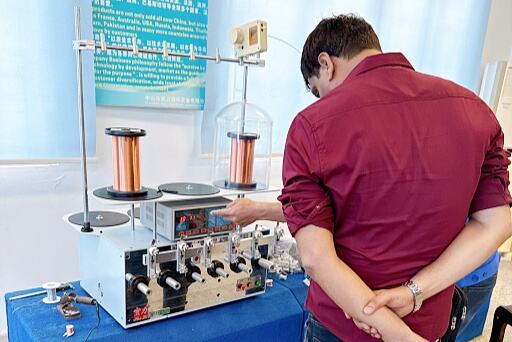
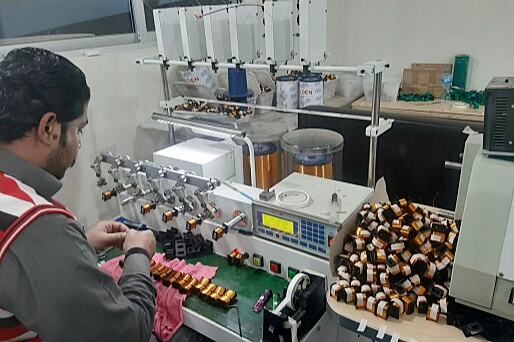
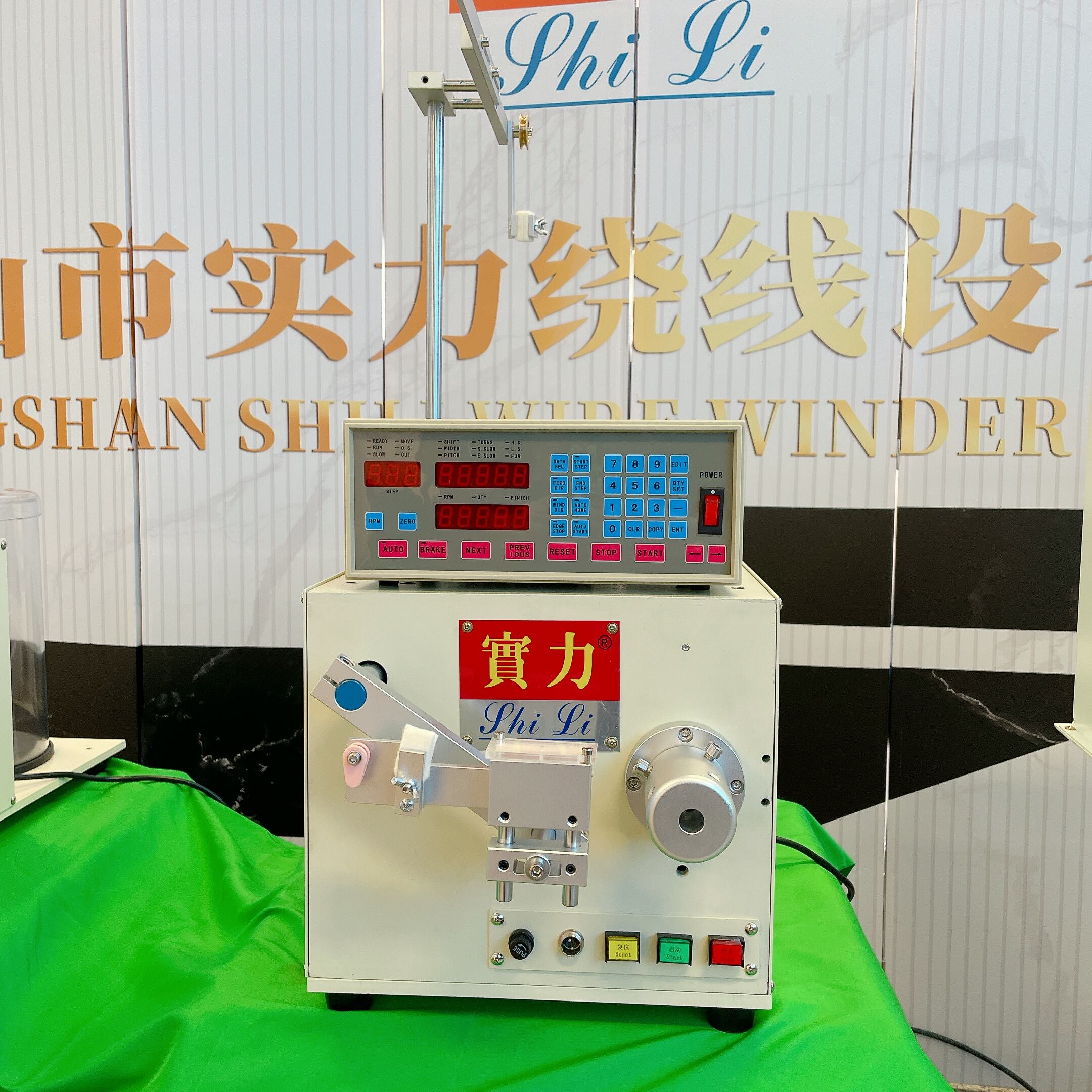
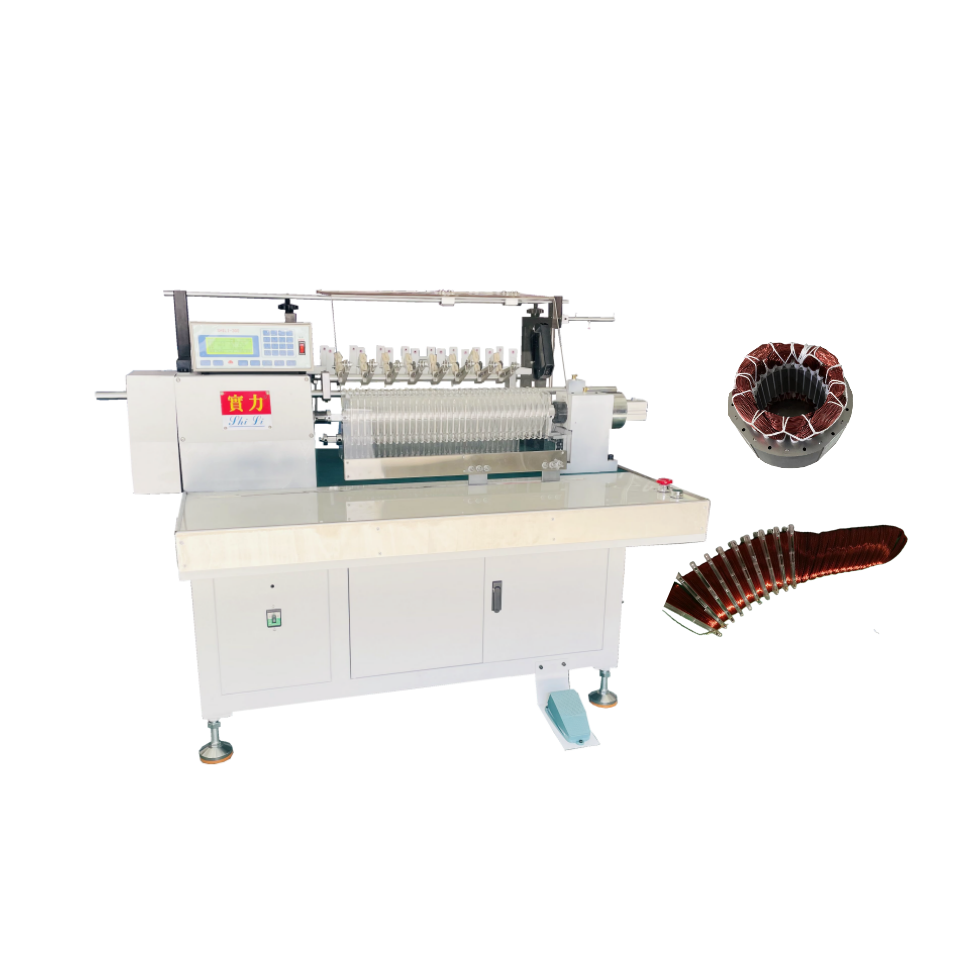
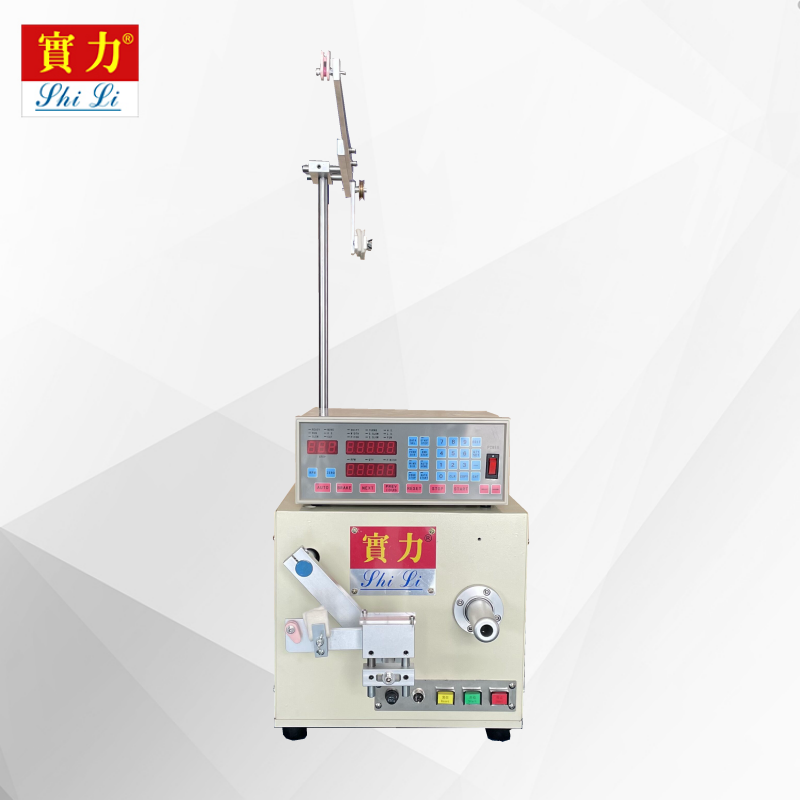
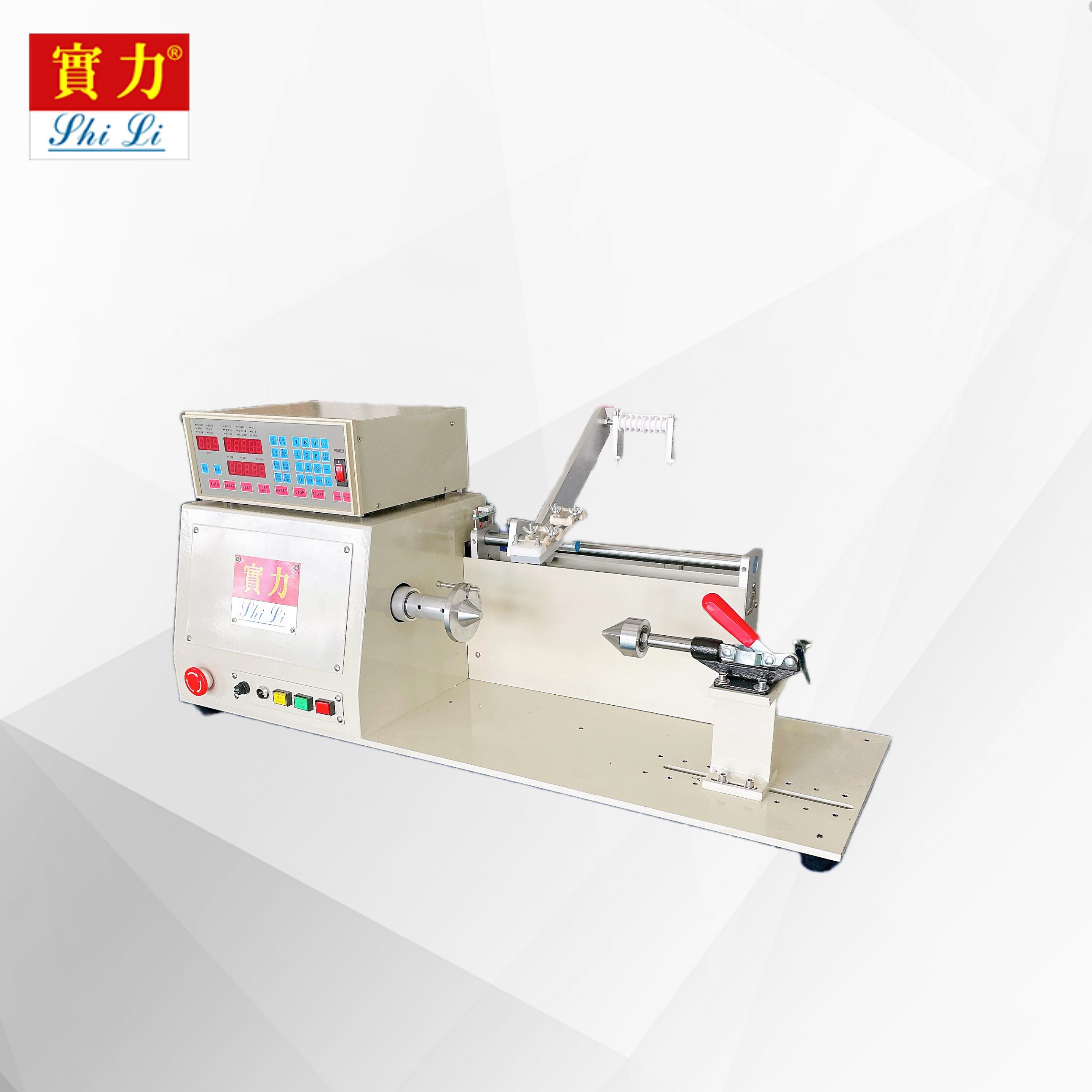
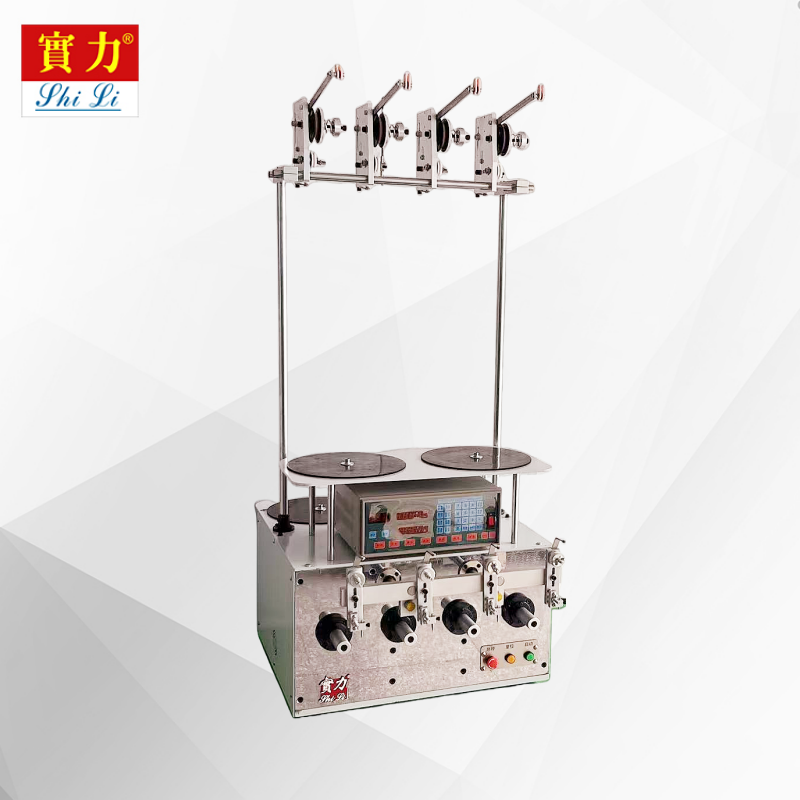
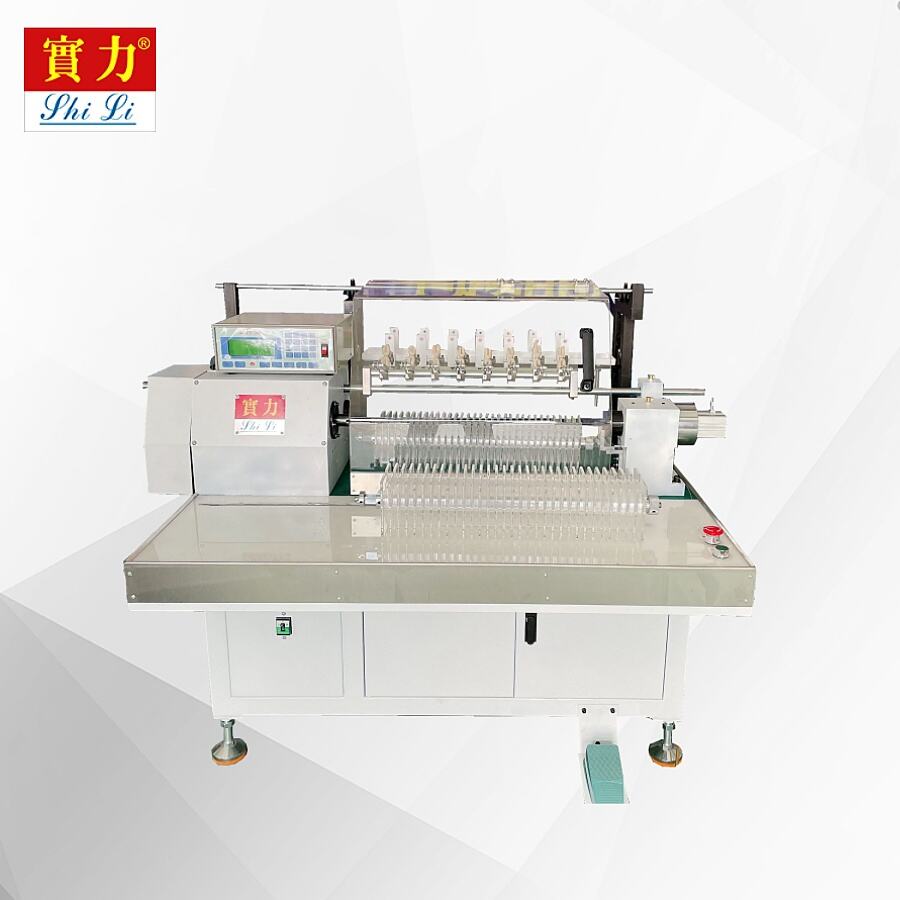
Transformer coil winding machines represent sophisticated manufacturing equipment designed to automate the precise winding of electrical coils used in transformers, inductors, and various electromagnetic devices. The transformer coil winding machine price varies significantly based on technological complexity, production capacity, and advanced features integrated into the system. These machines perform critical functions including automatic wire feeding, tension control, layer counting, and programmable winding patterns that ensure consistent coil quality and dimensional accuracy. Modern transformer coil winding machines incorporate computerized control systems that enable operators to program complex winding sequences, adjust winding speeds, and monitor production parameters in real-time. The technological features of contemporary machines include servo motor drives for precise positioning, automatic wire guide systems, tension monitoring devices, and quality control sensors that detect irregularities during the winding process. Advanced models feature touchscreen interfaces, data logging capabilities, and remote monitoring options that enhance operational efficiency and reduce manual intervention requirements. Applications for transformer coil winding machines span across electrical manufacturing industries, including power transformer production, distribution transformer assembly, instrument transformer manufacturing, and specialty coil fabrication for renewable energy systems. The transformer coil winding machine price reflects the substantial engineering investment required to develop equipment capable of handling various wire gauges, coil geometries, and production volumes. Manufacturing facilities utilize these machines to produce high-frequency transformers, toroidal transformers, and custom electromagnetic components that meet stringent electrical performance specifications. The pricing structure typically considers factors such as winding capacity, automation level, precision requirements, and additional features like automatic taping systems or integrated testing capabilities that enhance overall production value.

Popular Products

Investing in transformer coil winding machines delivers substantial operational benefits that justify the transformer coil winding machine price through improved productivity and quality outcomes. These machines eliminate human error in coil winding processes, ensuring consistent wire placement and uniform layer distribution that directly impacts transformer performance and reliability. Automated winding systems significantly reduce production time compared to manual methods, enabling manufacturers to meet demanding delivery schedules while maintaining quality standards. The precision control capabilities of modern machines minimize material waste by optimizing wire usage and reducing rejection rates due to manufacturing defects. Labor cost savings represent another compelling advantage, as single operators can supervise multiple machines simultaneously, reducing workforce requirements and associated overhead expenses. Quality consistency achieved through automated winding processes translates into improved customer satisfaction and reduced warranty claims, protecting brand reputation and market position. The transformer coil winding machine price becomes cost-effective when considering the elimination of rework costs associated with manually wound coils that fail quality inspections. Production scalability offers manufacturers flexibility to adjust output volumes based on market demand without proportional increases in labor costs or training requirements. Enhanced safety features protect workers from repetitive strain injuries and eliminate exposure to hazardous manual winding operations. Data collection capabilities enable continuous process improvement through performance monitoring and statistical analysis of production metrics. Standardized winding procedures ensure reproducible results across different operators and production shifts, maintaining consistent product quality regardless of personnel changes. Energy efficiency improvements in modern machines reduce operational costs while supporting environmental sustainability initiatives. The ability to store and recall winding programs accelerates setup times for repeat orders and facilitates quick changeovers between different coil specifications. Integration capabilities with existing manufacturing systems streamline production workflows and enable seamless data exchange with quality management systems.

Tips And Tricks

Solve Solenoid Valve Coil Production Pain Points for India | Easy Operation Guide

05

Feb

Solve Solenoid Valve Coil Production Pain Points for India | Easy Operation Guide

View More
Bangladesh Client Raves: Efficiency + Stable Quality

05

Feb

Bangladesh Client Raves: Efficiency + Stable Quality

View More
Turkey Full Container Shipment: Rave Reviews & Repeat Orders

05

Feb

Turkey Full Container Shipment: Rave Reviews & Repeat Orders

View More

Get a Free Quote

Our representative will contact you soon.
Email
Name
Company Name
Message
0/1000

transformer coil winding machine price

Advanced Precision Control Systems Maximize Production Quality

Advanced Precision Control Systems Maximize Production Quality

The sophisticated precision control systems integrated into modern transformer coil winding machines represent a revolutionary advancement that significantly impacts the transformer coil winding machine price while delivering exceptional value through enhanced quality outcomes. These systems utilize high-resolution servo motors and advanced feedback mechanisms to achieve positioning accuracy within micrometers, ensuring precise wire placement and consistent layer formation throughout the winding process. The computerized control architecture enables programmable tension management that automatically adjusts wire tension based on coil geometry and material specifications, preventing wire breakage while maintaining optimal winding tightness. Multi-axis coordination systems synchronize wire feeding, bobbin rotation, and traverse movements with millisecond precision, creating uniform coil structures that meet exacting electrical performance requirements. Real-time monitoring capabilities continuously track critical parameters including wire speed, tension levels, and layer progression, automatically implementing corrective actions when deviations occur. The precision control systems incorporate adaptive algorithms that learn from previous winding cycles and optimize parameters for improved consistency and reduced variation in coil characteristics. Advanced interpolation functions enable smooth motion profiles that minimize mechanical stress on delicate wires while maintaining high production speeds. The systems support complex winding patterns including orthocyclic, random, and progressive winding techniques, adapting automatically to different coil specifications without manual intervention. Integrated quality control features perform continuous dimensional monitoring and detect potential defects during the winding process, preventing the production of non-conforming coils that would require costly rework. The precision control capabilities extend to automatic start and stop positioning, ensuring consistent coil terminations and facilitating downstream assembly operations. These sophisticated systems justify the transformer coil winding machine price through their ability to produce high-quality coils with minimal operator intervention while maintaining production efficiency and reducing material waste.
Flexible Programming Capabilities Enable Diverse Production Requirements

Flexible Programming Capabilities Enable Diverse Production Requirements

The comprehensive programming capabilities built into contemporary transformer coil winding machines provide manufacturers with unprecedented flexibility that enhances the value proposition despite the initial transformer coil winding machine price investment. These systems feature intuitive graphical user interfaces that allow operators to create, modify, and store complex winding programs without requiring extensive programming expertise or specialized training. The programming environment supports parametric input methods where operators can specify coil dimensions, wire specifications, and performance requirements, with the system automatically calculating optimal winding strategies and motion profiles. Advanced simulation capabilities enable virtual testing of winding programs before actual production, identifying potential issues and optimizing parameters to prevent costly material waste or equipment damage. The systems accommodate multiple wire types simultaneously, including different gauges, materials, and insulation specifications within single winding programs, enabling production of complex multi-conductor coils. Recipe management functions store thousands of winding programs with detailed parameter sets, enabling rapid changeovers between different coil types and reducing setup times for repeat orders. The programming flexibility extends to custom winding patterns that can be developed for specialized applications, including non-standard coil geometries and unique electrical requirements. Integration capabilities allow importing coil specifications directly from CAD systems or customer databases, eliminating manual data entry errors and accelerating program development processes. Batch production features enable automatic sequencing of multiple coil types within single production runs, optimizing material usage and minimizing changeover downtime. The systems support incremental program modifications that allow fine-tuning of winding parameters based on quality feedback or changing requirements without recreating entire programs. Version control functionality maintains historical records of program modifications, enabling traceability and facilitating continuous improvement initiatives. These extensive programming capabilities transform the transformer coil winding machine price from a cost consideration into a strategic investment that enables manufacturers to respond quickly to market demands while maintaining competitive advantages through production flexibility.
Integrated Quality Management Systems Ensure Consistent Excellence

Integrated Quality Management Systems Ensure Consistent Excellence

The integrated quality management systems incorporated into modern transformer coil winding machines represent a critical differentiator that validates the transformer coil winding machine price through comprehensive quality assurance capabilities and reduced production costs. These systems implement real-time monitoring of critical quality parameters throughout the winding process, including wire tension consistency, layer uniformity, dimensional accuracy, and insulation integrity. Advanced sensor arrays continuously measure coil characteristics during production, comparing actual values against specified tolerances and automatically flagging deviations before they result in non-conforming products. Statistical process control functions analyze production data in real-time, identifying trends and potential quality issues before they impact product performance or customer satisfaction. The quality management systems generate comprehensive documentation for each coil produced, creating complete traceability records that support quality audits and regulatory compliance requirements. Automatic rejection systems remove non-conforming coils from the production line, preventing defective products from reaching customers while maintaining production flow efficiency. Calibration management features ensure measurement accuracy through scheduled verification of sensors and monitoring equipment, maintaining measurement integrity throughout the production lifecycle. The systems support multiple quality standards and specifications simultaneously, enabling production of coils for different applications and customer requirements without manual system reconfiguration. Defect classification algorithms automatically categorize quality issues, providing valuable feedback for process improvement and root cause analysis initiatives. Integration with enterprise quality systems enables seamless data sharing with quality management databases and customer reporting systems. Predictive quality analytics utilize historical production data to forecast potential quality issues and recommend preventive actions, reducing the likelihood of quality problems and associated costs. The quality management capabilities include automatic documentation generation for quality certificates and inspection reports, reducing administrative overhead while ensuring complete compliance with customer requirements. These comprehensive quality assurance features demonstrate how the transformer coil winding machine price represents an investment in quality excellence that reduces overall production costs through prevention of defects, elimination of rework, and enhancement of customer satisfaction levels.

Get a Free Quote

Our representative will contact you soon.
Email
Name
Company Name
Message
0/1000
Newsletter
Please Leave A Message With Us