Toroid Coil Winding Solutions - High-Efficiency Electromagnetic Components for Superior Performance

Get a Free Quote

Our representative will contact you soon.
Email
Name
Company Name
Message
0/1000

toroid coil winding

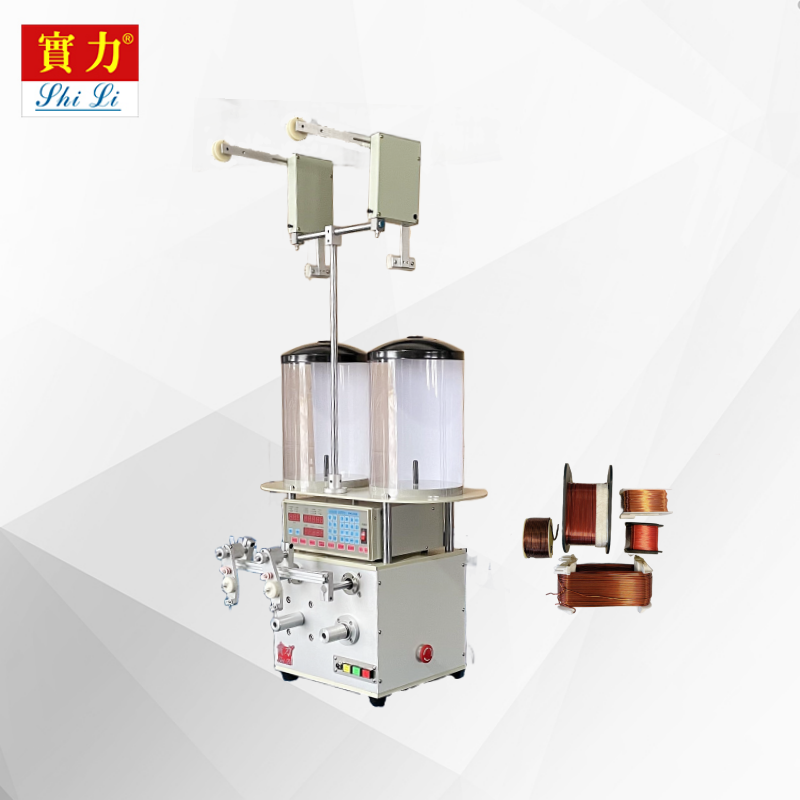
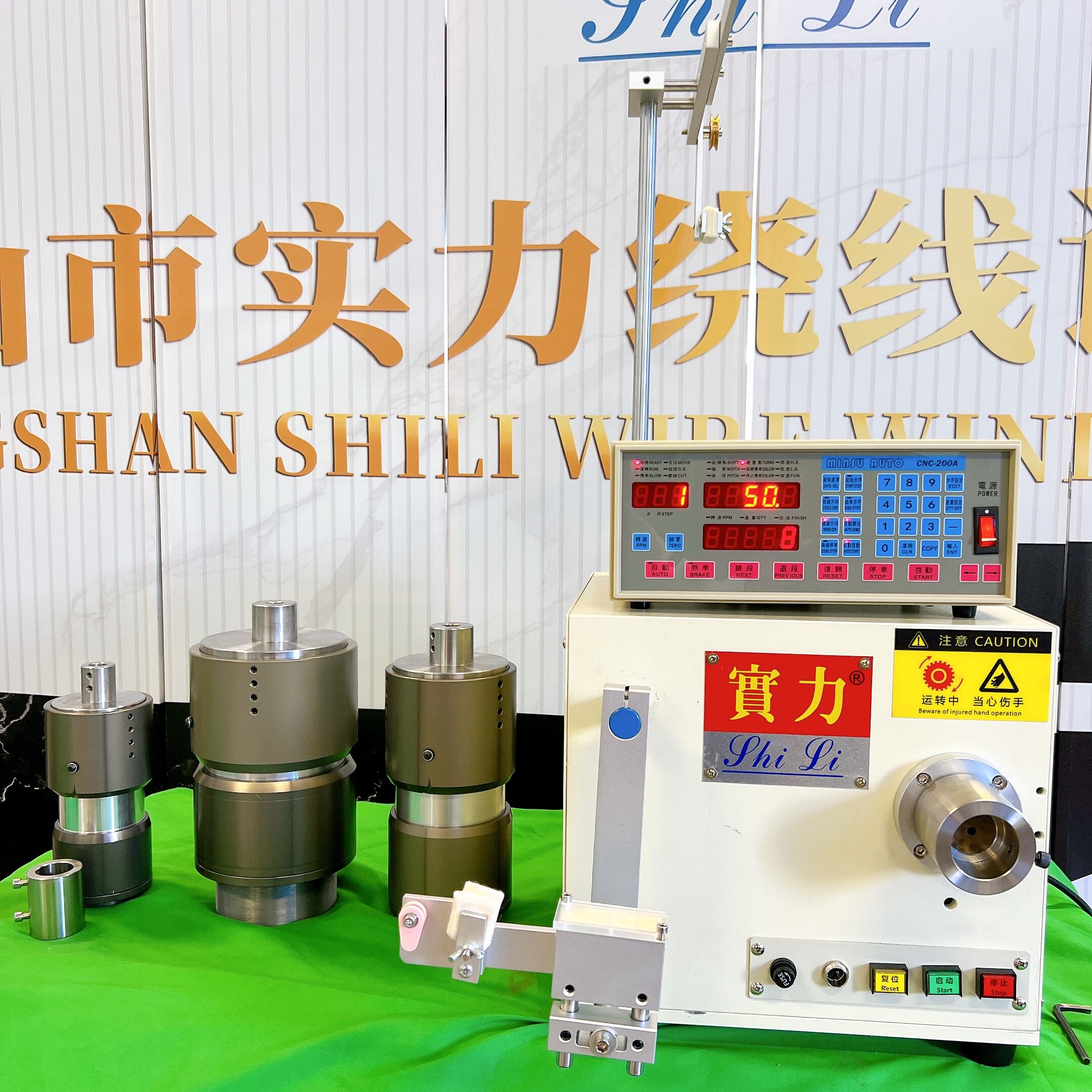
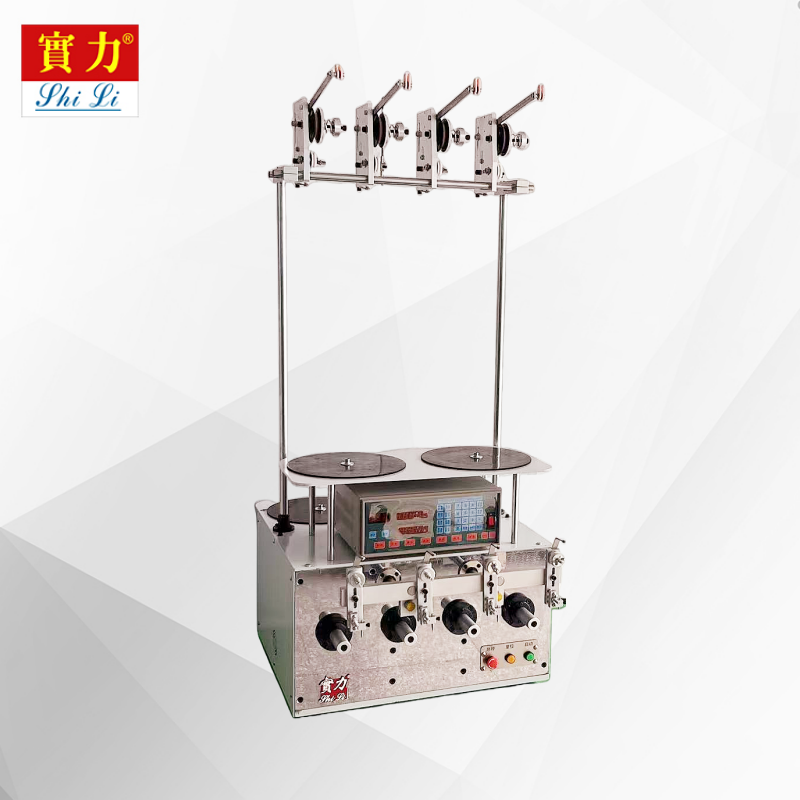
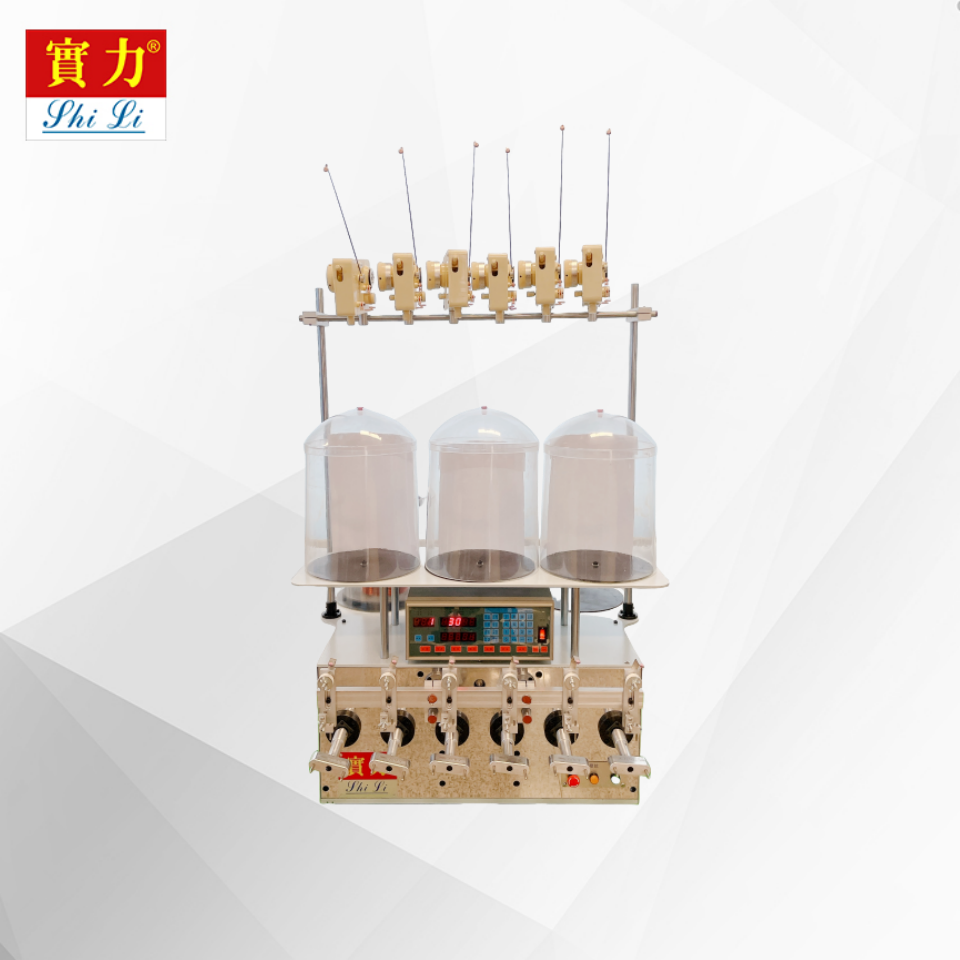
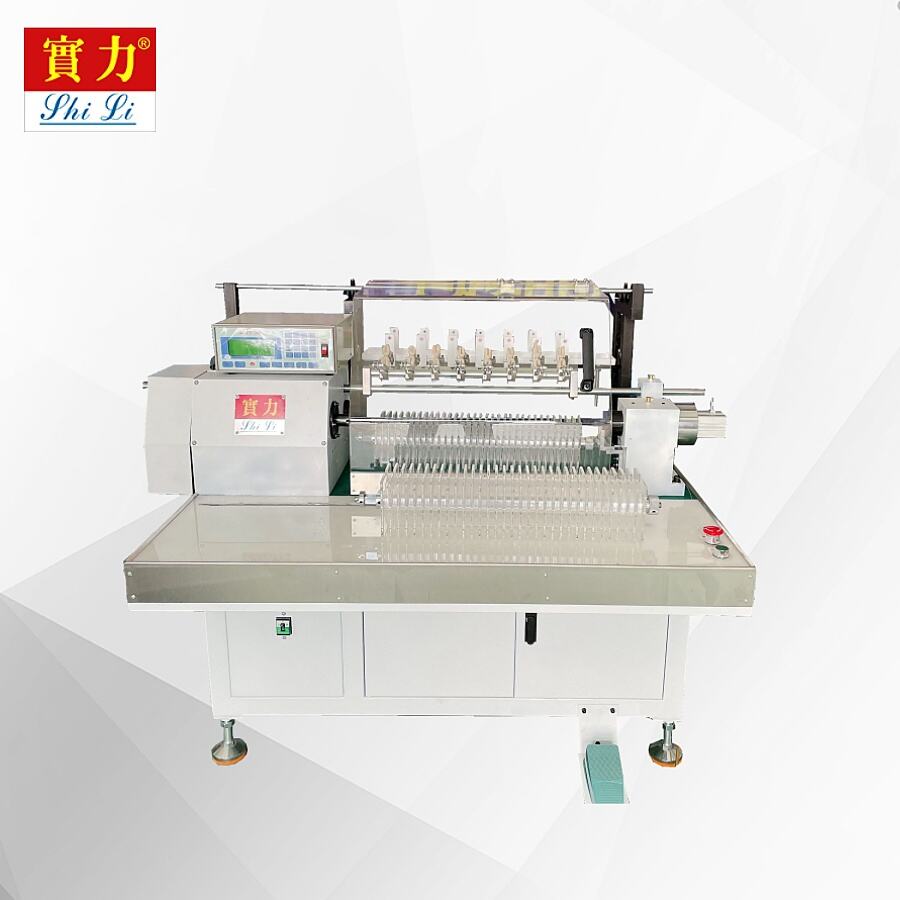
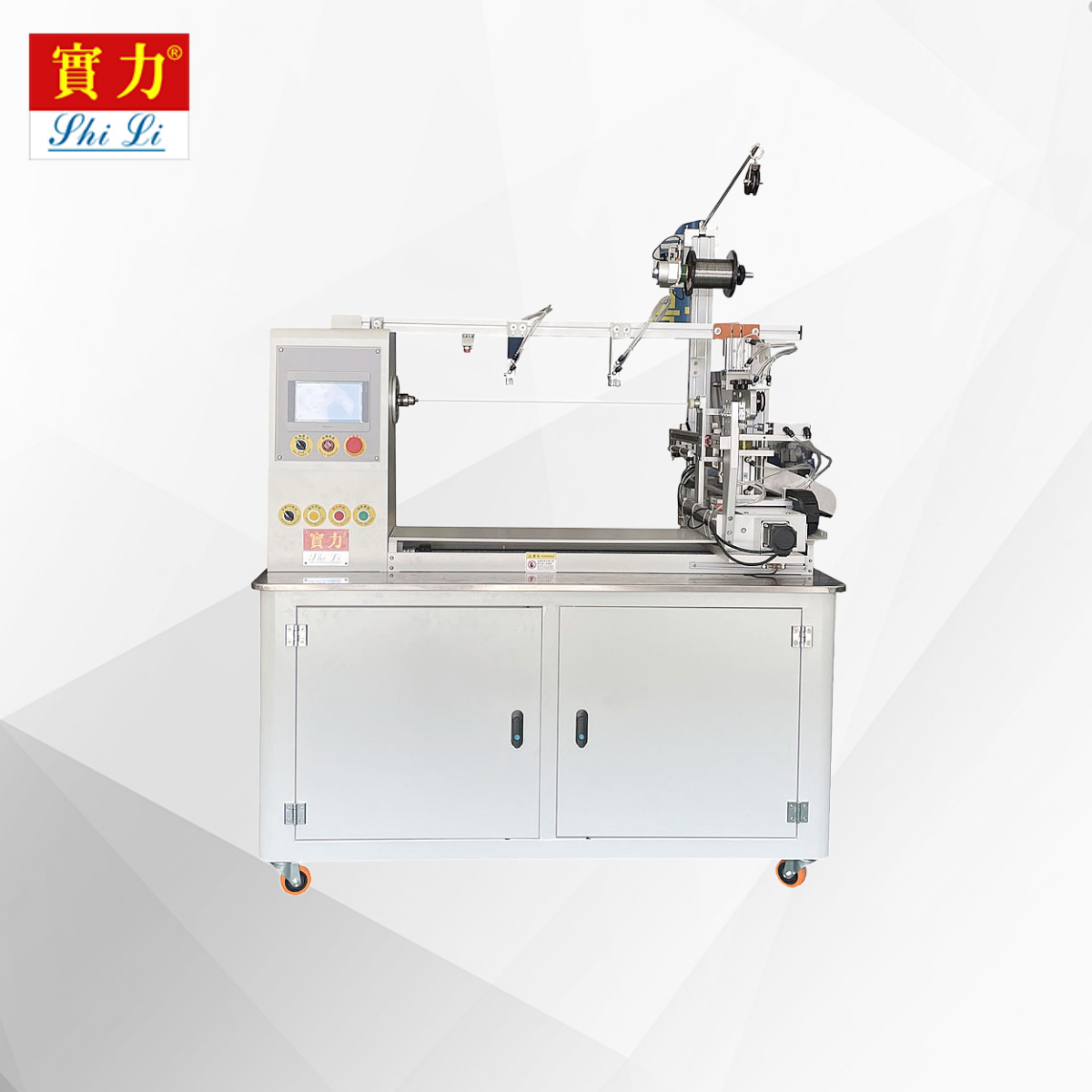
Toroid coil winding represents a sophisticated electromagnetic technology that utilizes a doughnut-shaped magnetic core to create highly efficient inductors and transformers. This innovative winding technique involves wrapping conductive wire around a toroidal core, typically made from ferrite, iron powder, or other magnetic materials. The toroid coil winding design fundamentally differs from traditional linear inductors by containing the magnetic field within the core structure, eliminating external electromagnetic interference and reducing energy losses. The primary functions of toroid coil winding include energy storage, signal filtering, voltage transformation, and electromagnetic interference suppression across various electronic applications. The technological features of toroid coil winding encompass superior magnetic coupling efficiency, minimal electromagnetic radiation, compact physical dimensions, and excellent thermal characteristics. These windings demonstrate remarkable versatility in power supply circuits, audio equipment, radio frequency applications, and industrial automation systems. The toroidal geometry creates a closed magnetic path that concentrates flux density within the core, resulting in higher inductance values per unit volume compared to conventional winding methods. Manufacturing processes for toroid coil winding require specialized equipment to thread wire through the center hole while maintaining precise tension and spacing. Quality control measures ensure consistent electrical parameters including inductance tolerance, DC resistance, and current handling capacity. Applications span from small signal processing circuits in consumer electronics to high-power transformers in renewable energy systems. The toroid coil winding technology continues evolving with advanced core materials and automated winding techniques, enabling manufacturers to meet increasingly demanding performance requirements while maintaining cost-effectiveness and reliability standards across diverse industrial sectors.

New Product Releases

Toroid coil winding offers substantial practical benefits that directly impact performance, cost-effectiveness, and system reliability for customers across various industries. The enclosed magnetic field design eliminates electromagnetic interference, allowing sensitive electronic equipment to operate without signal degradation or unwanted noise. This characteristic proves particularly valuable in audio applications where signal clarity remains paramount, and in medical devices where precision measurements cannot tolerate electromagnetic disturbances. Space efficiency represents another significant advantage, as toroid coil winding achieves higher inductance values in smaller physical packages compared to traditional air-core or linear inductors. This compact design enables engineers to create smaller, lighter products while maintaining electrical performance specifications. Manufacturing costs benefit from the self-shielding properties of toroid coil winding, eliminating the need for additional electromagnetic shielding components and reducing overall system complexity. The superior thermal performance of toroidal designs allows for better heat dissipation, extending component lifespan and improving system reliability under demanding operating conditions. Power efficiency gains result from reduced core losses and improved magnetic coupling, translating to lower energy consumption and reduced operating costs for end users. Installation flexibility increases because toroid coil winding generates minimal external magnetic fields, allowing closer component placement without performance degradation. Quality control becomes more predictable due to the consistent magnetic path provided by the toroidal geometry, resulting in tighter tolerance specifications and improved batch-to-batch consistency. Maintenance requirements decrease significantly because the robust construction of toroid coil winding withstands mechanical stress and environmental conditions better than conventional alternatives. The versatility of toroidal designs accommodates wide frequency ranges, making them suitable for both low-frequency power applications and high-frequency signal processing requirements. These combined advantages create compelling value propositions for customers seeking reliable, efficient, and cost-effective electromagnetic solutions that deliver consistent performance across demanding applications while minimizing system complexity and operational expenses.

Tips And Tricks

Solve Solenoid Valve Coil Production Pain Points for India | Easy Operation Guide

05

Feb

Solve Solenoid Valve Coil Production Pain Points for India | Easy Operation Guide

View More
Bangladesh Client Raves: Efficiency + Stable Quality

05

Feb

Bangladesh Client Raves: Efficiency + Stable Quality

View More
Turkey Full Container Shipment: Rave Reviews & Repeat Orders

05

Feb

Turkey Full Container Shipment: Rave Reviews & Repeat Orders

View More

Get a Free Quote

Our representative will contact you soon.
Email
Name
Company Name
Message
0/1000

toroid coil winding

Superior Electromagnetic Shielding and Interference Elimination

Superior Electromagnetic Shielding and Interference Elimination

The toroid coil winding design provides exceptional electromagnetic shielding capabilities that fundamentally solve interference problems plaguing conventional inductor and transformer applications. Unlike traditional linear windings that radiate electromagnetic energy into surrounding spaces, the toroidal geometry contains magnetic flux entirely within the core structure, creating a self-shielding effect that eliminates external electromagnetic interference. This characteristic proves invaluable in sensitive applications where electromagnetic compatibility requirements demand strict control over radiated emissions and susceptibility to external fields. Medical equipment manufacturers particularly benefit from this feature, as toroid coil winding enables precise measurements and reliable operation in environments filled with electromagnetic noise from various sources. Audio equipment designers leverage the interference elimination properties to achieve superior signal-to-noise ratios, ensuring crystal-clear sound reproduction without unwanted artifacts or distortion caused by electromagnetic pickup. The contained magnetic field also prevents crosstalk between adjacent circuits, allowing engineers to pack components more densely without compromising performance. Aerospace and defense applications utilize toroid coil winding to meet stringent electromagnetic compatibility standards while maintaining operational reliability in harsh electromagnetic environments. The shielding effectiveness extends across broad frequency ranges, making toroidal designs suitable for both narrowband and wideband applications. Testing laboratories consistently measure superior isolation performance from toroid coil winding compared to conventional alternatives, with improvements often exceeding 20-30 decibels in electromagnetic suppression. This level of interference elimination translates directly into improved system reliability, reduced design complexity, and enhanced user experience across applications ranging from consumer electronics to industrial automation systems. The predictable electromagnetic behavior of toroidal designs simplifies compliance with international electromagnetic compatibility regulations, reducing certification time and costs for manufacturers bringing products to market.
Exceptional Space Efficiency and Power Density Optimization

Exceptional Space Efficiency and Power Density Optimization

Toroid coil winding delivers unmatched space efficiency that revolutionizes component packaging and system miniaturization across diverse electronic applications. The inherent geometry of toroidal cores maximizes the utilization of available magnetic material, achieving inductance and transformation ratios that would require significantly larger volumes using conventional winding techniques. This space optimization directly translates into smaller, lighter end products that meet modern market demands for portability and compact design. Power supply designers particularly value the ability to achieve high power density while maintaining thermal performance and electrical isolation requirements. The toroidal shape minimizes air gaps and magnetic leakage paths, concentrating flux density within the core material to maximize magnetic coupling efficiency per unit volume. Manufacturing advantages emerge from the ability to wind more turns in a given space, achieving higher inductance values without increasing component footprint. Automotive applications benefit tremendously from space-efficient toroid coil winding, where weight reduction and compact packaging directly impact fuel efficiency and vehicle performance. Renewable energy systems utilize toroidal designs to create high-efficiency transformers and inductors that fit within space-constrained installations while handling substantial power levels. The three-dimensional utilization of magnetic core material in toroid coil winding surpasses linear designs by factors of two to five in terms of inductance per unit volume. Thermal management improves due to the larger surface area-to-volume ratio of toroidal geometries, enabling better heat dissipation without requiring additional cooling systems. Cost benefits accrue from reduced material usage and simplified mechanical packaging requirements. System integration becomes more straightforward when components occupy minimal space while delivering maximum electrical performance. The compact nature of toroid coil winding enables innovative product architectures that were previously impossible with bulkier conventional components, opening new possibilities for advanced electronic system design.
Enhanced Efficiency and Reduced Core Losses for Optimal Performance

Enhanced Efficiency and Reduced Core Losses for Optimal Performance

Toroid coil winding achieves superior electrical efficiency through minimized core losses and optimized magnetic flux utilization, delivering performance improvements that directly impact system energy consumption and operational costs. The closed magnetic path inherent in toroidal designs eliminates air gaps that typically cause flux leakage and associated losses in conventional linear inductors and transformers. This fundamental advantage results in higher Q-factors, reduced power dissipation, and improved overall system efficiency that customers immediately recognize through lower energy bills and extended battery life in portable applications. Power electronics manufacturers specifically choose toroid coil winding for switching power supplies because the reduced core losses enable higher switching frequencies while maintaining efficiency ratings above 90%. The uniform flux distribution throughout toroidal cores minimizes localized heating and magnetic saturation effects that degrade performance in traditional designs. High-frequency applications particularly benefit from the low-loss characteristics of toroid coil winding, as skin effect and proximity effect losses remain controlled due to the optimized current distribution around the toroidal geometry. Magnetic material utilization reaches theoretical maximums in toroidal designs, ensuring that every portion of the core contributes effectively to energy storage and transformation functions. Temperature stability improves significantly because reduced losses generate less internal heat, maintaining consistent electrical parameters across wider operating temperature ranges. Battery-powered systems achieve extended operation times when incorporating toroid coil winding due to the improved efficiency that reduces current draw from limited energy sources. Industrial applications benefit from reduced cooling requirements and lower infrastructure costs when systems operate more efficiently. The environmental impact decreases proportionally with efficiency improvements, supporting corporate sustainability goals and regulatory compliance requirements. Quality measurements consistently demonstrate superior performance metrics including lower harmonic distortion, improved regulation characteristics, and enhanced dynamic response. Long-term reliability increases because components operating at lower temperatures and stress levels maintain specifications longer, reducing maintenance costs and system downtime for end users.

Get a Free Quote

Our representative will contact you soon.
Email
Name
Company Name
Message
0/1000
Newsletter
Please Leave A Message With Us