Professional Fan Winding Machine Solutions - Advanced Motor Manufacturing Equipment

Get a Free Quote

Our representative will contact you soon.
Email
Name
Company Name
Message
0/1000

fan winding machine

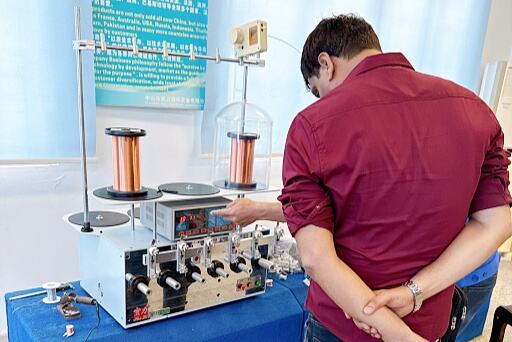
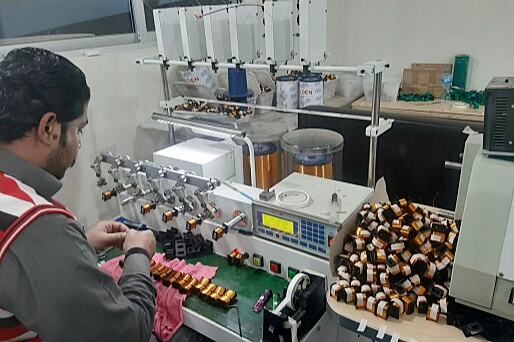
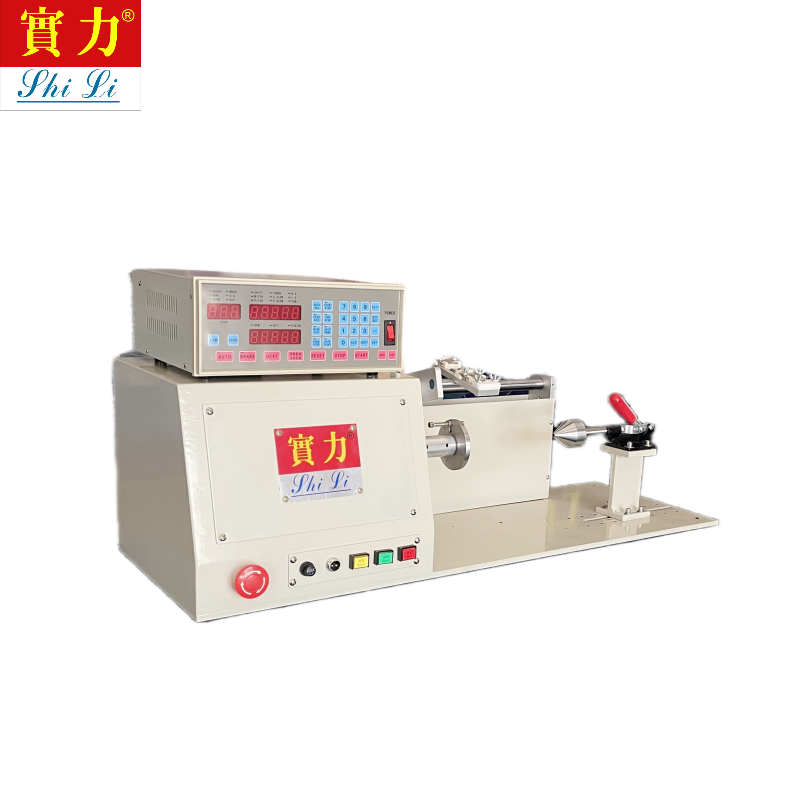
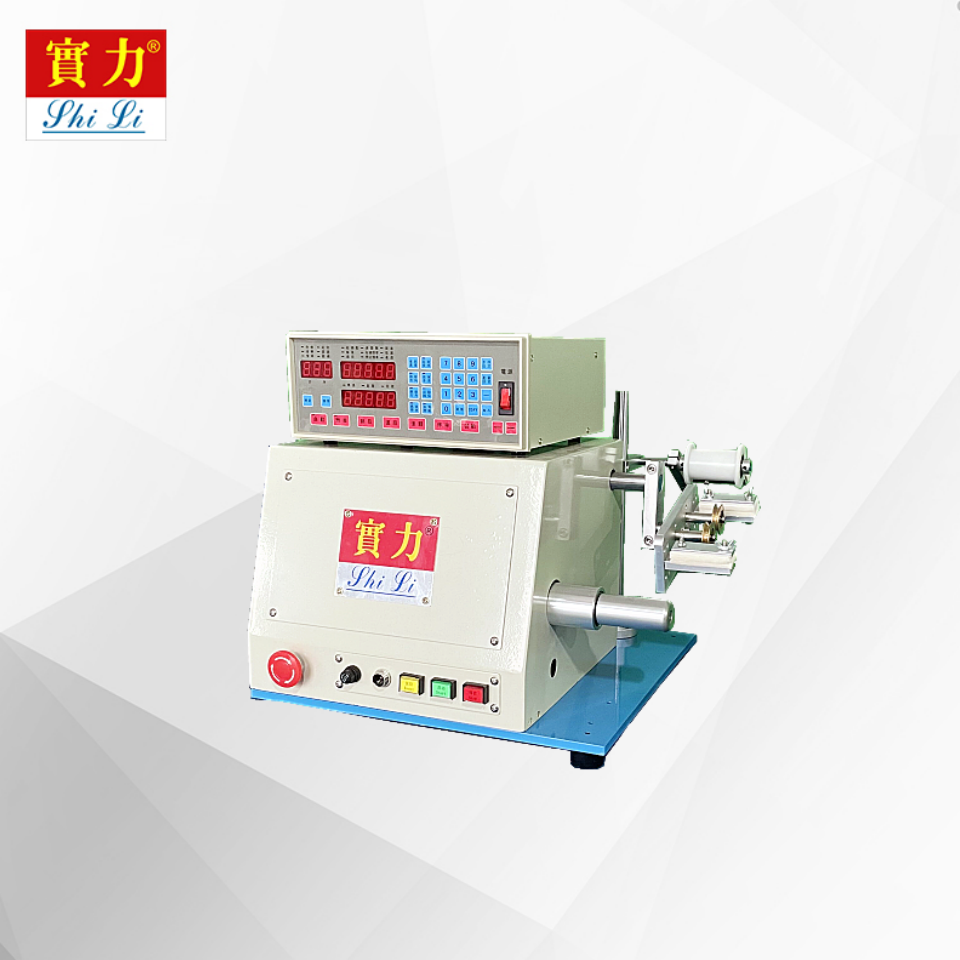
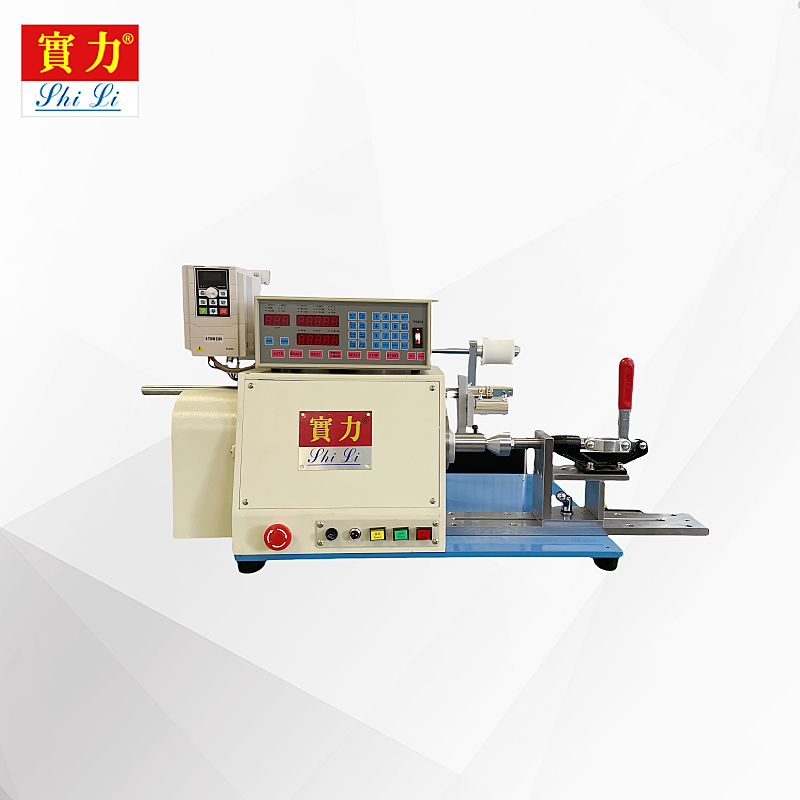
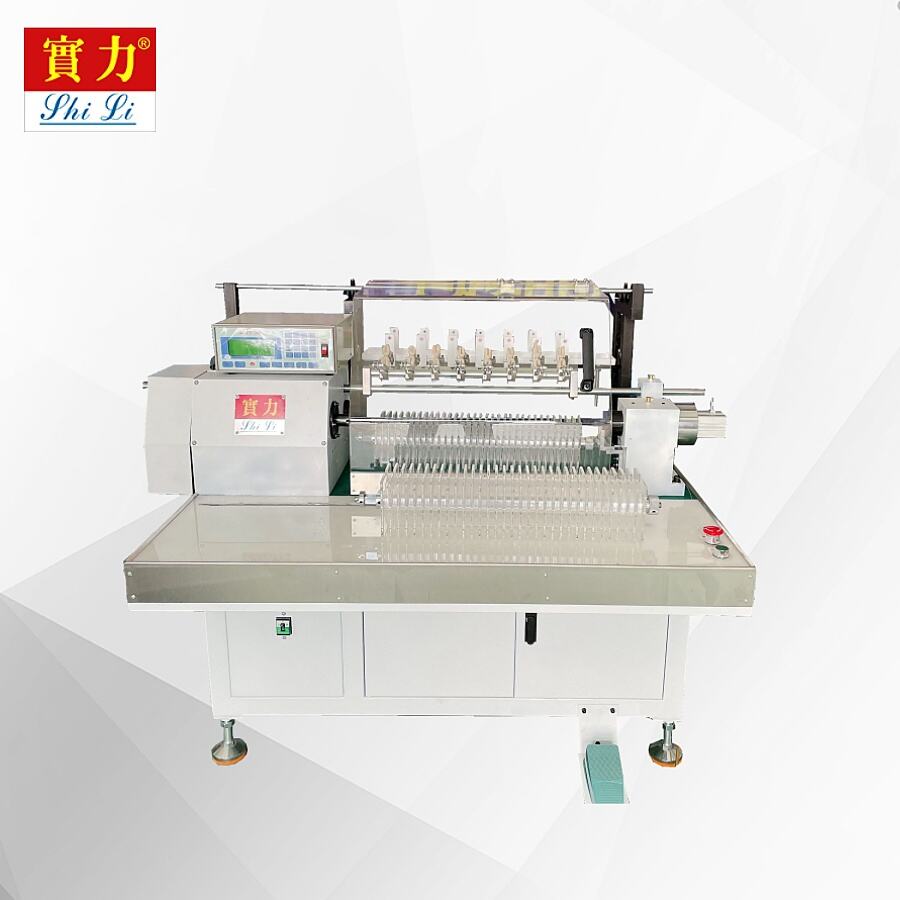
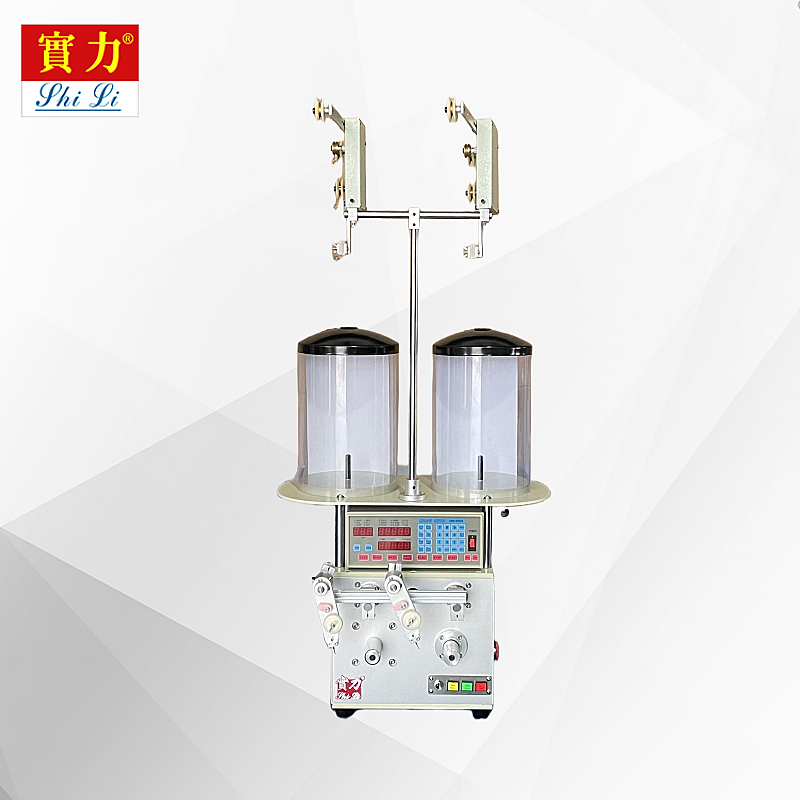
A fan winding machine represents a specialized industrial equipment designed specifically for manufacturing electric motor fans through precise coil winding processes. This sophisticated machinery automates the complex task of wrapping copper wire around stator cores, ensuring consistent quality and optimal performance in electric fan motors. The fan winding machine operates through computerized control systems that manage wire tension, winding speed, and coil positioning with remarkable accuracy. Modern fan winding machines incorporate advanced servo motors and programmable logic controllers to achieve precise wire placement patterns essential for balanced motor operation. The primary function of these machines involves creating electromagnetic coils that generate the magnetic fields necessary for fan motor rotation. These systems handle various wire gauges and can accommodate different stator configurations, making them versatile solutions for diverse fan manufacturing requirements. The technological framework of fan winding machines includes automatic wire feeding mechanisms, tension control systems, and digital counting features that ensure each coil receives the exact number of turns specified in the design parameters. Advanced models feature multi-spindle configurations allowing simultaneous winding of multiple coils, significantly increasing production throughput. The machines utilize precision indexing systems that rotate stator cores to exact positions, enabling accurate coil placement across all poles. Temperature monitoring systems prevent overheating during high-speed operations, while integrated quality control sensors detect wire breaks or improper winding patterns. Applications for fan winding machines span across industries producing ceiling fans, industrial ventilation systems, automotive cooling fans, and household appliances. Manufacturing facilities rely on these machines to maintain consistent production schedules while meeting stringent quality standards. The equipment proves essential for companies producing high-volume fan motors, where manual winding would be impractical and cost-prohibitive. Fan winding machines support various motor designs including single-phase and three-phase configurations, accommodating both small residential fans and large commercial ventilation systems.

New Product Releases

Fan winding machines deliver substantial operational benefits that transform manufacturing efficiency and product quality for businesses across multiple industries. These automated systems dramatically reduce production time compared to manual winding methods, enabling manufacturers to complete complex coil winding tasks in minutes rather than hours. The precision engineering built into modern fan winding machines ensures consistent wire tension throughout the winding process, eliminating variations that could compromise motor performance or longevity. Automated wire handling reduces material waste by maintaining optimal wire usage patterns and preventing the excess consumption common in manual operations. The digital control systems provide repeatable accuracy, ensuring every coil meets exact specifications regardless of operator skill level or fatigue factors. This consistency translates directly into improved product reliability and reduced warranty claims for manufacturers. Fan winding machines significantly lower labor costs by requiring minimal operator intervention once programmed and calibrated properly. A single operator can oversee multiple machines simultaneously, maximizing workforce efficiency and reducing per-unit production costs. The reduced physical strain on workers eliminates repetitive motion injuries associated with manual winding operations, creating safer workplace environments and reducing insurance costs. Quality control improvements represent another major advantage, as these machines incorporate sensors that detect wire breaks, improper tension, or incorrect winding patterns in real-time. This immediate feedback prevents defective products from progressing through the manufacturing process, saving materials and reducing rework expenses. The programmable nature of fan winding machines allows rapid changeover between different motor specifications, supporting flexible manufacturing approaches that can respond quickly to market demands. Data logging capabilities provide detailed production records, enabling continuous process improvement and quality tracking initiatives. Modern fan winding machines offer energy-efficient operation through optimized motor controls and intelligent standby modes that reduce power consumption during idle periods. The compact design of contemporary models maximizes floor space utilization while maintaining high production capacity. Integration capabilities with existing manufacturing execution systems streamline production planning and inventory management processes. Remote monitoring features allow supervisors to track machine performance and schedule maintenance proactively, minimizing unexpected downtime. The return on investment for fan winding machines typically occurs within 12-18 months through combined savings in labor, materials, and quality improvements.

Tips And Tricks

Solve Solenoid Valve Coil Production Pain Points for India | Easy Operation Guide

05

Feb

Solve Solenoid Valve Coil Production Pain Points for India | Easy Operation Guide

View More
Bangladesh Client Raves: Efficiency + Stable Quality

05

Feb

Bangladesh Client Raves: Efficiency + Stable Quality

View More
Turkey Full Container Shipment: Rave Reviews & Repeat Orders

05

Feb

Turkey Full Container Shipment: Rave Reviews & Repeat Orders

View More

Get a Free Quote

Our representative will contact you soon.
Email
Name
Company Name
Message
0/1000

fan winding machine

Advanced Servo Control Technology for Unmatched Precision

Advanced Servo Control Technology for Unmatched Precision

The sophisticated servo control technology integrated into modern fan winding machines represents a revolutionary advancement in motor manufacturing precision. This cutting-edge system employs high-resolution encoders and advanced feedback loops to monitor and adjust wire placement with micron-level accuracy throughout the entire winding process. The servo motors respond instantaneously to control signals, ensuring that wire tension remains constant even during rapid speed changes or complex winding patterns. This technology enables the fan winding machine to maintain consistent coil density across all poles, which is crucial for balanced motor operation and optimal electromagnetic field generation. The precision control extends beyond simple wire placement to include sophisticated algorithms that calculate optimal winding paths, minimizing wire stress and preventing overlap issues that could cause motor failure. Advanced servo systems compensate automatically for variables such as wire diameter variations, ambient temperature changes, and mechanical wear, ensuring consistent results over extended production runs. The technology supports multiple winding strategies including layer winding, random winding, and orthocyclic patterns, allowing manufacturers to optimize their motor designs for specific applications. Real-time monitoring capabilities provide instant feedback on winding quality, enabling immediate corrections before defective coils are completed. The servo control system interfaces seamlessly with computer-aided design software, allowing engineers to translate complex motor specifications directly into machine instructions without manual programming. This integration reduces setup time and eliminates human error in the programming process. The precision achieved through servo control technology directly impacts motor performance characteristics such as efficiency, noise levels, and vibration patterns. Motors wound with servo-controlled fan winding machines demonstrate superior balance and smoother operation compared to manually wound alternatives. The technology also enables the production of specialized motor designs that would be impossible to achieve through traditional winding methods, opening new possibilities for innovative fan applications. Quality documentation features provide detailed records of each winding operation, supporting traceability requirements and continuous improvement initiatives. The investment in servo control technology pays dividends through reduced material waste, improved product consistency, and enhanced customer satisfaction with the final motor products.
Multi-Spindle Configuration for Maximum Production Efficiency

Multi-Spindle Configuration for Maximum Production Efficiency

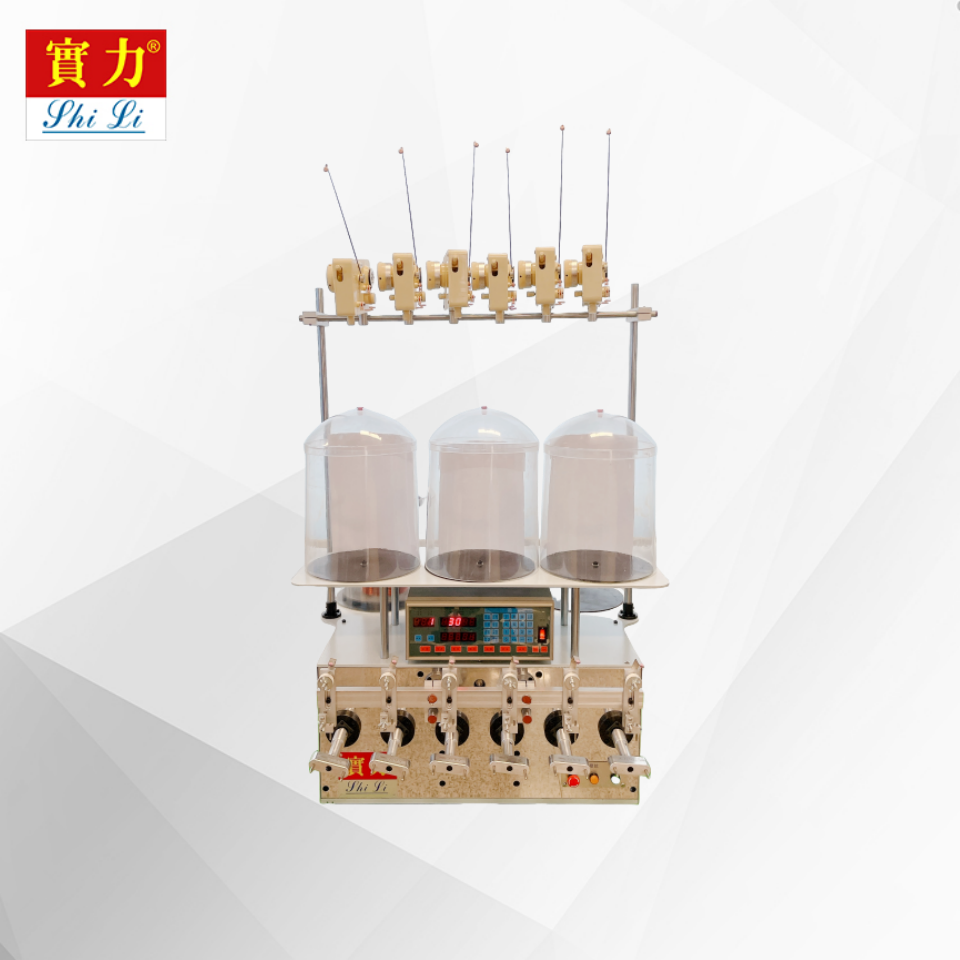
Multi-spindle fan winding machines revolutionize production efficiency by enabling simultaneous winding operations across multiple stator positions, dramatically increasing throughput while maintaining exceptional quality standards. This innovative configuration typically features four to eight individual winding spindles arranged in a circular or linear pattern, each capable of independent operation while sharing common control systems and wire feeding mechanisms. The parallel processing capability allows manufacturers to complete multiple coils simultaneously, reducing per-unit production time by up to 75% compared to single-spindle alternatives. Each spindle within the multi-spindle fan winding machine operates with individual servo control, ensuring that variations in one position do not affect the quality of coils being wound at other stations. This independence proves crucial when handling different stator sizes or winding specifications within the same production batch. The sophisticated indexing system rotates the entire spindle assembly, positioning each stator core precisely for optimal wire access during the winding process. Advanced wire management systems distribute wire feeds to each active spindle while maintaining consistent tension and preventing tangling between individual operations. The multi-spindle design incorporates intelligent load balancing that optimizes production scheduling based on individual spindle availability and job requirements. This automation ensures maximum utilization of each winding position while minimizing idle time and material handling delays. Quality monitoring systems operate independently at each spindle location, providing real-time feedback on wire tension, turn count, and winding quality without interrupting operations at other positions. The modular design of multi-spindle systems allows manufacturers to configure machines according to their specific production requirements, with options for adding or removing spindles based on demand fluctuations. Maintenance procedures are simplified through individual spindle accessibility, enabling service on one position while others continue operating, minimizing production disruptions. The economic benefits of multi-spindle fan winding machines extend beyond increased throughput to include reduced floor space requirements per unit of production capacity. Energy efficiency improves through shared motor drives and control systems that distribute power more effectively than multiple single-spindle machines. The consistency achieved across all spindles ensures uniform product quality regardless of production volume, supporting both high-volume manufacturing and smaller batch requirements with equal effectiveness.
Intelligent Wire Tension Control for Superior Coil Quality

Intelligent Wire Tension Control for Superior Coil Quality

Intelligent wire tension control systems represent the cornerstone of superior coil quality in modern fan winding machines, employing sophisticated sensors and feedback mechanisms to maintain optimal wire stress throughout the entire winding process. This advanced technology continuously monitors wire tension through precision load cells and mechanical sensors positioned at critical points along the wire path, providing real-time data that enables immediate adjustments to maintain consistency. The intelligent control algorithms analyze multiple variables including wire gauge, material properties, ambient temperature, and winding speed to calculate optimal tension parameters for each specific application. This dynamic adjustment capability prevents common winding defects such as loose coils, wire stretching, or excessive compression that can compromise motor performance and reliability. The tension control system operates through servo-driven tensioning mechanisms that respond instantly to variations in wire characteristics or machine operating conditions. Multiple tension zones throughout the wire path allow for graduated control, ensuring smooth wire flow while preventing sudden tension changes that could cause wire breaks or irregular winding patterns. Advanced fan winding machines integrate predictive algorithms that anticipate tension requirements based on upcoming winding patterns, pre-adjusting controls to maintain seamless operation during complex maneuvers. The system compensates automatically for variables such as spool diameter changes as wire is consumed, maintaining consistent delivery pressure regardless of remaining wire quantity. Temperature compensation features adjust tension parameters based on ambient conditions and wire material thermal properties, ensuring consistent results across varying environmental conditions. Quality documentation systems record detailed tension profiles for each coil, providing valuable data for process optimization and quality control purposes. The intelligent system interfaces with wire break detection sensors, immediately stopping operations and alerting operators to prevent damage to partially completed coils. Diagnostic capabilities monitor tension sensor performance and predict maintenance requirements, ensuring system reliability and preventing unexpected failures. The precision achieved through intelligent wire tension control directly correlates with improved motor characteristics including reduced noise, vibration, and energy consumption. Coils wound under optimal tension conditions demonstrate superior electrical properties and longer operational life compared to those produced with basic tension systems. The technology supports a wide range of wire materials including copper, aluminum, and specialty alloys, automatically adjusting parameters for optimal results with each material type. Integration with manufacturing execution systems provides production managers with detailed insights into tension performance trends, enabling continuous process improvement and quality enhancement initiatives.

Get a Free Quote

Our representative will contact you soon.
Email
Name
Company Name
Message
0/1000
Newsletter
Please Leave A Message With Us