 EN
EN


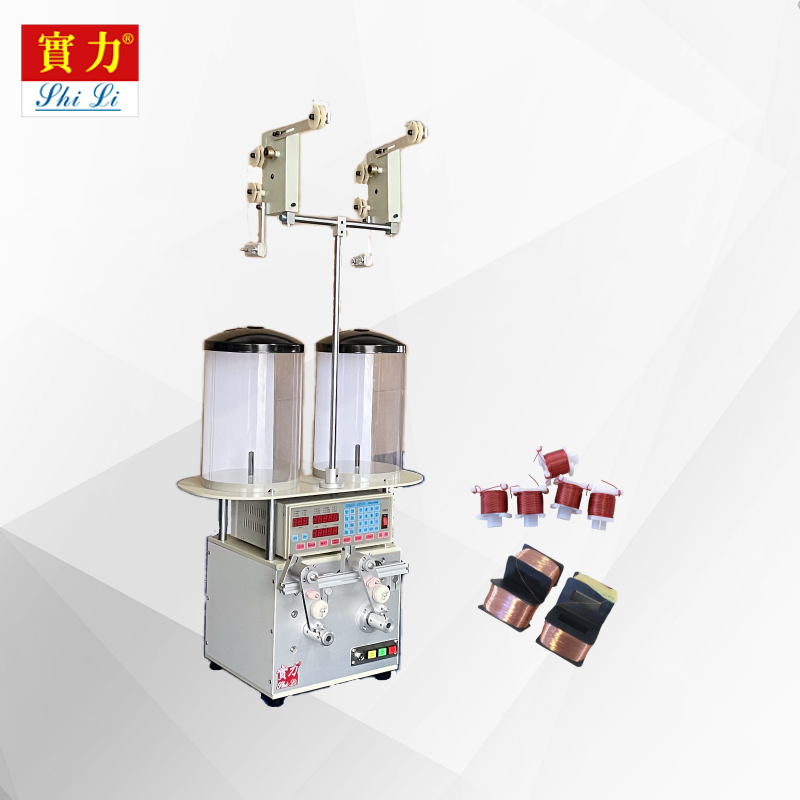
A semi automatic winding machine represents a pivotal evolution in industrial manufacturing, offering manufacturers the strategic middle ground between fully manual and completely automated production systems. The operational flexibility of a semi automatic winding machine enables production teams to adapt quickly to changing customer demands, product specifications, and production volumes without the capital-intensive investment required for fully automated systems. This hybrid approach allows operators to maintain direct oversight while benefiting from mechanical precision, speed enhancement, and consistent output quality that distinguishes modern manufacturing from traditional methods.
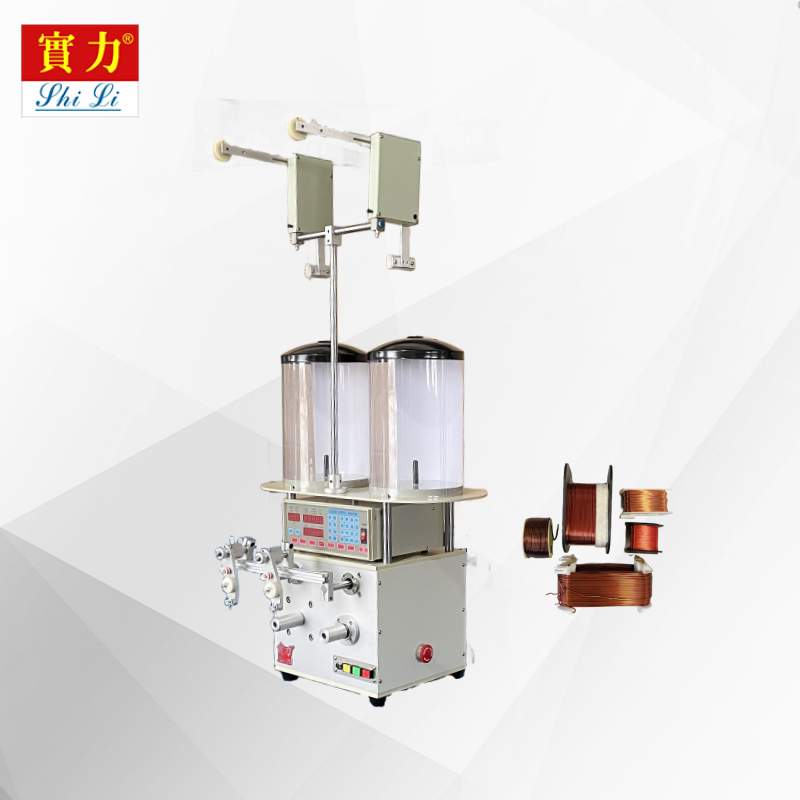
Understanding the operational flexibility that a semi automatic winding machine provides is essential for manufacturing decision-makers seeking to optimize production efficiency without sacrificing adaptability. Whether your facility processes copper wire, magnet wire, or specialty coils, a semi automatic winding machine balances speed, precision, and human control to deliver measurable improvements in throughput and product consistency. This comprehensive guide explores how operational flexibility translates into competitive advantage, operational resilience, and sustainable production capability.
Adaptive Production Capability Through Semi Automatic Winding Machine Design
Quick Changeover and Specification Adjustment
The operational flexibility of a semi automatic winding machine shines most clearly during product changeovers and specification adjustments. Unlike fully automated systems that require extensive reprogramming or hardware reconfiguration, a semi automatic winding machine allows operators to modify winding parameters, spool types, wire gauges, and tension settings within minutes rather than hours. This rapid adjustment capability means your production facility can respond to urgent customer orders, accommodate small batch runs, or switch between different product lines without experiencing significant downtime penalties. The operator remains the intelligent controller, making real-time decisions that align production output with immediate business needs.
Volume Flexibility and Production Scaling
A semi automatic winding machine excels at accommodating variable production volumes without requiring redundant equipment investment. When demand increases, a single semi automatic winding machine operated by a skilled technician can increase output through extended shifts, optimized workflow, and refined operator technique. When demand temporarily decreases, the semi automatic winding machine continues operating efficiently at lower volumes without the fixed-cost burden of underutilized automated infrastructure. This volume flexibility proves particularly valuable for contract manufacturers, custom wire suppliers, and businesses serving cyclical industries where production requirements fluctuate seasonally or based on customer project timelines.
Precision Control and Quality Consistency Enhanced by Semi Automatic Winding Machine Technology
Operator Oversight with Mechanical Precision
The operational flexibility of a semi automatic winding machine combines human judgment with mechanical consistency to achieve superior quality outcomes. The operator maintains continuous visibility into the winding process, monitoring tension, wire alignment, spool rotation, and layer formation in real time. Simultaneously, the machine's mechanical systems ensure consistent rotational speed, predictable wire feed rates, and reliable tensioning that individual manual labor cannot replicate. This combination means defects typically associated with manual winding decline significantly, while the unpredictability of fully automated systems—where operator intervention becomes impossible during malfunction—is eliminated through continuous human oversight integrated into the semi automatic winding machine workflow.
Quality Verification and Process Adjustment
A semi automatic winding machine operator can pause production, inspect completed coils, measure electrical continuity, verify winding consistency, and implement corrective adjustments before resuming operation. This immediate feedback loop prevents waste of materials and labor by catching quality issues at the source rather than discovering defects during downstream testing or customer inspection. The operational flexibility embedded in a semi automatic winding machine design enables this proactive quality management approach, distinguishing it from fully automated systems where operator intervention mid-cycle is either restricted or technically complex. Facilities using a semi automatic winding machine typically report lower scrap rates, fewer customer rejections, and improved first-pass yield metrics compared to manual-only operations.
Cost Efficiency and Return on Investment Through Semi Automatic Winding Machine Implementation
Capital Investment and Operational Expense Balance
The operational flexibility of a semi automatic winding machine delivers compelling financial advantages because the system requires significantly lower capital investment than fully automated production lines while producing efficiency gains that manual operations cannot match. A semi automatic winding machine typically costs between 30 to 50 percent less than comprehensive automated winding systems, while increasing output by 200 to 400 percent compared to purely manual winding methods. This favorable cost structure enables smaller manufacturers, emerging businesses, and facilities with space constraints to access production efficiency improvements previously available only to large enterprises with substantial capital budgets. The operational flexibility that a semi automatic winding machine provides means this equipment remains productive and profitable across changing business conditions rather than becoming obsolete if production requirements shift unexpectedly.
Labor Productivity and Skill Utilization
A semi automatic winding machine amplifies the productivity of skilled operators rather than eliminating their roles, creating sustainable employment and retaining valuable manufacturing expertise within the facility. One operator managing a semi automatic winding machine accomplishes work that would require three to five manual winders, yet the operator's role remains intellectually engaging because continuous decision-making, quality monitoring, and process optimization remain essential. This staffing efficiency translates directly into lower per-unit labor costs while the operational flexibility of a semi automatic winding machine allows your facility to scale staff hours up or down based on actual demand rather than maintaining fixed overhead. Experienced operators become more valuable to the organization because their skills in setup, troubleshooting, and quality judgment directly influence the semi automatic winding machine's output consistency and efficiency.
FAQ
What makes a semi automatic winding machine different from fully automatic winding systems?
A semi automatic winding machine preserves operator control over critical production decisions while automating repetitive mechanical tasks, whereas fully automatic systems execute predetermined programs with minimal human intervention. The operational flexibility of a semi automatic winding machine allows rapid changeovers, immediate quality adjustments, and adaptive responses to production variations, capabilities that fully automatic systems handle less efficiently due to programming complexity and reconfiguration requirements. Semi automatic winding machine design prioritizes responsiveness and adaptability over maximum speed, making it ideal for diverse product portfolios and variable production scenarios.
Can a semi automatic winding machine improve production efficiency in existing manufacturing facilities?
Yes, integrating a semi automatic winding machine typically increases production throughput by 200 to 400 percent compared to manual winding operations while maintaining or improving quality consistency. The operational flexibility of a semi automatic winding machine enables integration into existing workflows without requiring complete facility redesign or disruption to other production areas. Many facilities implement a semi automatic winding machine to replace outdated manual workstations, creating immediate efficiency gains while preserving the skilled workforce and adapting production capacity to current market demands.
What industries benefit most from the operational flexibility of semi automatic winding machine technology?
Industries requiring diverse coil specifications, frequent product changeovers, and responsive production capability—including telecommunications, automotive electronics, industrial motors, renewable energy components, and medical device manufacturing—realize maximum benefit from a semi automatic winding machine's operational flexibility. The semi automatic winding machine proves particularly valuable for contract manufacturers and custom wire suppliers serving multiple customer bases with varying specifications and production volumes, where flexibility directly translates into competitive market advantage and customer retention.
Table of Contents
- Adaptive Production Capability Through Semi Automatic Winding Machine Design
- Precision Control and Quality Consistency Enhanced by Semi Automatic Winding Machine Technology
- Cost Efficiency and Return on Investment Through Semi Automatic Winding Machine Implementation
-
FAQ
- What makes a semi automatic winding machine different from fully automatic winding systems?
- Can a semi automatic winding machine improve production efficiency in existing manufacturing facilities?
- What industries benefit most from the operational flexibility of semi automatic winding machine technology?