Motor Winding Machine Price Guide: Advanced Automation Solutions for Precision Manufacturing

Get a Free Quote

Our representative will contact you soon.
Email
Name
Company Name
Message
0/1000

motor winding machine price

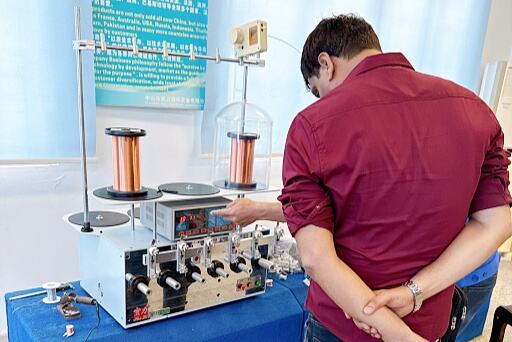
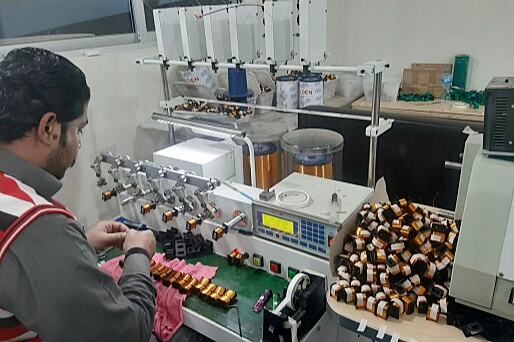
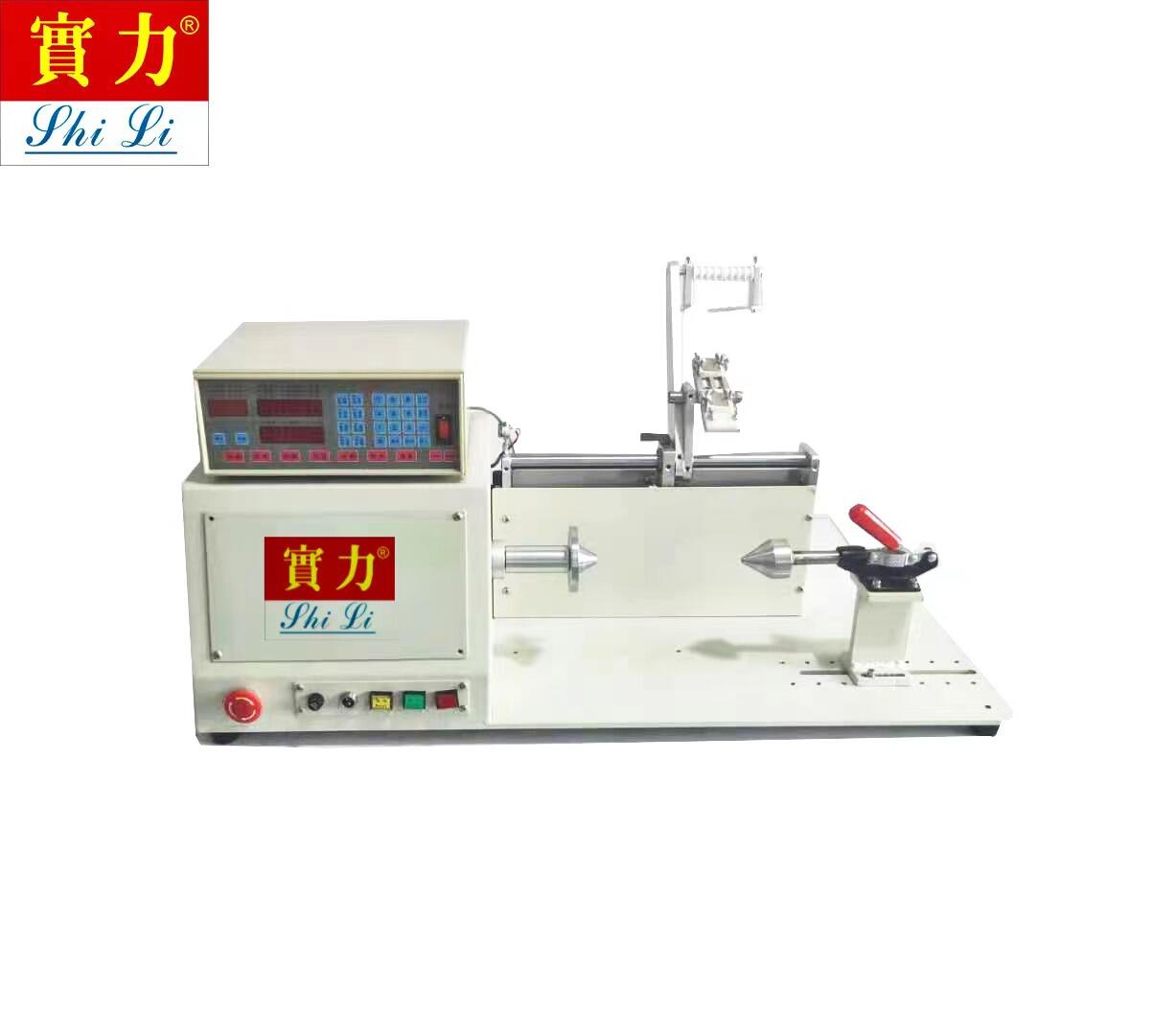
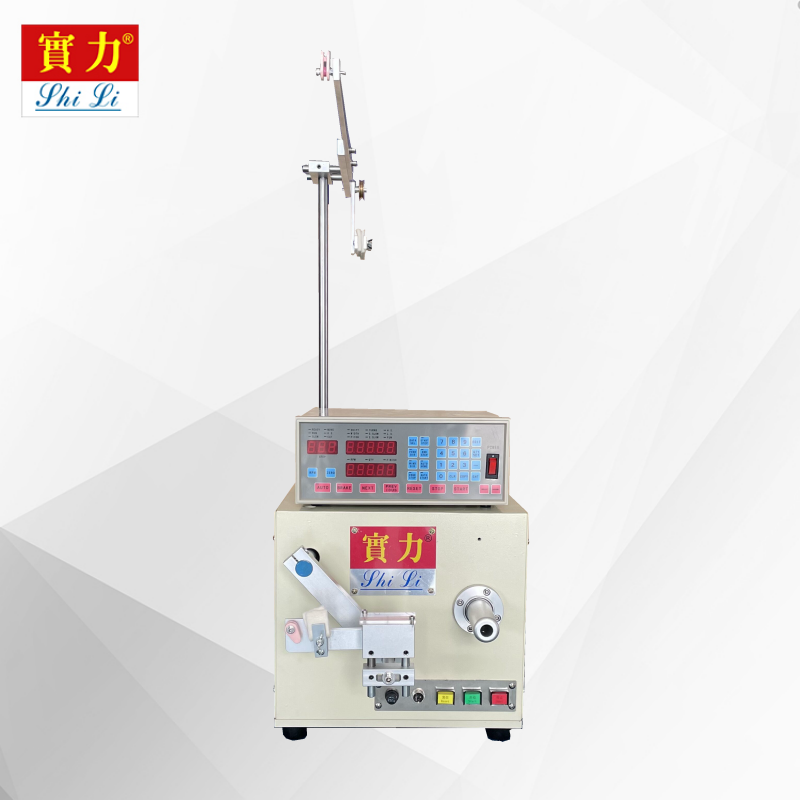
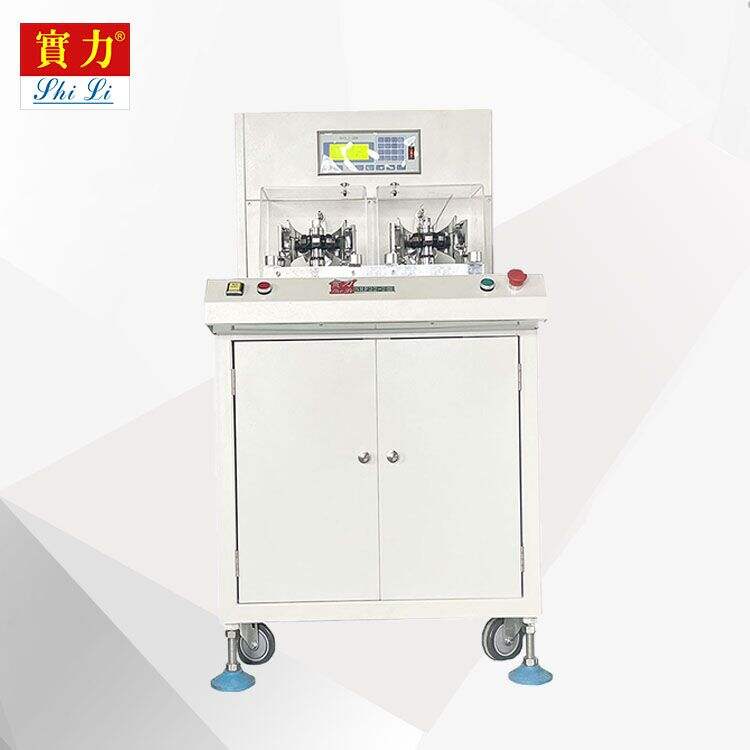
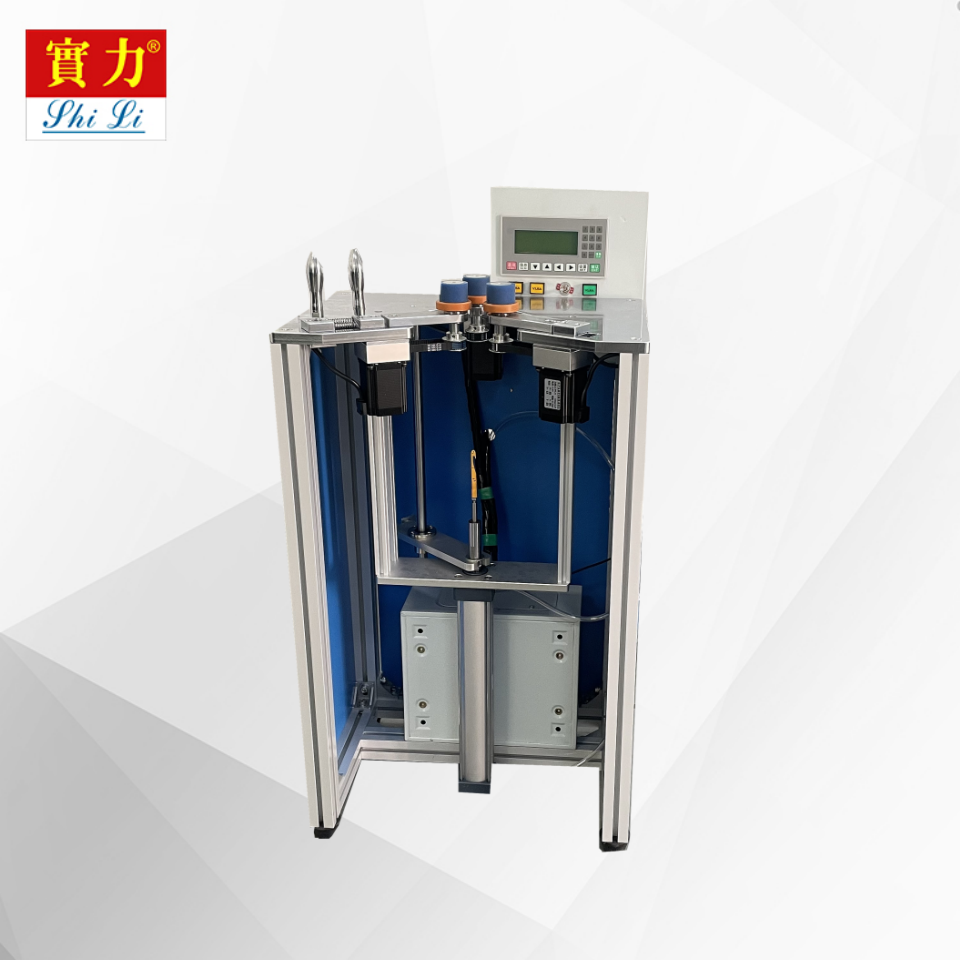
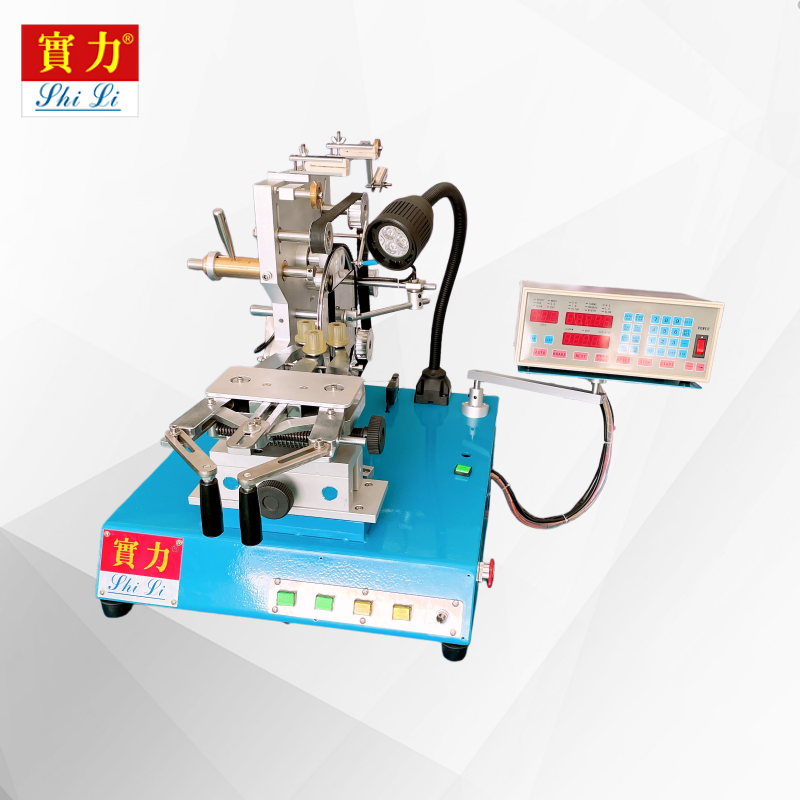
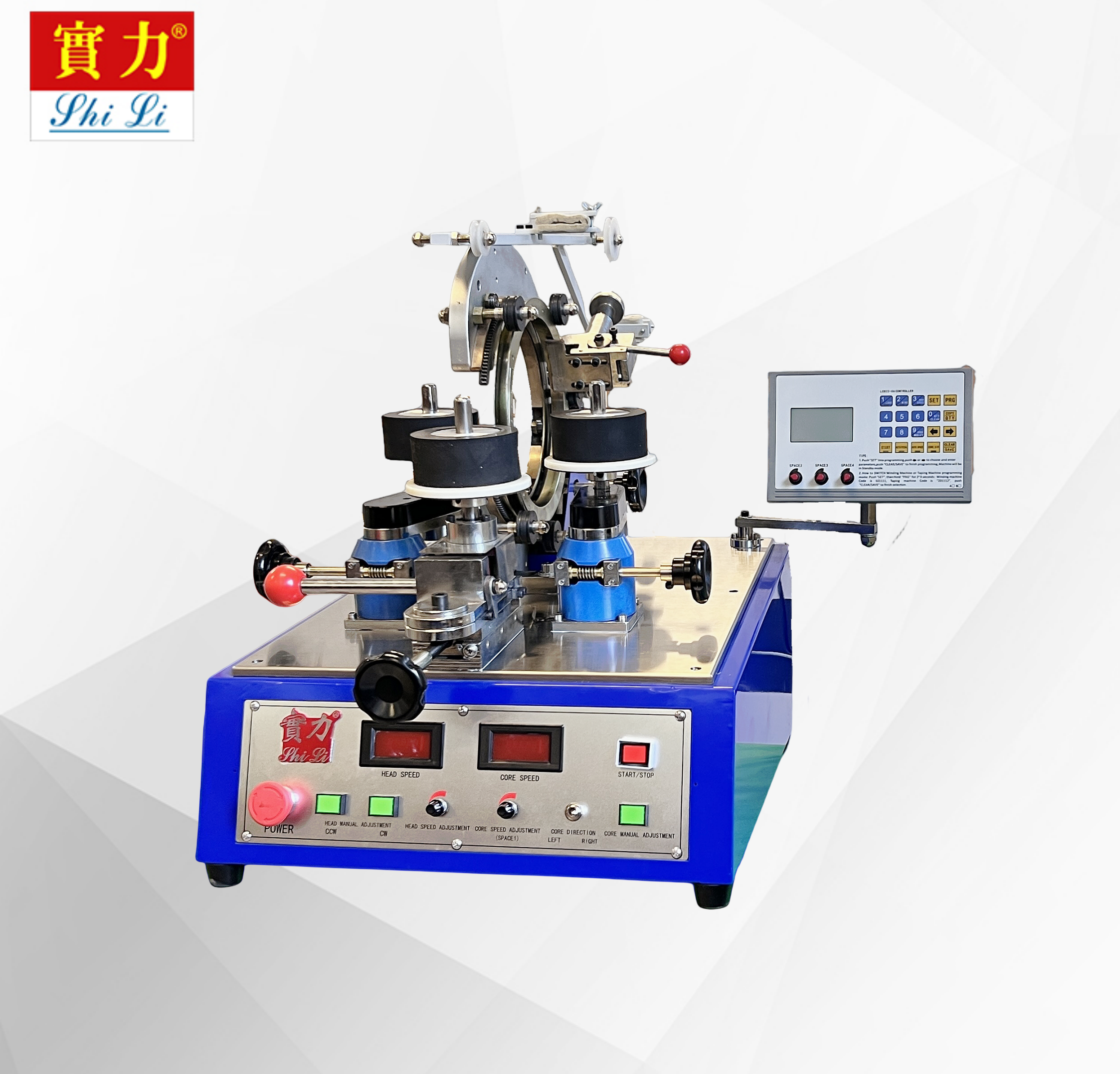
Motor winding machine price considerations encompass a comprehensive understanding of automated equipment designed to wind copper or aluminum wire onto motor stators, rotors, and transformers with precision and efficiency. These sophisticated machines represent a crucial investment for manufacturers seeking to optimize their production processes while maintaining consistent quality standards. The motor winding machine price typically reflects the technological complexity, automation level, and production capacity of each unit. Modern winding machines incorporate advanced servo motor control systems, programmable logic controllers, and precision tensioning mechanisms that ensure uniform wire distribution and optimal electrical performance. The core functionality revolves around automated wire feeding, precise positioning, and controlled winding patterns that eliminate human error while maximizing production throughput. Contemporary models feature touchscreen interfaces, recipe storage capabilities, and real-time monitoring systems that allow operators to track winding parameters and adjust settings for different motor specifications. The motor winding machine price spectrum varies significantly based on configuration options, including single or multi-spindle designs, automatic wire cutting and stripping functions, and integrated quality control systems. These machines excel in producing various motor types, from small fractional horsepower units to large industrial motors, making them versatile solutions for diverse manufacturing environments. Advanced models incorporate tension control systems that maintain consistent wire tension throughout the winding process, preventing wire breakage and ensuring optimal coil density. The technological features extend to automatic wire guides, programmable winding speeds, and sophisticated indexing systems that position the stator accurately for each winding operation. Integration capabilities allow these machines to connect with manufacturing execution systems, enabling data collection and production tracking. The motor winding machine price investment reflects long-term benefits including reduced labor costs, improved product consistency, and enhanced production capacity that justify the initial capital expenditure for serious manufacturers.

New Products

Understanding motor winding machine price advantages reveals compelling reasons why manufacturers choose automated winding solutions over manual processes. The primary benefit centers on dramatic productivity improvements, as these machines operate continuously without fatigue, breaks, or performance degradation throughout extended production runs. A single operator can oversee multiple machines simultaneously, multiplying output while reducing labor dependency and associated overhead costs. The motor winding machine price investment delivers measurable returns through consistent quality improvements that eliminate costly rework and warranty claims. Automated systems maintain precise wire tension, uniform spacing, and accurate turn counts that human operators struggle to replicate consistently across thousands of units. These machines significantly reduce material waste by optimizing wire usage and eliminating the random errors common in manual winding operations. The controlled environment prevents contamination and damage that often occurs during hand-winding processes. Speed advantages become particularly evident in high-volume production scenarios where motor winding machine price considerations must balance initial investment against long-term operational savings. Modern machines achieve winding speeds that far exceed manual capabilities while maintaining superior accuracy and repeatability. The programmable nature allows quick changeovers between different motor specifications without extensive retooling or setup time. Quality control integration enables real-time monitoring and automatic rejection of substandard units before they progress through subsequent manufacturing stages. Safety improvements represent another crucial advantage, as automated systems eliminate repetitive strain injuries and reduce workplace accidents associated with manual winding operations. The motor winding machine price reflects advanced safety features including emergency stops, protective barriers, and fail-safe mechanisms that protect both operators and equipment. Energy efficiency improvements result from optimized winding patterns and reduced cycle times that lower overall power consumption per unit produced. Documentation capabilities provide traceability and quality records that meet stringent industry standards and regulatory requirements. Maintenance advantages include predictive monitoring systems that alert operators to potential issues before they cause production disruptions. The motor winding machine price investment supports lean manufacturing initiatives by reducing inventory requirements, minimizing floor space utilization, and eliminating bottlenecks in production flow. Integration flexibility allows these machines to adapt to evolving production requirements and accommodate new motor designs without complete equipment replacement. Training requirements decrease as operators need only basic machine operation skills rather than specialized hand-winding expertise.

Practical Tips

Solve Solenoid Valve Coil Production Pain Points for India | Easy Operation Guide

05

Feb

Solve Solenoid Valve Coil Production Pain Points for India | Easy Operation Guide

View More
Bangladesh Client Raves: Efficiency + Stable Quality

05

Feb

Bangladesh Client Raves: Efficiency + Stable Quality

View More
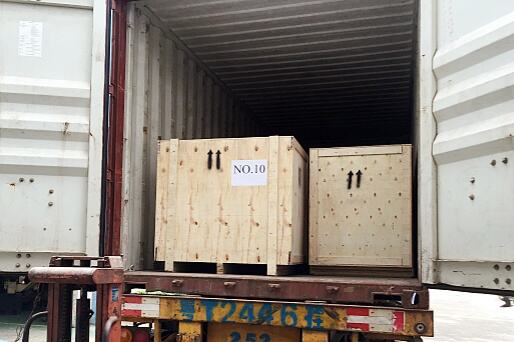
Turkey Full Container Shipment: Rave Reviews & Repeat Orders

05

Feb

Turkey Full Container Shipment: Rave Reviews & Repeat Orders

View More

Get a Free Quote

Our representative will contact you soon.
Email
Name
Company Name
Message
0/1000

motor winding machine price

Advanced Servo Control Technology Maximizes Precision and Efficiency

Advanced Servo Control Technology Maximizes Precision and Efficiency

The sophisticated servo control technology integrated into modern winding machines represents a revolutionary advancement that directly impacts motor winding machine price value propositions for manufacturers seeking unparalleled precision and operational efficiency. These state-of-the-art servo systems utilize high-resolution encoders and advanced feedback mechanisms to achieve positioning accuracies measured in fractions of degrees, ensuring that each wire placement occurs exactly where intended throughout the entire winding process. The servo control technology manages multiple axes simultaneously, coordinating spindle rotation, wire guide movement, and tensioning systems with microsecond precision that eliminates the variations inherent in manual or mechanical systems. This technological sophistication allows manufacturers to achieve consistent coil geometries that optimize motor performance characteristics including efficiency, torque output, and electromagnetic properties. The motor winding machine price reflects this advanced control capability through enhanced programming flexibility that accommodates complex winding patterns, variable pitch configurations, and multi-layer designs previously impossible with conventional equipment. Servo systems provide instantaneous response to programmed commands, enabling rapid acceleration and deceleration cycles that maximize productivity without compromising wire integrity or winding quality. The precision control extends to wire tensioning, where servo-driven systems maintain optimal tension levels throughout the winding process, preventing wire breakage while ensuring proper coil compaction and electrical characteristics. Advanced algorithms continuously monitor and adjust parameters in real-time, compensating for variables such as wire diameter variations, temperature changes, and mechanical wear that could affect winding quality. The user interface integration allows operators to easily modify winding parameters, creating custom programs for specific motor designs without requiring extensive programming knowledge or external engineering support. Diagnostic capabilities built into servo control systems provide detailed feedback on machine performance, identifying potential issues before they impact production and reducing unplanned downtime. The motor winding machine price investment in servo technology delivers measurable returns through reduced setup times, elimination of trial-and-error programming, and consistent first-pass quality that minimizes rework and material waste.
Multi-Spindle Configuration Delivers Exceptional Production Capacity

Multi-Spindle Configuration Delivers Exceptional Production Capacity

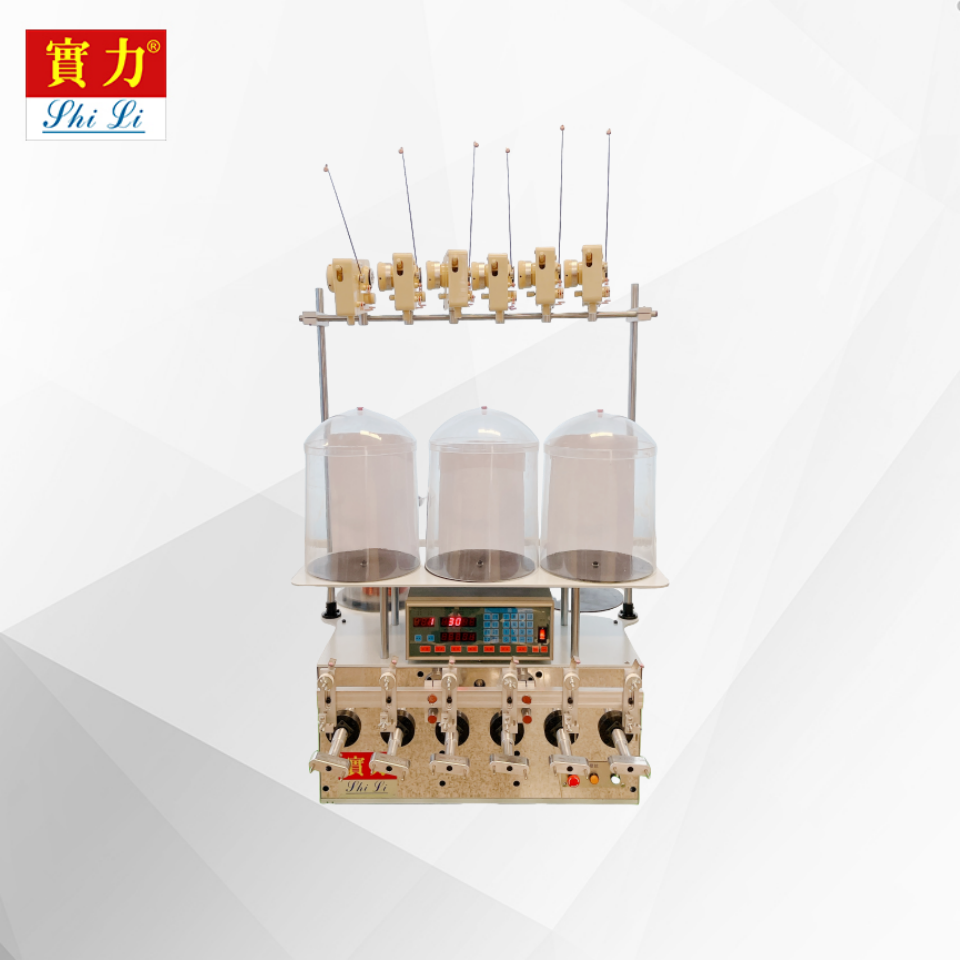
Multi-spindle winding machine configurations represent a transformative approach to motor production that fundamentally changes the cost-benefit analysis of motor winding machine price investments for high-volume manufacturers. These sophisticated systems incorporate multiple independent winding stations within a single machine framework, enabling simultaneous production of multiple motor components that dramatically increases throughput while maintaining the precision and quality standards demanded by modern manufacturing environments. The multi-spindle design allows manufacturers to optimize production flow by processing different motor sizes, winding patterns, or production stages concurrently, creating unprecedented flexibility in production scheduling and inventory management. Each spindle operates independently with dedicated control systems, wire feeding mechanisms, and quality monitoring capabilities that ensure optimal performance regardless of the specific requirements of individual winding operations. The motor winding machine price for multi-spindle configurations reflects the complex engineering required to coordinate multiple operations while maintaining the precision and reliability expected from premium winding equipment. Space efficiency represents a crucial advantage as multi-spindle systems deliver the production capacity of multiple single-spindle machines within a significantly smaller footprint, reducing facility costs and improving material handling efficiency. The integrated design eliminates the need for separate wire feeding systems, control panels, and operator stations for each winding position, creating economies of scale that improve the overall return on investment. Advanced scheduling software optimizes spindle utilization by automatically distributing work assignments based on winding complexity, material requirements, and production priorities, ensuring maximum efficiency across all spindle positions. The motor winding machine price investment in multi-spindle technology provides scalability options that allow manufacturers to expand production capacity without proportional increases in facility space, labor requirements, or overhead costs. Maintenance efficiencies result from shared components, centralized diagnostics, and standardized service procedures that reduce both planned and unplanned maintenance costs. Quality consistency improves as all spindles operate under identical environmental conditions with synchronized control systems that eliminate variations between production stations. The centralized control architecture enables comprehensive data collection and analysis capabilities that provide insights into production efficiency, quality trends, and optimization opportunities across all spindle positions.
Integrated Quality Control Systems Ensure Superior Product Reliability

Integrated Quality Control Systems Ensure Superior Product Reliability

Integrated quality control systems embedded within modern winding machines represent a paradigm shift in manufacturing quality assurance that significantly enhances the value proposition reflected in motor winding machine price considerations for manufacturers committed to excellence and regulatory compliance. These sophisticated monitoring systems continuously evaluate critical winding parameters including wire tension, turn count accuracy, layer distribution, and dimensional compliance throughout the entire production process, enabling real-time corrections and automatic rejection of substandard components before they progress to subsequent manufacturing stages. The comprehensive quality monitoring extends beyond basic parameter checking to include advanced diagnostic capabilities that analyze winding characteristics, detect potential defects, and predict quality issues before they manifest in finished products. Vision systems integrated into these quality control networks provide detailed inspection of wire placement, crossover patterns, and termination quality, ensuring that each motor component meets stringent specifications and performance requirements. The motor winding machine price investment in integrated quality systems delivers substantial returns through elimination of downstream quality issues, reduced warranty claims, and enhanced customer satisfaction that strengthens market position and profitability. Statistical process control capabilities automatically collect and analyze production data, identifying trends and variations that might indicate equipment degradation, material issues, or process drift requiring attention. Traceability features maintain comprehensive records of winding parameters, material lots, and quality measurements for each produced component, supporting quality investigations and regulatory compliance requirements in industries such as automotive, aerospace, and medical devices. The automated quality verification eliminates subjective human inspection variables while providing consistent, objective evaluation criteria that improve overall product reliability and customer confidence. Real-time feedback systems immediately alert operators to quality deviations, enabling rapid corrective actions that minimize production of non-conforming parts and associated material waste. The motor winding machine price reflects sophisticated calibration systems that maintain measurement accuracy and reliability over extended production periods, ensuring consistent quality standards throughout equipment lifetime. Integration with manufacturing execution systems enables quality data to flow seamlessly into enterprise quality management systems, supporting continuous improvement initiatives and quality certification requirements. Predictive quality algorithms analyze historical data patterns to anticipate potential quality issues, enabling proactive maintenance and process adjustments that prevent quality problems before they occur.

Get a Free Quote

Our representative will contact you soon.
Email
Name
Company Name
Message
0/1000
Newsletter
Please Leave A Message With Us