Professional Coil Winding Machine - Advanced Electromagnetic Component Manufacturing Solutions

Get a Free Quote

Our representative will contact you soon.
Email
Name
Company Name
Message
0/1000

coil winding machine

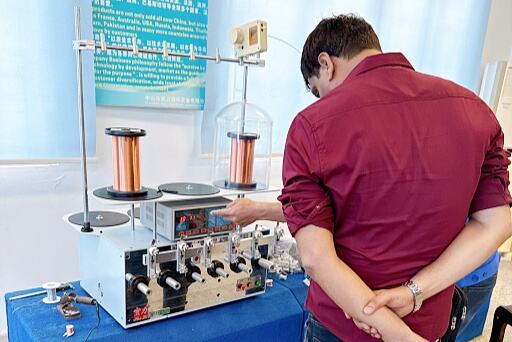
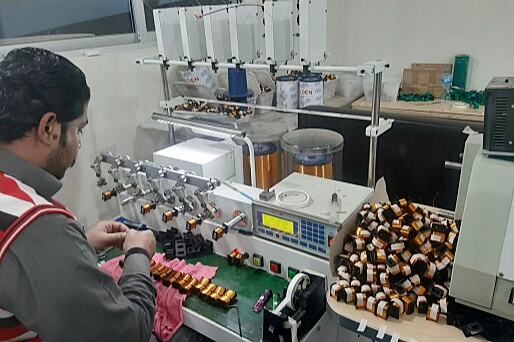
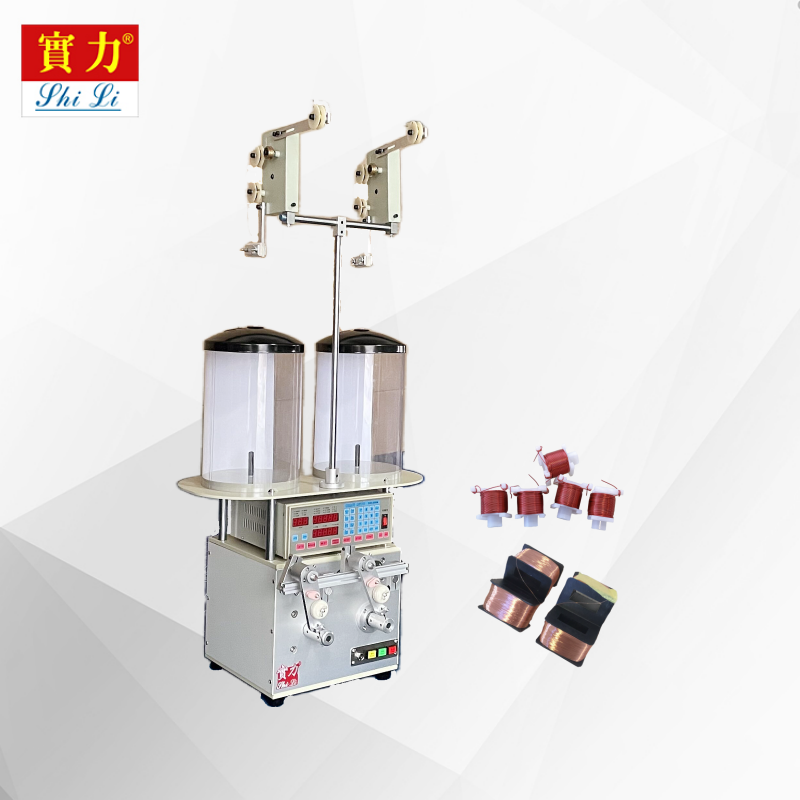
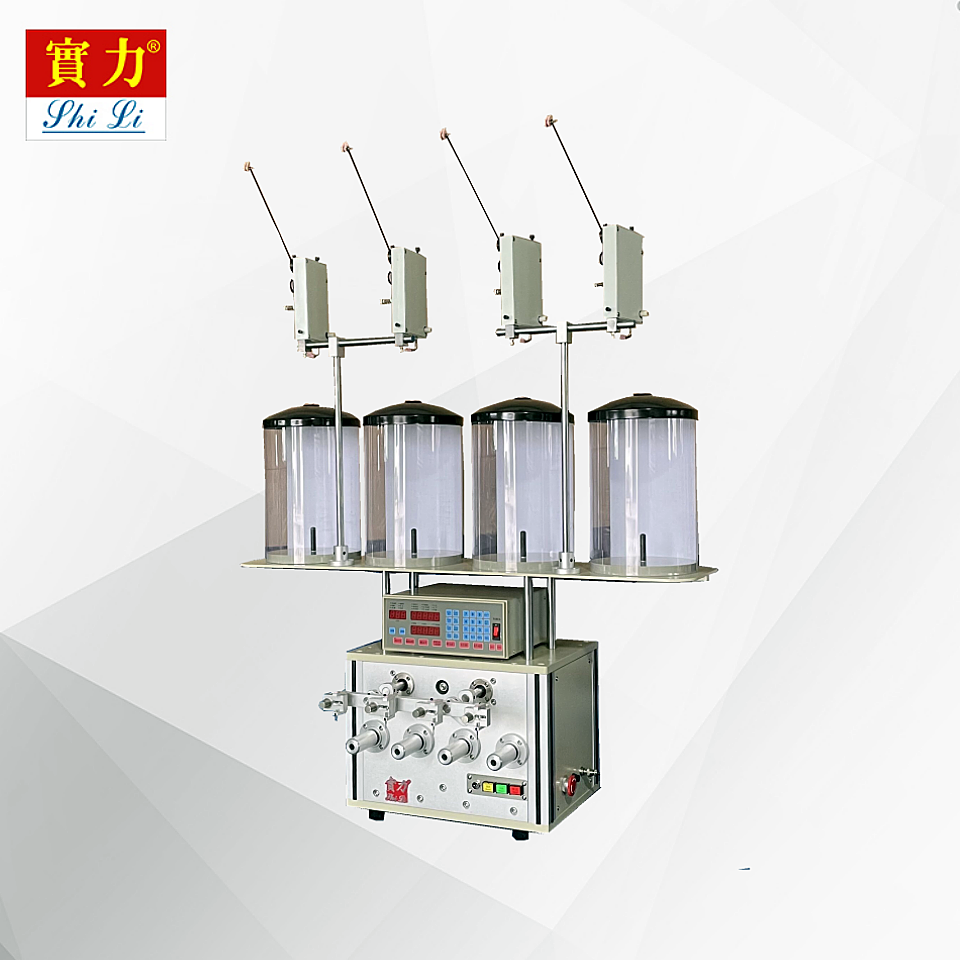
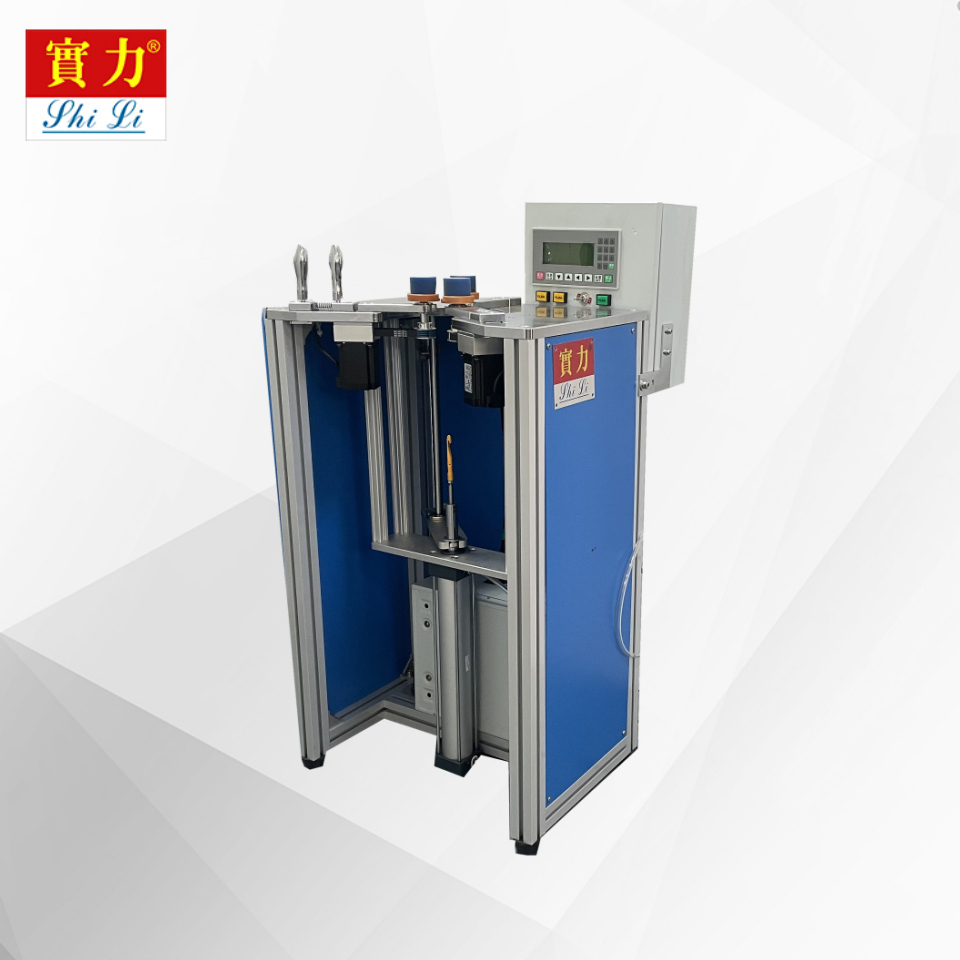
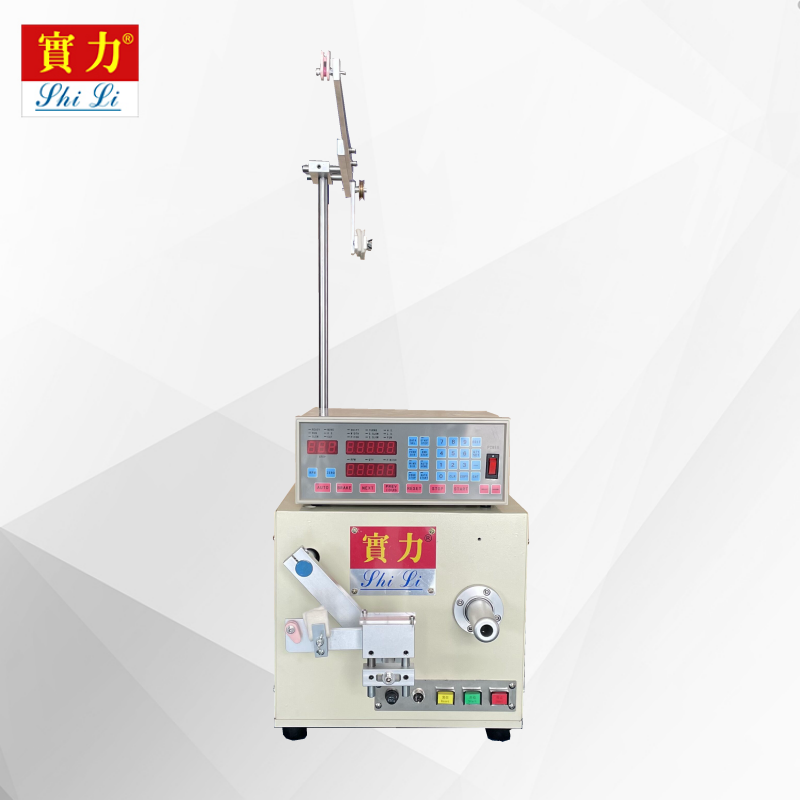
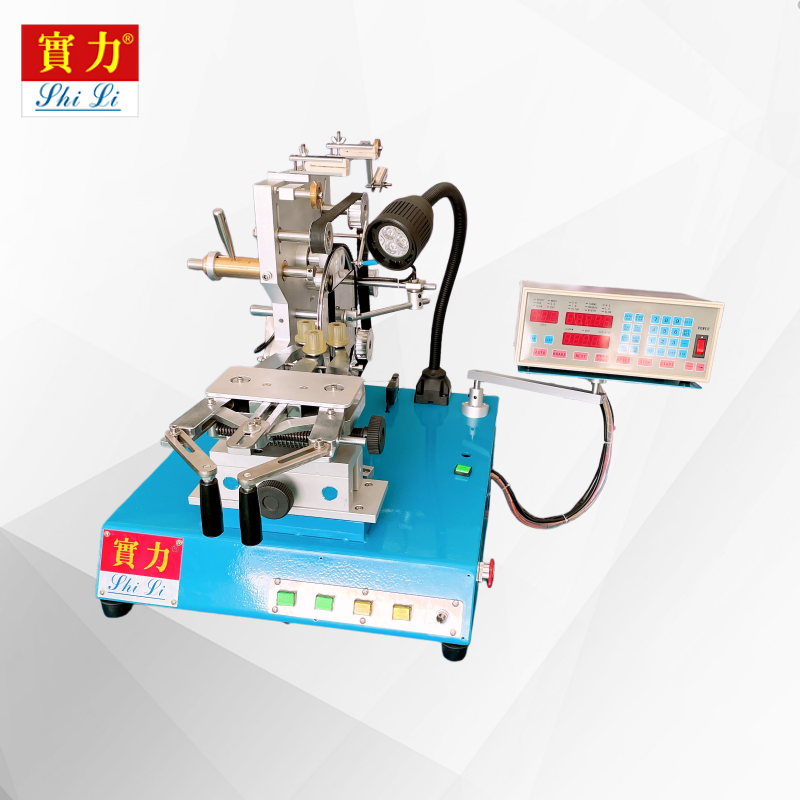
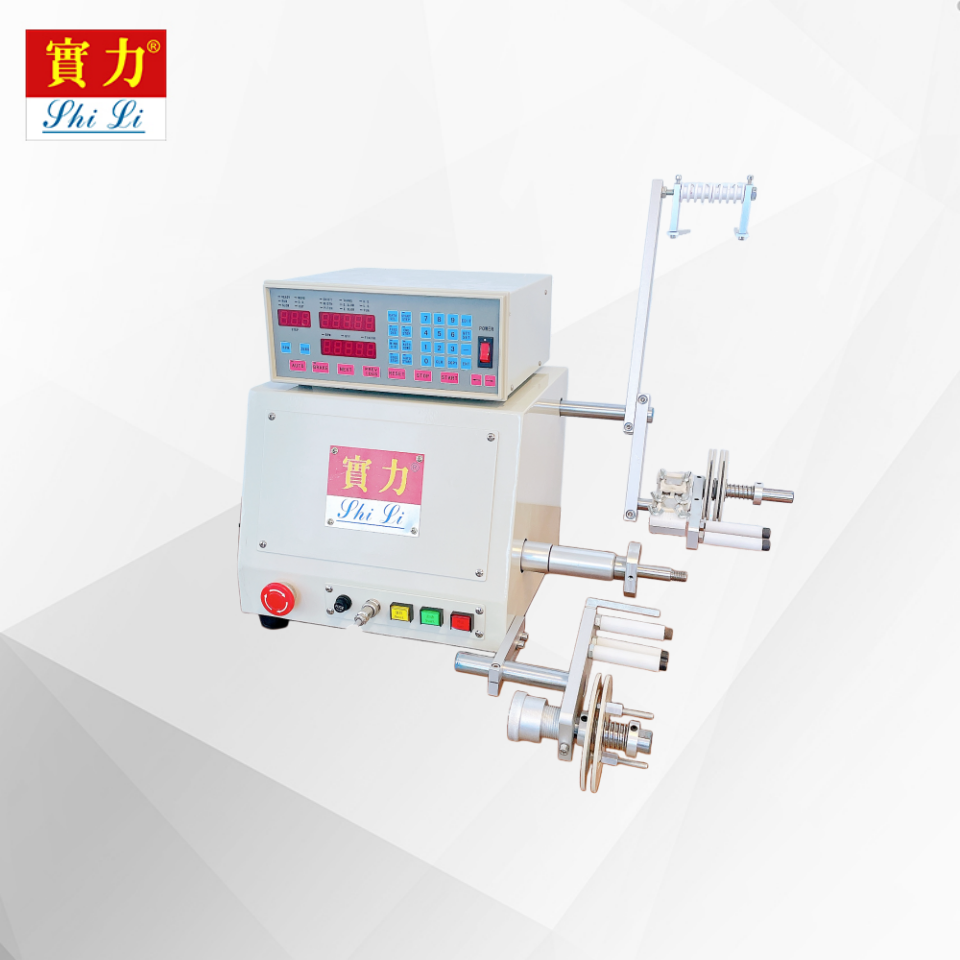
A coil winding machine is a sophisticated industrial device designed to precisely wrap conductive materials such as copper wire, aluminum wire, or specialized cables around cores, bobbins, or other substrates to create electromagnetic components. These essential manufacturing tools serve as the backbone of electrical component production, enabling manufacturers to create inductors, transformers, motors, generators, and countless other electromagnetic devices with exceptional accuracy and consistency. The coil winding machine operates through a combination of mechanical precision and electronic control systems that coordinate the rotation of the workpiece with the feeding and tensioning of the winding material. The primary functions of these machines encompass multiple critical operations including wire feeding, tension control, layer winding, and automated cutting. Modern coil winding machines feature advanced technological capabilities such as programmable logic controllers that allow operators to store and recall specific winding patterns, servo motor drives that provide precise speed and position control, and sophisticated tension monitoring systems that maintain optimal wire tension throughout the winding process. The technological architecture typically includes a spindle system for holding and rotating the core component, a traversing mechanism for distributing wire across the winding area, and a wire feeding system that maintains consistent material flow. Contemporary models integrate touch-screen interfaces that simplify programming and monitoring, while digital encoders provide real-time feedback on position and speed parameters. Applications for coil winding machines span numerous industries including automotive manufacturing for ignition coils and sensors, power generation for transformer production, electronics manufacturing for inductors and chokes, telecommunications for communication transformers, and renewable energy sectors for wind turbine generators and solar inverter components. The versatility of these machines allows manufacturers to produce everything from miniature precision coils used in medical devices to large industrial transformers used in power distribution networks.

New Product Recommendations

The coil winding machine delivers substantial production benefits that directly impact manufacturing efficiency and product quality across multiple operational dimensions. These machines dramatically increase production speed compared to manual winding processes, enabling manufacturers to complete projects in significantly less time while maintaining superior consistency standards. The automated nature of coil winding machines eliminates human error factors that commonly occur in manual operations, resulting in uniform wire placement, consistent tension control, and precise layer distribution that enhances the electrical performance of finished components. Cost reduction represents another major advantage as these machines minimize material waste through accurate wire management and reduce labor requirements by automating repetitive tasks that would otherwise require skilled technicians. The precision control systems built into modern coil winding machines ensure that every coil meets exact specifications, reducing rejection rates and improving overall quality metrics that translate to higher customer satisfaction and reduced warranty costs. Flexibility stands as a key operational benefit since operators can easily switch between different winding patterns, wire gauges, and core sizes without extensive setup modifications, allowing manufacturers to respond quickly to varying production demands and custom requirements. The consistent tension control provided by these machines prevents wire stretching or breaking during the winding process, which maintains the integrity of the conductive material and ensures optimal electrical characteristics in the finished product. Safety improvements are significant as automated systems reduce worker exposure to repetitive motion injuries and eliminate the need for manual handling of heavy components during the winding process. Quality documentation capabilities allow manufacturers to maintain detailed records of winding parameters for each production run, supporting quality control initiatives and providing traceability for regulatory compliance requirements. The scalability of coil winding machines enables manufacturers to adjust production volumes efficiently, from prototype development to high-volume manufacturing, without compromising quality standards or requiring significant additional investments in equipment or training.

Tips And Tricks

Solve Solenoid Valve Coil Production Pain Points for India | Easy Operation Guide

05

Feb

Solve Solenoid Valve Coil Production Pain Points for India | Easy Operation Guide

View More
Bangladesh Client Raves: Efficiency + Stable Quality

05

Feb

Bangladesh Client Raves: Efficiency + Stable Quality

View More
Turkey Full Container Shipment: Rave Reviews & Repeat Orders

05

Feb

Turkey Full Container Shipment: Rave Reviews & Repeat Orders

View More

Get a Free Quote

Our representative will contact you soon.
Email
Name
Company Name
Message
0/1000

coil winding machine

Advanced Programmable Control System

Advanced Programmable Control System

The sophisticated programmable control system represents the technological heart of modern coil winding machines, providing manufacturers with unprecedented precision and flexibility in their production processes. This advanced control architecture utilizes state-of-the-art programmable logic controllers integrated with intuitive human-machine interfaces that allow operators to define, store, and execute complex winding patterns with remarkable accuracy. The system enables precise control over critical parameters including winding speed, wire tension, layer distribution, and traverse patterns, ensuring that every coil meets exact specifications regardless of complexity or production volume requirements. Operators can create detailed winding programs that specify the number of turns per layer, the spacing between adjacent wires, the transition points between layers, and the overall coil geometry, all while maintaining consistent quality standards throughout the production run. The programmable nature of these systems allows manufacturers to store hundreds of different winding recipes in the machine memory, enabling quick changeovers between product types without time-consuming manual adjustments or recalibration procedures. Real-time monitoring capabilities provide continuous feedback on critical process variables, allowing operators to make immediate adjustments if parameters drift outside acceptable ranges and ensuring consistent product quality. The control system also features advanced diagnostic capabilities that can predict potential issues before they impact production, reducing unplanned downtime and maintenance costs while maximizing overall equipment effectiveness. Integration capabilities allow the coil winding machine to communicate with enterprise resource planning systems and manufacturing execution systems, providing real-time production data that supports lean manufacturing initiatives and continuous improvement programs. The user-friendly interface design ensures that operators can quickly learn to program and operate the machine effectively, reducing training time and minimizing the learning curve associated with implementing new production equipment.
Precision Wire Tension Management

Precision Wire Tension Management

Precision wire tension management stands as a critical differentiator that directly impacts both the quality and reliability of wound coils, making this feature essential for manufacturers who demand consistent electrical performance in their products. The advanced tension control system utilizes sophisticated sensors and feedback mechanisms to maintain optimal wire tension throughout the entire winding process, preventing common issues such as loose windings, wire breakage, or uneven layer formation that can compromise the electrical characteristics of the finished component. This intelligent system continuously monitors wire tension in real-time and automatically adjusts feeding mechanisms to compensate for variations in wire diameter, material properties, or environmental conditions that might otherwise affect winding quality. The precision tension control prevents wire stretching during the winding process, which is crucial for maintaining the electrical conductivity and mechanical integrity of the conductive material, particularly when working with delicate or specialized wire types. Advanced algorithms calculate optimal tension levels based on wire gauge, material type, and winding speed, ensuring that each application receives the appropriate tension settings for maximum performance and reliability. The system accommodates a wide range of wire materials including copper, aluminum, and specialized alloys, automatically adjusting tension parameters to suit the specific characteristics of each material type without requiring manual intervention. Consistent tension control eliminates the formation of air gaps between wire layers, which can lead to insulation breakdown or reduced electrical performance in high-voltage applications, ensuring that finished coils meet stringent quality and safety standards. The tension monitoring system also provides valuable data for quality control purposes, recording tension variations throughout the winding process and enabling manufacturers to identify trends or potential issues that might require attention. This comprehensive approach to tension management results in coils with superior electrical characteristics, improved mechanical stability, and enhanced long-term reliability that meets or exceeds customer expectations in demanding applications.
Versatile Multi-Application Capability

Versatile Multi-Application Capability

The versatile multi-application capability of modern coil winding machines enables manufacturers to address diverse production requirements across multiple industries and component types with a single, flexible platform that maximizes return on investment while minimizing equipment footprint requirements. This adaptability stems from modular design architectures that allow operators to configure the machine for various coil geometries, wire gauges, and core materials without requiring extensive modifications or additional equipment purchases. The machine accommodates everything from miniature precision coils used in electronic devices to large industrial components used in power generation applications, providing manufacturers with the flexibility to pursue diverse market opportunities and respond to changing customer demands effectively. Quick-change tooling systems enable rapid transitions between different core sizes and shapes, allowing manufacturers to switch from producing small inductors to large transformers within minutes rather than hours, significantly improving production efficiency and reducing setup costs. The versatile chuck and arbor systems accommodate cylindrical cores, toroidal cores, rectangular bobbins, and custom-shaped components, ensuring that manufacturers can produce virtually any coil configuration required by their customers. Wire feeding systems adapt to handle various wire gauges from fine magnet wire used in precision applications to heavy conductors used in power applications, with automatic adjustment of feeding speeds and tension parameters to optimize performance for each material type. The programmable traverse system provides precise control over wire distribution patterns, enabling the production of everything from simple single-layer coils to complex multi-layer configurations with controlled wire positioning and optimal space utilization. Layer winding capabilities include random winding for applications requiring maximum wire density, precision winding for applications demanding exact wire placement, and orthocyclic winding for applications requiring optimal packing efficiency and electrical performance. This comprehensive versatility allows manufacturers to consolidate multiple specialized winding operations onto a single platform, reducing capital equipment requirements while improving operational efficiency and production flexibility.

Get a Free Quote

Our representative will contact you soon.
Email
Name
Company Name
Message
0/1000
Newsletter
Please Leave A Message With Us