Professional Winding Wire Machine Solutions - Advanced Coil Manufacturing Equipment

Get a Free Quote

Our representative will contact you soon.
Email
Name
Company Name
Message
0/1000

winding wire machine

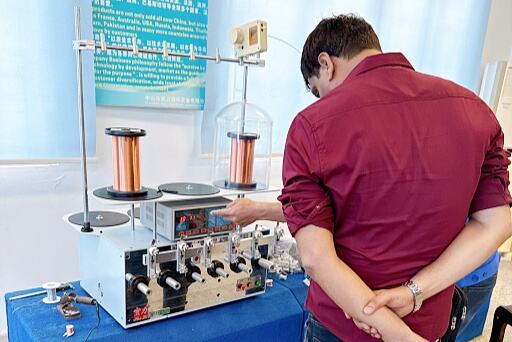
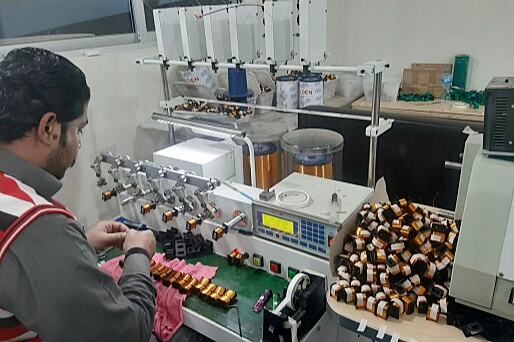
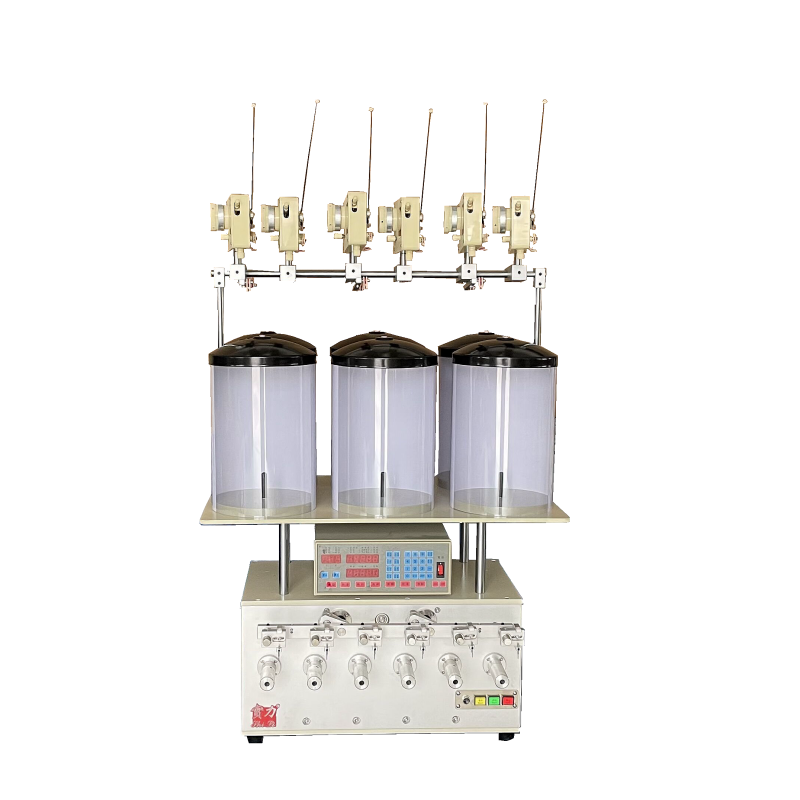
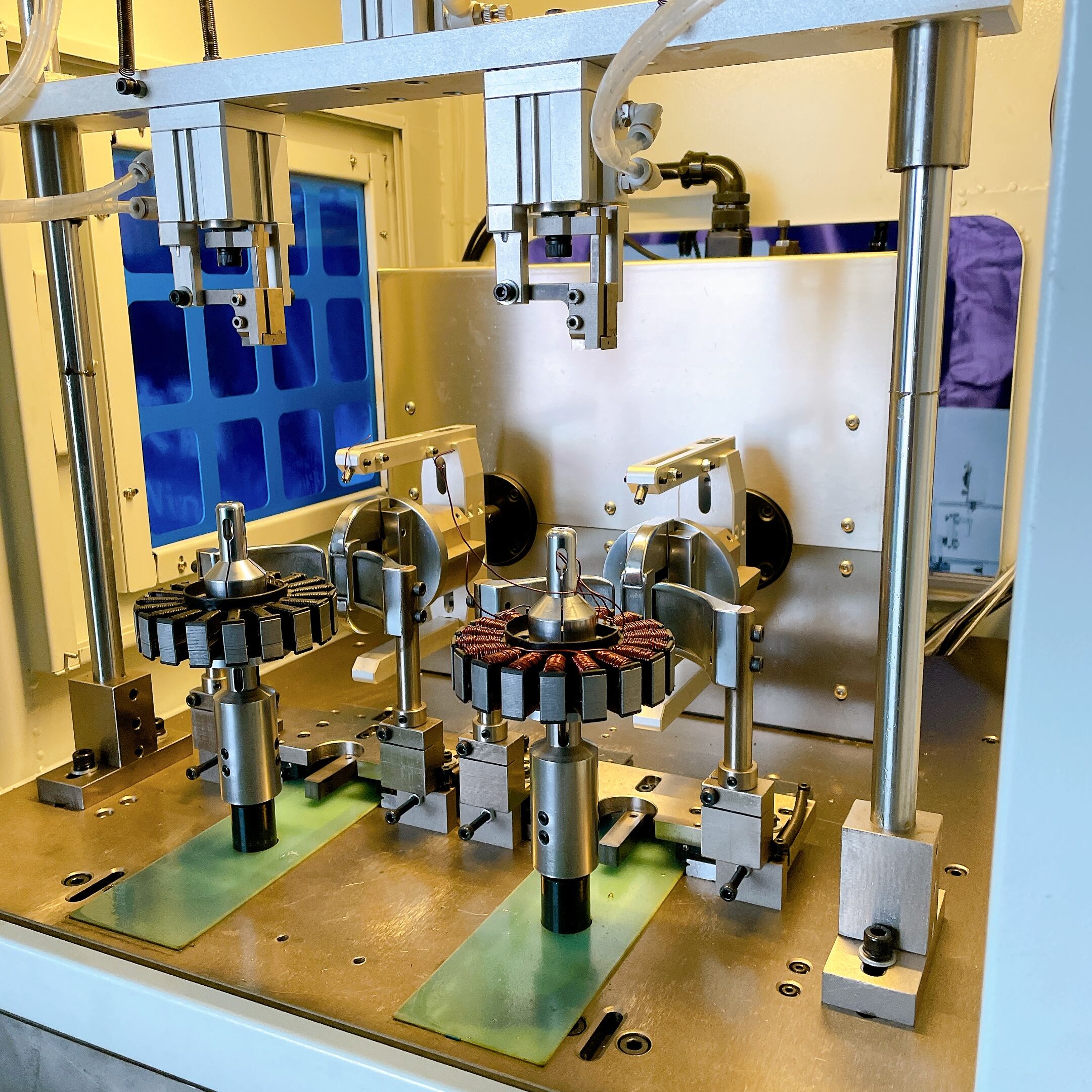
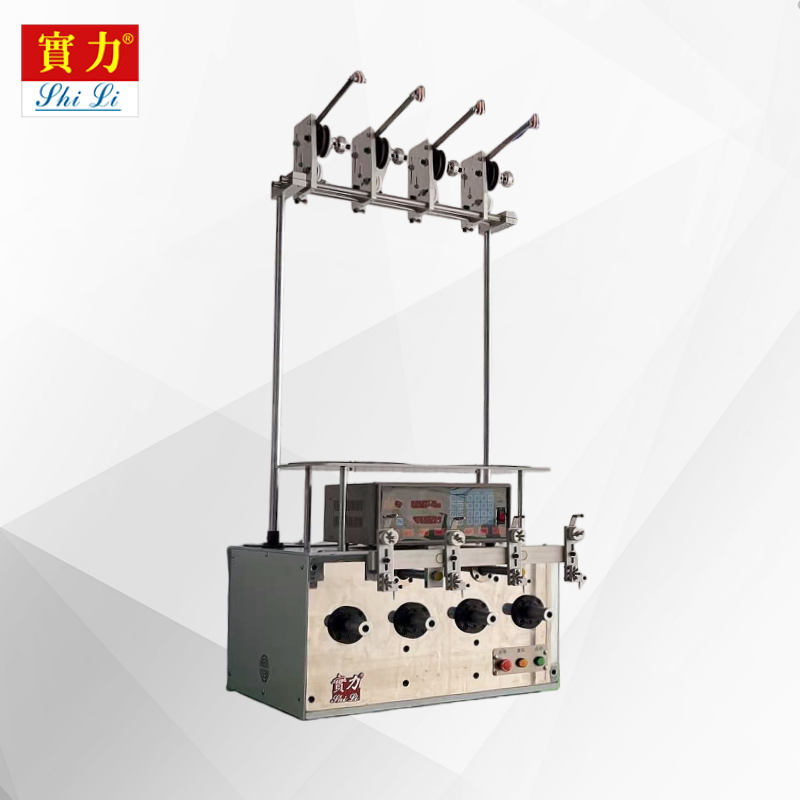
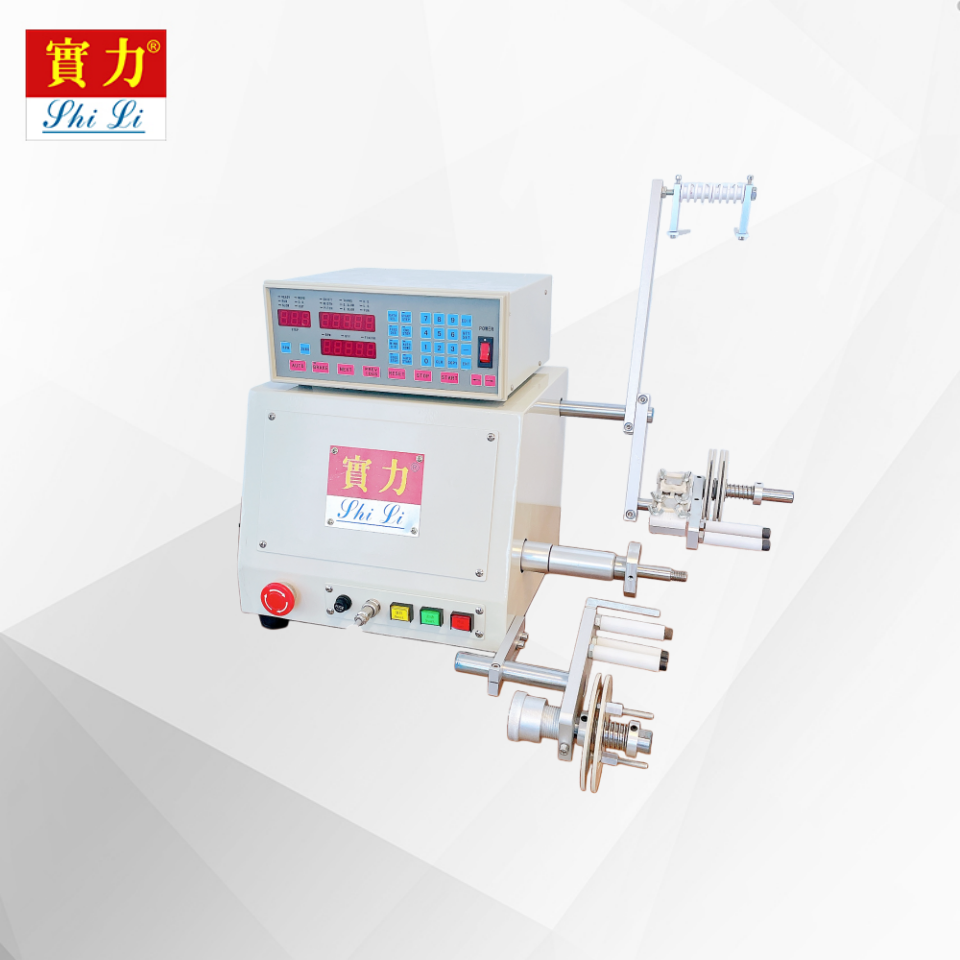
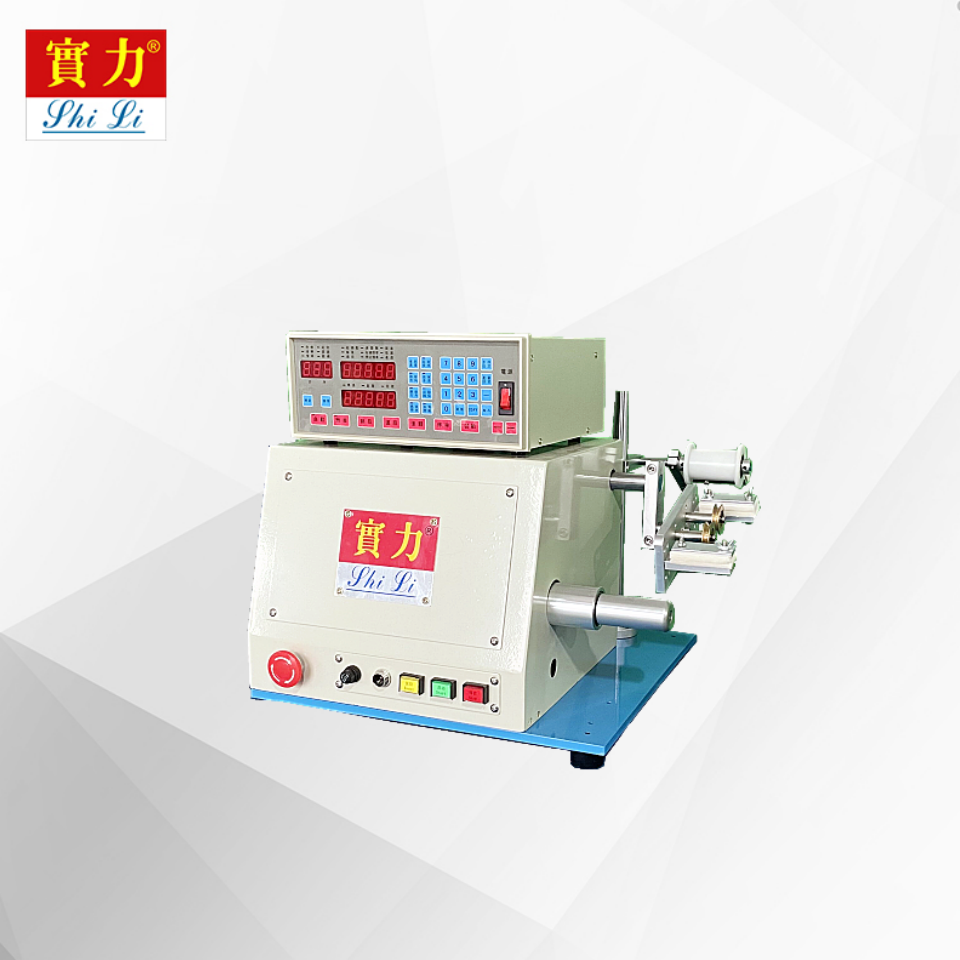
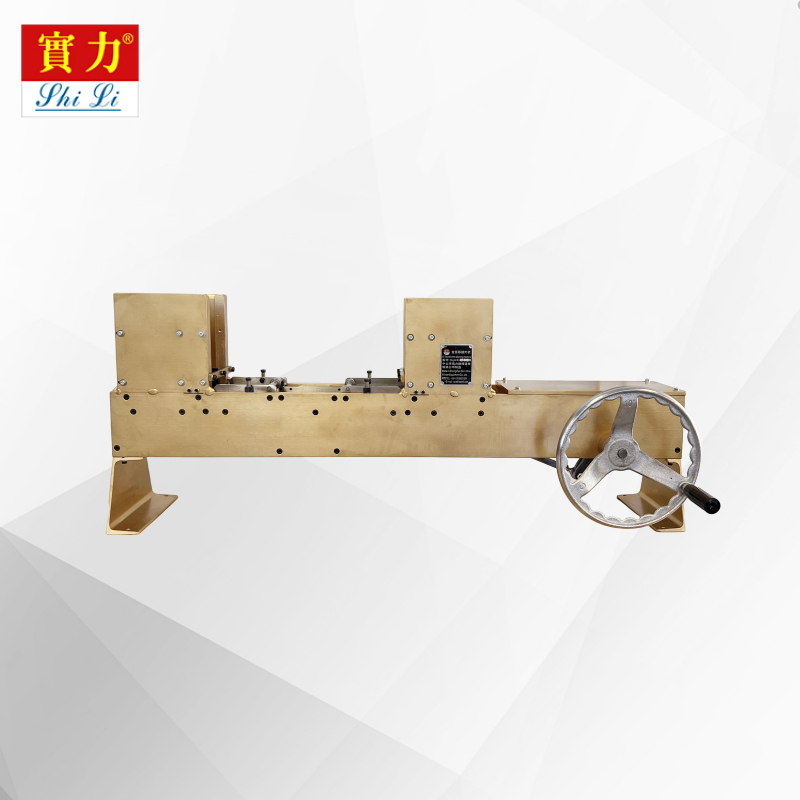
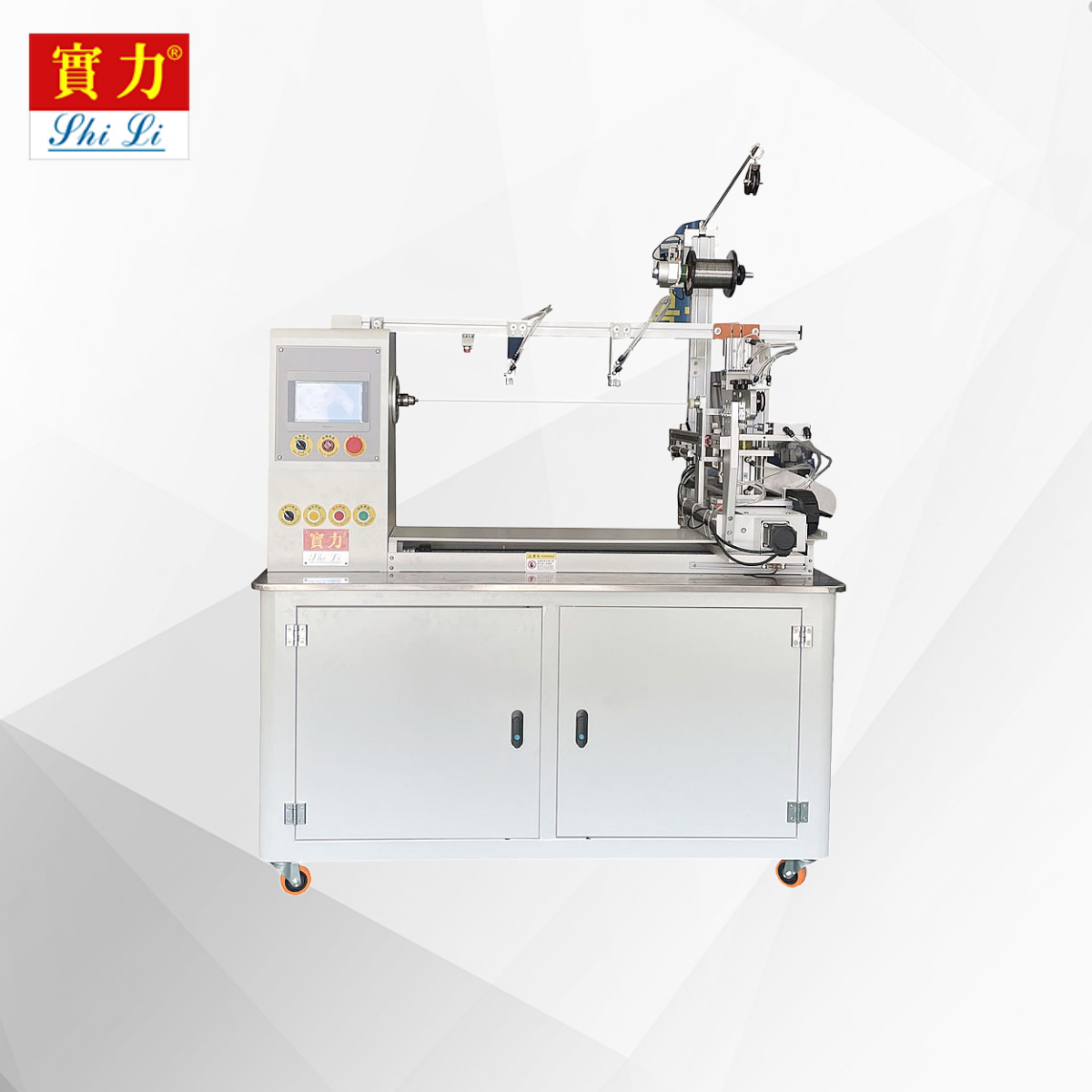
A winding wire machine represents a sophisticated piece of industrial equipment designed to automate the precise winding of various wire types onto coils, bobbins, and spools. This essential manufacturing device serves as the backbone of numerous industries requiring consistent and accurate wire coiling processes. The machine operates through advanced mechanical systems that control tension, speed, and positioning to ensure optimal wire placement and uniform coil formation. Modern winding wire machines incorporate programmable logic controllers (PLCs) that enable operators to customize winding patterns, layer configurations, and production parameters according to specific requirements. The primary functions encompass automatic wire feeding, tension regulation, coil formation, and finished product handling. These machines excel at producing various coil types including transformers, inductors, motors, and electromagnetic components with exceptional precision and repeatability. Technological features include servo motor control systems that provide accurate positioning and smooth operation throughout the winding process. Digital displays offer real-time monitoring of production metrics such as wire length, turn count, and operational status. Advanced models feature automatic wire cutting and termination capabilities, significantly reducing manual intervention and improving overall efficiency. Safety systems integrated within the winding wire machine protect both operators and equipment through emergency stops, protective enclosures, and fault detection mechanisms. The versatility of these machines extends to handling different wire gauges, materials, and coil specifications, making them indispensable for electronics manufacturing, automotive components, and electrical equipment production. Quality control features ensure consistent output through precise tension monitoring and automatic adjustments that maintain optimal winding conditions throughout extended production runs.

New Products

The winding wire machine delivers substantial operational improvements that directly impact manufacturing efficiency and product quality. First, these machines dramatically increase production speed compared to manual winding methods, enabling manufacturers to meet higher demand while reducing labor costs. Automated operation eliminates human error and ensures consistent coil quality across entire production batches, which translates to reduced waste and improved customer satisfaction. The precision control systems maintain exact wire tension throughout the winding process, preventing loose or overly tight coils that could compromise performance in finished products. This level of consistency proves invaluable for applications requiring strict electrical specifications and mechanical reliability. Cost savings emerge through multiple channels when implementing a winding wire machine. Reduced labor requirements lower ongoing operational expenses while freeing skilled workers for higher-value tasks. Material waste decreases significantly due to precise wire length calculations and automated cutting systems that eliminate excess usage. Energy efficiency features built into modern machines reduce power consumption compared to older mechanical systems, contributing to lower utility costs and environmental sustainability goals. The versatility of contemporary winding wire machines allows manufacturers to handle diverse product lines without requiring separate equipment for different specifications. Quick changeover capabilities enable rapid transitions between coil types, maximizing equipment utilization and reducing downtime. Programmable settings store multiple production recipes, allowing operators to switch between products with minimal setup time. Quality improvements extend beyond consistency to include enhanced precision in wire placement and layer formation. Advanced machines achieve tolerances that manual methods cannot match, resulting in products with superior electrical characteristics and mechanical stability. This precision directly correlates to improved performance in end applications and reduced field failures. Maintenance requirements remain minimal due to robust construction and advanced monitoring systems that predict potential issues before they cause downtime. Diagnostic capabilities help technicians identify and address problems quickly, maintaining high equipment availability. The investment in a winding wire machine typically pays for itself through increased productivity, reduced labor costs, and improved product quality within the first year of operation.

Practical Tips

Solve Solenoid Valve Coil Production Pain Points for India | Easy Operation Guide

05

Feb

Solve Solenoid Valve Coil Production Pain Points for India | Easy Operation Guide

View More
Bangladesh Client Raves: Efficiency + Stable Quality

05

Feb

Bangladesh Client Raves: Efficiency + Stable Quality

View More
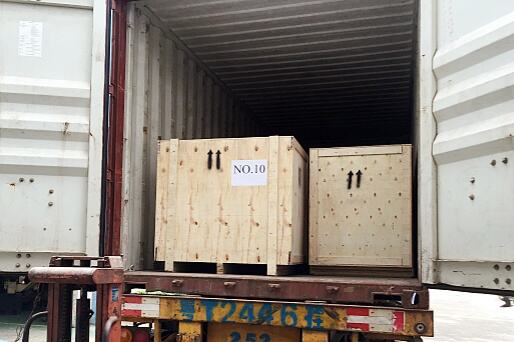
Turkey Full Container Shipment: Rave Reviews & Repeat Orders

05

Feb

Turkey Full Container Shipment: Rave Reviews & Repeat Orders

View More

Get a Free Quote

Our representative will contact you soon.
Email
Name
Company Name
Message
0/1000

winding wire machine

Precision Control Technology

Precision Control Technology

The most significant advantage of modern winding wire machines lies in their advanced precision control technology that revolutionizes coil manufacturing accuracy and consistency. This sophisticated system combines servo motor drives, encoder feedback, and programmable logic controllers to achieve unprecedented levels of precision in wire placement and tension management. The servo motor control system provides exact positioning control with resolution down to fractions of degrees, ensuring that each wire turn is placed exactly where intended. This precision eliminates the variations inherent in manual winding processes and creates coils with uniform electrical characteristics. The tension control mechanism represents another critical aspect of precision technology in winding wire machines. Advanced load cells continuously monitor wire tension and make real-time adjustments to maintain optimal levels throughout the entire winding process. This prevents wire stretching or breakage while ensuring consistent coil density and electrical properties. The system automatically compensates for variations in wire diameter, material properties, and environmental conditions that could otherwise affect tension stability. Programmable parameters allow operators to set precise specifications for different wire types and coil requirements, with the machine automatically adjusting all control systems accordingly. Digital feedback systems provide continuous monitoring of critical parameters including turn count, layer progression, and wire speed. This real-time data enables immediate corrections if any parameter drifts from specified values, maintaining consistent quality throughout production runs. The precision control technology also includes automatic wire guiding systems that position the wire exactly where needed for each turn, eliminating gaps or overlaps that could compromise coil performance. Advanced algorithms calculate optimal winding patterns for specific applications, taking into account factors such as wire gauge, coil geometry, and electrical requirements. This intelligent approach to coil design often results in improved performance compared to traditional manual methods. The integration of these precision control elements creates a winding wire machine capable of producing coils with tolerances measured in thousandths of an inch, far exceeding what manual processes can achieve consistently.
Enhanced Production Efficiency

Enhanced Production Efficiency

Production efficiency represents a cornerstone benefit of implementing winding wire machines in manufacturing operations, delivering measurable improvements across multiple operational metrics. These machines operate continuously with minimal supervision, enabling manufacturers to achieve production rates several times higher than manual winding methods. The automated nature of the winding process eliminates the fatigue factors and skill variations that affect human operators, maintaining consistent production speed throughout entire shifts. Modern winding wire machines incorporate intelligent scheduling systems that optimize production sequences to minimize setup time and material waste. Quick changeover capabilities allow rapid transitions between different coil specifications without extensive manual adjustments. Operators simply select the appropriate program from the machine's memory, and the system automatically configures all parameters for the new product. This flexibility enables manufacturers to respond quickly to changing customer demands while maintaining high equipment utilization rates. The efficiency benefits extend beyond raw production speed to include significant improvements in material utilization. Precision wire feeding systems calculate exact wire lengths needed for each coil, eliminating the excess material waste common in manual operations. Automatic wire cutting and termination features ensure optimal material usage while reducing the time required for finishing operations. These improvements in material efficiency translate directly to cost savings and improved profit margins. Quality consistency achieved through automated winding processes reduces the need for extensive quality control inspections and rework operations. When coils are produced within tight tolerances consistently, downstream assembly operations proceed more smoothly with fewer delays or adjustments. This cascade effect of improved efficiency extends throughout the entire manufacturing process. Advanced monitoring systems track production metrics in real-time, providing managers with detailed insights into equipment performance and production trends. This data enables proactive maintenance scheduling that prevents unexpected downtime and maintains peak efficiency levels. Predictive maintenance capabilities identify potential issues before they affect production, allowing for planned maintenance during scheduled downtime rather than costly emergency repairs. The cumulative effect of these efficiency improvements typically results in production capacity increases of 200-400% compared to manual methods, while simultaneously improving product quality and reducing operational costs.
Versatile Application Capability

Versatile Application Capability

The versatile application capability of winding wire machines makes them invaluable investments for manufacturers serving diverse markets and producing varied coil types. These machines accommodate an extensive range of wire gauges, from delicate hair-thin wires used in precision electronics to heavy-duty conductors for power applications. This flexibility eliminates the need for multiple specialized machines, reducing capital equipment costs and simplifying production planning. Advanced chucking systems and programmable parameters enable the same machine to produce transformer coils, motor windings, inductors, and custom electromagnetic components with equal precision and efficiency. The adaptability extends to various wire materials including copper, aluminum, silver-plated conductors, and specialized alloy wires used in demanding applications. Each material type requires specific handling characteristics for tension control, feeding speed, and termination methods, all of which can be programmed into the machine's control system. This material versatility proves essential for manufacturers serving aerospace, medical device, automotive, and telecommunications industries where different wire specifications are mandatory. Coil geometry flexibility represents another dimension of versatility in modern winding wire machines. These systems handle everything from small toroidal cores measuring millimeters in diameter to large power transformer coils spanning several feet. Adjustable fixtures and programmable winding patterns accommodate circular, rectangular, and custom-shaped cores without requiring expensive tooling changes. Layer winding, random winding, and precision sectional winding techniques are all achievable through software configuration changes rather than mechanical modifications. The programming flexibility allows manufacturers to store unlimited coil specifications in the machine's memory, enabling rapid production changeovers for custom orders or prototype development. This capability proves particularly valuable for job shops and contract manufacturers who must handle diverse customer requirements efficiently. Research and development applications benefit from the machine's ability to quickly produce prototype coils with varying specifications for testing and optimization purposes. Integration capabilities ensure that winding wire machines work seamlessly with existing production systems and quality control processes. Communication protocols enable data exchange with manufacturing execution systems, providing real-time production status and quality metrics. This integration supports lean manufacturing principles and enables sophisticated production planning that optimizes workflow across entire facilities. The combination of these versatile capabilities transforms the winding wire machine from a single-purpose tool into a flexible manufacturing platform capable of supporting diverse product lines and evolving market requirements.

Get a Free Quote

Our representative will contact you soon.
Email
Name
Company Name
Message
0/1000
Newsletter
Please Leave A Message With Us